
Clarksville Neighborhoods: A Guide by Commute, Price Range and Housing Type
Clarksville neighborhoods are best compared by the exact commute, housing type, property condition, usable lot, and complete ownership cost. Downtown-oriented homes, Sango-area searches, the St. Bethlehem and Exit 4 area, and properties chosen for Fort Campbell access can serve different needs. Define the destination and budget first, then compare individual homes without assuming a neighborhood label guarantees convenience or value.
Last updated: October 12, 2026
I’m Harley Pope, a lifelong Middle Tennessee local and Realtor with Pope Group at The Baker Brokerage. This guide helps buyers narrow a Clarksville, Tennessee, search. It does not rank neighborhoods, report current MLS inventory, rate schools, or make claims about the people who live in any part of the city.
Clarksville neighborhoods: begin with the actual destination
Choose the work address or recurring destination before choosing a subdivision. A local Clarksville job, an Austin Peay destination, a particular Fort Campbell gate, and regular Nashville travel can create different maps even when the housing brief is otherwise similar.
The Clarksville community guide provides a regional starting point. The Regional Planning Commission’s maps help identify city and county context, zoning resources, and the location of parcels under consideration.
Verify the exact property and jurisdiction rather than assuming the mailing address establishes every service or rule. Then map ordinary errands and appointments alongside work. The local portion of the route can matter as much as proximity to a larger highway.
Keep three essentials and a short list of preferences. A main-level bedroom, garage, manageable yard, office, or realistic commute can be evaluated during a visit. A general request for the best neighborhood cannot be answered without those priorities.
Downtown and Austin Peay connections: test the block
If downtown or Austin Peay State University is a frequent destination, compare homes through the actual route to it. A central location may improve some trips while leaving others dependent on driving, so evaluate the entire week.
Walk the routes you intend to use and note sidewalks, crossings, distances, and parking. For a property near businesses or campus activity, consider deliveries, road exposure, outdoor use, and the way guests would arrive. Visit at realistic times.
Compare established detached homes with attached housing where it fits the brief. Older architecture can be appealing, but investigate systems, renovations, storage, stairs, and the practical layout. For shared ownership arrangements, review maintenance, insurance, fees, and rules.
Do not infer future use from nearby activity. If rental use, a business, or an addition matters, obtain current property-specific guidance on zoning, recorded restrictions, financing, insurance, and the applicable approval process. The location alone does not settle those questions.
Sango-area searches: evaluate the southeastern route and the lot
Sango is a useful geographic reference when a search points toward southeastern Clarksville and surrounding Montgomery County. The Regional Planning Commission’s documents provide planning context, but a broad area name should not replace an address-level review.
For a home chosen around regional travel, test the connection to the intended route. Include the local road segment, intersections, routine stops, and the return trip. Avoid treating every Sango-area property as if it shared one commute.
Compare established homes, newer construction, and land-oriented properties according to what is actually offered. Examine grade, driveway access, drainage, outdoor use, utility arrangements, and maintenance responsibilities. A larger lot should be evaluated by its useful portions.
If the goal is a workshop or future addition, confirm feasibility before choosing the house around that plan. City and county requirements, restrictions, easements, wastewater, and site conditions can all matter. Ask the responsible professionals and offices about the specific project.
St. Bethlehem and Exit 4: compare access rather than assuming it
Use the St. Bethlehem and Exit 4 area as another geographic starting point when its relationship to destinations fits the brief. Compare the precise local roads and housing arrangement instead of assuming that a home near an interchange is automatically convenient.
Drive the trip from the property’s driveway at the hours you expect to travel. Include the direction you need, any turning movements, and stops that are part of your normal schedule. An address can look well-positioned on a map while functioning differently in practice.
Review the home’s condition and finished purchase cost. Newer housing, established detached homes, and attached options should be examined separately. The area’s name does not establish uniform price, maintenance, association charges, or layout.
Use current official transportation and planning information when a road project or surrounding development is material. Distinguish existing conditions from proposed, approved, and unfinished work. A promised future improvement should not be necessary for the home to meet an essential requirement today.
Fort Campbell access: choose the gate and schedule first
For a purchase connected to Fort Campbell, identify the actual gate and work destination relevant to the household. Different access points and schedules can create different routes. A broad distance to the installation is not enough to select a property.
Confirm current access procedures, gate availability, and any requirements through official installation sources when planning visits. Do not rely on an old listing’s commute claim or another person’s work pattern. The home should be evaluated against your own recurring trip.
Compare representative addresses around that requirement and ordinary errands. Include parking at home, equipment storage, and the move’s timing. These practical questions apply regardless of the buyer’s job or financing program.
If a specialized loan program applies, ask the lender about eligibility, documentation, property condition, and closing requirements. Evaluate the purchase terms and professional advice directly. A financing label should not replace a review of the home’s suitability and the household’s comfortable budget.
Established subdivisions: inspect the updates that matter
An established home can be useful when its layout, location, and lot fit the brief. Look beyond cosmetic presentation and ask which systems have been replaced, which improvements are documented, and what work remains.
Compare roof, HVAC, plumbing, electrical, foundation, drainage, and exterior condition through appropriate inspections. An updated kitchen does not answer those questions. Keep essential repairs separate from optional design changes so the budget remains clear.
Walk the yard and examine mature trees, fences, slopes, and driveway arrangements. Consider whether outdoor areas function the way you want in different seasons. A single attractive photograph should not settle privacy, drainage, or land-use questions.
Use the Clarksville home-buying guide to organize the transaction. The strongest established-home comparison combines a useful location with understood condition and realistic first-year expense.
New construction: compare the finished product and written terms
For a new home, ask exactly what the quoted price includes on the lot you can purchase. Clarify structural options, finishes, appliances, landscaping, lot premiums, association charges, and remaining move-in expenses.
Compare incentives through written terms and current lender estimates. A payment advertisement or closing-cost offer may involve particular conditions. Evaluate the full cash requirement and loan structure alongside the home’s price rather than comparing headline concessions alone.
Review inspection access, warranty terms, deposits, change-order rules, completion timing, and possession. Coordinate those terms with a linked home sale or relocation plan. A model home and an expected completion date do not establish the final purchase outcome.
The Clarksville selling guide discusses comparing resale with new-construction competition. Buyers can use that context to ask better questions about condition, features, timing, and the complete alternative available to them.
Edge-of-city homes and acreage need an infrastructure review
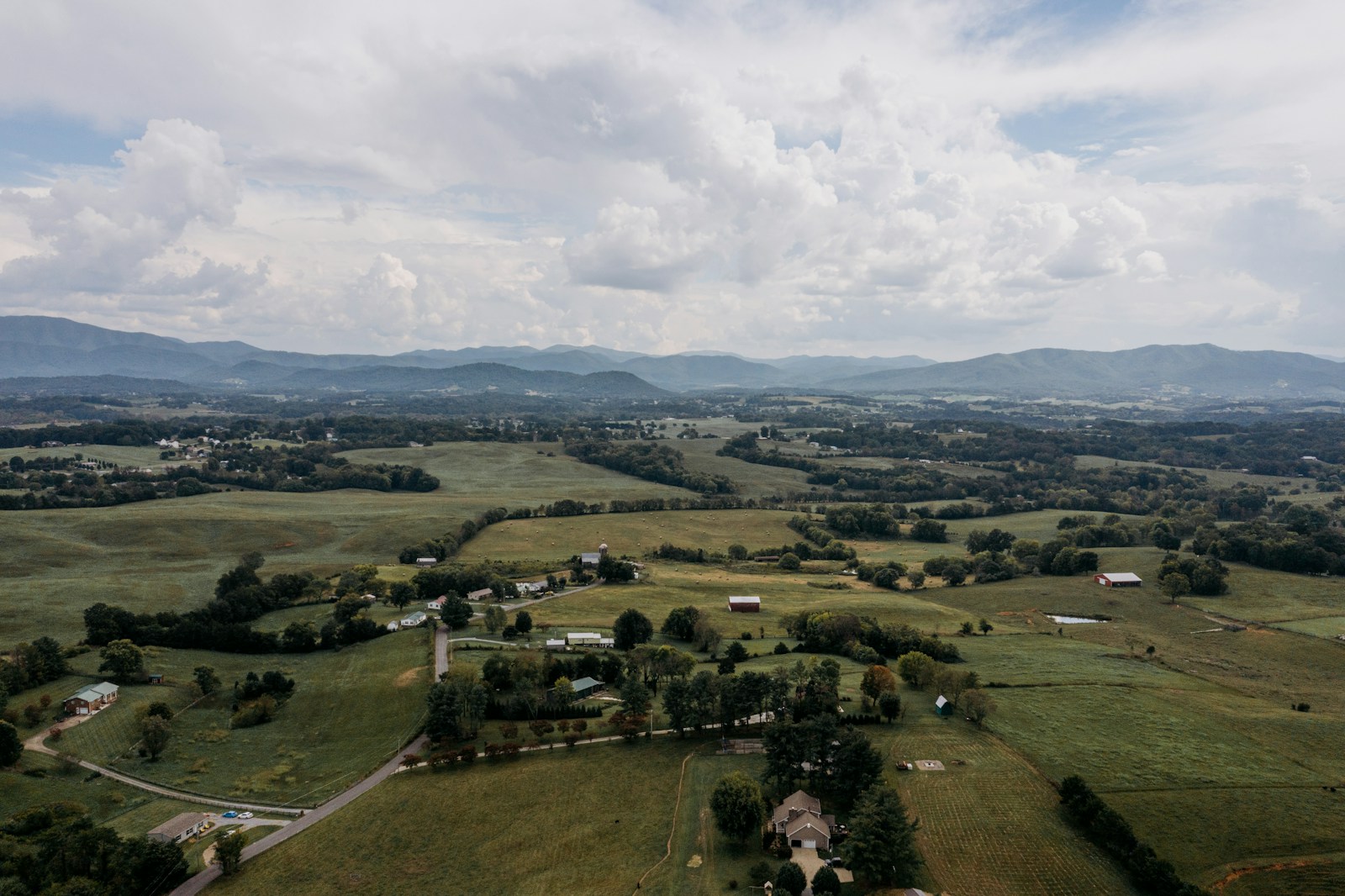
When a property offers more land, inspect the useful area rather than valuing all acreage alike. A level yard, wooded slope, pasture, and drainage area can support different activities and create different upkeep.
Confirm legal access, road responsibility, boundaries, easements, recorded restrictions, water, wastewater, and internet. Where private systems apply, obtain relevant records and professional inspections. Nearby utilities or a general service map do not establish availability at the home.
For a workshop, additional building, or expanded living space, investigate permissions, setbacks, access, septic capacity where applicable, and site costs before treating the project as feasible. A larger property should be bought around verified possibilities rather than an assumption.
Obtain property-specific flood and drainage information when relevant to the purchase. An attractive elevated yard or distance from an obvious waterway should not replace appropriate map, insurance, and professional review. Keep verified findings separate from impressions.
Price ranges should be built around actual property choices
This guide does not assign permanent price bands to Clarksville neighborhoods. Build a current comparison using recent relevant sales, competing listings, condition, lot use, size, location, and material transaction terms.
For an entry-level budget, define essentials and repair tolerance clearly. For a larger budget, resist assuming that additional square footage or elaborate finishes always improve the purchase. Match the property to the daily needs and maintenance you want.
Compare a finished new home with a resale using the same categories. Include written incentives, lot and option costs, repairs, warranties, and possession. A lower displayed price can still lead to a higher first-year expense.
Ask for a property-specific analysis before making an offer. Neighborhood names help select the search area; comparable homes and verified facts help evaluate the individual purchase.
Build the budget and verify address-specific services
Put current financing estimates, taxes, insurance, association charges, utilities, maintenance, and essential repairs on one worksheet. Keep move-in costs and desired upgrades visible. A comfortable payment should leave room for the obligations you can reasonably anticipate.
Confirm utility providers and internet installation for the exact address. If remote work is essential, inspect the office for noise, doors, light, and temperature, and obtain plan information directly from the provider.
If school assignment is relevant, verify it with the responsible district for the particular address. This article does not rate schools or promise an assignment. Use current official information to answer that personal requirement.
For a move involving another sale, review the sell-and-buy questions guide. Coordinate proceeds, financing, closing, and possession with the professionals handling the transactions rather than assuming expected dates are guaranteed.
Compare alternatives when they solve a real location question
If your route or property needs allow a broader map, compare a representative option in Pleasant View, Ashland City, or Dickson. Give each a concrete reason to be considered.
The Dickson and Clarksville comparison helps organize the differences. Use actual homes and current costs rather than treating either place as uniformly better value.
For a job inside Nashville, include a realistic closer-location comparison. Additional space in Clarksville needs to justify the travel you would accept. This is a property and routine tradeoff, not a ranking of cities.
Remove alternatives that fail essential requirements before adding more showings. A smaller list of understood options is easier to evaluate than a broad list that mixes incompatible routes and home types.
The Tuesday Test for a Clarksville shortlist
Tour representative homes in two or three realistic location patterns. Keep essential layout and budget reasonably consistent so the differences in route, condition, lot, and ownership become visible.
For The Tuesday Test, make the actual work trip, a routine stop, the return, and the evening sequence at home. If gate access is relevant, include the appropriate current requirements. If you work remotely, test the office and the errands around your meetings.
After each visit, record the most useful advantage, largest inherited responsibility, and unresolved question. Review documents and inspection needs before deciding that attractive finishes or a subdivision name settle the purchase.
End with a focused shortlist and a plan to verify each finalist. That creates a better foundation for the offer than choosing from a commute estimate, a neighborhood reputation, or the most appealing model home.
Frequently Asked Questions
Should I choose a Clarksville neighborhood before confirming my workplace?
Keep the search flexible until the destination and schedule are clear. Tour representative housing patterns, but avoid committing around an assumed route. Once the anchor is confirmed, test the actual trip before narrowing the map.
Is proximity to Fort Campbell enough to evaluate a commute?
No. Identify the relevant gate, destination, current access requirements, and schedule. Test the full route from the home. A general distance to the installation does not establish the trip you will make.
How can I compare a resale with a builder promotion?
Use written terms and current loan estimates for both purchases. Include the finished features, repair needs, incentives, cash required, completion timing, and possession. The headline price or concession does not show the complete financial result.
Does a large lot automatically allow an extra building?
No. Confirm zoning, setbacks, restrictions, easements, access, utilities, wastewater, and site feasibility for the project. Obtain appropriate professional guidance before treating the future building as part of the property’s usefulness.
What makes the first showing trip useful?
A precise work destination, realistic budget, essential layout, and a few representative properties. Leave time to test routes and identify document questions. The goal is a small understood shortlist, not as many subdivisions as possible.
About Harley Pope
Harley Pope is a lifelong Middle Tennessee local and Realtor with Pope Group at The Baker Brokerage. He helps buyers and sellers compare homes, land use, condition, costs, and daily routes across Clarksville, Cheatham County, Dickson County, Maury County, Nashville, and surrounding communities. His approach puts the client’s intended routine and verified property facts at the center of the search and transaction decisions.
Comparing Clarksville homes? Contact Harley and Victoria Pope at Pope Group at The Baker Brokerage to narrow the map around your work routes, housing requirements, and comfortable ownership budget.