Dickson Neighborhoods and Communities: A Guide by Price, Location and Home Style

Dickson neighborhoods and nearby communities are easiest to compare by the kind of home you need, the trips you make and the property work you want to take on. Start with Dickson city choices, then test Burns, White Bluff, Charlotte and rural Dickson County properties for specific housing and location reasons. Price ranges change with inventory, so compare current homes on the same date instead of treating a community as one fixed budget tier.
Last updated: October 5, 2026. This guide does not quote live listings, guarantee availability or rank communities by residents or school assignments.
I’m Harley Pope, a lifelong Middle Tennessee local and a Realtor with Pope Real Estate Group at The Baker Brokerage. Victoria and I help buyers and sellers in Dickson County compare the real property details behind a town name.
Decide what the budget must buy
Begin with a comfortable monthly payment and cash available for down payment, closing and immediate work. Ask a lender for a property-appropriate Loan Estimate, then add taxes, insurance, dues if any, utilities and maintenance. A purchase ceiling is not a promise that every house at that price is equally affordable to own. A lower-priced home with significant roof or drainage work can require more cash than a better-maintained alternative.
Create three search bands for your own budget rather than accepting a website’s generic “starter,” “move-up” or “luxury” label. At the lower band, decide which condition and space tradeoffs are acceptable. In the middle, identify the features that actually improve your routine. At the upper band, ask whether a larger house or lot earns its additional payment and upkeep. Current listings, recent closed sales and financing quotes should populate each band on the day you search.
The Dickson County area guide and Dickson buyer guide give broader orientation. This article provides a method for comparing the choices without attaching a misleading fixed price to each community.
Dickson neighborhoods and city options: compare convenience and property type
The Dickson area page is a starting point for looking at homes in and around the city. Some buyers want an established house near the destinations they use; others prefer a newer layout or a different lot size. Tour representative properties at the same full ownership cost and examine the route to work, errands and appointments. An address’s convenience is personal, not a universal claim about an entire part of town.
Older and newer houses present different questions. In an established property, inspect roof, drainage, HVAC, foundation areas, electrical work and renovation records. A newer house may have different warranty, finishing or association details. Neither age category guarantees good condition. Compare parking, room separation, storage and usable outdoor areas before declaring a winner from photographs.
If a downtown destination matters to you, test how you would actually reach it and where you would park. A home described as “near downtown” may still require a drive for your routine. Conversely, a house farther from one destination may align well with your other regular trips. Use the Tuesday Test: where do groceries go, where do you work, how does laundry flow and what trips repeat every week?
Burns: test routes and the actual house
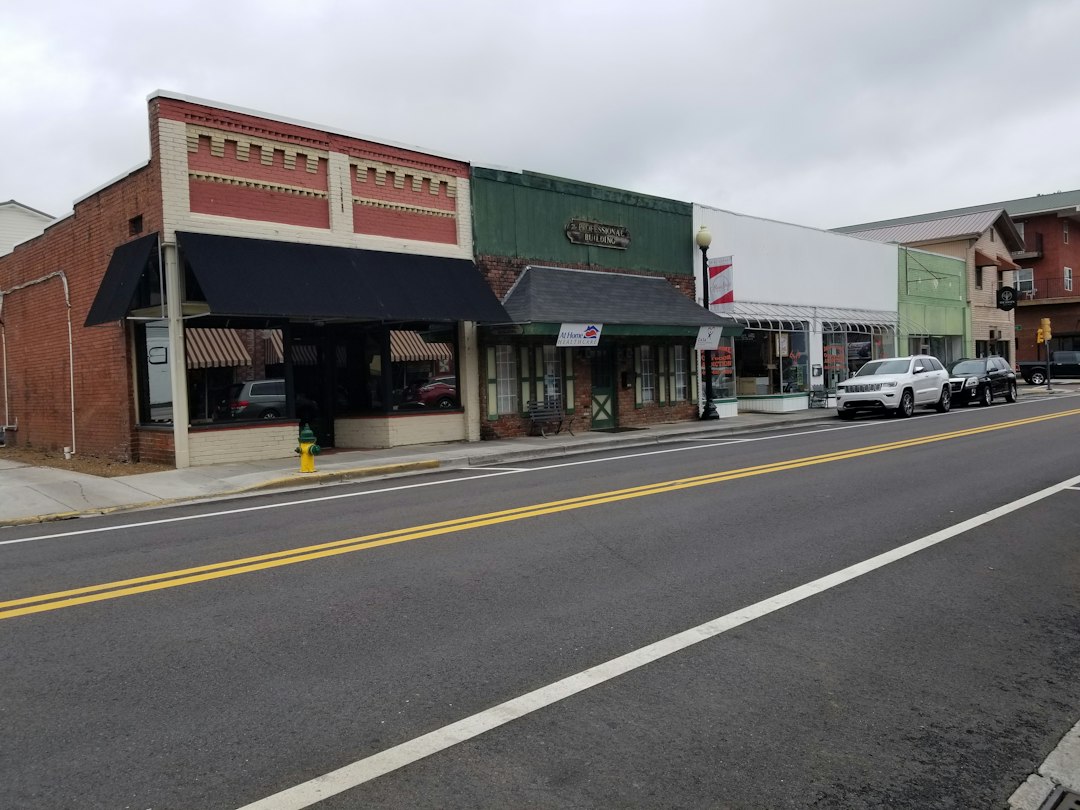
Burns can enter a search when a buyer wants a property that fits a particular route or home style. Do not assume every Burns address has the same travel experience or lot arrangement. Compare the specific house with a Dickson option and drive from both to your recurring destinations at relevant times. A few minutes saved on one trip may be outweighed by a longer route elsewhere.
Look at usable outdoor space, driveway, garage, storage and maintenance. A detached house on a larger lot may be attractive if you will use the space. It can also add equipment, mowing and tree work. If a workshop or additional structure is important, verify the parcel’s restrictions, utilities and approval requirements before treating a possible project as a present feature.
The Burns buyer guide goes deeper on property questions. Keep your comparison at the address level: two homes in the same town can be farther apart in condition and utility than homes across a town boundary.
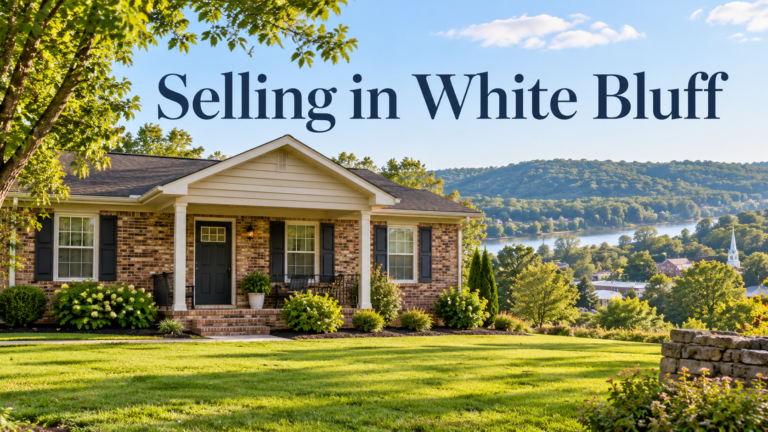
White Bluff: make location and condition concrete
White Bluff offers another direction to test against your needs. Ask which regular trips the location supports, then compare current homes with the same essential layout. A listing price by itself cannot tell you how much work a house requires or whether the lot functions as you expect.
Walk outdoor areas and check driveway access, slope, drainage and the connection to indoor space. Review wastewater and water arrangements for the specific property where applicable. If a room, detached building or parcel is described for a special use, request records and verify feasibility with qualified sources. Avoid assuming that one home’s systems represent the entire community.
The White Bluff buyer guide can help frame further questions. A buyer weighing Dickson and White Bluff should compare actual homes, not a social-media shorthand about which place is “better.” The useful answer is the property that supports the buyer’s schedule and budget.
Charlotte and smaller-town choices
Charlotte may appeal to a buyer seeking a particular small-town property or rural setting, but the house and land still require ordinary diligence. Check access, condition, utilities, wastewater, restrictions and service providers. A less frequent type of listing can require a wider comparable-sales search and more explanation about value.
If a property has acreage, separate the acreage number from useful land. A level open area, steep wooded section and land affected by an easement have different practical uses. Ask what you actually plan to do with it. A garden, barn, workshop and privacy buffer each call for different checks. An advertised “unrestricted” description should be verified against recorded documents and applicable rules.
The Charlotte buyer guide provides more rural-property context. If your work or appointments take you elsewhere regularly, drive the route instead of judging the location from mileage alone. A house can be a strong fit even with more travel, but make that trade consciously.
Rural Dickson County: examine the systems behind the scenery
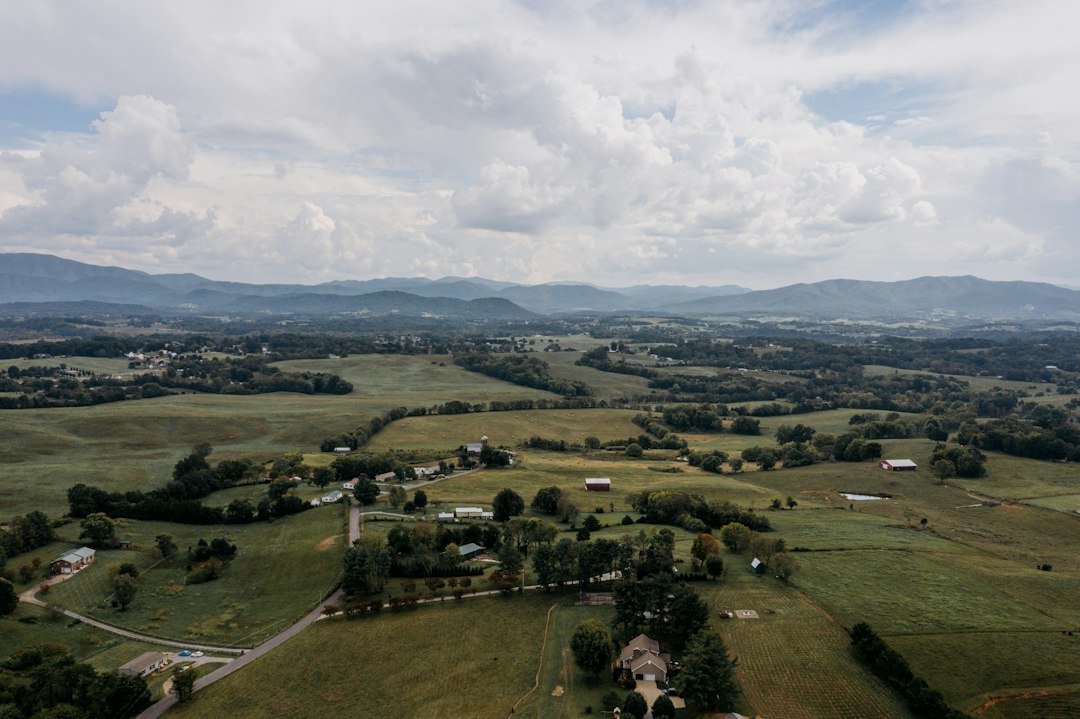
Outside incorporated areas, a buyer may encounter different combinations of well or public water, septic or sewer, private access, outbuildings and land maintenance. Do not infer systems from a road name or nearby home. Verify the actual parcel and request available permits, service records and surveys. Use qualified inspectors for the house and relevant systems.
A private road or long driveway can affect maintenance responsibility and access. A creek, pond or low area invites drainage and insurance questions. A field may be less useful for a proposed structure than it appears on a photograph. Obtain direct answers from the proper authorities and professionals before committing to a use that determines your willingness to buy.
Rural living can provide exactly the outdoor setting someone wants. It can also ask for time and equipment. Compare the acreage’s function with the hours you would spend maintaining it. Great homes make ordinary days better when the land serves a real purpose and its obligations fit your life.
Compare home styles without reducing them to age
An older in-town house may offer room proportions and an established setting you prefer. A newer subdivision house may provide a different layout and systems. A home on acreage may add a workshop or separation from neighbors while increasing site work. An attached or smaller property may simplify parts of maintenance when available. Each category contains good and poor fits.
Examine the roof, exterior, HVAC, plumbing, electrical, foundation spaces and drainage with appropriate professionals. Renovated finishes are not evidence that underlying systems were replaced. New construction should also be inspected and reviewed for included finishes, lot charges, warranty limits and any HOA. A model home can show upgrades beyond the delivered house.
If a garage or basement is essential, measure and inspect it. Two parking spaces on paper may not hold two actual vehicles plus storage. A finished area may have different documentation or utility than above-grade rooms. Describe the required function to your agent so the search does not overvalue a label.
Keep school, service and jurisdiction checks objective
If a school assignment is important, verify it for the exact address with the responsible district. Do the same for utilities, emergency services, zoning or an intended land use. Boundaries and policies can change, and a listing portal may be inaccurate. An agent can help locate official sources while the buyer makes the decision based on their own priorities.
Avoid choosing a community from stereotypes about residents or unsupported claims about safety. Use objective factors: property attributes, distances and routes, governing documents, taxes, services and the buyer’s daily needs. Fair housing principles protect a buyer’s ability to consider every suitable property without being steered by coded descriptions.
Tennessee property taxes are administered through local assessors and governments. Confirm the parcel’s city and county obligations and obtain a realistic estimate. An existing owner’s bill alone may not be the amount a new buyer will pay. Ask an insurance professional for an address-specific quote.
Put current listings in a useful comparison sheet
Select a few homes across two or three locations that meet the same important functions. Record asking price, estimated full payment, year and condition, usable living space, garage, lot, known dues, immediate work and actual routes. Add recent closed comparable sales as context. Keep the dates visible because active inventory and financing quotes change.
Tour in a sequence that reveals differences rather than driving randomly. Compare a Dickson city property with a Burns or White Bluff alternative that genuinely fits. If rural land is a serious goal, add one property that tests its maintenance and access. After touring, write down what each house gave you and what it would ask in travel, money and work.
The CFPB Loan Estimate resource can help keep financing comparisons consistent. Do not let a lower asking price distract from a larger cash-to-close requirement or near-term repair. Likewise, a more expensive home may not be better if its extra rooms are unused and its location complicates the week.
Prepare an offer for the specific property
When you find a fit, examine disclosures, comparable sales and current competition. Ask the lender for the updated payment and cash requirement. Review inspections, appraisal, financing, title, survey and relevant system questions. A rural property or unusual improvement may need specialist evaluation and a contract schedule that permits it.
Compare price with terms: credits, earnest money, contingencies, closing and possession. An offer should be competitive within the evidence and your risk tolerance. Avoid assuming every seller faces the same urgency or that every low-traffic listing is negotiable. Your agent can use actual listing history and communication to help shape a proposal.
If you are also selling, map the timing and proceeds. The Dickson seller guide explains the other side of the transaction. Keep a repair and moving reserve after closing. A house that consumes every available dollar can make its first year harder than necessary.
Frequently Asked Questions
Which Dickson community is cheapest?
No town has one fixed price. Property size, condition, land and current inventory vary. Compare homes meeting the same needs at the same full ownership cost and date.
Is a larger lot always more useful?
Only if its terrain, access, restrictions and maintenance fit your intended use. Walk the site and verify proposed projects before paying for an acreage figure.
Can I rely on a listing’s school assignment?
Verify the exact address with the responsible district. Portal and listing data can be incomplete or change. Make the check before an assignment becomes a condition of your purchase.
Should I prefer new construction over an older home?
Compare the specific homes. New construction has delivered-price, warranty and site questions; older homes require condition and maintenance review. Layout, location and full cost may matter more than age alone.
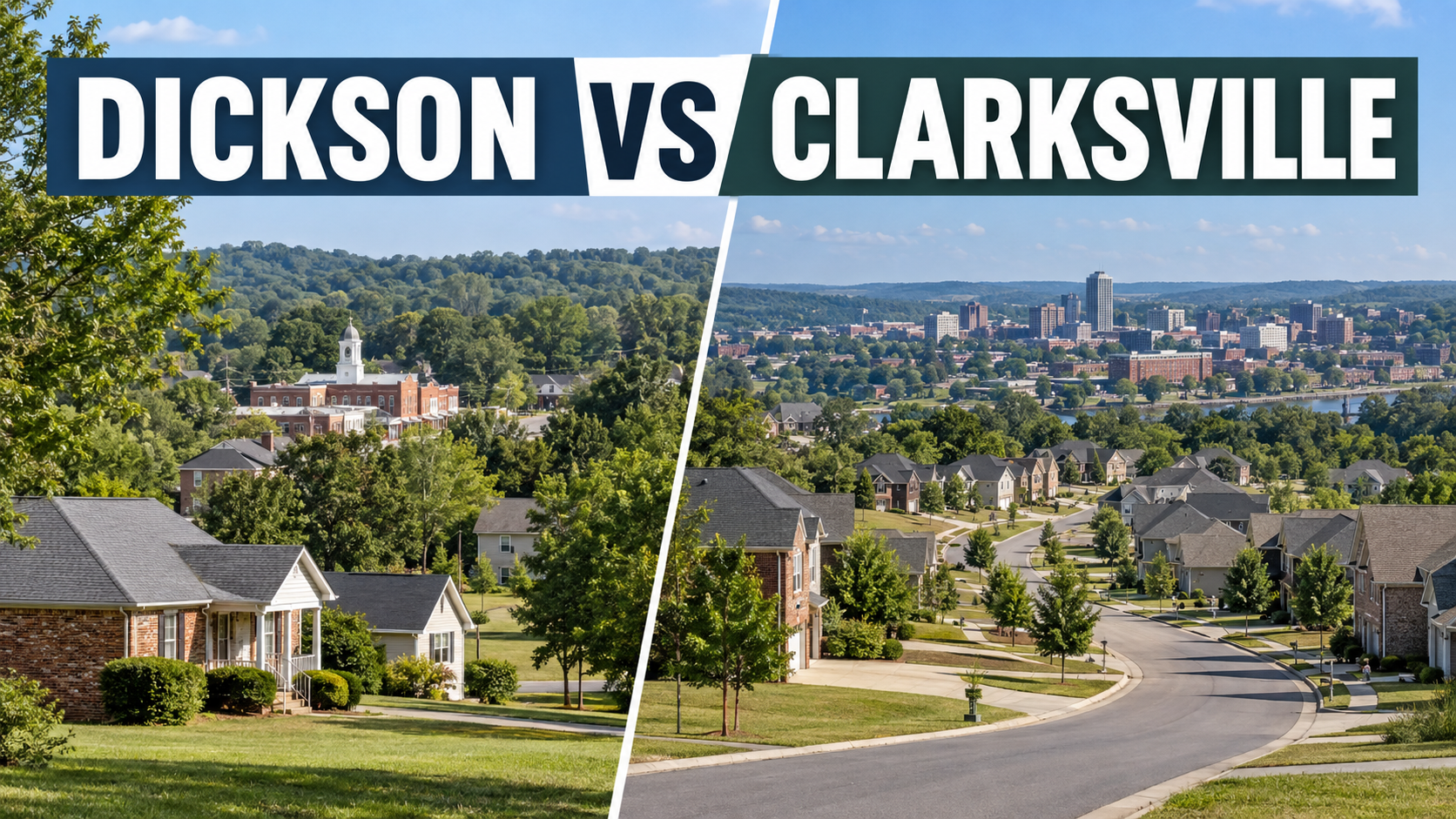
How do I compare Dickson with Burns or White Bluff?
Choose homes with the same essential functions, quote each full payment, drive the recurring routes and inspect condition and lot use. The better fit depends on your routine rather than a general community ranking.
About Harley Pope
Harley Pope is a lifelong Middle Tennessee local and a Realtor with Pope Real Estate Group at The Baker Brokerage. He helps buyers and sellers across Dickson, Burns, White Bluff, Charlotte, Nashville, Maury County and surrounding areas compare property details, land questions and transaction terms. His approach emphasizes an accurate search and practical ownership fit rather than broad claims about a town.
Harley and Victoria Pope can help you build a Dickson County shortlist around current homes, your comfortable payment and the routes you actually travel. Contact Pope Real Estate Group with your priorities and timeline.