Dickson vs. Clarksville: Which Area Gives Buyers More for Their Budget?
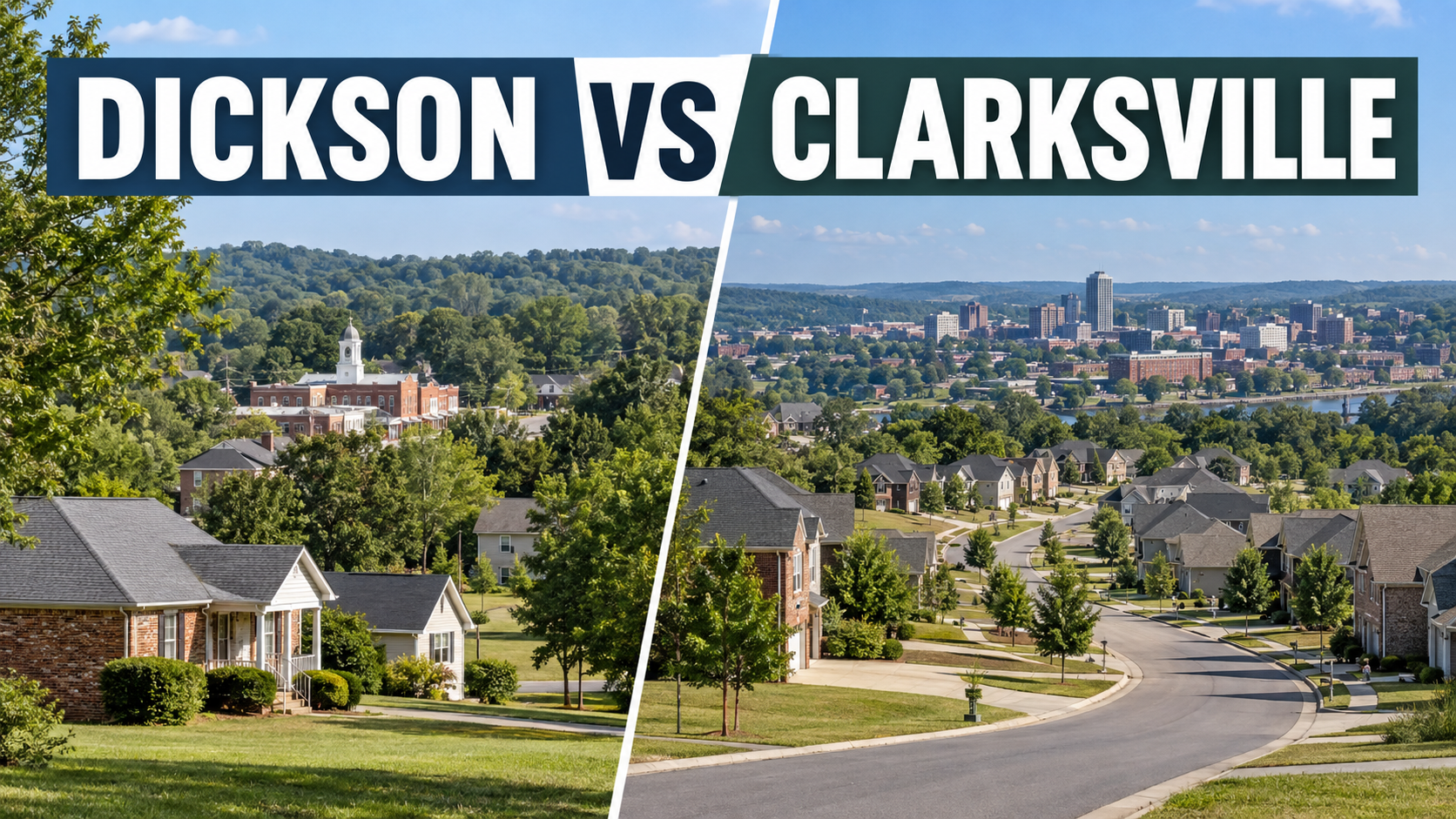
Dickson vs Clarksville is not simply a choice between two lower-priced alternatives to Nashville. Dickson offers a smaller west-of-Nashville center with direct Interstate 40 access and a stronger path toward rural property. Clarksville is a much larger independent city shaped by Fort Campbell, Austin Peay State University, Interstate 24, and its own employment and service base. The better value depends on the life the buyer needs.
Last updated: September 15, 2026. This comparison uses broad public information and local geographic context, not a live MLS search. Prices, inventory, commute conditions, taxes, school assignments, insurance, and development can change by address.
I am Harley Pope, a lifelong Middle Tennessee local and Realtor with Pope Real Estate Group at The Baker Brokerage. I work across Dickson County, Clarksville, Nashville, and surrounding communities, helping buyers compare what a house gives them with what its location asks from them every week.
The short version: these communities solve different problems
Dickson is often the more natural search for a buyer tied to west Nashville, Interstate 40, a smaller-town pace, or acreage in Dickson County. Clarksville is usually the more logical search for someone connected to Fort Campbell, Austin Peay, the Clarksville employment base, or the larger selection of city services and suburban development.
A buyer whose only question is “Where can I get more house?” may miss the real distinction. Clarksville can offer a broad inventory of subdivisions, military-related resales, established neighborhoods, and new construction. Dickson may offer fewer choices at one time, but it opens a wider conversation about land, outbuildings, privacy, and smaller communities such as Burns, Charlotte, and White Bluff.
| Decision factor | Dickson | Clarksville |
|---|---|---|
| Regional role | Smaller city serving Dickson County and the west-of-Nashville corridor | Large regional city with a substantial employment, military, university, retail, and service base |
| Primary Nashville route | Interstate 40 and Highway 70 toward west Nashville | Interstate 24 southeast toward Nashville |
| Housing search | In-town homes, established subdivisions, rural homes, and acreage across the county | Wide suburban inventory, newer communities, established neighborhoods, townhomes, and military-influenced resale activity |
| Daily convenience | Core local needs are available, with some specialized trips pointing toward Nashville | More services, employers, shopping, health care, entertainment, and local destinations within the city |
| Land | Rural and acreage options are a central part of the surrounding market | Land exists, but much of the buyer search centers on city and suburban housing |
Start with the destination that pays the bills
For a Fort Campbell household, Clarksville is usually the geographic starting point. The installation’s gates, shift times, school or child-care routines, and the possibility of a future move all affect the correct side of the city. A house across Clarksville can create a much longer trip than the city name suggests.
For someone working in west Nashville, Bellevue, or along Interstate 40, Dickson may create the cleaner regional connection. That does not make every Dickson address an easy Nashville commute. A rural home can add fifteen or twenty local-road minutes before the interstate begins, and downtown or east-side Nashville jobs require additional travel across the city.
A fully remote worker should not ignore geography. Airport trips, medical specialists, clients, relatives, entertainment, and a spouse’s work still create direction. Clarksville’s larger local economy may reduce the need to go to Nashville for ordinary services. Dickson’s advantage may be that the buyer wants fewer city errands and more property.
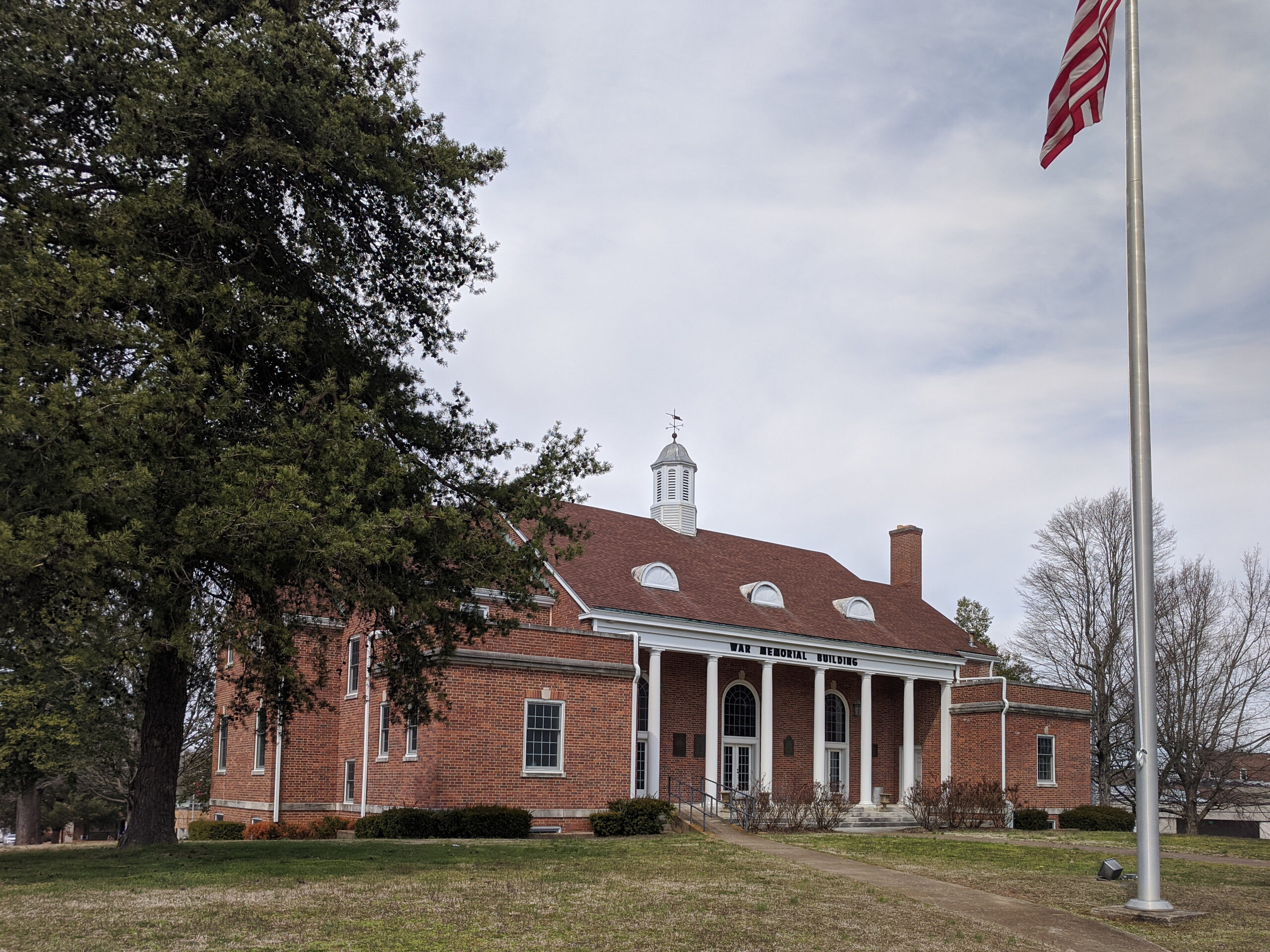
Dickson’s value is often tied to setting
A Dickson-area buyer may be choosing among an in-town home near local services, a subdivision in Dickson or Burns, a rural property toward Charlotte or the county edges, or a parcel with meaningful land. Those options should not be compared by price per square foot alone. Septic, well or utility-district water, internet, road access, driveway length, outbuildings, fencing, and usable acreage can matter as much as the house.
In-town Dickson can reduce the ownership burden while preserving access to the county. A buyer who wants grocery stores, restaurants, schools, medical care, and Interstate 40 nearby may not benefit from moving twenty minutes deeper into the country. The rural option earns its distance when the land supports animals, hobbies, privacy, recreation, or another clear purpose.
Inventory can also be thinner for a very specific Dickson search. A buyer requiring a certain acreage, one-level layout, updated condition, and short interstate drive may have few true choices. Patience and strong preparation matter more than assuming every rural listing is interchangeable.
Clarksville’s value is often tied to scale and selection
Clarksville is one of Tennessee’s largest cities and operates as its own regional center. Fort Campbell and Austin Peay State University are major anchors, but the city also supports health care, manufacturing, logistics, retail, local government, and service employment. Buyers can build a life that is not oriented around frequent Nashville trips.
The scale produces more housing variety. A search may include older neighborhoods near the core, postwar homes, large suburban subdivisions, townhomes, and active new construction. That breadth can improve choice, but it also requires location discipline. Traffic patterns, school zones, distance to Fort Campbell gates, future development, and resale competition vary across the city.
Military-connected ownership deserves a practical timeline. A buyer expecting a permanent-change-of-station move should consider likely holding period, potential rental questions, resale condition, and how many similar homes may compete later. No property guarantees an outcome, but the exit plan belongs in the purchase conversation.
What “more for the budget” actually means
Value can mean square footage, a newer house, a lower monthly payment, a larger lot, shorter travel, better condition, or fewer immediate repairs. Dickson and Clarksville may win different versions of that contest. Clarksville’s larger housing supply can create more choices in conventional subdivisions. Dickson County may open opportunities for land or a less urban setting.
Do not compare a new Clarksville subdivision home with a rural Dickson property as if they are substitute products. The new home may offer predictable systems, warranty coverage, and neighborhood amenities, while the rural home may provide privacy and flexibility along with septic, outbuildings, longer drives, and more maintenance.
Use the Middle Tennessee market guide for regional context, then compare current sales and active competition for the exact property type. Public metro medians are not precise enough to price an individual decision.
Commute risk is different in each direction
Dickson-to-Nashville travel generally follows Interstate 40 from the west. The exact destination matters: Bellevue or west Nashville is a different commitment from downtown, the airport, or an east-side job. Construction, incidents, school traffic, and the local drive to the interstate can change the routine.
Clarksville-to-Nashville travel relies heavily on Interstate 24, a corridor known for heavy commuter demand. A buyer should not treat Clarksville as a conventional bedroom suburb when daily Nashville travel is required. Test the route on the actual schedule and decide whether the city’s housing value compensates for the time.
Clarksville Transit System provides local public transportation within Clarksville, but most home buyers in both markets should still expect a car-centered routine. Neither city offers a simple transit replacement for a daily Nashville commute.
Property condition requires different emphasis
In Dickson County, land and utility due diligence often lead. Verify the boundary, survey, restrictions, septic documentation, water source, internet service, road maintenance, flood information, soil and drainage, and the location of usable land. An outbuilding should be evaluated for condition, power, access, and permitted use.
In Clarksville, the questions may focus more often on subdivision drainage, builder history, homeowners-association obligations, lot placement, future phases, roof and HVAC age, and competition from nearby new construction. Older Clarksville homes require the same careful systems inspection as any other property.
Both areas experience heavy rain, storms, heat, and occasional winter weather. Inspect gutters, grading, crawlspace moisture, roofs, trees, and storm-water movement. A lower purchase price is not a bargain if the property has an expensive water-management problem.
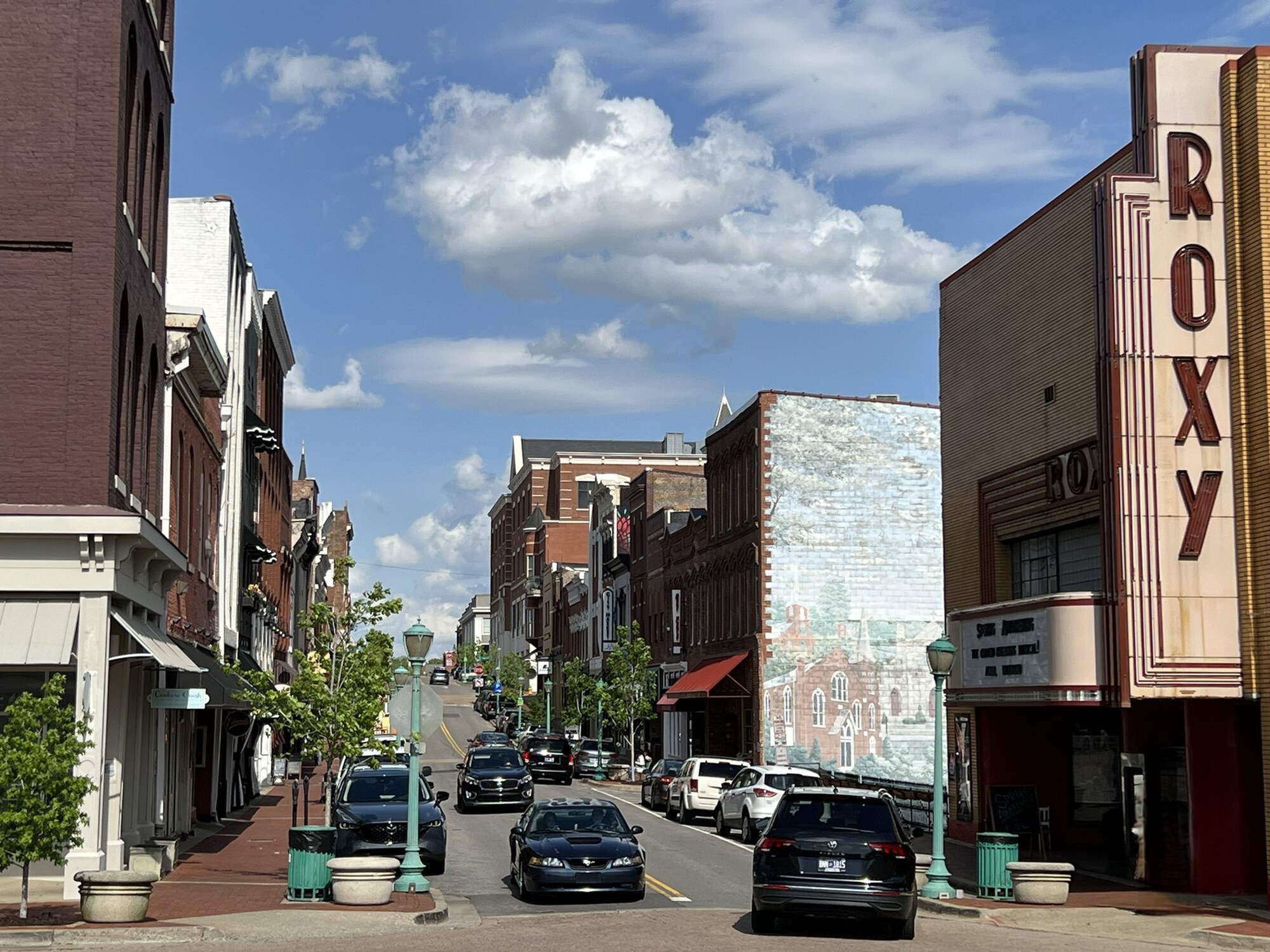
Daily life is the deciding category
Clarksville provides a larger menu of local destinations and a stronger independent-city experience. That can matter to a household that wants work, university activity, health care, shopping, and entertainment closer to home. The trade is more city traffic, faster growth, and less of the small-town or country feel some buyers expect when leaving Nashville.
Dickson provides the center of a smaller county, with access to local services and a quicker transition into rural settings. That can suit someone who values land, privacy, and a smaller community. The trade may be fewer specialized services and more frequent Nashville trips for certain jobs or activities.
Review the county and community options through the areas directory. A mailing address alone is not enough. Compare the exact home’s route, utilities, municipal limits, school assignment, and relationship to the part of each city you will use.
Use a two-part Tuesday Test
First, imagine the workday. Leave the candidate home at the real time, drive the real route, and return when you normally would. Include a stop you make every week. That reveals whether the commute is a manageable choice or a recurring tax on your time.
Second, imagine the weekend that is not special. Would you use Clarksville’s local services and larger-city options, or would you rather spend that time on a Dickson County property? Which house creates chores you enjoy, and which creates chores that will become resentment? A home should enable the life you want, not win on a spreadsheet while losing the week.
Which buyer fits each area?
Dickson may fit when:
- Work or family is oriented toward west Nashville or Interstate 40.
- Land, privacy, an outbuilding, or a smaller-town setting is a major goal.
- The buyer accepts a thinner inventory for a specific property type.
- Some trips to Nashville are acceptable in exchange for the property.
Clarksville may fit when:
- Fort Campbell, Austin Peay, or the Clarksville employment base is central.
- A broader selection of subdivisions, new construction, and city services matters.
- The household wants a self-contained regional city rather than a Nashville satellite.
- The buyer has tested any required Interstate 24 commute and accepts it.
Frequently asked questions
Is Dickson closer to Nashville than Clarksville?
It depends on the exact addresses and Nashville destination. Dickson has a more direct relationship to west Nashville through Interstate 40, while Clarksville connects by Interstate 24. Test the complete route at the correct time.
Which city has more new construction?
Clarksville generally presents a larger and more visible new-construction market because of its size and growth. Dickson County also has new homes, but inventory and community scale differ. Compare location, lot, builder terms, and competing resale options.
Where is acreage easier to include in the search?
Acreage is central to more Dickson County searches, although land exists around Clarksville too. The useful question is whether the acreage is usable and supports the buyer’s purpose.
Is Clarksville only for military buyers?
No. Fort Campbell strongly influences the market, but Clarksville also has university, health-care, manufacturing, logistics, government, retail, and other employment. The city functions as a regional center.
Can I commute from either city to Nashville?
Yes, but “possible” is not the same as desirable. Test the exact route, schedule, fuel use, vehicle needs, and the value of the time before buying.
Which has the lower taxes?
Tax obligations depend on the address, assessed value, municipal limits, and current rates. Request an address-specific estimate rather than assuming the city or county name answers the question.
About Harley Pope
Harley Pope is a lifelong Middle Tennessee local and Realtor with Pope Real Estate Group at The Baker Brokerage. He helps buyers compare Dickson County, Clarksville, Nashville, and surrounding communities through commute patterns, property condition, utilities, land, and the ordinary routines a location creates. His goal is a clear decision, not a blanket claim that one city is better.
Before deciding, compare the Clarksville community guide with the Dickson community guide for local search areas, property questions, official resources, and live-listing starting points.
Dickson vs Clarksville: compare your real priorities
Contact Harley and Victoria with your work location, budget, property type, land needs, and weekly destinations. We can build a current side-by-side search and identify the homes that are genuinely comparable. Relocating from outside the region? Start with the Middle Tennessee relocation guide.