White Bluff Neighborhoods and Rural Areas: Comparing Homes, Lots and Convenience

White Bluff neighborhoods are best compared by the kind of property and daily routine they offer: a home near town, a subdivision lot, or a rural place with more land. Start with usable outdoor space, the route to work, utilities, and the home’s condition. A White Bluff mailing address alone doesn’t tell you how those pieces fit together.
Last updated: October 9, 2026
I’m Harley Pope, a lifelong Middle Tennessee local and Realtor with Pope Real Estate Group at The Baker Brokerage. This guide looks at White Bluff and the surrounding Dickson County search area. It is a way to compare locations and housing choices, rather than a list of subdivision rankings or a claim about today’s available inventory.
Start with three different versions of White Bluff
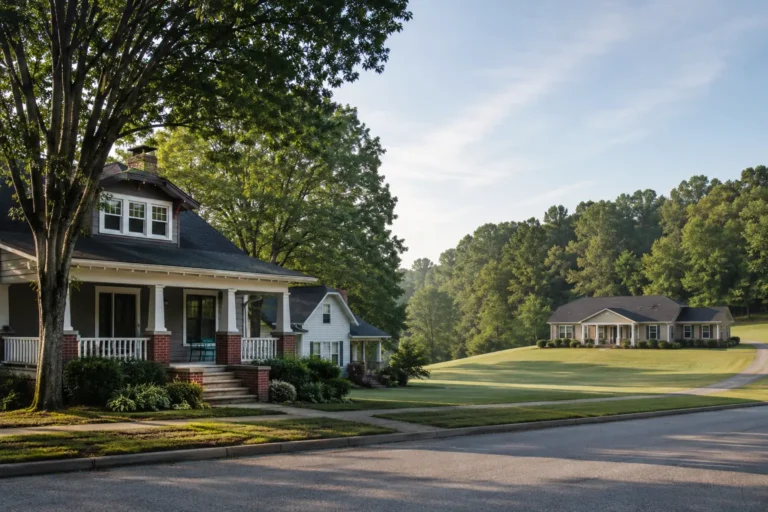
Your first decision is whether you want proximity to town, a more defined neighborhood setting, or land that changes how you use the property. Those are different purchases, even when the homes have similar bedrooms and square footage.
A house near the town center may make local errands easier to combine. A subdivision may offer a more predictable pattern of lots and neighboring homes. A rural property may give you room for a garden, equipment, or more separation between buildings. Each still needs an individual review. An in-town lot can be unusually deep, while a rural parcel can have very little level ground around the house.
Use the White Bluff community guide for the broader location picture. Then draw a smaller search around the destinations you actually use. That is more productive than treating every property with the same ZIP code as interchangeable.
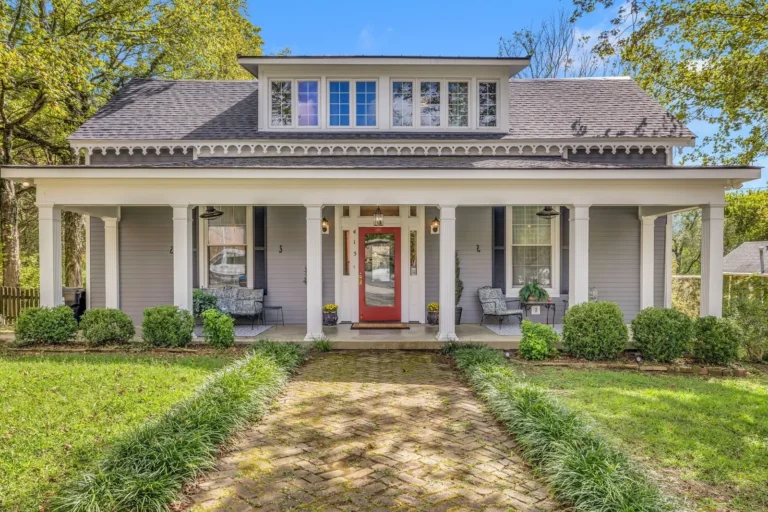
White Bluff neighborhoods near town: measure the convenience
Convenience is a route you can explain, not simply a shorter distance on a map. For homes near White Bluff’s local services, drive from the driveway to your regular stops and back again.
Pay attention to the turn leaving the property, visibility at that turn, road noise in the yard, and whether the route requires doubling back. A home can look close to everything online yet make a particular errand awkward. Another property slightly farther away may fit your normal direction of travel better.
Walking access deserves the same care. A nearby destination does not establish a continuous sidewalk, a comfortable crossing, or a route you would use after dark or in the rain. Walk the actual connection if that feature matters to your decision. Also visit at the time you expect to be home, rather than judging the street entirely during a quiet midday showing.
If your priorities extend beyond location, our White Bluff homebuying guide explains the larger purchase process. This neighborhood comparison should help you decide where that process begins.
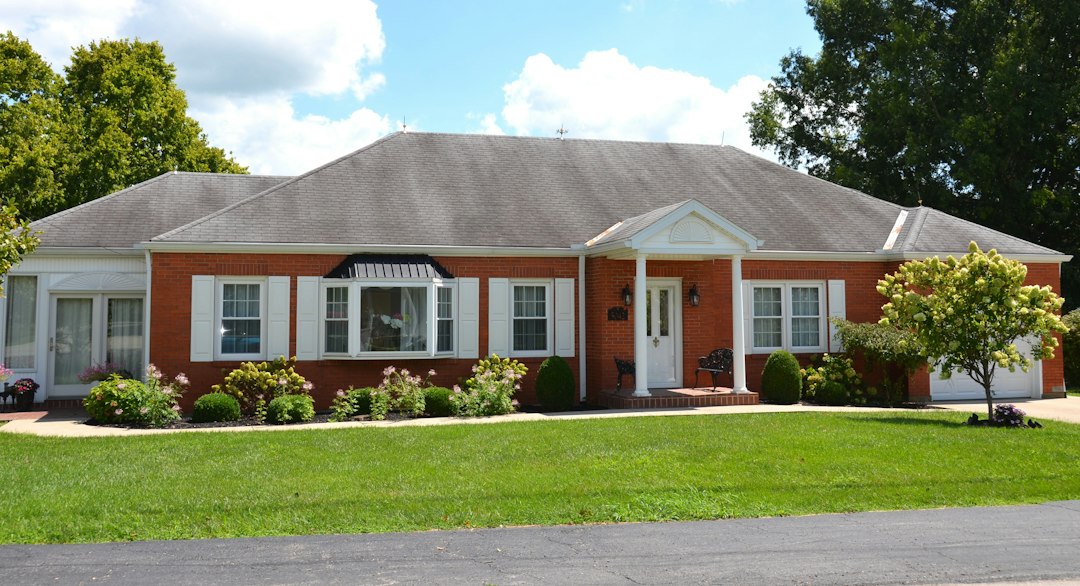
Use Highway 70 and the park destinations to orient your search
White Bluff sits along Highway 70 between Dickson and Nashville, as the town’s community overview explains. That makes the direction of your regular travel an especially useful filter. Compare a home that puts you closer to the route you use with one that requires crossing or retracing the corridor for ordinary errands.
The town parks department identifies public recreation options along Highway 70 and at the community center. If those places matter to your routine, test the actual entrance, parking, and walking connection. Do not confuse a proposed sidewalk or greenway in an older planning document with an existing route you can use today.
Subdivision homes: compare the lot and the documents
A subdivision name is a useful starting point, but the lot and recorded documents tell you more about what you are buying. Review a specific home’s position within the development before deciding that the whole neighborhood fits.
An entrance lot, an interior lot, and a home at the edge of a subdivision can have very different traffic exposure, views, and yard shapes. Look behind the fence. A wooded strip may be another private parcel rather than protected common space. An empty lot may be planned for a home. Ask for the plat and verify ownership and proposed use instead of assigning permanent value to an open view.
Read any applicable restrictions, association documents, fees, and maintenance obligations. If a detached garage, fence, recreational vehicle, or particular exterior project is important, make that question specific. An agent’s description of a neighborhood as relaxed is not a substitute for the documents governing the property.
The Town of White Bluff Codes Department publishes zoning and subdivision resources. Use those records to frame questions for the appropriate office. Confirm whether the parcel is actually within town jurisdiction before assuming those rules apply.
Rural lots: count the land you can realistically use
Usable land often matters more than the acreage total. Decide what you want the land to do, then examine whether the parcel can support that use.
For a garden, look at sunlight, access to water, slope, and the distance from the house. For equipment storage, consider driveway width, turning space, and whether an outbuilding is permitted. For more privacy, look at the relationship between the homes and the areas you would actually occupy. Extra acreage beyond a steep wooded slope may provide a buffer without providing practical work space.
Walk the property with permission, review a survey when available, and have boundary questions resolved professionally. A worn path or a fence is not conclusive evidence of a legal boundary or access right. Include the driveway, drainage paths, and any easements in that review.
Our Dickson County land and acreage questions are useful when the land is a major reason for the purchase. A rural home combines two decisions: whether the house works and whether the parcel does what you need.

Utilities can change the comparison between two similar homes
Confirm the services at the exact address before treating two White Bluff properties as equivalent. Water, wastewater, internet, and driveway maintenance can affect both your budget and your routine.
Ask whether the home uses sewer or septic, and request the applicable records. Tennessee’s septic permit search is a starting point for available documentation. A missing online result should lead to a records request, not an assumption that the property has no system or no approvals.
If an addition or extra bedroom is part of your plan, discuss the existing system and proposed use with the appropriate professionals. The number of rooms advertised in a listing should not be your only evidence about permitted wastewater capacity. An inspection evaluates present condition; it does not replace the approval process for a future change.
For internet, confirm the service provider, product, installation availability, and realistic connection at that address. Test your phone indoors. Remote work makes a weak connection a daily ownership problem, even if the yard and floor plan are otherwise ideal.
Read the floor plan before paying for extra square footage
A smaller house that works well can be a better purchase for you than a larger one that requires an expensive rearrangement. Compare how the rooms function during the hours you are home.
In an established home, check where the laundry sits, how the kitchen connects to the living area, whether bedrooms offer the separation you need, and where a desk would go. Measure the rooms rather than judging them by furniture placement in photographs. A bonus room may be useful for occasional activities but less practical as an everyday office if sound carries through the house.
With a newer home, look beyond finishes to storage, mechanical access, drainage, and the outdoor area after construction. Clarify what is included in the price, what remains unfinished, and what warranties actually cover. An attractive new kitchen does not answer questions about the slope of the backyard or the cost of adding a fence.
For either age group, separate immediate repairs, improvements you prefer, and larger replacements that may arrive later. That makes the comparison more honest than calling one home move-in ready without defining what that means to you.
Build a price comparison around actual alternatives
The right price question is what comparable properties offer for the money, including condition and ownership costs. This guide does not quote a town-wide price range as though it represented every White Bluff home.
For a specific search, begin with current competing listings and recent comparable sales. Match usable living area, property type, location, lot utility, and condition as closely as the available evidence allows. If there are few close matches, widen one factor at a time and explain the differences.
A detached workshop, renovated kitchen, or larger tract may matter, but its value is not automatically equal to what the seller spent. Similarly, a low price per square foot can reflect a less useful layout, unfinished work, or a location tradeoff. Use those figures as clues, then inspect the explanation behind them.
Add the monthly payment estimate, insurance quote, verified taxes, any association charges, and your first-year work budget. The White Bluff buyer and seller questions provide another place to work through common purchase uncertainties.
Compare nearby choices for a specific reason
Expand the search when another community solves a problem in your current options. You do not need to tour every nearby town just because it appears on a map.
If your daily destinations point toward Dickson, compare how a Dickson address changes errands and the workday. If the house and lot style you want appears around Burns, test that route with the same schedule. The Burns and White Bluff comparison can help organize those tradeoffs.
Keep Dickson County’s wider housing options in view if land is the main objective. But do not trade away a workable commute solely to increase acreage. More space is useful when you can afford, maintain, and enjoy it.
The Tuesday Test: try the routine before you choose
Use a normal weekday to test the two or three locations you like most. Start with the trip that would be hardest to change after closing.
Drive the work route at the time you would leave. Return during your likely afternoon window, add your grocery or pickup stop, and notice where the trip becomes inconvenient. TDOT SmartWay can add current traffic context, but one map estimate or one test drive is not a guarantee of future travel time.
Back at the property, imagine unloading groceries, parking another vehicle, taking trash out, and spending an hour outdoors. Evaluate ordinary use, including wet weather and winter darkness. Great homes make ordinary days better, and those small tasks often reveal more than an extra decorative feature.
Before writing an offer, reduce the decision to a short list: what is verified, what still needs investigation, and what would make you reconsider. Then discuss the offer’s price, timing, financing, and protections in relation to that particular property. A clear comparison gives you a reason to act without pretending every uncertainty is gone.
Frequently Asked Questions
Does a White Bluff mailing address mean the home is inside town limits?
No. A postal address is not enough to establish municipal jurisdiction. Confirm the parcel’s location and the authority responsible for zoning, permits, services, and applicable taxes. That distinction is especially useful when comparing an in-town home with a rural property nearby.
Should I rule out a sloped lot?
Not automatically. A slope may be compatible with the way you want to use the property. Evaluate the areas around the house, driveway, drainage, maintenance access, and any future project. The question is whether the usable portions fit your plans and budget.
Can I assume a home without an HOA has no restrictions?
No. Recorded restrictions, easements, and government rules may still apply. Request the relevant documents and verify the specific use you care about, especially an outbuilding, additional dwelling, business activity, or equipment storage. An absence of association dues answers only one question.
How many White Bluff homes should I compare before offering?
There is no useful fixed number. Compare enough current alternatives and relevant sales to understand the property’s tradeoffs. When inventory is limited, a careful review of fewer genuinely comparable properties is more valuable than a large group with little in common.
What should I send before a White Bluff home search?
Send your comfortable price or payment range, work destinations, schedule, preferred home layout, and what you want from the lot. Add any firm needs such as internet, a workshop, or a move date. Those details help narrow the location before touring.
About Harley Pope
Harley Pope is a Middle Tennessee Realtor with Pope Real Estate Group at The Baker Brokerage and a lifelong local. He helps buyers and sellers evaluate homes in Dickson County, Nashville, Maury County, and surrounding Middle Tennessee communities. His approach connects property condition, pricing, location, and everyday use so clients can make a decision with a clear understanding of the tradeoffs.
Ready to compare White Bluff homes around your routine? Contact Harley and Victoria Pope with Pope Real Estate Group at The Baker Brokerage. Share your budget, daily destinations, and the kind of outdoor space you want, and we can build a focused comparison.