25 Real Estate Questions Answered: Columbia and Maury County Buyer and Seller Guide

Columbia and Maury County real estate questions should start with the particular address, not a countywide average. A historic home in Columbia, a newer house in Spring Hill and a rural parcel can differ in systems, taxes, travel and comparable sales. These 25 answers help buyers and sellers identify the evidence that actually changes a decision.
Last updated: September 24, 2026. Inventory, financing, tax rates and property details can change. Confirm material facts for the individual parcel.
Local perspective: Harley Pope is a Middle Tennessee Realtor with Pope Real Estate Group at The Baker Brokerage. Harley and Victoria Pope help clients compare real alternatives in Maury County, Nashville, Dickson County and surrounding areas.
Columbia and Maury County real estate questions for buyers
1. Should I search Columbia or all of Maury County?
Start with the daily destinations and the type of house you want, then draw a search map. Columbia offers different settings within and beyond city limits; Maury County also includes parts of Spring Hill, Mount Pleasant, Culleoka and rural areas. A postal city alone does not establish jurisdiction, services or travel time. Tour comparable homes on more than one route before deciding that a boundary is essential. The Maury County area guide provides a broad map, while the Columbia guide and Columbia home-buying guide help with city-specific property questions.
2. How do Columbia and Spring Hill compare?
Compare specific homes and routines. A newer development, an established Columbia street and a rural property may serve different priorities even at the same price. Inspect lot, floor plan, HOA terms, condition and how each address connects to work and errands. Spring Hill crosses county lines, so verify the parcel's county and city before estimating taxes or describing services. Drive the route at the hours that matter to you. The Spring Hill area guide and Spring Hill buyer guide are useful next steps, but neither city label substitutes for an address-level review.
3. What should I examine in an older Columbia home?
Ask about roof, foundation, moisture, electrical system, plumbing, HVAC, windows, drainage and prior additions. Distinctive architecture and established settings can be appealing, but the maintenance budget deserves equal attention. Review permits where available and clarify whether a finished attic, basement or detached structure is included in reported living area. If a property is in a district with design or renovation rules, verify those rules with the responsible office before assuming you can change the exterior. An inspection identifies visible concerns; specialists may be needed for the systems that matter most.
4. What is different about buying new construction?
Compare the finished specification, not the base-price advertisement or model-home photograph. Ask what is included in the price, the timing and conditions of incentives, the status of roads and nearby phases, warranty coverage, HOA rules and likely taxes after completion. Review the contract with the appropriate professionals, including construction deadlines and change-order terms. An independent inspection can be valuable even for a new house. Check the lot's drainage and the quality of work at the actual property. A builder's schedule is a plan, not a guarantee about move-in day.
5. How do I check county and municipal taxes?
Use the parcel number to confirm whether the property sits within a city and which county assesses it. Tennessee generally assesses residential property at 25% of appraised value before applying the relevant rate, as the state comptroller explains. That does not fix the future bill for a new owner. Review the official record and current rates and ask for a property-specific estimate. A tax amount shown on a listing may reflect a previous assessment or a recently completed new home that has not yet been fully assessed.
6. Can I assume public water and sewer?
No. Verify providers and service at the exact address. Rural homes may use private systems, and even within a developed area the details of a connection matter. Ask for utility bills, septic permit or inspection records where applicable and information about wells or shared systems. If you plan an addition, pool, accessory structure or a change of use, confirm capacity and permits before relying on the idea. The availability of a line nearby is not a promise of connection. Your inspection plan should match the property's systems rather than treat every house as identical.

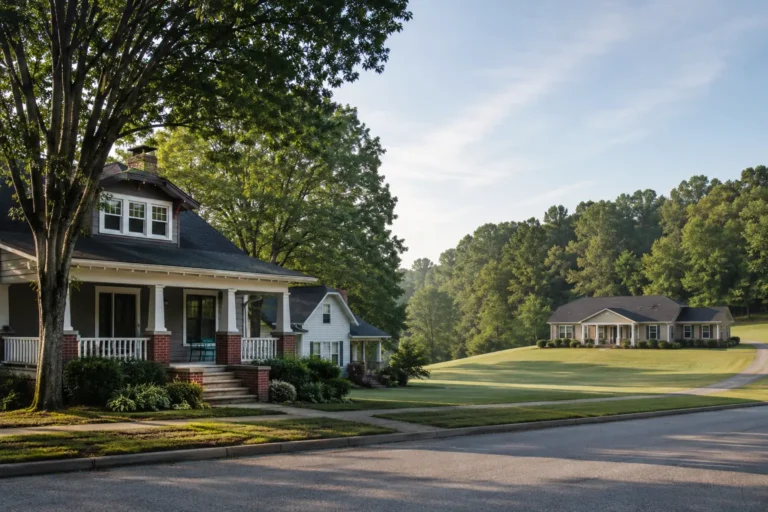
Photo: Brandon Jean / Unsplash. Illustrative street scene; location not identified.
7. What should I know about an acreage listing?
Separate total acres from usable acres for your purpose. Examine access, slope, drainage, wooded areas, easements, restrictions and utility service. Request a survey and discuss whether a current one is necessary. If you intend to build, subdivide, keep animals or add an outbuilding, ask the relevant county and utility offices about that specific plan. Do not infer legal boundaries from an aerial photo or assume a beautiful field has a suitable homesite. A property with land may be exactly right, but its maintenance and improvement costs belong in the budget.
8. How can I assess my route to Nashville?
Use the home's driveway and your real destination, then test normal departure and return times. An online estimate taken at midday can miss a routine bottleneck. Include the stops you make on a workday and compare a second route if one is plausible. The Tuesday Test asks whether the home still suits you when it is raining and you are late. A buyer who works in Maury County may weigh distance to Nashville differently from a daily commuter. An extra room or larger lot is valuable only if the rest of the week still works.
9. How do I compare Columbia with Mount Pleasant or Culleoka?
Use current homes with similar size, condition and features. Mount Pleasant and Culleoka may present different property types and route patterns, but availability changes. Compare the drive, utilities, maintenance, lot use and realistic service access. A larger tract farther from your recurring destinations can be a smart trade if you will use it; it can also create costs that a listing price hides. Ask an agent to lay out the actual options available now rather than make broad claims about which community is “better.”
10. What is my true purchase budget?
Set a comfortable payment and a cash-reserve goal before treating preapproval as a spending target. Have a lender model price, down payment, interest rate, taxes, insurance, HOA dues and mortgage insurance if applicable. Add appraisal, inspections, moving, utility setup and first-year repairs to the cash plan. Get a real insurance quote for a serious candidate. A seemingly lower-priced older home could require early system work; a new home may require window coverings, landscaping or a fence. The total first-year picture can reverse an easy comparison based only on list price.
11. How should I interpret a price per square foot?
Use it to notice possible outliers, not to value a house mechanically. Two properties with the same reported area may differ in room utility, finishes, land, parking, basement, age and location. Check how living area is reported and whether additions are permitted. Compare closed sales of homes a buyer would realistically consider, then discuss the differences. Countywide averages blend unrelated property types and can mislead in a mixed market. A thoughtful comparable set often explains more than a precise-looking price-per-foot calculation.
12. What matters in an offer besides price?
Financing strength, earnest money, appraisal, inspections, concessions, closing date and possession can all affect a seller's choice. Review the home's competition before deciding whether to ask for repairs or credits, but do not waive meaningful protections simply to appear strong. If a sale of your current home funds the move, understand the effect of that contingency. Have the lender and agent align on deadlines you can meet. A good offer is one that protects your priorities and has a credible path to closing, not just one with an impressive number.
13. Should I rely on the listing for school assignment?
If assignment affects your decision, ask the school system to verify the exact address for the relevant enrollment year. Do not assume that an adjacent home, postal city or online map has the same answer. Evaluate school information using your own criteria and official sources. Keep the assignment question distinct from county and municipal boundary questions. An agent can help identify where to ask, while the responsible office confirms the current assignment. Build any needed verification into your decision timing.
Columbia and Maury County real estate questions for sellers
14. How should I set my asking price?
Start with comparable closed sales, then examine the active and pending alternatives a buyer can choose. Adjust for lot, condition, layout, location and amenities with an explanation rather than a blanket percentage. If the home has few close matches, expand geography or sale date carefully and show the limits of the evidence. Decide whether your timing supports a measured test or requires a sharper position. A high initial number can reduce tours when better-presented options sit nearby. A low number should also have a strategy, not a hope that bidding will automatically follow.
15. Which properties are my direct competition?
Look at the buyer's actual search, not just the street or ZIP code. A Columbia house might compete with another established home, a newer property farther south or a different lot size at the same payment. Compare condition and the features that matter to a likely buyer. Include relevant new construction and owner-listed homes when they are visible alternatives. Do not blend every Maury County sale into one market. A seller should know where the home ranks for price and presentation among a manageable set of substitutes.
16. Should I renovate before listing?
First address active defects and issues likely to interfere with financing, safety or an inspection. Price the work and consider how long it will delay launch. Cleaning, maintenance, paint where needed and strong photography may produce a better return on time than a full kitchen remodel. Some buyers prefer to renovate to their own taste. If a costly project has uncertain payback, compare selling with a documented condition and appropriate price. A preparation plan should serve your timeline and net, not just make photographs more dramatic.
17. How do I describe an older or historic-looking property?
Describe verifiable features and avoid claiming official historic status unless records support it. Show craftsmanship, layout and documented improvements accurately. Disclose known material defects as required, and be precise about renovated systems versus cosmetic changes. A charming image should not conceal a known water problem. If exterior changes are regulated, direct buyers to the governing office and documents. An interested buyer will appreciate a clear record of work, permits and maintenance. Credibility can be more valuable than an exaggerated adjective in a listing description.
18. What should I say about land or outbuildings?
Show access, usable setting and actual structures, then back claims with records. Verify acreage, boundaries, easements, utilities and any permits. Do not describe a detached building as an approved dwelling or business space unless that use is confirmed. Photos can illustrate the property but should not substitute for a survey. If special equipment, animals or a future build are possible only with approvals, say what is known and let the buyer verify the intended use. Useful documentation can reduce uncertainty without promising rights you cannot guarantee.
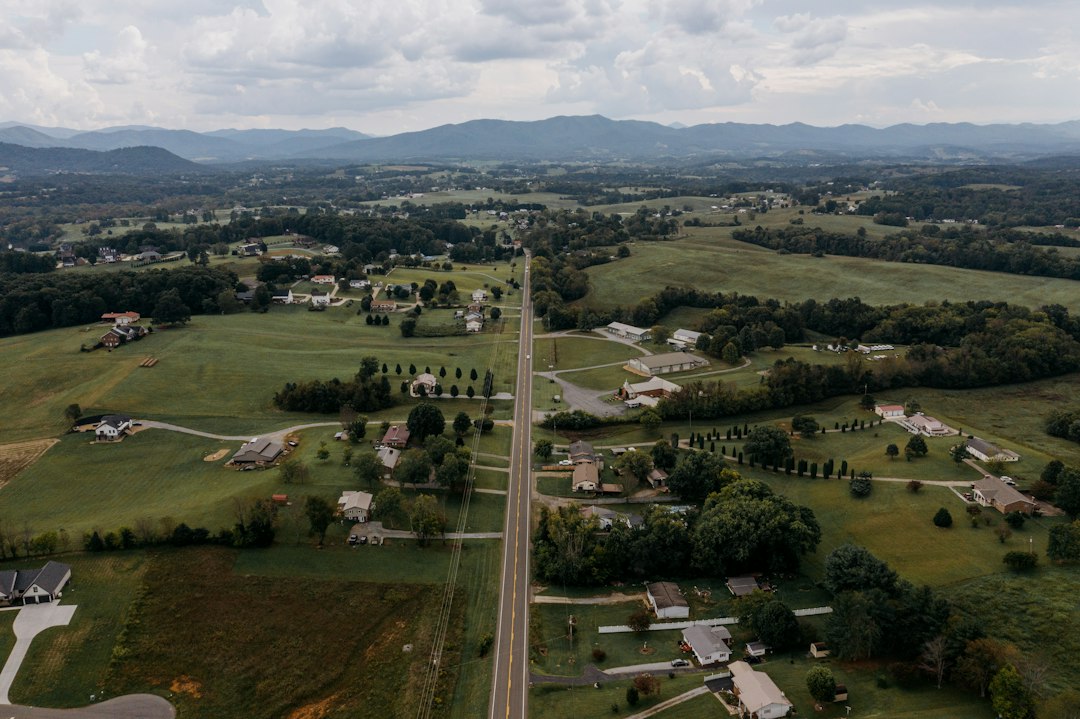
Photo: Alex Reynolds / Unsplash. Illustrative rural landscape.
19. Is it better to offer a credit or reduce the price?
It depends on the buyer's financing, the likely appraisal, your net and the reason for the request. A closing-cost credit may help a cash-constrained buyer more than the same amount off price, but loan-program limits apply. A price change may improve search visibility and attract a wider group before an offer. For a known repair, a licensed estimate can ground the discussion. Compare the alternatives on a net sheet and ask the lender or closing professional about the buyer's proposed structure. Do not assume equal dollar amounts have equal effects.
20. How will I know when to adjust the plan?
Agree on a weekly review of showings, feedback, online engagement, new competitors, pending homes and closed sales. A few quiet days do not prove a problem, but a steady pattern deserves a response. Different signals suggest different actions: few tours may mean price or exposure; tours without offers may reveal condition or a mismatch with expectations. Ask which comparable properties gained contracts while yours was available. A planned review date and meaningful trigger make a price decision less emotional. The Dickson seller questions guide explains a similar process in another local market.
21. Should I accept an offer above asking price?
Review the entire contract. A high number may carry an appraisal gap, significant concessions, uncertain financing or a difficult closing date. A slightly lower offer may have a more dependable path and a better net. Verify lender readiness and any proof of funds as appropriate, then estimate proceeds for each option. Consider which terms could be countered. An above-list offer is encouraging, but it is not guaranteed cash. Your decision should reflect risk, timeline and the next home you need to secure.
22. What if I am selling and buying at the same time?
Calculate likely proceeds and how much must reach the next closing. Speak with a lender early, then map both contracts' inspection, appraisal and financing deadlines. Decide whether you can buy first, need a sale contingency or will sell first and use temporary housing. A negotiated possession period may help, but the other party must agree and the details belong in the contract. Have a backup for a delayed closing. This is a logistics problem as much as a price problem, and it gets easier when the sequence is planned before either home is committed.
23. Does professional photography really matter?
Clear photographs help buyers understand the home before booking a tour. Show the floor plan, natural light, exterior, lot and distinctive features without wide-angle distortion or unverified boundary overlays. Prepare the property and document improvements before the shoot. If there are limitations, disclose them honestly rather than hide them with selective angles. A good first image and a logical photo order can improve the quality of interest, though no media package can overcome a substantial price or condition mismatch. Photography is part of a truthful presentation, not a substitute for one.
24. What happens after I accept an offer?
The contract sets deadlines for earnest money, inspections, financing, appraisal, title and closing. Track them in one place and confirm who is responsible for each step. Respond to repair requests with estimates and a net view of the choices. Continue maintaining the house and access as the agreement requires. A lender's initial letter does not guarantee final approval, and an appraisal is its own stage. Ask for regular updates and flag a missed milestone early. The best offer analysis considers how likely the transaction is to finish as written.
25. How do I choose an agent for this property?
Ask for a comparable-sales explanation, the active competition, a launch and photo plan, a weekly reporting schedule and a method for comparing offers. Discuss compensation and brokerage terms plainly. For an unusual house or land, ask how the agent will verify and present the features without overpromising. You should understand what evidence would trigger a change and who manages the contract once accepted. Choose the person whose plan you can examine and whose communication you trust, rather than the person who quotes the highest unsupported value.
Use the answers to make a property-level plan
For buyers, put your must-haves, route tests, monthly comfort limit and property questions on one sheet. For sellers, put the comparable set, preparation costs, marketing plan and weekly review triggers on another. Neither sheet needs a citywide forecast. Its value is making the next decision clear. A comparison between a Columbia house and a Spring Hill house is most useful when both are actual possibilities at a payment you can sustain.
Great homes make ordinary days better when the daily route, usable space and maintenance fit your life. Sellers can use the same perspective to explain what the home offers without guessing who the buyer should be. The goal is a well-supported decision that still makes sense after the excitement of a showing or an offer has passed.
Frequently Asked Questions
Is every Spring Hill address in Maury County?
No. Spring Hill crosses county lines. Confirm the county and applicable municipal jurisdiction from the exact parcel before estimating taxes, services or records to review.
Can I use a finished outbuilding as a rental?
Do not assume so from appearance. Check permits, zoning or land-use rules, wastewater capacity, insurance and any restrictions for that parcel and proposed use.
How do I compare a historic home with a new one?
Compare first-year cash, systems, maintenance, floor-plan utility, lot, location and restrictions. Have appropriate inspections and estimates. Neither age nor novelty alone settles the value question.
Are Columbia home values the same throughout the county?
No. Property type, condition, location, lot and current alternatives vary. Use a focused comparable-sales analysis for the particular house rather than a countywide average.
Should I ask for seller concessions when buying?
Possibly. Your lender should confirm the amount and permitted use; your agent should assess competition and the seller's likely net. The structure of a request matters as much as its face amount.
About Harley Pope
Harley Pope is a Middle Tennessee Realtor with Pope Real Estate Group at The Baker Brokerage. He and Victoria Pope serve buyers and sellers in Maury County, Dickson County, Nashville and surrounding areas. Harley emphasizes verifiable property facts, meaningful comparable homes and clear contract timelines so clients can make decisions with an understanding of both opportunity and risk.
Have a Columbia or Maury County property in mind? Contact Harley and Victoria Pope with the address and your next move. Call or text Harley at 931-629-4836. Pope Real Estate Group at The Baker Brokerage, 615-878-0362.