Burns Neighborhoods and Housing Options: A Local Buyer’s Guide

Burns neighborhoods are best compared through the home, lot, and route you will use every day. An established ranch, a newer subdivision home, and a house on rural acreage can offer very different ownership experiences. Start with the layout and outdoor space you need, then compare condition, services, maintenance, and the trips connecting Burns with your regular destinations.
Last updated: October 9, 2026
I’m Harley Pope, a lifelong Middle Tennessee local and Realtor with Pope Real Estate Group at The Baker Brokerage. This guide covers Burns and the surrounding Dickson County housing search. It organizes the choices by property type and practical location rather than assuming every named subdivision or Burns mailing address offers the same features.
Put Burns on your daily map first
Burns is a separate community within Dickson County, and its appeal depends partly on where you travel from the property. Begin by plotting work, shopping, appointments, and any recurring activities.
Routes toward Dickson, White Bluff, and the interstate should be tested from the actual driveway. The first part of the trip can change the entire comparison. A home that appears close to a main road may require a turn, backtrack, or local connection that does not fit your schedule.
Use the Burns community guide to establish the area, then narrow the search by the destinations that matter to you. Do not assign a single commute time to every Burns property. A morning trip to one part of Nashville is not the same task as reaching another employment destination.
Montgomery Bell State Park is another meaningful local reference point. If park access is part of your reason for considering Burns, test the trip to the entrance and facilities you intend to use. Proximity to a large park on a map is not the same as a practical connection from the house.
Burns neighborhoods: compare four housing choices
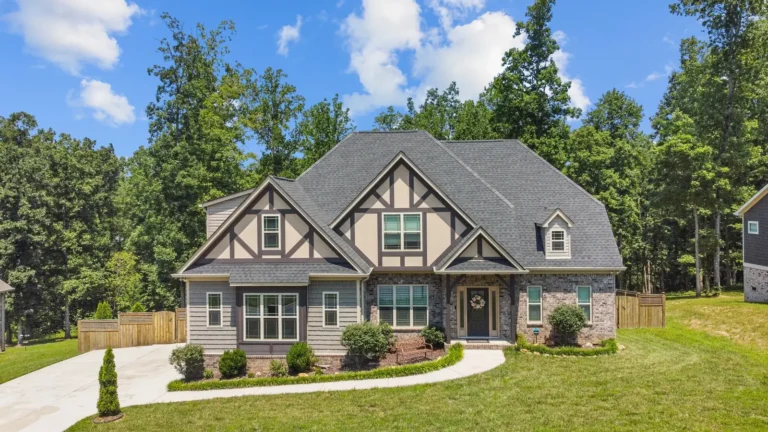
Organize your first tours around meaningful contrasts. Four useful categories are established one-level homes, newer subdivision properties, homes with larger usable yards, and rural properties where the land is central to the purchase.
These categories overlap. A newer house may sit on a larger tract, and an older home may have a compact lot. The purpose is to recognize what you are paying for and what responsibilities follow. If you know the yard is a minor priority, do not allow acreage alone to push an otherwise less suitable home to the top.
Likewise, a buyer who needs a workshop should examine access and permission early. A subdivision home with an ideal kitchen may still be wrong if the required outbuilding cannot be added. Deciding the essential use first helps avoid repeated tours of properties that cannot meet it.
For the broader purchase process, read the Burns homebuyer guide. This comparison is the step before that: identifying which homes deserve a closer investigation.
Established homes: let the layout and condition speak
An established house can be attractive because of its layout, lot, or location. Evaluate those advantages alongside the work it may need.
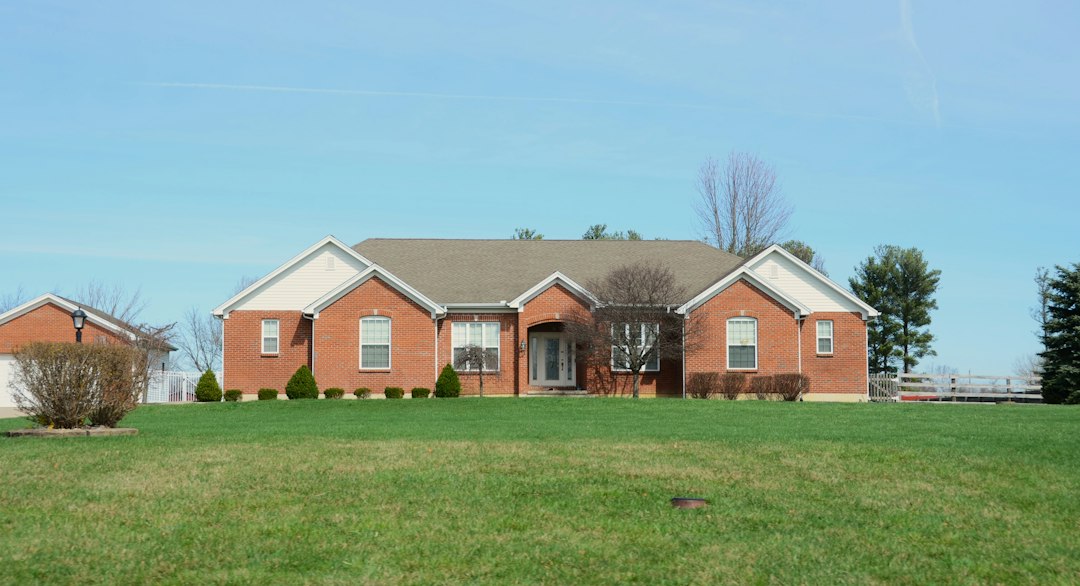
In a ranch or other one-level design, check whether the rooms you use most are arranged conveniently. Look at the connection from parking to the kitchen, laundry placement, storage, and the way bedrooms relate to living areas. A nominally one-level home may still include entry steps or changes in floor height that matter to you.
Then separate cosmetic preferences from building condition. New paint and flooring do not establish the age or condition of the roof, heating and cooling equipment, wiring, plumbing, or structure. Request available records and use qualified inspections to understand the systems.
A house with an older kitchen can sometimes be easier to understand financially than a recently renovated property with unanswered questions about the work. Neither category is automatically the better buy. The useful comparison is purchase price plus the work you need, supported by estimates and the property’s actual condition.
Newer construction: compare the complete package
A new or newer home should be evaluated as a finished purchase with specific obligations. The attractive model or advertised starting price is only part of the decision.
Ask for the final price of the home you would buy, including its lot, selected features, and any remaining work. Compare landscaping, appliances, fencing, window coverings, and outdoor improvements consistently with a resale alternative. A price difference can look smaller after both properties are brought to the condition you need.
If financing incentives are offered, have your lender help compare the complete terms and costs. Understand the conditions attached to the offer and whether the advertised benefit requires a particular lender, closing date, or other choice. Do not treat every incentive as a simple reduction in the home’s value.
Arrange appropriate inspections and understand warranty procedures. Clarify anticipated completion and possession, especially if you must sell another home or coordinate a move. A newer construction date does not remove the need to evaluate workmanship, drainage, and the surrounding development.
The lot can matter more than the extra room
Compare where the usable outdoor space sits and how it connects to the house. A large parcel is less useful if the part you need is difficult to reach or unsuitable for the activity.
For a yard used daily, look at the path from the kitchen or living area, the grade, shade, and drainage. For equipment, measure access and turning room. For a future building, investigate restrictions and the location of utility lines, wastewater components, and easements before assuming the open space is available.
A wooded lot and an open lawn create different maintenance tasks. Trees may provide shade but also require professional care. An open yard may be simpler to inspect while demanding more mowing. Be honest about the work you want to do yourself and the work you would hire out.
If land is a central reason for the move, use our Dickson County land questions alongside the home inspection. The house and the parcel should both justify the purchase.

Check jurisdiction, restrictions, and nearby land use
Confirm who governs the parcel and what documents apply. A mailing address or an informal description of the area does not settle the rules for the property.
The Town of Burns building and zoning contacts provide a starting point for municipal questions. For properties outside town jurisdiction, use the appropriate county office. Ask about the specific use you intend rather than whether a property is generally flexible.
Review recorded restrictions and any association obligations. Even without an HOA, restrictions or easements may affect a fence, outbuilding, or other project. If an empty parcel behind the home matters to your decision, identify its ownership and investigate relevant planning records. An attractive view is not a guarantee that the neighboring property will remain unchanged.
Keep current facts separate from proposed development. A submitted plan, an approved plan, construction activity, and an operating facility are different stages. Buy the property based on what can be verified now, and evaluate future plans as uncertainty rather than a promised benefit.
Verify the services that support ordinary life
Water, wastewater, internet, and waste disposal should be checked at the address. These details can distinguish two homes that otherwise look similar.
Ask whether the property has sewer or septic and request relevant records. For a septic system, Tennessee’s permit records search can help begin the investigation. Confirm the system’s condition and any implications for your planned use with the appropriate professionals.
For internet, verify a service that can actually be installed and used at the home. A listing’s general statement about availability should lead to a provider confirmation, especially if your income depends on the connection. Test your phone in the office and living spaces as well.
Ask how household waste is handled. Dickson County identifies a Burns convenience center on Maple Grove Road, but confirm the service options and current operating details relevant to the property. A weekly routine should include the practical tasks that do not appear in listing photographs.
Use nearby communities to sharpen the Burns comparison
Compare alternatives that solve a specific concern. The goal is a better decision, not a longer tour list.
Dickson may be a useful comparison when many of your regular stops are there. White Bluff may be worth testing when its location better matches your travel. The Burns versus White Bluff guide provides a framework for evaluating the tradeoff without declaring one town universally better.
If your search extends toward Fairview, compare the actual home and work route there with your Burns options. Keep the price, property condition, and lot utility consistent enough to make the comparison meaningful.
The broader Dickson County housing picture helps explain why a short list can include more than one town. Your best option may be defined by a particular combination of property and route rather than the name in the address.
A useful price comparison includes the first year
Compare a Burns home’s price with current alternatives and relevant sales, then add the costs needed to make the property work for you. This guide does not present a fixed neighborhood price range as current inventory.
For each finalist, record the purchase price, financing estimate, verified taxes, insurance, association charges if any, and immediate repairs. Separate optional upgrades from work needed for normal use. The distinction keeps a cosmetic wish list from being confused with a condition problem.
Look carefully when one property seems substantially less expensive. The difference may reflect condition, location, layout, or land usability. It could also represent a worthwhile opportunity, but that conclusion needs evidence. A low price per square foot alone does not explain the purchase.
For owners planning a sale and purchase together, include moving and any overlap. The sell-and-buy coordination guide can help you identify the timing decisions before they become urgent.
The Tuesday Test for a Burns home
Test a normal workday before making a location decision. Start at the house, travel to the destination you use most, and return with your usual stop included.
At the property, imagine parking, unloading groceries, taking a call, using the yard, and completing the weekly maintenance. If Montgomery Bell access is a priority, include that trip as part of the visit instead of assuming you will use it because it is nearby.
Then compare your notes with the home’s price and condition. The strongest choice is the one whose compromises you understand and can accept. A clear plan for investigation, financing, and possession makes it easier to act when that property becomes available.
Frequently Asked Questions
Are Burns homes mostly rural properties?
Do not assume one property type from the address. A Burns search can include town settings, subdivision homes, and rural parcels. Review the specific property’s location and characteristics, then compare it with alternatives that serve the same housing needs.
Does being near Montgomery Bell guarantee easy park access?
No. Test the route to the entrance and facilities you intend to use. The size and shape of a park mean that straight-line proximity is only a starting point. Check current park information when planning a visit or evaluating a regular routine.
Should I prioritize a larger lot or a newer home?
Choose according to the problem you are trying to solve. A larger lot matters when it provides a use you need; a newer home may reduce some immediate updating needs. Compare the specific condition, costs, layout, and land rather than age and acreage alone.
Can a builder incentive replace an independent price comparison?
No. Compare the complete written purchase and financing package with relevant alternatives. Understand the conditions attached to the incentive and the home’s final price. A financing benefit and the property’s market value are related decisions, but they are not identical.
What should I verify before offering on a Burns home?
Confirm the home’s condition, lot and access, utilities, applicable restrictions, and your financing and possession plan. Identify what still needs investigation and discuss appropriate contract terms with your Realtor. The details should reflect the property rather than a standard assumption about Burns.
About Harley Pope
Harley Pope is a lifelong Middle Tennessee local and Realtor with Pope Real Estate Group at The Baker Brokerage. He helps buyers and sellers in Dickson County, Nashville, Maury County, and surrounding communities compare homes with attention to pricing, condition, location, and practical ownership. His goal is to make the tradeoffs clear so clients can choose a property that supports their everyday priorities.
Want to compare Burns homes with nearby options? Reach out to Harley and Victoria Pope at Pope Real Estate Group at The Baker Brokerage with your budget, preferred layout, and daily destinations.