
25 Questions About Selling One Home and Buying Another in Middle Tennessee

Selling one home and buying another in Middle Tennessee is a timing and cash problem before it is a house-hunting problem. Your sale proceeds, financing, contract contingencies, moving dates and backup housing all have to fit together. These 25 questions help you build a workable sequence without assuming either closing will happen exactly as planned.
Last updated: September 24, 2026. Contract forms, lender programs, local market conditions and closing timelines vary. Review actual terms with your agent, lender and closing professionals.
Local perspective: Harley Pope is a Middle Tennessee Realtor with Pope Real Estate Group at The Baker Brokerage. Harley and Victoria Pope work with sellers and buyers across Dickson County, Maury County, Nashville and nearby areas.
Selling one home and buying another in Middle Tennessee: plan the money
1. How much of my sale price will I actually have for the next home?
Start with an estimated seller net, not the asking price. Subtract mortgage and lien payoffs, seller closing expenses, any agreed concessions, moving expenses and a sensible reserve. Ask for a range because the final sale price and negotiated terms are not known until a contract closes. If you have two loans or a home-equity line, include both. Then tell your lender when the cash will be available. An attractive new-home price is irrelevant if the down payment arrives after its closing date. Revisit the estimate whenever your sale terms change.
2. Can I qualify for the next mortgage before my home sells?
Possibly. Your lender needs to assess current debt, income, down payment, reserves and the proposed new payment. Some borrowers can carry both homes for a period; others must close the sale or use a permitted financing structure first. Obtain written scenarios rather than assume that having equity means you can borrow against it on your preferred date. Discuss what happens if your sale is delayed by two weeks or an inspection reduces your net. Do not make a purchase commitment based on an informal qualification guess.
3. How much cash should I keep after both closings?
Set a reserve for the new home's immediate needs, moving, overlap, insurance and ordinary surprises. Two transactions can create inspection charges, appraisal fees, storage and temporary housing that do not appear in the headline purchase prices. The right amount depends on your income, home condition and risk tolerance. Ask the lender how a different down payment affects the monthly payment, then compare that saving with the flexibility of keeping cash. A move that uses every dollar of proceeds may leave you unable to address a small but urgent repair.
4. Should I sell first or buy first?
Sell first when you need proceeds, want certainty about your budget or cannot comfortably carry two homes. Buy first when financing and reserves support overlap and finding the right house is the binding constraint. Neither sequence removes risk: selling first can require temporary housing, while buying first can create two payments and pressure to accept a weak sale offer. Write the cost of each downside beside the benefit. Your decision should reflect your actual financing and available homes, not a generic claim that one order is always better.
5. Can I make a purchase offer contingent on selling my home?
Yes, if the seller accepts the terms. Your offer should state the required sale milestone, deadlines and what happens if it does not occur, using current forms and professional advice. A seller with other strong options may prefer a buyer who is already under contract or has no sale contingency. Improve your position by preparing your home, documenting the likely sale plan and working with the lender before making the offer. Do not treat a contingency as a substitute for understanding financing and inspection risks.
6. What is a bridge or home-equity option?
These are possible financing tools, not automatic solutions. A bridge loan, home-equity line or other temporary borrowing may let some owners access funds before a sale, but qualification, fees, interest, loan terms and repayment risk differ. Ask a lender to compare the total cost with selling first, carrying two mortgages or using temporary housing. Confirm when funds are available and how a delayed sale affects the plan. A lower apparent friction today can become an expensive problem if the old home takes longer to sell.

Photo: Tierra Mallorca / Unsplash. Illustrative image.
Prepare the current home without losing control of the search
7. How early should I get a pricing analysis?
Do it before you choose a purchase ceiling. A local CMA should compare recent closed sales and the active homes a buyer can choose now, with adjustments for condition, lot and features. Request a realistic range and a probable net at several sale prices. In Dickson County or Maury County, a thin set of exact matches may require a wider geographic or date range, with the differences explained. An online estimate does not know every system or renovation. Use the Dickson home-value guide to frame the valuation questions.
8. Should I wait until I find the next house to list?
That depends on financing and how narrow your purchase requirements are. Waiting may keep you from moving twice, but the next seller could require a stronger offer and your own home may need time to prepare and sell. You can complete repairs, photography planning, disclosures and lender conversations before listing. If the target property is unusually specific, consider whether you can carry overlap or tolerate temporary housing. Decide how you will react when a compelling home appears tomorrow, not after it has already attracted another buyer.
9. Which repairs should I make before launching?
Focus on active defects, obvious maintenance and issues likely to interrupt financing or inspections. Obtain estimates for expensive work and compare the time and cash cost with selling in documented condition. A clean, accurately photographed home can be compelling without a major remodel. If your next-home search has begun, avoid a preparation project that creates an uncontrolled delay. Set a launch date, a budget and a decision maker for each repair. Do not treat cosmetic improvements as a guarantee of a higher net sale price.
10. How do I keep showings manageable while shopping?
Agree on notice requirements and a showing window that respects your household while making the house reasonably accessible. Prepare a simple departure plan and keep essential purchase paperwork organized elsewhere. Limited access can reduce opportunities, so weigh convenience against your desired sale timeline. If you are touring prospective homes in Nashville while selling in Dickson or Maury County, coordinate calendars and responsibilities with your agent. Harley and Victoria can help track both sides, but the showing instructions and any exceptions should be clear to all parties.
Connect two contracts without making promises you cannot keep
11. Can both transactions close on the same day?
Sometimes, but same-day closings leave little slack. Loan funding, document signing, title work and a buyer's delay at your sale can affect access to proceeds for the purchase. Ask both closing teams and the lender how funds will move and when keys will be released. Consider a day or two of cushion if you can afford it. If same-day timing is necessary, arrange a backup for movers and possessions. Put material possession and timing terms into the contracts rather than relying on an informal understanding.
12. How do I line up the inspection periods?
Write both calendars before signing a purchase agreement. Your buyer may ask for repairs at the same time you are inspecting the next home. Keep enough time and cash to evaluate both sets of issues separately. A concession you give on your sale can reduce funds available for repairs after purchase. Do not waive an inspection of the new house because the moving schedule is tight. Ask inspectors what is excluded and bring in specialists for septic, wells, outbuildings or other property features when needed.
13. What if my buyer asks for a repair credit?
Get a qualified estimate when the issue is material, then compare repair, credit and price options by net and timing. A credit may be limited by the buyer's loan program; a rushed seller repair may create its own risk. Recalculate your expected proceeds before committing to an offer on the next house. If the old property has an unusual feature, disclose what is known and involve the right specialist. The goal is a defensible agreement that preserves a feasible purchase plan, not winning one negotiation while leaving the second contract unfunded.
14. What if the home I am buying fails inspection?
Use the contract rights and deadlines to evaluate repair, renegotiation or termination as applicable. Keep your sale plan independent enough that you know where you will live if the purchase ends. If you already sold, temporary housing or another suitable property may be necessary. A backup search area can prevent panic. Do not let the emotional cost of moving twice push you into accepting an expensive defect without understanding it. The right decision depends on professional evaluation and what alternatives are actually available.
15. How do appraisals affect both sides?
Your sale buyer's lender may appraise your current house; your lender may appraise the next one. A short appraisal can prompt a price adjustment, extra cash, negotiation or a failed contract depending on terms and financing. Set a purchase budget that does not assume every dollar of a high sale offer will arrive. For your own offer, review comparable sales before promising an appraisal gap. An appraisal is an independent opinion for a specific loan, not a guarantee of market value. Make room for this stage in both calendars.
16. Can I ask to stay in my old home after closing?
You can propose post-closing possession if the buyer agrees. Terms should specify dates, payment, deposit, insurance responsibilities, condition, access and what happens if you are late, with the appropriate contract forms and advice. The buyer's lender or insurance may have occupancy rules. This can create a moving buffer but gives neither side a free pass on risk. Ask whether a short rent-back is better than a later closing, especially if your next home has uncertain completion or repair timing.
17. What if the seller of my next home needs extra time?
Treat their possession need as part of the offer analysis. You may need to rent temporarily, store belongings or negotiate a period in your sold home. Calculate that cost before offering a higher price or a shorter deadline elsewhere. Put dates and responsibilities in writing. If the seller's next purchase is also involved, the chain can become fragile. Ask your agent and lender which terms you can safely accept and create a fallback that does not depend on every person moving on one perfect day.
18. Should I accept a lower offer to protect my purchase?
Perhaps, when the lower offer has stronger financing, fewer contingencies or a better closing date. Compare the estimated net and likelihood of closing, then quantify what a delay or failed sale would cost on your purchase. A large apparent price difference may narrow after concessions. Ask what can be countered. Do not accept weak terms solely out of fear, but do not sacrifice a viable next-home plan for a speculative extra amount either. A side-by-side offer comparison should include your whole move.
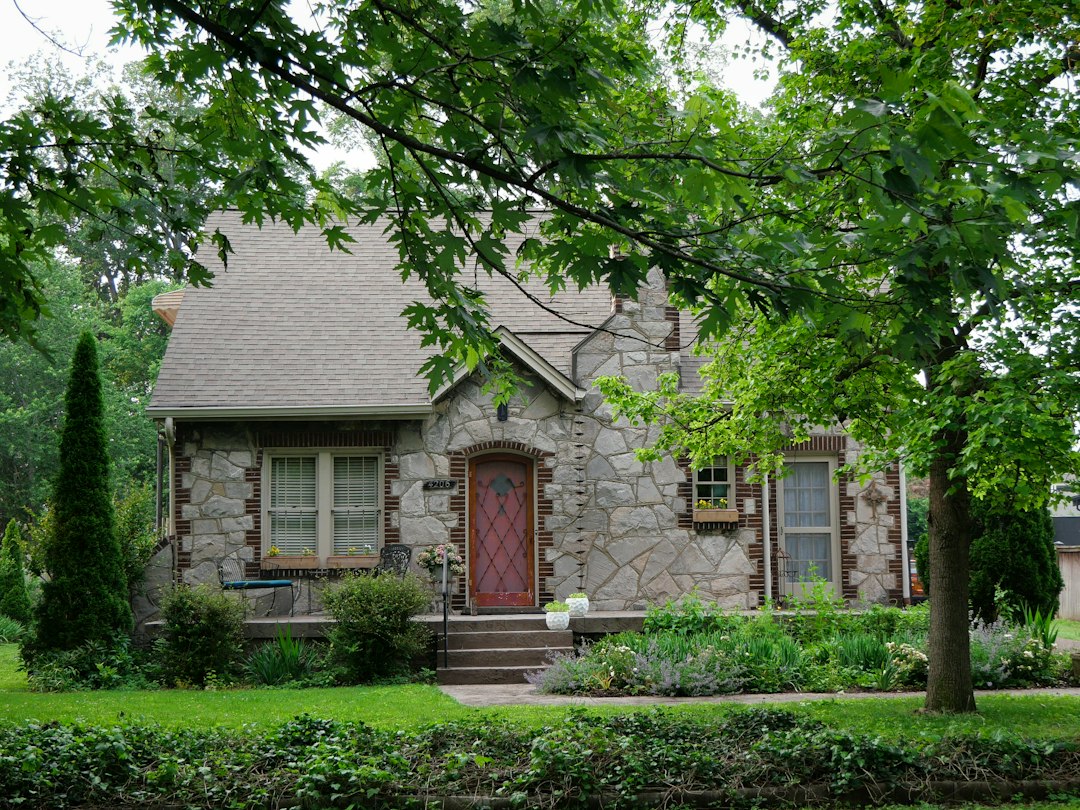
Photo: Daniel Yakubu / Unsplash. Illustrative Nashville home.
Keep a backup plan for the ordinary delays
19. What if my home does not sell on the expected schedule?
Review showings, feedback, competing homes, pending and closed sales, price and presentation at planned intervals. If few close comparables exist, expand the analysis thoughtfully rather than compare unrelated houses. Ask your lender how long you can carry the overlap or whether the purchase must be postponed. Establish a price-review trigger before listing so the decision is based on evidence. Carrying costs and a missed purchase opportunity are real, but the response should match the reason buyers have not acted.
20. What if the buyer's financing is delayed?
Ask for a clear status, the lender's outstanding conditions and a revised timeline through the appropriate parties. Check the contract notice and extension requirements with your agent and closing professionals. Tell your purchase lender and seller promptly when the delay could affect funding or possession. Do not assume a verbal assurance changes contractual dates. Temporary housing, stored possessions or a negotiated extension may be needed. The sooner both sides know the actual issue, the more realistic the available options become.
21. Do I need temporary housing even if I plan same-day closings?
You need at least a credible fallback. A short rental, trusted place to stay or flexible moving arrangement can reduce pressure if one closing slips. Price storage and pet or work needs too. You may never use the plan, but having it changes negotiations: you can respond to a delay without accepting a poor repair or financing term simply because the truck is booked. Confirm cancellation terms before paying deposits. Your backup should work for the number of people and possessions actually moving.
22. How can I decide where to buy while my sale is underway?
Set a comfortable payment from conservative sale proceeds and current lender guidance. Then compare areas by exact addresses and daily routes. Nashville, Dickson County and Maury County present different property and travel choices. Tour a few realistic alternatives before putting your home on the market if possible. A clear search map lets you respond quickly when your sale gains a buyer, without pretending that every house within a county is interchangeable.
23. What should the lender know about my existing house?
Share current mortgage and other lien balances, expected sale timing, any planned retention or rental, HOA dues and the proposed down payment source. Ask how proceeds must be documented and when they must be available to close. If a buyer requests concessions or the sale price changes, send the revised contract to your lender promptly. Approval can depend on details beyond the purchase price. An early conversation is far easier than discovering a cash or debt-ratio problem a few days before closing.
24. Which documents should I keep in one place?
Maintain both contracts, amendments, earnest-money receipts, lender contacts, inspection reports, repair agreements, title and insurance information, closing estimates and a dated deadline sheet. Confirm where the final sale proceeds will go and how the purchase closing team will receive them. Avoid sending wiring instructions by relying on an email that has not been independently verified through a trusted number. Separate proposed terms from signed terms so neither team acts on an outdated draft. A shared checklist reduces missed steps when two transactions overlap.
25. When should I seek advice beyond my agent?
Use a lender for financing and cash timing, a closing or title professional for settlement mechanics, a qualified inspector or contractor for property condition, a tax professional for personal tax consequences and an attorney when legal interpretation is needed. Your agent can coordinate information and explain transaction choices, but should not substitute for the professionals whose work determines a particular issue. The more complex the chain, the more valuable it is to identify the right question early. Keep final pricing and contract decisions in your hands with the evidence organized.
A practical two-contract calendar
Before listing, complete the seller net, lender scenarios, preparation plan and search map. Once your sale receives an offer, compare its financing and timing with your purchase needs. During contract, track earnest money, inspections, repair decisions, appraisal, title and loan milestones on both sides. In the final week, confirm funds, utilities, insurance, possession, movers and the fallback. After closing, keep settlement statements and repair records together. A Dickson selling guide and Columbia and Maury County questions can help with the location-specific parts. If you are buying in one of those markets, the Dickson buyer guide or Columbia buyer guide provides a more focused search checklist.
The Tuesday Test matters here too. The best sequence should leave you in a home that works on ordinary days, not merely deliver a smooth pair of closings. If a slightly longer timeline lets you inspect carefully and preserve cash, it may be worth more than the appearance of a perfectly synchronized move. Decide which compromises you will accept before the contracts start making the decision for you.
Frequently Asked Questions
Can I use a sale contingency to protect my purchase?
You can propose one, subject to the seller accepting it and the contract's specific deadlines. Have your agent and lender review the structure and understand that competing offers may be more attractive to the seller.
Will my sale proceeds be available the moment I sign?
Not necessarily. Funding and disbursement depend on the closing process. Ask both settlement teams and your lender when usable funds will be available, particularly for same-day closings.
What if my current home appraises below the buyer's offer?
Review the appraisal and contract terms. The buyer may contribute cash, the parties may renegotiate, or the transaction may fail depending on financing and contingencies. Recalculate your purchase funding immediately.
Is a rent-back always safer than temporary housing?
No. It can be convenient but creates occupancy, insurance and late-move risk for both parties. Compare its written terms and cost with a later closing or short-term housing.
When should I start looking at replacement homes?
Start studying realistic areas and payments before listing, even if you will wait to offer until your sale is under contract. That preparation lets you make a better decision once timing becomes urgent.
About Harley Pope
Harley Pope is a Middle Tennessee Realtor with Pope Real Estate Group at The Baker Brokerage. He and Victoria Pope help clients sell and buy across Dickson County, Maury County, Nashville and surrounding communities. Harley emphasizes realistic proceeds, property comparisons and clear milestones so the two transactions work as one move without hiding the financial and timing risks.
Need a sale-and-purchase plan for your addresses? Contact Harley and Victoria Pope to map the proceeds, search and calendar. Call or text Harley at 931-629-4836. Pope Real Estate Group at The Baker Brokerage, 615-878-0362.