
Selling a Home in Burns, TN: Pricing Strategy, Buyer Demand and Preparation

Selling a home in Burns, TN means pricing against the homes buyers will actually compare, preparing the condition they will inspect and presenting the property clearly from the first photo. A subdivision home, a house on a larger lot and a rural property may call for different comparable sales and marketing. Start with verified facts, current Realtracs competition and an itemized seller net before choosing a launch strategy.
Last updated: September 29, 2026. Buyer demand and listings change; a specific Burns property needs a fresh market review at the time of sale.
Local perspective: Harley Pope is a lifelong Middle Tennessee local and a Realtor with Pope Real Estate Group at The Baker Brokerage. He and Victoria Pope work with sellers across Burns, Dickson County and Middle Tennessee.
Begin with the house, lot and next move
Collect the facts you will need for both pricing and disclosure: parcel information, living area, bedroom count, lot size, major systems, improvements, utilities and any HOA or deed restrictions. Note permits for additions or finished space and gather warranties and service records. A Burns mailing address does not by itself establish municipal boundaries, tax treatment or a school assignment. Check the actual parcel and use the responsible authority for each claim.
Then define the outcome you need. If proceeds fund your next home, ask a lender and title company to help model the sequence and likely net. If you need a particular possession date, discuss it before offers arrive. If a repair is known, obtain an estimate and decide whether to complete it, offer a credit or price with the condition visible. Your preparation budget and calendar should serve the move, not an imagined perfect listing.
The Burns area guide gives broader location context. Some buyers will also compare Dickson and White Bluff. Their choices depend on route, home type, lot and condition. Describing Burns as automatically preferable or more affordable than either does not help a buyer evaluate your particular property.
Use the closest sales and today’s alternatives
Start with closed sales that resemble your home in location, living area, age, condition, lot and features. Pending contracts show where buyers acted recently, although final sale terms may be unavailable. Active listings are your immediate competition. Check properties that failed to sell for possible objections but do not treat an expired list price as a precise ceiling. Some homes were hard to show or poorly represented. A sound analysis explains the evidence rather than outputting one number.
If there are too few close Burns sales, consider nearby Dickson County locations and adjust thoughtfully. A smaller home with a garage might be a better reference than a same-size property on steep acreage; a new build may set a different condition expectation from an older house. Distinguish above-grade living space from a basement or bonus room. Compare usable land, not just acreage. A fenced, level yard can have different appeal from a larger parcel with limited accessible ground.
Create a pricing range and show what each position would mean. An upper-edge price may require more time and stronger evidence of unique value. A price centered on the close sales can compete with current choices. A sharper price may increase interest, but it does not guarantee a bidding war. Model net proceeds after plausible concessions and costs at several sale prices. A lower price with cleaner terms can sometimes leave a better result than a high price paired with a large credit and extended carrying time.
Our Burns buyer and seller Q&A and Dickson seller questions cover issues that can arise as you compare price options. Refresh the active and pending search just before launch; a new direct competitor can make yesterday’s analysis incomplete.
Choose preparation that changes the outcome
Walk the home in the order a buyer will see it. Start with driveway and entry, then the main living areas, kitchen, bedrooms, bathrooms, garage and yard. Clean thoroughly and address small defects that make a well-kept house feel neglected. Repair nonworking lights, loose handles, damaged trim or a gate that will not latch. Trim vegetation enough to show the house and avoid obscuring a drainage or roof issue. Make room function clear without filling every surface with decor.
Prioritize concerns that will reappear in an inspection: active leaks, roof and gutter condition, grading, HVAC service, electrical safety, plumbing, handrails and evidence of moisture. A seller need not preemptively replace every old component, but should know its condition. Get a contractor estimate before promising a repair or assuming a buyer will accept a credit. For a property with a private wastewater system, Tennessee’s septic FAQ explains record searches and permits for repair or modification.
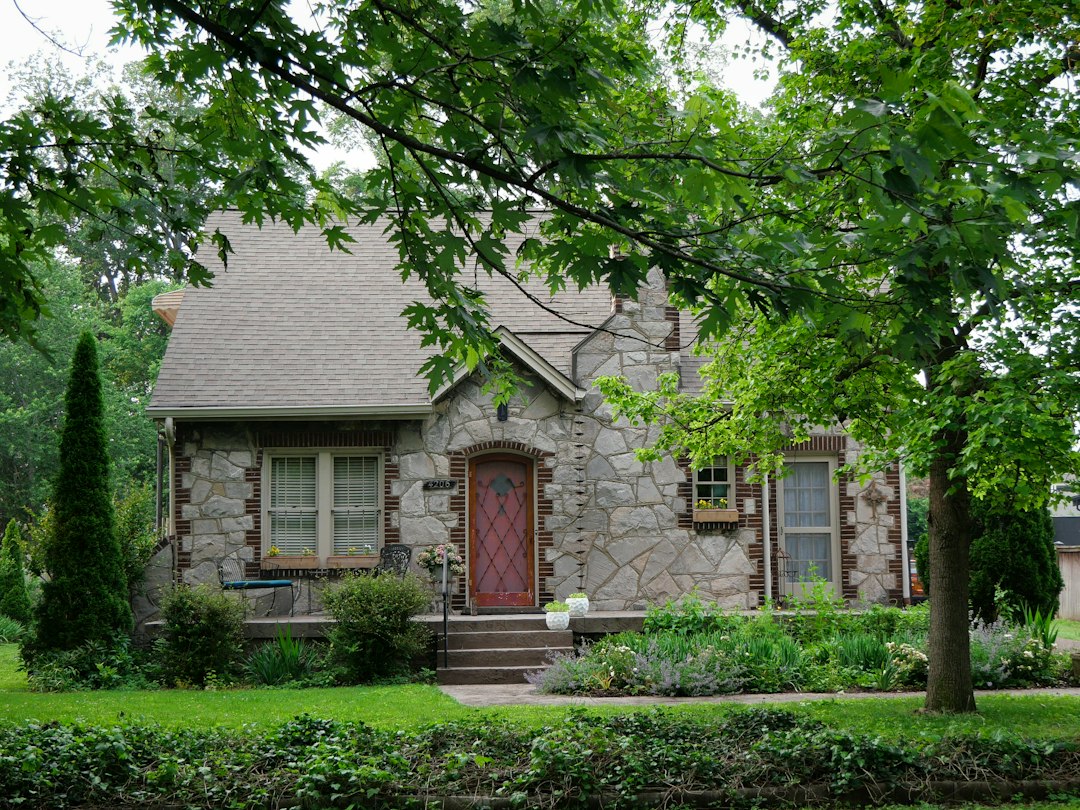
Major cosmetic work should pass a simple test: what will it cost, how long will it delay the listing and what is the evidence of a better net? A room with dated paint might need a modest refresh; an expensive kitchen project could be harder to recover. If you sell in current condition, use clear disclosure and credible pricing. Do not hide a known issue behind staging or rely on an as-is phrase to erase contractual inspection terms.
Show the useful features honestly
Good photography is a sequence, not just one attractive frame. Lead with a truthful exterior, then show room flow, usable bedrooms, baths, garage, outdoor areas and any meaningful improvements. A floor plan can help buyers understand a split-level or addition. If a shop, fence or acreage is important, show what exists and verify dimensions, utilities and restrictions. Label aerial boundary graphics as approximate unless a survey supports them.
The public description should answer practical questions: the property’s layout, updates, parking, lot, water and wastewater, relevant HOA obligations and objective location facts. Avoid calling a bonus room a bedroom without support, promising a future use or describing the type of person who should live there. Fair Housing compliant copy speaks to property features and verifiable location details. Avoid unsupported claims about safety, schools or future value.
Realtracs, syndication, a property page, professional media, video and outreach to agents can work together. A short video is especially helpful to show how the garage, yard and main rooms relate. It should not replace measurements, current photos and showing access. Check the listing after it goes live to make sure price, status, photo order, agent contact and facts remain consistent across the major places buyers will see it.
Build a showing routine and read the response
Agree on notice, appointment windows, pet arrangements, security and access to any outbuilding before the first showing. A buyer who cannot get in may choose another home. The seller still needs reasonable boundaries and privacy. Secure valuables and medications, and make a simple reset list for lights, surfaces and temperature. For a vacant home, keep up the exterior and check it after weather events.
When feedback arrives, sort it into one-off preferences and repeated issues. A buyer who dislikes a paint color may simply have a different taste. Several buyers raising the same roof concern justify investigation. Track online interest, actual showings and offers separately. A high view count does not necessarily mean qualified demand. If visits are scarce compared with close competing listings, review price, presentation and access. If visits are healthy but offers do not follow, examine condition and what the property feels like in person.

Each week, compare new listings, pendings, closings and price moves in the same competitive pocket. In a thin sample, say what you do and do not know. A nearby sale can be helpful even with a bedroom difference if the size and utility are close, but the adjustment must be explained. Discuss whether to hold, improve the listing or change price based on current evidence and your carrying costs. A predetermined reduction schedule is less useful than a clear decision point tied to activity.
Compare offers on one page
Write down price, earnest money, buyer funding, appraisal terms, inspection rights, sale contingency, closing date, possession, requested concessions and compensation. Ask whether a lender has reviewed income, assets and credit or only issued an initial letter. A cash label does not remove every condition. More earnest money matters within the contract’s actual remedies and deadlines, not as a symbol by itself.
An estimated seller net subtracts the mortgage payoff and liens, negotiated compensation, buyer credits, title and settlement charges, tax prorations and anticipated repairs. The Tennessee Department of Revenue’s rate page lists realty transfer tax at $0.37 per $100 of the applicable value; the agreement and closing company determine which charges are assigned to whom. Ask for an itemized title estimate rather than assuming a fixed percentage covers every cost.
If an offer is above the supported comparable range, consider appraisal and buyer cash terms. A lower offer with a realistic closing and fewer uncertain conditions may be more dependable. Sometimes the most useful counter changes a credit or date rather than only price. Make the choice from your priorities: net, timing and likelihood of closing. Leave a reserve for inspection negotiation until those issues are resolved.
Manage the transaction after acceptance
Put earnest money, inspection, appraisal, financing, title and closing deadlines on a calendar. Provide the agreed access and documentation promptly. An inspection report is not itself a repair demand; the buyer’s request and your response are governed by the contract. Get qualified estimates for major work. If you agree to a repair, record scope, contractor, deadline and proof. If the buyer requests a credit, compare it with cost and net.
An appraisal below contract price can lead to several choices depending on financing and contract terms. Evidence may support a review, the buyer may bring funds, the price may change or the parties may part. Do not assume any single outcome. Keep the title company aware of easements, liens and payoffs. Confirm what fixtures, appliances and outdoor items convey so there is no surprise at final walk-through.
Before closing, review the settlement statement and independently verify any wire instructions with a known title-company number. Coordinate utilities and possession with the signed agreement. The final net is the closing company’s calculation, which can differ from the original estimate because of prorations and negotiated terms.
A Burns seller checklist
Verify the parcel and systems; select relevant comparables; decide your net and timing; price at a deliberate position; complete high-value preparation; photograph the actual property; audit the listing; establish showing rules; and review real activity weekly. The steps are straightforward, but their order matters. Pricing before understanding repairs or taking photos before preparation can force a relaunch that never has the same first impression.
If you will be buying nearby after the sale, our Burns home-buying guide may help you compare the next property. The sale plan should include the practical move that follows it.
Frequently Asked Questions
How should I price a Burns home when similar sales are scarce?
Broaden the search to relevant nearby properties, compare condition and lot utility, and explain every important difference. Use a reasonable range and monitor current competition rather than pretending a thin sample supports an exact number.
Is a fenced yard worth the full cost of installation at resale?
There is no standard dollar-for-dollar rule. It can make a home more useful to certain buyers, but condition, layout and nearby alternatives determine its effect. Compare sales where possible and do not add the installation invoice to the price automatically.
Do I have to finish every repair before listing?
No. Identify material issues, disclose known conditions and obtain estimates. Choose whether to repair, credit or price accordingly based on your resources and likely buyer financing. Some defects can complicate certain loans and should be discussed early.
What should my weekly update include?
New direct competition, relevant pending and closed sales, price changes, your showings and repeated feedback. It should end with a recommendation tied to evidence and your timeline, even if that recommendation is to hold.
Can I accept an offer and still keep showing the home?
That depends on contract terms, seller instructions and MLS status rules. Discuss backup-showing strategy before acceptance and make the listing status accurate. Do not imply the home is freely available once it is under contract.
About Harley Pope
Harley Pope is a lifelong Middle Tennessee local and a Realtor with Pope Real Estate Group at The Baker Brokerage. He serves Burns, Dickson County, Nashville and surrounding markets. His seller approach connects a specific home’s condition and buyer alternatives to pricing, marketing, negotiations and a clear expected net, with regular communication through closing.
If you are considering selling in Burns, Harley and Victoria Pope can walk the property, review current comparable homes and prepare an itemized seller net before you select a launch date. Contact Pope Real Estate Group to begin.