
Selling a Home in Charlotte, TN: A Guide for Rural and Small-Town Property Owners

Selling a home in Charlotte, TN requires more than a countywide price per square foot. A rural or small-town property may have a distinctive lot, outbuilding, access road, septic system or older home whose condition shapes the buyer pool. Document the property, use the closest defensible comparable sales, and market both the home and its practical ownership details. Then judge offers by net proceeds and risk.
Last updated: September 29, 2026. A specific listing needs a fresh Realtracs search and parcel review before pricing or public claims are final.
Local perspective: Harley Pope is a lifelong Middle Tennessee local and a Realtor with Pope Real Estate Group at The Baker Brokerage. He and Victoria Pope help Dickson County sellers prepare, position and negotiate their homes.
Treat Charlotte as a property search, not a price shortcut
Charlotte is a distinct Dickson County location. A buyer comparing it with Dickson, White Bluff or Burns will consider routes, lot use, house condition and services, not simply a county label. The Charlotte area guide and broader Dickson County page can help orient someone unfamiliar with the area. For a listing, the exact parcel facts matter more than a broad town description.
Collect the deed and any survey, tax parcel information, permits, well or water records, septic documentation, road easements and restrictions. Confirm the actual heated living area and how any finished basement or bonus space is categorized. Check the status of barns, shops, fences and other improvements. A structure that appears useful may have a different financing, insurance or permit story. If you do not have a record, say so and seek the right source instead of presenting an assumption as fact.
Identify your reason for selling before deciding how much to spend on preparation. A seller leaving on a fixed date might address a small set of necessary repairs and price accordingly. A seller with time and cash could tackle a larger project if evidence suggests it improves the net outcome. Calculate carrying costs while you wait. The goal is not to create a perfect house for every buyer; it is to put an accurately represented property in front of buyers who can use it.
Find comparables in a thin market
The most relevant sale may be nearby but not inside the same mailing town. Start with closed properties similar in home type, usable living area, age, condition, access and land. Examine the dates of sale and what buyers could choose at the time. Active listings are the competition today; pending homes show recent decisions, though their final terms may remain private. If you must widen the search beyond Charlotte, document which differences matter and why. A large, renovated house on a paved road is not a direct stand-in for a smaller fixer with private access.
Price per square foot is a check, not the conclusion. It can mask a detached shop, poor road frontage, a basement, an unusually steep lot or major deferred maintenance. Acreage also needs more than a per-acre multiplication: access, topography, usable open area, woods, easements, utilities and permitted use differ. Separate the home’s contribution from the land and improvements when the sale sample allows it, and be candid when the evidence is too sparse for a narrow number.
Build a range, then choose a launch position with your net and calendar in mind. An upper-edge price may require patience and a clear advantage over current alternatives. A price near the strongest evidence can make the home easier to evaluate. A sharper price may attract attention, but it does not guarantee a bidding contest. Watch the first meaningful period of showing activity, direct competition and feedback. Do not use an automatic weekly reduction schedule without diagnosing the cause of weak response.
The Charlotte buying guide illustrates the questions buyers ask about rural ownership. Answering those questions clearly can reduce uncertainty in your listing.
Make the land understandable and verifiable
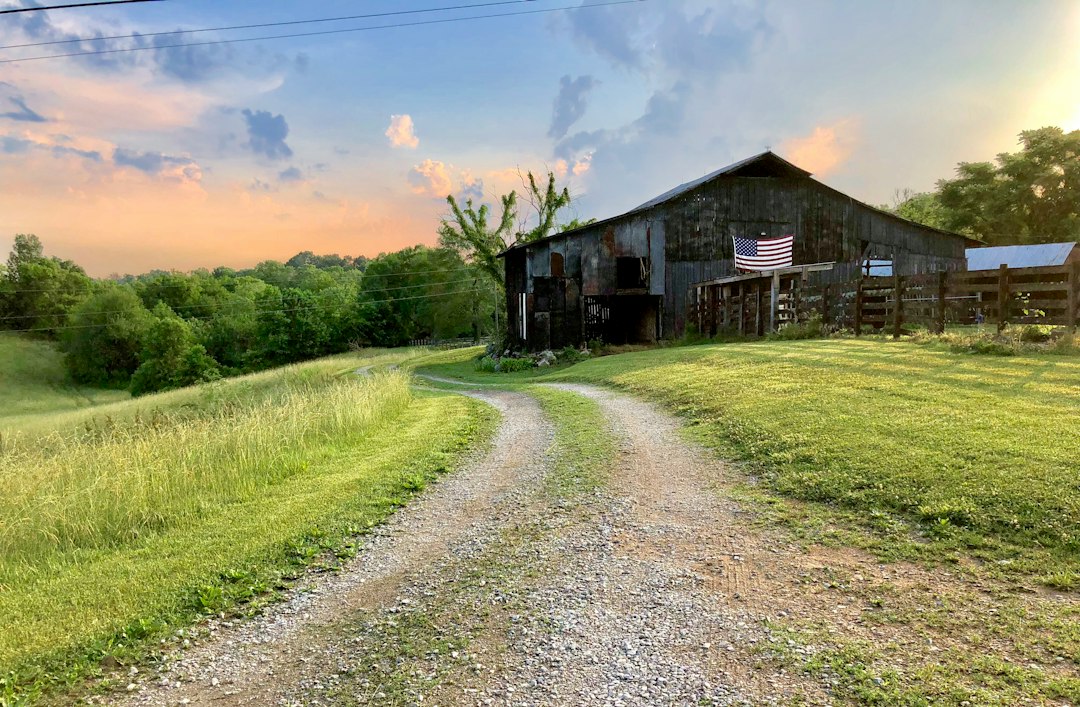
Take a buyer’s-eye walk from the road to the farthest feature you plan to advertise. Is the driveway legally and physically usable? Are there gates, shared maintenance obligations or seasonal problems? Can a visitor tell where the main yard ends and the wooded or sloped portion begins? Mow and clear enough to show what is there, but never suggest that a mowing line establishes the legal boundary. If a survey is old, altered conditions or improvements may warrant a new one.
For a septic property, gather the recorded permit and learn what it covers. The Tennessee septic FAQ explains record search and permits for new systems, repair and modification. A large parcel does not automatically support another house, more bedrooms or a pool. Zoning, restrictions, access, soil and wastewater capacity need independent confirmation. Advertise existing, verified attributes and let qualified professionals assess a buyer’s proposed use.
If a well, spring, creek or pond is part of the property, describe what exists without promising water quality, year-round flow or a specific use. Gather any testing or maintenance records. Verify electricity, broadband and public-water availability at the exact address. A provider’s broad coverage map can be wrong for a driveway that extends far from the road. Buyers with remote work needs will appreciate an honest answer and a chance to test service early.
Prepare the house for scrutiny without over-improving
Prioritize moisture, roof and gutter issues, HVAC, plumbing, electrical safety, structural concerns, handrails and doors. Address obvious defects or get qualified estimates. Clean the interior, make each room’s function clear and ensure access to mechanical areas for an inspection. A dated but well-maintained room may present better than a cosmetic update that conceals a larger problem. Get costs in writing before deciding on paint, flooring or a kitchen project.
Rural buildings need separate attention. A workshop photo may be attractive, but buyers will ask about power, foundation, roof, dimensions, permits and what conveys. If equipment, panels or livestock-related fixtures will not remain, spell that out in the contract and listing. An outbuilding with a leaky roof may become an inspection issue even if the house itself is sound. Prepare a simple inventory of improvements and the records available for each.
Complete seller disclosures carefully. A problem you have experienced may still matter even if it has not appeared lately. Provide known repair documents and avoid inventing a diagnosis where you have none. Ask a qualified professional about material conditions that need investigation and your real estate or legal adviser about the form. Honest disclosure can help buyers make a considered offer; hiding an issue creates avoidable friction later.
Market what a buyer can see and use
The first photograph should represent the house and its setting accurately. Follow with the main rooms, useful outdoor areas, driveway and any documented improvement that differentiates the property. If an aerial view is helpful, label an approximate boundary as approximate and avoid a line that appears surveyed when it is not. A floor plan can clarify an older layout. Video can show the relationship between the porch, yard, shop and road, but the listing still needs clear dimensions and verified facts.
Public remarks should say what is true and helpful: property type, confirmed living area, lot description, water and wastewater setup, parking, major updates and practical access. Avoid a long list of subjective claims or an imagined profile of the ideal buyer. Use objective language and Fair Housing compliant advertising. Describe nearby routes and amenities accurately without promising a commute time that changes by hour. If an improvement is possible but unverified, leave that speculation out of the public copy.
Review the live Realtracs entry, syndication and property website for consistency. A buyer who sees a different acreage number or bedroom count on two sites may become skeptical of every other detail. Keep showing instructions simple and ensure agents can reach the house, gates and outbuildings. For a remote buyer, a complete video tour and document package may make a visit more productive, though they cannot replace an independent inspection.

Decide what the activity is telling you
Set a weekly rhythm to review new competing listings, price changes, pending contracts, closed sales, showings and repeated feedback. If only a few similar Charlotte properties are on the market, do not overinterpret a single week’s data. A nearby transaction might differ materially in acreage or condition. Explain the difference rather than calling it a direct comp because it is geographically close.
If buyers view the listing but do not schedule, examine the lead photo, price bracket, property facts and access. If they tour but do not offer, look for recurring in-person objections and compare them with the homes they can choose instead. A repair estimate can answer a concern more usefully than a reflexive price cut. If the property is vacant, track utilities, lawn care, insurance and security while weighing how long to hold a price.
Your goals determine the response. One seller can afford a longer search for a specialized property. Another needs certainty for the next move and may choose a competitive adjustment sooner. A plan to wait should be explicit about carrying cost and a date for re-evaluation. It should not mean ignoring new evidence.
Compare offers and protect the closing
Line up price, earnest money, financing, appraisal, inspections, sale contingencies, concessions, compensation, closing date and possession. A higher offer that depends on the buyer selling another property may have more timing risk than a lower offer with clearer funding. Ask what a preapproval confirms and what the lender still needs. Cash offers can include conditions too. The contract language, not the label, determines your obligations.
Create an itemized net estimate that includes mortgage and lien payoffs, negotiated compensation, seller credits, title and settlement charges, tax prorations and likely agreed repairs. Tennessee’s realty transfer tax schedule lists $0.37 per $100 of the applicable value, but the contract and closing company determine each party’s charges in a specific deal. Ask the title company to update the estimate after every material counteroffer. Do not compare only the headline prices.
After acceptance, calendar earnest money, inspection, appraisal, financing, title, repair and closing deadlines. A rural property’s survey, easement, septic or outbuilding question may take time to resolve, so supply available records early. If a repair is negotiated, put scope, timing and proof of completion in writing. A low appraisal may require discussion of buyer cash, contract terms or a documented review. No one should promise an outcome in advance.
Confirm move-out terms and included personal property before the closing statement is prepared. Review the title company’s figures and independently verify any wire instructions using a trusted phone number. The signed settlement calculation will be more precise than the first seller net. A well-managed closing is part of the value of a clear launch plan.
Frequently Asked Questions
How do I price a Charlotte home with a barn or workshop?
Compare sales with similar usable improvements where possible, then examine the structure’s condition, utilities, permits and buyer utility. Do not simply add what it cost to build. If comparable sales are limited, use a range and explain the uncertainty.
Can I say the property is buildable for another home?
Only with support from the appropriate zoning, utility, access and wastewater authorities and any private restrictions. An acreage count alone cannot establish that claim. Describe the existing land honestly and invite buyers to verify a proposed use.
Is an old survey enough to sell?
It may help, but it may not reflect later improvements, divisions or boundary concerns. Ask the title company or surveyor what the transaction requires and whether updated work would help resolve a question before closing.
Should I renovate an older house before listing?
Price the project and compare it with the likely benefit, schedule and buyer expectations. Necessary system work and clean presentation often deserve priority over a broad cosmetic remodel. Some sellers are better served by disclosing and pricing the condition.
How long will a rural Charlotte home take to sell?
There is no dependable universal timeline. Price, access, condition, lot utility, financing and the current alternatives all affect demand. Review actual showing and contract activity against your segment, then adjust the plan as evidence develops.
About Harley Pope
Harley Pope is a lifelong Middle Tennessee local and a Realtor with Pope Real Estate Group at The Baker Brokerage. He serves Charlotte, Dickson County, Nashville and surrounding markets. His seller work brings the physical property, current buyer alternatives and a realistic net estimate into one plan, with clear updates through offer negotiation and closing.
If you are considering a sale in Charlotte, Harley and Victoria Pope can review your home, land records, comparable sales and next-move timeline before recommending a launch position. Contact Pope Real Estate Group to discuss the property.