
What a South Florida Home Budget Buys in Middle Tennessee

What a South Florida home budget buys in Middle Tennessee depends on which Florida property you are leaving, your net proceeds, the payment you can carry and where you need to be in Tennessee. A condo near the coast and a detached home inland create different starting points. Compare real listings at your payment limit, then account for insurance, association rules, land care and the daily trips that come with each address.
Last updated: September 29, 2026. Any price examples in this guide are planning brackets, not an inventory report or a promise of available homes.
Local perspective: Harley Pope is a lifelong Middle Tennessee local and a Realtor with Pope Real Estate Group at The Baker Brokerage. He and Victoria Pope help relocating buyers turn a broad region into a property-specific search.
Define what your South Florida sale will actually release
Ask a local Florida agent for a current value range and an itemized seller net. Deduct your mortgage payoff, any equity line, commissions or negotiated compensation, title and closing items, repairs and possible buyer credits. If your property is a condo, find out about association approval, dues, assessments and documentation that could influence its sale. Keep moving, travel, temporary lodging and emergency reserves separate from the proposed down payment. The price on a portal is not cash in hand.
Set a total Tennessee housing payment with your lender before selecting a top purchase price. The Consumer Financial Protection Bureau’s Loan Estimate explanation describes the estimated payment, taxes, insurance and closing costs. Ask for versions with different down payments and rates. Include dues where applicable. A sale of a high-value Florida home can still result in a tight monthly budget if the next loan rate, insurance or other obligations change.
Use several illustrative brackets, perhaps $450,000, $700,000 and $950,000 if they fit your situation, to learn what shifts as the ceiling moves. Search current homes on one date and record the address, usable space, property condition, parking, lot, association dues and route. Recheck before traveling. Do not infer that a given amount reliably buys acreage or a particular number of bedrooms throughout Middle Tennessee. The exact property and location control the result.
Our South Florida-to-Nashville relocation guide covers the broader move. A separate Miami versus Nashville cost discussion can help organize the expenses you will want to verify for your household.
List the parts of your Florida home you want to keep
Before assuming you want a larger house, describe what works in your present one. Perhaps you value low-maintenance condo living, a walkable routine, an attached garage, single-level layout, a screened outdoor area or a boat-related activity. Then identify what you would happily trade: an assessment risk, a pool to maintain, a long drive or a room you never use. This prevents a search from being governed by square footage alone.
If you are leaving a condo, compare the actual responsibilities you now have with a Tennessee condo, townhome and detached house. HOA dues can cover different things in different communities. Review reserves, insurance responsibilities, rules, rental restrictions and pending assessments. A detached home may remove an association fee while adding roof, lawn and exterior costs directly to your budget. The comparison is a cash-flow and time question, not just a purchase price.
If you are leaving a South Florida house, note how the weather has shaped your maintenance. Tennessee does not share the same coastal exposure, but a specific home may face storm, drainage, moisture, tree or flood concerns. Get an insurance quote on the actual Tennessee address and review the lot. Do not claim that premiums will always fall after a move. The previous owner’s bill, if available, is only one data point.
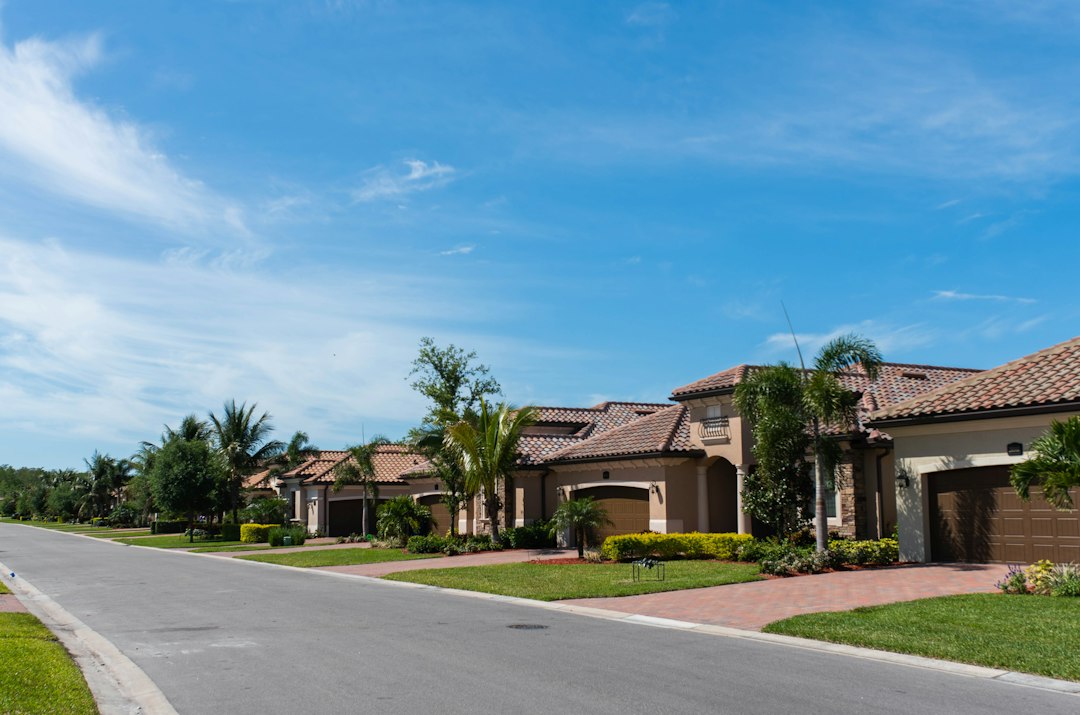
Start in Nashville if the city is the reason for moving
If work, family or weekly activities are in Nashville, test that location first. A smaller home with the right route may give you a better ordinary week than a larger property farther away. Search detached homes, condos and townhomes as separate groups because they involve different maintenance and association obligations. Tour during the hours you would actually travel. Parking and access matter as much as a map’s mileage.
In an older Nashville property, pay attention to drainage, roof, foundation, HVAC and any renovation permits. For a newer subdivision or attached home, inspect the contract, common-area rules, what is included and the timing of neighboring construction. Ask for utilities and insurance estimates. Compare the total carrying cost of each home, not just the principal and interest in a listing calculator.
The Nashville area page provides a local starting point. During a decision trip, see a range of homes rather than ten similar houses in a row. An urban attached property, an older detached home and a home on the edge of the city will teach you which tradeoffs are worth making. Take time between tours to drive a normal route, buy groceries and check the places you expect to visit repeatedly.
Middle Tennessee is several different search patterns
Some South Florida movers want a town setting and outdoor space. Dickson and the wider Dickson County area can be a west-side comparison if that route suits your needs. Columbia and Maury County offer a south-side search pattern, while Spring Hill has locations in both Maury and Williamson counties. The county line can change the agencies and parcel facts you need to check.
If regular destinations point toward Williamson County, compare Franklin, Brentwood, Fairview and other locations on their own merits. Their roads, property styles and lot conditions are not interchangeable. A buyer who wants more land should inspect usable space, slope, access and restrictions, not assume acreage is a simple price upgrade. A property farther from Nashville may save or cost more in different ways once travel and maintenance are included.
Select two or three routes anchored to your actual destinations. On each, compare three available properties at roughly the same total payment. Note condition, usable rooms, exterior work, taxes, insurance and the trip. The home with the biggest number on a square-footage field may not be the most useful one. Great homes make ordinary days better, so test the week they would create.
Check land, utilities and climate at the exact address
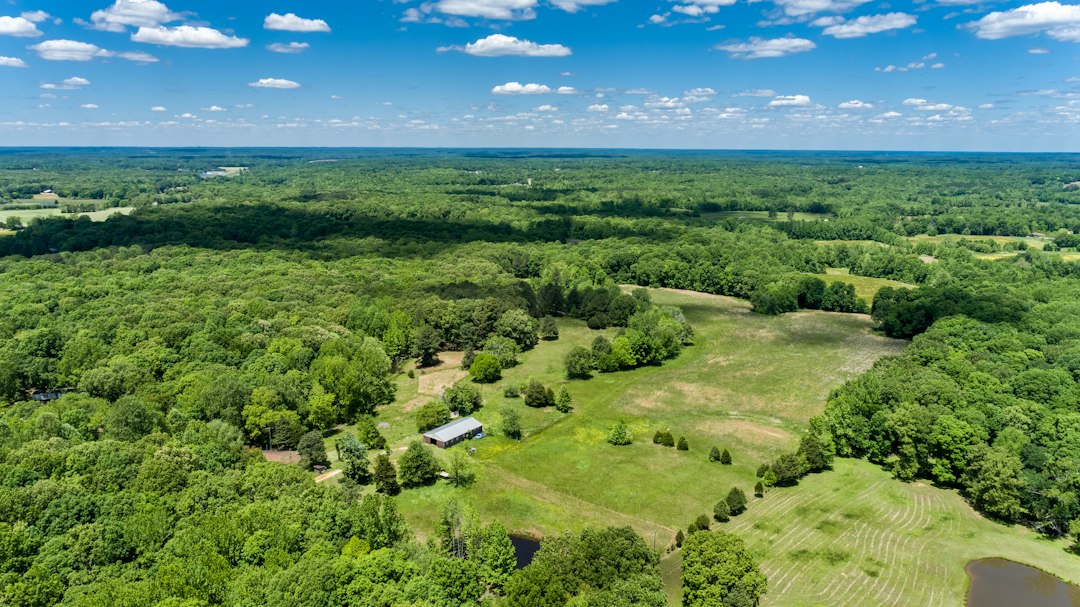
A South Florida buyer accustomed to municipal water and sewer should ask direct questions about rural Tennessee property systems. Is there a private well, public water, septic system, propane, shared road or easement? Is broadband actually available at the property rather than merely shown on a broad coverage map? Does a creek, slope or wooded area limit the use you imagined? Obtain survey and permit records where relevant. Tennessee’s septic FAQ describes permit searches and the rules for repair or modification.
Weather feels different too. Middle Tennessee has four distinct seasons and colder periods than South Florida, so ask about heating equipment, insulation, winter access, tree maintenance and drainage. An outdoor space may be used differently through the year. If you are hoping for a garden, workshop or additional dwelling, research local zoning, restrictions, utilities and septic capacity before assuming the parcel supports it. A listing photo of a broad field is an invitation to investigate, not a development approval.
Insurance and tax comparisons should be address-specific. Ask an insurance professional for the proposed coverage and any flood, wind or other needs for each home. Confirm current Tennessee tax information with the county and ask how the purchase could affect the bill. If school assignment matters to you, verify it with the responsible district. Ads and third-party maps can be out of date. Keep these checks objective and tied to the property.
If your Florida home has a tax benefit connected to your ownership or residency, do not carry its current bill into a Tennessee spreadsheet as if the two systems were directly comparable. Write down the Florida bill you actually pay, the tax basis behind it and the likely Tennessee bill for the precise parcel after purchase. Discuss any eligibility questions with the taxing authorities or your tax adviser. The same discipline applies to a condo assessment: a low current payment can mask a future project, while a larger due may include services you would otherwise buy separately. Request the documents, not just the agent’s summary. Finally, ask for the Tennessee property’s recent utility use with its occupancy and temperature settings in mind. Your usage can be different. These steps make the budget less exciting on paper but much more useful when you decide whether the move works.
Plan the move without relying on a perfect closing chain
If your Florida sale finances the Tennessee purchase, create a joint calendar with both agents, lender and title companies. Determine when funds will be available, whether you need temporary housing and how much overlap you can carry. A sale contingency may narrow the offers a Tennessee seller will consider, while buying before you sell may increase your financial exposure. Ask your lender for the actual qualifying scenarios rather than guessing.
Before traveling, share your move date, comfortable payment, preferred property type and the places you need to reach. Save current listings shortly before the trip, then choose a few representative homes in each area. Use the first day to eliminate routes or property types that do not fit. Use the second to revisit the strongest choices and investigate water, drainage, parking, association rules and upkeep. Do not mistake a vacation-day drive for the trip you will make every Tuesday.
Take one of your familiar Florida routines and follow its Tennessee equivalent. If you regularly visit a specialist, airport, workplace or relative, map that trip from the proposed house. If you expect to host visitors, consider where they would park and sleep. If you are leaving a condo for land, ask what you would actually do with the outdoor space each month and who will maintain it. These small tests can overturn a choice based on scenery alone. They can also confirm that a quieter route or a larger property is worth the trade for your household.
During an offer, review inspection, appraisal, financing and closing terms alongside price. If you are buying remotely, request video follow-ups and documentation, but rely on qualified inspectors and local authorities for property facts. A screen can show room flow; it cannot tell you the condition inside a roof or septic system. Ask who verified each material claim and when. Keep a written record of answers and contractual deadlines.
The Middle Tennessee relocation overview can help frame the process. A thoughtful search begins with your actual life and finances, then narrows to homes you can visit, inspect and afford under current terms.
Frequently Asked Questions
Does selling a South Florida condo give me enough for a Tennessee house?
It might, but the answer depends on your net proceeds, financing and the Tennessee location and property. Include assessments, seller costs and cash reserves before turning a Florida list price into a down payment. Then compare current homes at the full monthly payment.
Will my Tennessee homeowners insurance be lower?
Do not assume that. Coverage, construction, claims history, location and insurer pricing affect each quote. Ask for an address-specific proposal and compare coverage as well as premium.
Should I shop for acreage on my first Tennessee trip?
See a representative rural property if land is important, but also tour a manageable in-town option. Compare usable land, access, utilities and your daily routes before narrowing the search. Have professionals verify proposed improvements.
How should I compare HOA fees across states?
Look at what each association pays for, reserves, insurance, rules and assessments. A low due may leave more direct costs or indicate underfunding. Read the documents for the specific community instead of comparing two monthly numbers alone.
Can I coordinate a same-day Florida and Tennessee closing?
It may be possible, but it leaves little room for a lender, wire or recording delay. Ask both title companies and your lender to map the funds and deadlines, and consider a backup housing plan.
About Harley Pope
Harley Pope is a lifelong Middle Tennessee local and a Realtor with Pope Real Estate Group at The Baker Brokerage. He helps relocating buyers compare Nashville, Dickson County, Maury County and surrounding areas through real properties and everyday routes. His approach centers on verified details, useful tradeoffs and a purchase plan that fits the household’s actual timing and resources.
If you are moving from South Florida, Harley and Victoria Pope can help translate your sale proceeds and priorities into a focused Middle Tennessee search. Contact Pope Real Estate Group with your proposed timeline and the destinations that matter to you.