
Nashville-Area Communities to Consider When Moving From Austin

An Austin to Nashville move should be organized around the work location, housing responsibilities, and everyday activities you want to keep. Nashville, Franklin, Spring Hill, Columbia, Fairview, Dickson, and other suitable communities offer different property and route choices. Compare actual homes, usable outdoor space, and complete ownership costs. Shared interest in music or an appealing city visit is not enough to choose a long-term address.
Last updated: October 12, 2026
I’m Harley Pope, a lifelong Middle Tennessee local and Realtor with Pope Group at The Baker Brokerage. This guide helps Austin-area buyers decide where to focus a Tennessee search. It does not treat either metro as one uniform experience, promise savings, or suggest that every relocating household should choose the same community.
Austin to Nashville: describe the ordinary week you want
Start with your current Austin routine. A central attached home, an established house near regular destinations, and a newer suburban property can produce different priorities. Use your actual address and ownership experience as the comparison.
List what you want to preserve and what you want the move to improve. You may value an exercise route, a garage, access to activities, less maintenance, a dedicated office, or more useful outdoor space. Define the feature rather than asking for a Tennessee equivalent of a familiar Austin name.
Separate essentials from flexible preferences. A reliable work setup may be essential, while a bonus room is optional. A main-level bedroom may matter more than additional square footage. A specific daily route can outweigh a larger yard you would rarely use.
Use the Middle Tennessee relocation resource to turn that brief into a practical plan. The goal is to find a few property-and-location patterns that could work, then investigate them thoroughly enough to make a decision.
Work location should shape the first map
Confirm the workplace and expected schedule before selecting a distant community. Nashville-based work and a destination around Franklin can point to different starting areas. If two people work in different places, map both and compare the recurring trips.
For hybrid work, test the office-day route at the hours you expect to travel. Include the local road connection, parking, errands, and the return. A drive that happens only several times weekly can still materially affect the usefulness of the home.
For remote work, the property becomes part of the work infrastructure. Verify internet availability, installation timing, office function, and the employment arrangement relevant to financing. Airport trips and recurring appointments still belong on the map.
If your Austin routine includes CapMetro Rail, investigate the new transportation plan directly. Check current WeGo services for the full Tennessee journey. A station or stop nearby does not settle schedule, transfers, or access to the final destination.
Nashville: evaluate the block and the activities you would actually use
Nashville deserves the first comparison when your work or frequent activities are in the city. Begin with those destinations, then compare individual blocks and housing types rather than choosing from a broad reputation.
If nearby businesses are important, walk the actual routes from a candidate home. Examine distance, crossings, sidewalks, and the practical return with purchases. Access to dining or entertainment can be useful without eliminating driving for other errands.
Compare an established detached home with attached or condominium options where they meet the brief. Look at parking, storage, stairs, outdoor use, noise within the property, building condition, and shared responsibilities. A smaller home in a useful location may support your routine better than extra rooms farther away.
Keep the attraction of a city’s music or cultural offerings separate from the housing decision. Choose the places you would realistically visit, then test their connection to the home. A vacation itinerary is not the same as an ordinary Tuesday.
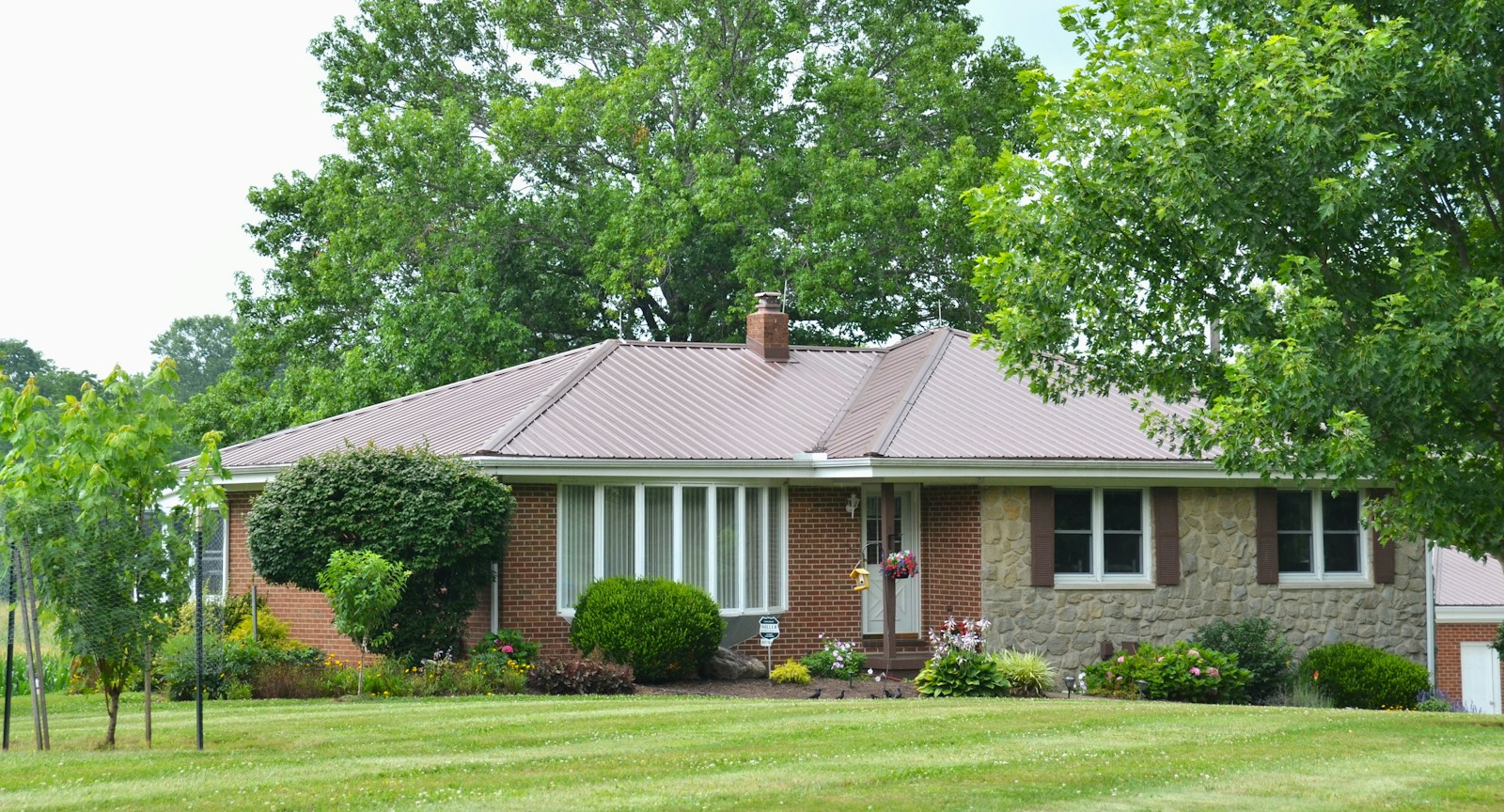
Franklin and Brentwood: choose the southward search for a concrete reason
Franklin and Brentwood can fit a move whose workplace or housing priorities point south of Nashville. Compare the actual addresses separately rather than assuming both cities offer one suburban experience.
In Franklin, distinguish historic character, downtown access, established communities, and planned developments. Each pattern creates different maintenance, document, and route questions. An appealing neighborhood description should lead to a specific property review.
In Brentwood, compare the usable lot and interior arrangement with the responsibilities you want. A larger private yard may be appealing, while a smaller lot near common open space offers a different ownership product. Verify boundaries, rights, and rules rather than assuming adjoining greenery belongs to the home.
The new Franklin neighborhoods guide can help prepare a focused visit. Use it to select housing patterns, then inspect the homes, budget, and daily routes that apply to your purchase.
Spring Hill and Columbia: let the property advantage justify the distance
Spring Hill and Columbia are useful comparisons when a specific job, layout, or property need points farther south. More square footage alone should not decide whether the location works.
Spring Hill spans Williamson and Maury counties. Confirm the exact parcel and services, then examine the connection to your intended route. Compare established homes and new construction through the finished price, written terms, condition, and completion timing.
Columbia provides historic, established, and newer housing possibilities with a different regional location. Evaluate the errands you would use and any regular trips north. A locally convenient home can still be a poor fit for a frequent Nashville destination.
The Spring Hill neighborhood guide offers a closer look at county, home-type, and route questions. Compare representative properties after deciding that the southern location belongs on your list.
Fairview and Dickson: compare land with practical access
Fairview and Dickson can be useful when the western route or a home-and-land requirement supports the search. Give each a specific reason to enter the comparison.
For a property with more space, identify what the land can actually do. Grade, drainage, tree cover, boundaries, access, and restrictions can affect usefulness. A green hillside and a level yard offer different benefits even when their acreage totals look similar.
Confirm water, wastewater, internet, legal access, and road responsibility at the exact address. Where septic applies, review records, condition, and permitted capacity. A future workshop or additional structure should be evaluated separately before it becomes the reason to buy.
If outdoor recreation is a priority, test the trip to the place you would use rather than assuming nearby countryside provides public access. Private land, a public park, and a home with usable acreage are different arrangements that should be understood clearly.

Outdoor routines need a home and seasonal maintenance plan
Decide which outdoor activities matter to your week and how the Tennessee home would support them. A covered porch, storage, shade, manageable lawn, or useful garden area can be more meaningful than a large outdoor space with no practical plan.
Use the National Weather Service Nashville climate records to evaluate seasons beyond your visit. Its records and normals provide regional context for summer heat, winter freezing conditions, and precipitation throughout the year.
At the property, inspect drainage, roof runoff, exterior surfaces, trees, and the areas where equipment would be kept. Ask an inspector about HVAC, insulation, and any moisture-related concerns specific to the construction. Familiar-looking finishes do not establish familiar maintenance requirements.
Put upkeep into the routine. More land can require mowing, leaf work, tree care, and equipment or services. Great homes make ordinary days better when the features you want remain enjoyable after the responsibilities are understood.
Layout and remote work deserve more weight than room labels
Walk through a finalist in the order you would use it. Check the connection from parking to kitchen, laundry, daily living, bedrooms, storage, and outdoor space. A room count cannot tell you whether those functions work together.
For an office, examine doors, noise, light, temperature, and the space required for real equipment. A flex room beside the main living area may perform differently from a room that can be closed during calls. Consider overlapping work schedules if applicable.
Confirm internet plans and installation expectations directly with the provider. For a move tied to an employer change or remote agreement, coordinate documentation with the lender before assuming the financing plan remains the same.
Compare larger homes with smaller, better-positioned options. Additional rooms may solve a real need, but they also bring furnishing, cleaning, heating, cooling, and exterior obligations. Decide which space improves the move rather than maximizing size automatically.
Compare Austin and Tennessee costs using the same categories
Build the new budget from current financing estimates, verified taxes, insurance quotes, association charges, utilities, maintenance, and essential repairs. Add moving costs, temporary housing if needed, and recurring travel back to Texas.
The Austin and Nashville cost comparison helps organize the broader categories. The Austin home-budget guide supports property comparisons. Update the assumptions with your actual household expenses and current address-specific information.
For a new home, include lot premiums, options, landscaping, window coverings, and other finishing costs where applicable. For resale, separate essential systems work from optional remodeling. The first-year budget can differ even when the asking prices appear similar.
Ask a qualified adviser about tax effects involving employment, residence, and the Texas home sale. General state descriptions do not predict a household’s result. Keep that professional analysis distinct from a housing-price comparison.
New construction and resale should share one comparison sheet
Ask what the written new-home price includes on the exact lot. Verify structural choices, finishes, appliances, outdoor work, association responsibilities, and any unfinished items. A model home can demonstrate possibilities without establishing the contract’s final product.
Review builder incentives through written conditions and current lender estimates. Compare cash required, loan terms, total price, and complete features. A promotional payment should not replace the underlying financial review.
For resale, inspect condition, documented improvements, layout, and possession terms. A home needing cosmetic changes may be useful if the essentials are strong and the budget supports the work. Unresolved major repairs deserve a different treatment from optional decorating.
Distinguish current roads and amenities from proposed, approved, or incomplete phases. The property should meet essential needs with conditions you can verify, rather than requiring a future promise to become a workable home.
Coordinate the Austin sale and Tennessee arrival
Create a written timeline that connects the current housing, financing, Tennessee purchase, closing, possession, and physical move. Determine whether sale proceeds are required and when they can be used. Keep expected milestones separate from completed ones.
Coordinate inspections, appraisal, documents, repair decisions, and contract timing with the professionals handling both transactions. Discuss what happens if dates shift. A moving reservation should have a realistic plan around transaction uncertainty.
Obtain written pickup, delivery, storage, and coverage terms. Keep essential work equipment and household supplies available during the trip and before belongings arrive. Temporary housing can provide flexibility, but account for the full expense and possible second move.
If a Texas Realtor is coordinating the transition, our referral-partner resource provides the service starting point. Share timing, priorities, and communication needs early so the move can be organized around your decisions.
Design a decision trip around The Tuesday Test
Choose two or three realistic location patterns for the first visit. Compare a home near the primary destination, a suburban option, and one alternative with a meaningful space or layout benefit. Keep budget and essential requirements consistent enough to make the differences useful.
Leave time for routes and ordinary errands as well as showings. For The Tuesday Test, make the work or appointment trip, complete a routine stop, return home, and imagine the evening. Include the outdoor activity or walking trip you expect to repeat.
After each visit, record the most useful gain, largest new responsibility, and question that could change the purchase. A second focused visit to a finalist can be more valuable than collecting impressions of several additional towns.
Finish with a reasoned shortlist and an ownership worksheet for each finalist. The next showing and offer discussion can then address specific choices about location, condition, space, and the routine behind your move.
Frequently Asked Questions
Should music and cultural interests decide the neighborhood?
They can help identify destinations you want to use, but evaluate the whole week. Test their connection to the home alongside work, errands, maintenance, and budget. An enjoyable city visit does not establish that a particular address is the best purchase for you.
Can remote work make any Middle Tennessee community practical?
It creates flexibility, but internet, office function, appointments, airport visits, and recurring activities still matter. Verify the exact property and the trips you will make. Remote work does not make all locations interchangeable.
How should I compare outdoor space with my Austin home?
Define the activity you want and evaluate usable land, shade, covered areas, storage, drainage, and maintenance. The acreage number alone cannot establish usefulness. Choose a setup you can comfortably enjoy and maintain across seasons.
Is a builder promotion enough reason to choose a farther location?
No. Compare the complete financing terms and finished property with the daily route and ownership costs. An incentive may improve a purchase, but it should not erase a location that fails an essential requirement.
What should I send before arranging Tennessee showings?
Share work arrangements, budget, timing, Austin sale status, essential home features, and the routines you want to keep. Include outdoor and office requirements. Those details support a focused itinerary and realistic community shortlist.
About Harley Pope
Harley Pope is a lifelong Middle Tennessee local and Realtor with Pope Group at The Baker Brokerage. He helps relocating buyers and local homeowners compare homes, condition, location, ownership costs, and everyday use across Nashville, Dickson County, Maury County, and surrounding communities. His guidance connects the reason for a move with practical property comparisons, clear tradeoffs, and coordinated steps toward a useful home.
Planning an Austin move? Contact Harley and Victoria Pope at Pope Group at The Baker Brokerage to build a Tennessee shortlist around your work, outdoor priorities, housing goals, and ordinary week.