Franklin Neighborhoods: Comparing Location, Price, Amenities and Housing Style

Franklin neighborhoods should be compared by their relationship to your daily destinations, the home’s condition and layout, usable outdoor space, and complete ownership cost. Historic areas, established subdivisions, and planned communities can offer very different purchases within the same city. Start with the reason for choosing Franklin, then evaluate individual homes without assuming a neighborhood name guarantees price, convenience, or amenities.
Last updated: October 12, 2026
I’m Harley Pope, a lifelong Middle Tennessee local and Realtor with Pope Group at The Baker Brokerage. This is a housing-options guide for Franklin, Tennessee, rather than a neighborhood ranking or current listing report. The right comparison connects the location you want with the property you can comfortably own.
Franklin neighborhoods: choose the location question first
Decide what needs to be convenient before comparing subdivision names. Downtown Franklin, the Cool Springs area, Nashville destinations, and routes farther south can point to different searches. A home should be judged by the trips you will make most often.
Begin with the Franklin community guide and identify your work address, appointments, and regular errands on a map. Add home priorities such as a main-level bedroom, garage, smaller yard, office, or room for a planned project.
The Williamson County guide helps place Franklin among nearby choices, but county context does not replace a parcel-level review. Verify city limits, taxes, services, and any school assignment through the applicable offices for the exact property.
Use three short lists: essential requirements, worthwhile preferences, and features you do not want to maintain. A neighborhood offering many amenities may be less useful than an established home near work if you rarely use those amenities.
Historic Franklin: distinguish location appeal from renovation feasibility
Historic streets can offer architecture and a connection to downtown that are difficult to reproduce in a newer home. Evaluate those benefits alongside parking, floor plan, storage, systems, and exterior maintenance before deciding what the location is worth to you.
The city explains that Certificates of Appropriateness are required before most exterior alterations within the Historic Preservation Overlay. Confirm whether the particular property is covered and ask about your specific project before planning changes.
An older home outside that overlay may raise different questions, so do not apply one property’s rules to every historic-looking house. Separate local regulation, recorded restrictions, and the practical cost of preserving materials. Get the appropriate professional guidance for each.
Ask for the renovation history and records. A new bathroom does not establish the condition of the electrical system, foundation, roof, or crawl space. If the home needs work, compare the cost and disruption with the advantages you expect to gain from the location.
Downtown connections: test the route from the front door
A home described as close to downtown deserves a walk and a drive to the destinations you would actually use. Distance on a map does not explain sidewalks, crossings, parking, grades, or the return trip after carrying groceries.
Visit the block at realistic hours. Think about outdoor use, road exposure, deliveries, and where guests would park. These are ordinary property-fit observations, not a reason to assign a reputation to an entire area.
The city’s Franklin overview helps orient a first visit. Use downtown exploration as one part of the decision trip, then include work, shopping, healthcare, and the home itself. An appealing afternoon should not replace those checks.
For buyers who want a compact property, consider attached housing where it meets the brief. Review association obligations, parking rights, shared maintenance, insurance responsibilities, and restrictions. The practical purchase may differ substantially from a detached home only a few streets away.
Westhaven: compare the particular product and obligations
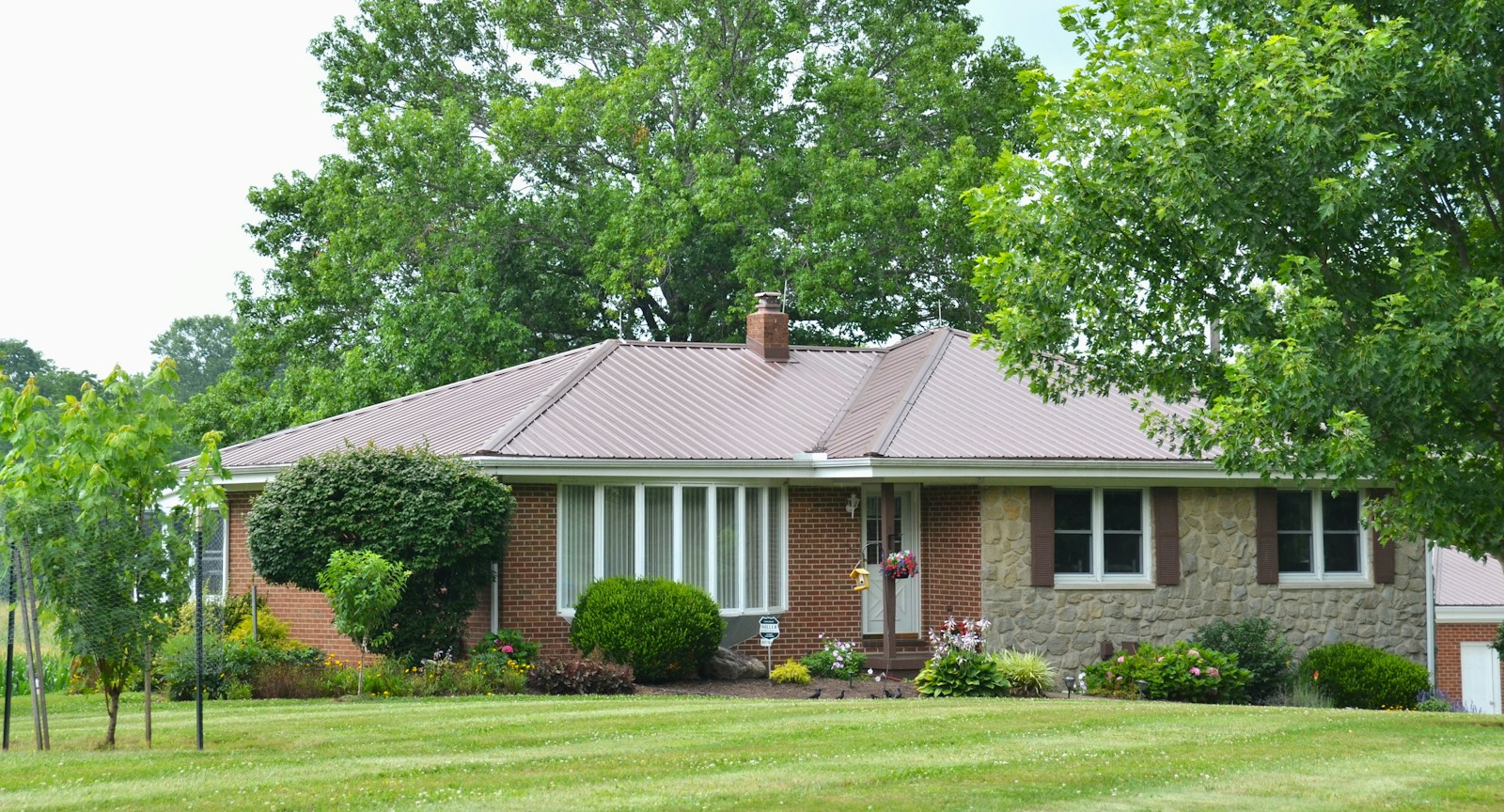
Westhaven is a named Franklin comparison for buyers interested in planned-community housing. Its official community website describes a Village Center, several housing products, and amenities. Those descriptions are starting points for questions, not a substitute for current purchase documents.
Identify the exact type of home and the portion of the community under consideration. Detached houses, townhomes, and condominiums can have different responsibilities, storage arrangements, parking, and expenses. Confirm what the proposed purchase includes and what requires a separate membership or fee.
Walk the actual route between the home and the places you expect to use. A community designed with connected destinations does not mean every address offers the same walking distance or same relationship to recreation and retail.
Review association fees, rules, architectural approvals, available amenities, and any work that remains planned. Compare resale and new construction using the finished price and written terms. Attractive renderings, a model home, and a specific available property are not interchangeable evidence.
Fieldstone Farms: examine an established association community directly
Fieldstone Farms provides another named Franklin starting point. The homeowners’ association maintains community information, documents, and amenity guidance. Its current resources help buyers identify questions to ask about ownership responsibilities.
Evaluate the individual home rather than assuming a uniform condition or layout across the subdivision. Compare updates, roof and HVAC age, outdoor space, garage function, and the work needed before move-in. Mature landscaping may be appealing while also bringing inspection and maintenance considerations.
The association’s information notes membership requirements and resident amenity access. Obtain the current documents, charges, and applicable rules for the exact purchase. Do not rely on a prior listing’s fee, another homeowner’s recollection, or a general description of the facilities.
Test the routes from the property to your destinations. An established community can solve the housing brief without solving every travel requirement. Keep those questions separate so a useful amenity does not distract from an unsuitable daily drive.
Cool Springs and other work-oriented searches
If the reason for choosing Franklin is a job or recurring destination around Cool Springs, begin with the exact destination. Compare homes by the local roads needed to reach it, including the return trip and routine stops.
Examine the connection from driveway to the larger route. Intersections, turning movements, and the location of errands can make addresses that look close on a map function differently. Test at the hours you expect to travel rather than using a weekend drive as the answer.
Compare housing choices without assuming that every home in the wider area carries the same price or amenities. An attached home with shared maintenance, an older detached house, and a newer subdivision property may require very different financial and lifestyle decisions.
If a job is actually in Brentwood or Nashville, add a representative home nearer that destination. The comparison clarifies what you gain from Franklin and what additional travel you are willing to accept.
Lots and amenities: compare what you will use
Outdoor space should be evaluated by function. Identify the area you can comfortably mow, garden, entertain in, or use for another intended purpose. Slopes, drainage, trees, easements, and restrictions can matter more than the headline lot size.
For a pool, workshop, addition, or other planned improvement, confirm feasibility before treating it as part of the home’s value to you. Review the recorded documents and local requirements, then get appropriate site and cost advice. A yard that appears generous can still have meaningful limits.
Amenities should receive the same practical treatment. Ask which facilities are available, whether access is included, what restrictions apply, and what the recurring costs are. A pool or trail may be a significant benefit when it replaces something you already use.
If your goal is less maintenance, compare the total responsibilities carefully. A smaller lot can simplify outdoor work but does not eliminate association expenses or building upkeep. Choose the arrangement that fits the way you want to spend ordinary weekends.

Price: compare completed homes and complete terms
This guide does not publish fixed neighborhood price ranges. Those ranges can become outdated and can obscure differences in size, condition, lot usability, and transaction terms. Use recent relevant sales and current competition when evaluating an actual property.
For a remodeled resale, examine the scope and documentation of the work. For a new home, identify lot premiums, options, finishing items, and written incentives. Compare the total cash required and current lender estimates rather than only the displayed asking price.
A home needing updates may be the right purchase when the layout and location are strong, but the work must be realistic for your budget and timing. Separate essential repairs from optional design choices. They create different levels of obligation after closing.
The Franklin buyer’s guide provides purchase-process context. If you are also selling, the Franklin selling guide helps frame preparation and timing for the other side of the move.
Compare nearby alternatives for a specific reason
Nearby alternatives are most useful when they test one assumption. If you want a different balance of home features and location, compare an actual property in Spring Hill or Thompson’s Station. Include the complete route and ownership cost.
For a western route or a different property setting, Fairview may deserve its own visit. Its location is different, so evaluate it on the destinations and lot use that matter to you rather than grouping all Williamson County housing together.
The Spring Hill neighborhood guide offers another way to compare lot, county, and home-type questions. An alternative belongs on the short list only if you would seriously buy there after testing the tradeoff.
Remove areas that fail essential requirements even when their homes photograph well. A focused map makes the next showing more productive and reduces the risk of choosing a property around a feature that does not improve everyday life.
Build an ownership worksheet and an inspection plan
Put current financing estimates, verified taxes, insurance, association fees, utilities, and expected maintenance on one worksheet for each finalist. Add essential repairs and moving expenses separately so the first year is visible.
For a larger home, consider cleaning, furnishings, exterior surfaces, and equipment storage. For an attached property, review shared responsibilities, association finances, coverage, and planned work. For an older home, ask the inspector to address the systems and structural concerns relevant to its construction.
If future changes are central to the purchase, collect the necessary approvals and professional opinions before assuming they will work. A purchase that only makes sense after an uncertain addition or alteration deserves more investigation.
Keep each fact marked as verified, estimated, or unresolved. That simple distinction helps an attractive house stay in proportion while the professionals answer material questions about condition, title, financing, and use.
The Tuesday Test for a Franklin shortlist
Tour representative homes in two or three realistic location patterns. You might compare a historic-area home, an established subdivision property, and a planned-community option while keeping essential layout requirements and budget reasonably consistent.
For The Tuesday Test, drive to work or an appointment, make a normal shopping stop, return, and picture the evening at home. Add the walking trip or amenity visit you expect to repeat. Pay attention to the connection from the exact property, not just the community entrance.
After each visit, write down one meaningful advantage and one practical limitation. Identify any expense or document question that could change the decision. Return to the finalists with those questions instead of collecting more unrelated showings.
Great homes make ordinary days better when the location, layout, and responsibilities support your actual routine. A useful Franklin search ends with a few clearly understood choices and enough information to make a reasoned offer.
Frequently Asked Questions
Does a Franklin address mean a home is near downtown?
No. Test the route from the actual property to the destinations you intend to use. Mailing address, municipal limits, and practical downtown access are separate questions. Walking conditions and parking should be checked directly.
Are all Westhaven housing options maintained the same way?
Do not assume so. Confirm the ownership product, association documents, maintenance responsibilities, charges, and amenity access for the exact purchase. Detached homes, attached homes, and condominium arrangements can raise different questions.
What should I verify before remodeling a historic-area home?
Confirm applicable overlays, local approvals, recorded restrictions, and the proposed project’s feasibility. Franklin’s historic review process can apply to exterior alterations in covered areas. Get guidance for the particular address and work before budgeting around it.
How should I use a neighborhood’s advertised price range?
Treat it as preliminary orientation rather than a current valuation. Compare recent relevant sales, present competition, condition, lot differences, and complete transaction terms for the property. A broad range cannot establish what an individual home is worth.
Can I compare Franklin with nearby towns without touring everything?
Yes. Select one or two alternatives that test a meaningful priority, such as a work route or lot requirement. Tour representative homes and remove options that fail essentials. A focused comparison is more useful than a large collection of impressions.
About Harley Pope
Harley Pope is a lifelong Middle Tennessee local and Realtor with Pope Group at The Baker Brokerage. He helps buyers and sellers compare housing, location, condition, and ownership choices across Nashville, Williamson County, Maury County, Dickson County, and surrounding communities. His approach emphasizes practical daily routines, property-specific documentation, and clear tradeoffs so clients can make decisions that support their priorities.
Comparing Franklin homes? Contact Harley and Victoria Pope at Pope Group at The Baker Brokerage to build a focused shortlist around your work routes, home requirements, and comfortable ownership budget.