Nolensville Neighborhoods: Comparing Communities, Newer Homes and Location

Nolensville neighborhoods are easiest to compare through three questions: which daily routes work, what kind of home and lot you need, and how much community maintenance you want to share. An established subdivision, a newer development, and a property outside a planned community can all suit different goals. Evaluate the exact address before choosing a neighborhood name.
Last updated: October 20, 2026
I’m Harley Pope, a lifelong Middle Tennessee local and Realtor with Pope Group at The Baker Brokerage. This guide explains how to compare Nolensville housing options without treating every subdivision, mailing address, or newer home as the same product. It is a decision framework, not a ranking of residents or communities.
Nolensville neighborhoods: start with the address and the route
A useful search begins with your destinations. Write down the workplace, recurring appointments, shopping stops, and activities you actually expect to use. Then locate individual homes in relation to those points. A neighborhood that looks convenient on a regional map can involve a very different local-road trip from another property with the same town name.
Use our Nolensville community guide for orientation, then confirm the parcel, jurisdiction, and entrance serving each candidate. A postal address is a starting point. It does not independently establish town boundaries, county services, school assignment, or the agency responsible for a road.
Pay particular attention to how a property connects to Nolensville Road and the other roads on your actual journey. Test the complete trip in both directions. Turning movements, the neighborhood exit, and the final approach to work deserve as much attention as the highway segment.
Compare three housing patterns before choosing subdivisions
Begin with housing patterns, then select particular communities to tour. This keeps the search from being driven by attractive neighborhood photography or a model home’s decorating.
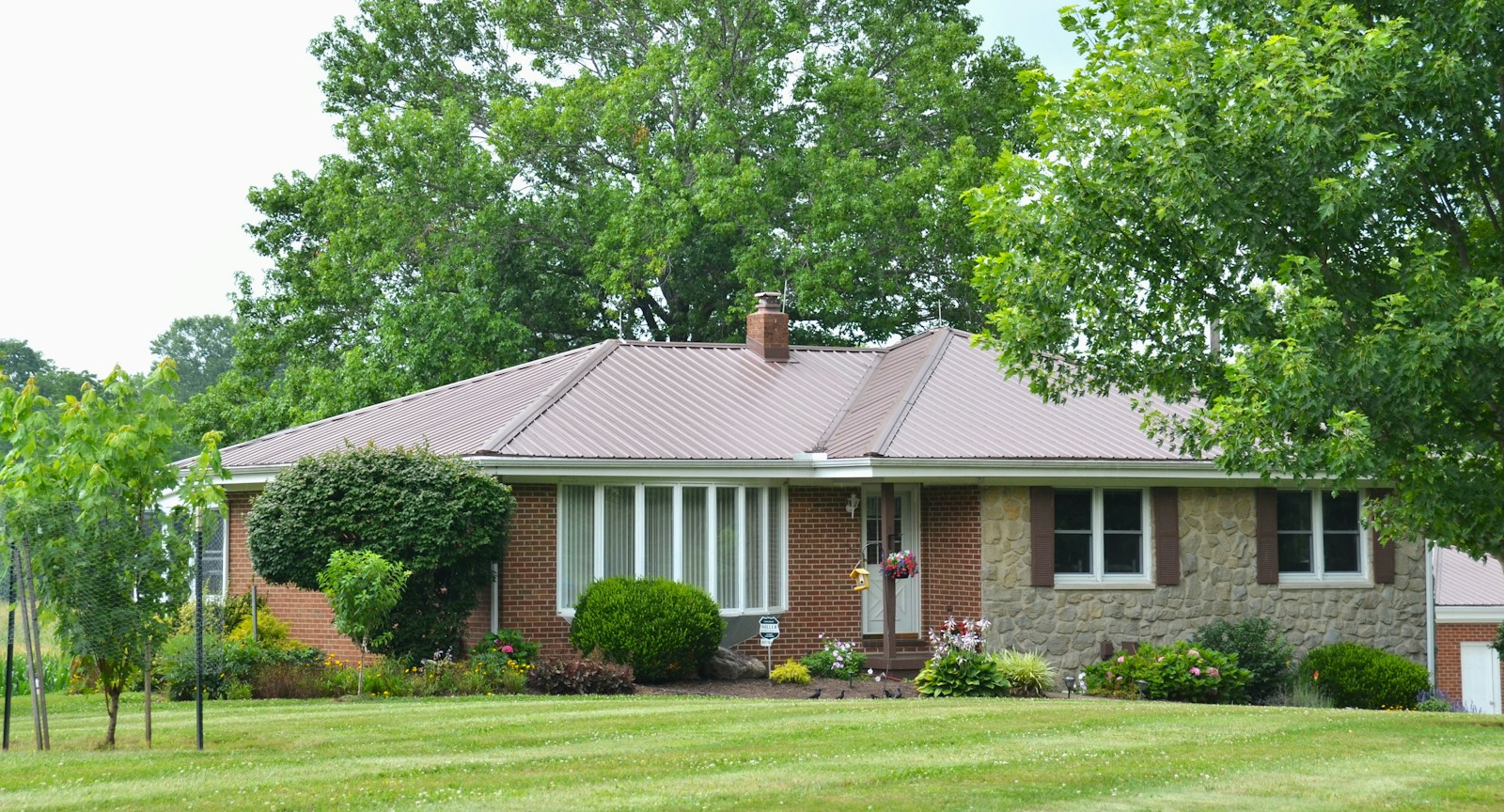
An established subdivision lets you examine the streetscape and neighboring development that exist today. You can see mature landscaping, completed homes, and the condition of common facilities. The tradeoff is that roof age, mechanical systems, drainage, or interior updates may differ substantially from one home to the next.
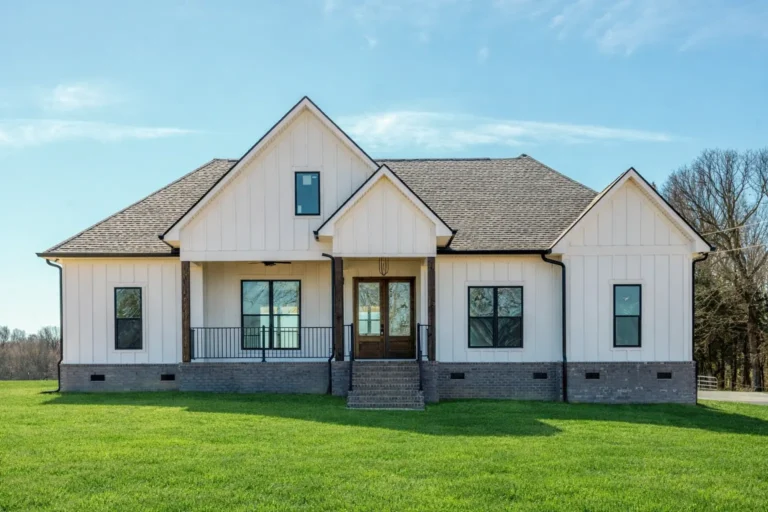
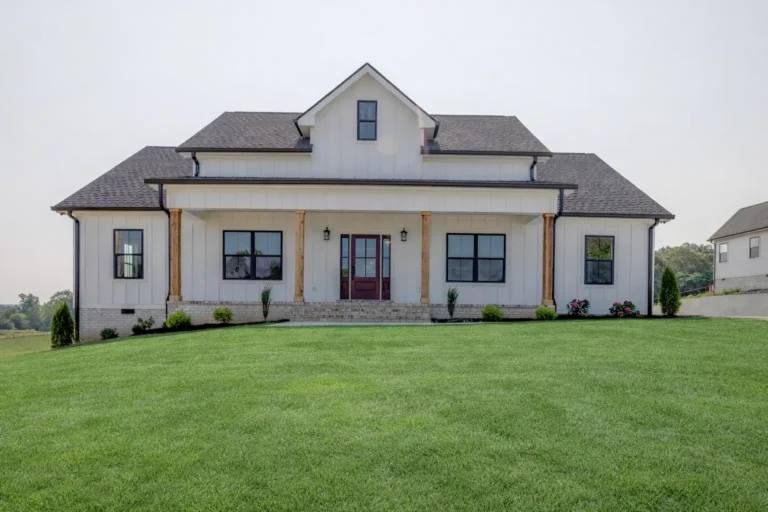
A newer community can offer contemporary floor plans and a chance to choose finishes. It also requires a careful distinction between completed features and promised phases. Inspect the exact lot, written specifications, construction surroundings, and realistic possession plan.
A home outside a planned subdivision may offer a different relationship between land, privacy, and ownership responsibility. Verify restrictions, utilities, access, and maintenance. The absence of a familiar neighborhood name does not establish unrestricted use or lower total cost.
Build a neighborhood comparison sheet that answers real questions
Use one sheet for each finalist, with the same categories. Otherwise it is easy to compare an established home’s actual expenses against a new home’s advertised starting price.
Record the address, usable interior layout, lot shape, yard maintenance, parking, route, association obligations, condition, and likely first-year work. Add one sentence explaining the strongest reason to buy that particular home. If the reason is vague, the neighborhood may be distracting from the purchase.
For every important feature, identify the evidence. A recorded document supports a boundary question. Current association materials support an amenity or restriction question. A provider confirmation supports an internet question. Marketing language can point you toward an investigation, but it should not end it.
The Williamson County housing guide helps place the comparison in a broader search. Keep the final decision tied to the individual property and the responsibilities that come with it.
Established homes: compare condition with the cost of changing it
An older home can be an excellent fit when its location and layout solve the right problems. The important distinction is between improvements you would enjoy making and repairs you must fund soon.
Look at the roof, heating and cooling equipment, windows, water management, and any accessible crawlspace or foundation conditions with appropriate professionals. A newer kitchen does not establish that the rest of the property has been updated to the same standard.
Then price the changes needed for your use. Moving a doorway, creating an enclosed office, improving a laundry area, or adding usable storage can involve different complexity from paint and lighting. Obtain qualified estimates before treating a project as a simple weekend task.
Use the Nolensville home-buying guide to organize inspection and purchase decisions. A home that needs some work may still be preferable to a newer alternative if the work, budget, and timing are manageable.

Newer communities: compare the finished product
A builder’s model demonstrates possibilities. Your contract describes what you are buying. Compare the exact floor plan, elevation, lot, options, appliances, exterior work, and completion conditions before comparing price with resale.
Ask which items are included and which remain your responsibility after closing. Window coverings, fencing, landscaping, storage, and outdoor living improvements can change the first-year budget. A move-in-ready resale and an unfinished new home should not be treated as identical simply because both have four bedrooms.
Review incentives with current written lender estimates and the relevant contract terms. Determine what is temporary, what depends on using a particular provider, and what happens if completion moves. Do not choose a home solely because one promotional payment looks attractive.
A home under construction also requires a backup housing plan. Identify what would happen to your current sale, moving reservation, rate arrangements, and belongings if possession changes. Resolve those practical questions before a completion estimate becomes the foundation of the entire move.
Lot size should describe usable space
Acreage and lot dimensions are useful, but they do not tell you how the land will function. Walk the areas you would actually use for a garden, play space, workshop, outdoor seating, or equipment storage.
Compare slope, drainage, retaining features, trees, easements, and the relationship between the house and yard. A broad front lawn and a practical rear yard solve different needs. A wooded slope can provide a view without providing level space for the project you have in mind.
Confirm boundaries through appropriate records and survey work. Do not assume a fence, mowing line, or adjoining open space establishes ownership. Ask what would happen if nearby land were used differently within its lawful permissions.
If the desired change involves a structure, pool, addition, or driveway, investigate approvals and feasibility before buying. A home with a large lot is not automatically a home with room for every future improvement.
Association amenities have obligations as well as benefits
Evaluate an association through the current documents for the exact property. Ask about dues, maintenance responsibilities, reserves where relevant, assessments, architectural review, and restrictions that affect your intended use.
Identify which facilities are open and available to this address. A rendering, sales-office description, or photograph from another phase does not establish current access. If a pool or trail is a major reason for the purchase, verify the specific right and its operating conditions.
Read rules affecting fences, parking, exterior changes, rentals, and outbuildings when those uses matter. A rule you would rarely notice can be decisive for someone with different equipment, work arrangements, or property plans.
Shared amenities can be worthwhile when you will use them and accept the costs. They can be a weaker fit if your priority is control over private land. Compare the complete ownership arrangement rather than labeling either approach automatically better.
Transportation plans should inform questions, not promises
The town’s planning studies and transportation resources describe its major thoroughfare planning and pedestrian connections. Use those resources to identify questions about a property’s surroundings and follow up with planning staff when a specific project could affect your decision.
A planned road or sidewalk is not the same as a completed connection. Ask whether an item is conceptual, adopted, funded, under construction, or open. Avoid making an essential daily routine depend on a future improvement whose timing you cannot verify.
Walk any route you expect to use on foot. Check continuity, crossings, grades, and the return trip with groceries or other belongings. A nearby destination may still require driving from a particular house.
For current highway conditions, consult TDOT SmartWay alongside your own route tests. Neither one traffic snapshot nor a pleasant weekend drive establishes a dependable weekday travel time.
Compare Nolensville with nearby alternatives for a specific reason
A nearby comparison is useful when it tests a real requirement. Brentwood can provide another set of home-and-lot options when your destinations point that direction. Franklin offers a separate comparison involving location, established areas, and planned communities.
Use the Brentwood neighborhoods guide when private lot use and home scale are central. Use the Franklin neighborhoods guide when the search involves different combinations of downtown access, housing style, and community structure.
Nashville should remain in the comparison if frequent destinations are there. A smaller home closer to those destinations may deserve a place beside a larger suburban home. The right answer depends on the week you intend to live.
Do not collect towns simply to lengthen the list. Choose two or three alternatives that test location, maintenance, or space, then compare representative properties under the same budget assumptions.
Budget for ownership before making an offer
Build the monthly estimate from the exact home’s financing, taxes, insurance, association charges, and utilities. Add a realistic maintenance reserve and any essential work identified during the purchase process.
Separate recurring expenses from one-time arrival costs. A moving bill, new furnishings, inspection follow-up, or fence installation can strain cash even when the monthly payment looks comfortable. Keep funds available for the transition itself.
Compare evidence for value using relevant properties and adjustments for condition, location, lot usefulness, and terms. A neighborhood-wide average can obscure meaningful differences. The most expensive finish in a model home does not automatically translate into equal resale value.
Sellers can use the Nolensville selling guide to understand the other side of that comparison. Buyers and sellers both benefit when the home’s advantages are specific and its limitations are understood early.
Use The Tuesday Test on your final two homes
Before deciding, rehearse an ordinary day from each finalist. Start with the commute or first appointment, make an errand stop, return home, and consider how the evening would work.
Inside the home, follow the route from parking to kitchen, laundry, office, and bedrooms. Outside, imagine caring for the actual yard and using the amenity or outdoor space you valued during the showing. Great homes make ordinary days better when their features remain useful after the novelty fades.
Write down the best gain, biggest compromise, and remaining unanswered question for each home. This makes the final conversation more concrete than asking which neighborhood felt most impressive.
If an essential requirement remains unverified, resolve it before relying on it in the offer. A deliberate shortlist usually produces better decisions than a long tour schedule that leaves little time to investigate any one property.
Frequently Asked Questions
Should I choose a subdivision before setting my home budget?
Set a complete ownership budget first. Then compare subdivisions and individual homes within it. Association expenses, condition, insurance, and first-year improvements can make similarly priced houses cost different amounts to own.
Does a Nolensville mailing address settle the property’s jurisdiction?
No. Verify the parcel and applicable boundaries directly. Postal naming alone does not confirm town services, county responsibilities, school assignment, or which office handles a particular permit question.
How can I compare a resale home with a model home fairly?
Use the resale home’s actual condition and the builder’s written specifications for the exact lot. Include options, unfinished exterior work, financing conditions, timing, and necessary improvements on both sides.
Is a larger Nolensville lot always more useful?
No. Slope, easements, drainage, boundaries, and restrictions affect how land functions. Define the outdoor use you need and investigate whether the specific lot can support it before assigning extra value to acreage.
What should I bring to the first neighborhood tour?
Bring your budget, work and errand destinations, essential layout needs, timing, and questions about outdoor use. A short list of nonnegotiable requirements helps make each showing and route test productive.
About Harley Pope
Harley Pope is a lifelong Middle Tennessee local and Realtor with Pope Group at The Baker Brokerage. He helps buyers, sellers, and relocating clients compare property condition, location, ownership responsibilities, and transaction timing across Dickson County, Maury County, Nashville, and surrounding Middle Tennessee counties. His approach centers on clear comparisons, honest tradeoffs, and a plan shaped around the client’s goals and everyday life.
Considering a Nolensville home? Contact Harley and Victoria Pope with Pope Group at The Baker Brokerage to compare the neighborhoods, homes, and ownership tradeoffs that fit your plans.