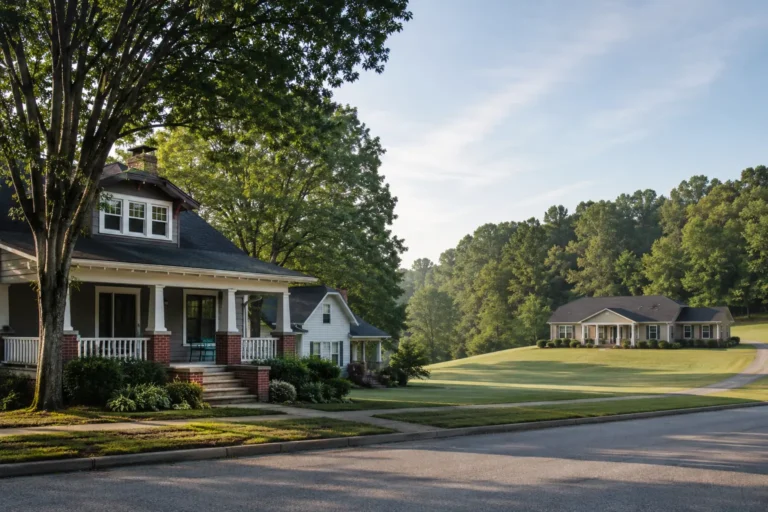
Brentwood Neighborhoods: A Guide to Luxury Communities, Lot Sizes and Location
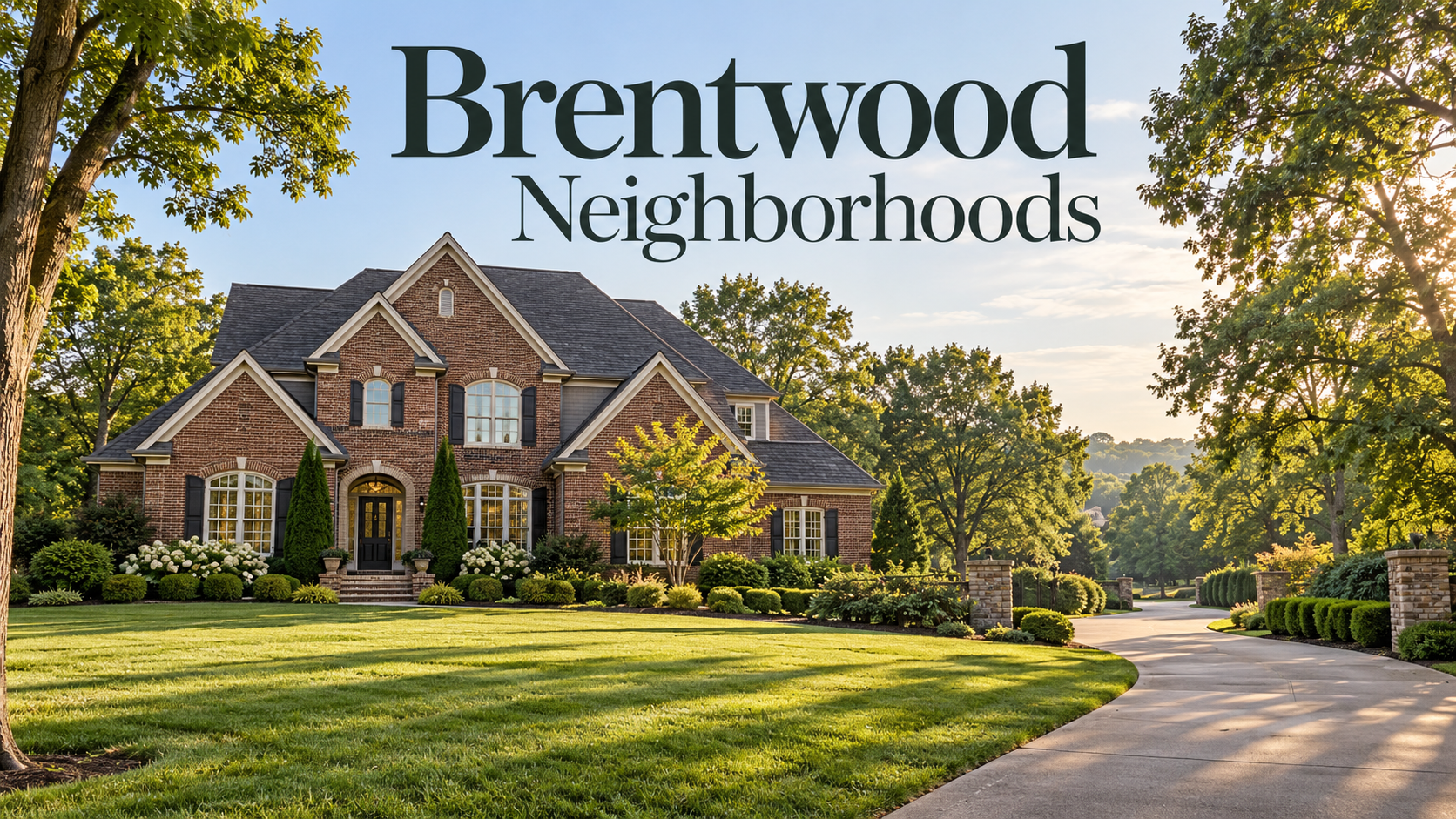
Brentwood neighborhoods offer different combinations of lot size, shared open space, home age, amenities, and access to daily destinations. Compare the exact property rather than assuming every Brentwood home has an acre or the same ownership obligations. Start with usable land, a workable floor plan, and a realistic route, then evaluate complete costs and the documents that govern your intended use.
Last updated: October 12, 2026
I’m Harley Pope, a lifelong Middle Tennessee local and Realtor with Pope Group at The Baker Brokerage. This guide covers Brentwood, Tennessee, housing decisions. It uses named communities as orientation points, not rankings or claims about current listings, residents, school quality, or guaranteed future value.
Brentwood neighborhoods: understand the address before the house
Verify the parcel’s location and jurisdiction early. A mailing address, subdivision name, and municipal boundary answer different questions. They can affect which records, services, and approval processes you need to investigate.
Begin with the Brentwood community guide and the Williamson County overview to orient the search. Then map your work address, regular appointments, shopping, and other recurring destinations.
Describe the practical housing brief: daily rooms, garage use, outdoor activities, stairs, storage, and maintenance preferences. A large home may solve the need for an office or guest space while creating additional upkeep that you do not want.
Keep luxury features in proportion to the underlying purchase. A pool, extensive outdoor kitchen, or elaborate landscaping should be evaluated through condition, useful life, operating expense, and your actual plans. Attractive presentation does not replace those questions.
One-acre density does not mean every lot is an acre
Brentwood’s planning and zoning explanation distinguishes residential zoning categories and explains the city’s one-acre-density concept. In open-space residential developments, individual lots can be smaller while preserved common space contributes to the development’s density calculation.
That distinction matters when comparing two properties. A home on a smaller private lot beside common open space offers a different ownership arrangement from a home with a larger private yard. Neither is automatically better; the useful choice depends on your intended activities and responsibilities.
The city’s examples include Brenthaven, Meadowlake, River Oaks, and Indian Point in its suburban residential discussion. It identifies McGavock Farms, Chenoweth, Raintree Forest, Annandale, and Taramore as examples of open-space residential development. These references explain planning patterns rather than current available inventory.
Confirm the actual parcel, recorded plat, easements, common-space boundaries, and applicable rules. Do not assume adjoining open land belongs to the homeowner or that it can be used for a private project. A listing’s description of a setting needs to match the documents.
Established large-lot comparisons: evaluate the useful yard
For a home in Brenthaven, Meadowlake, River Oaks, Indian Point, or another established setting, begin with the lot’s usable portions and the home’s improvement history. A broad yard can provide flexibility, but its value depends on grade, drainage, trees, access, and restrictions.
Walk the areas you expect to use where permitted. Identify the level space for seating, gardening, recreation, or a potential project. Look at the relationship between driveway, garage, entry, and backyard. These details can matter more than the acreage number.
Ask about documented roof, HVAC, plumbing, electrical, and structural work. A house with an updated interior may still have older systems. Compare the expected maintenance with the purchase price and with a newer option that meets the same location brief.
If an addition or detached structure is central to your plans, get feasibility guidance before treating the property as a solution. Local requirements, recorded restrictions, easements, and site conditions need review. A larger lot should not be purchased around an unverified building assumption.
Open-space communities: compare private space with shared responsibilities
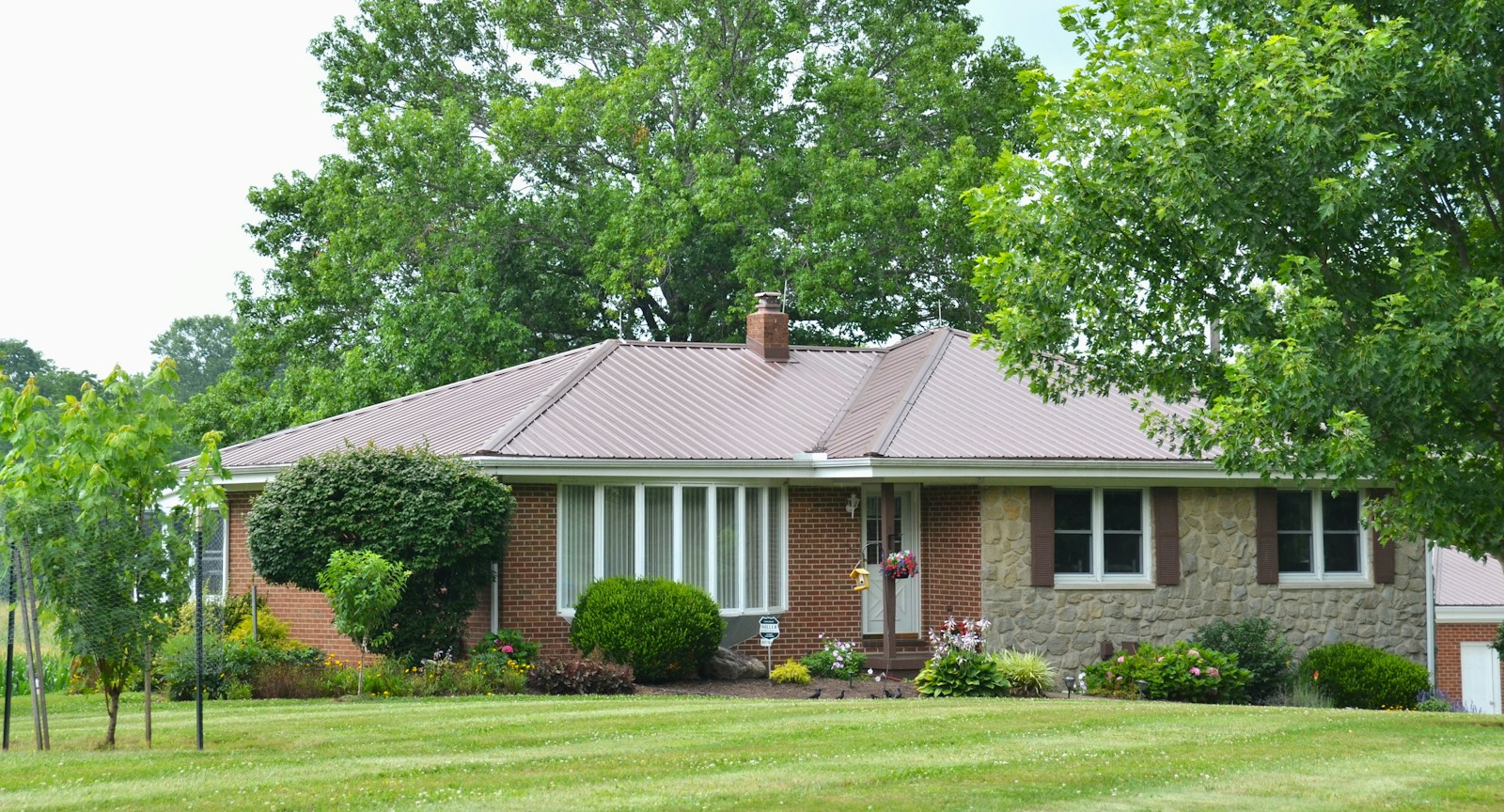
In communities such as those named in the city’s open-space examples, examine how the particular home relates to common land, paths, and amenities. The experience can vary from one street or lot to another within the same development.
Determine what is included in association charges, who maintains common areas, and what access rights the purchase provides. Ask about architectural approvals, exterior changes, parking, landscaping, and the intended use of open space. Obtain current documents rather than relying on a general description.
A smaller private yard may suit a buyer who wants less lawn work. It may not suit someone seeking extensive private outdoor use or a separate building. Shared green space can be a useful benefit, but it should be understood as a different arrangement from owned acreage.
For any advertised amenity, verify its current availability and applicable fees or memberships. Review maintenance obligations and planned work with the association and appropriate professionals. Amenities contribute to value when they support your routine and fit the ongoing budget.
Estate-style searches and the Old Smyrna Road context
For buyers seeking larger estate-style properties, investigate the actual zoning and lot requirements rather than using size alone as the search criterion. Brentwood’s planning resources discuss agricultural residential and large-lot categories, including the Old Smyrna Road corridor as an example in the agricultural residential discussion.
These are planning references, not a claim that every property along a road has identical zoning or permissions. Confirm the exact parcel and any overlay. Ask the city about the specific building, access, or landscape changes that matter to your plans.
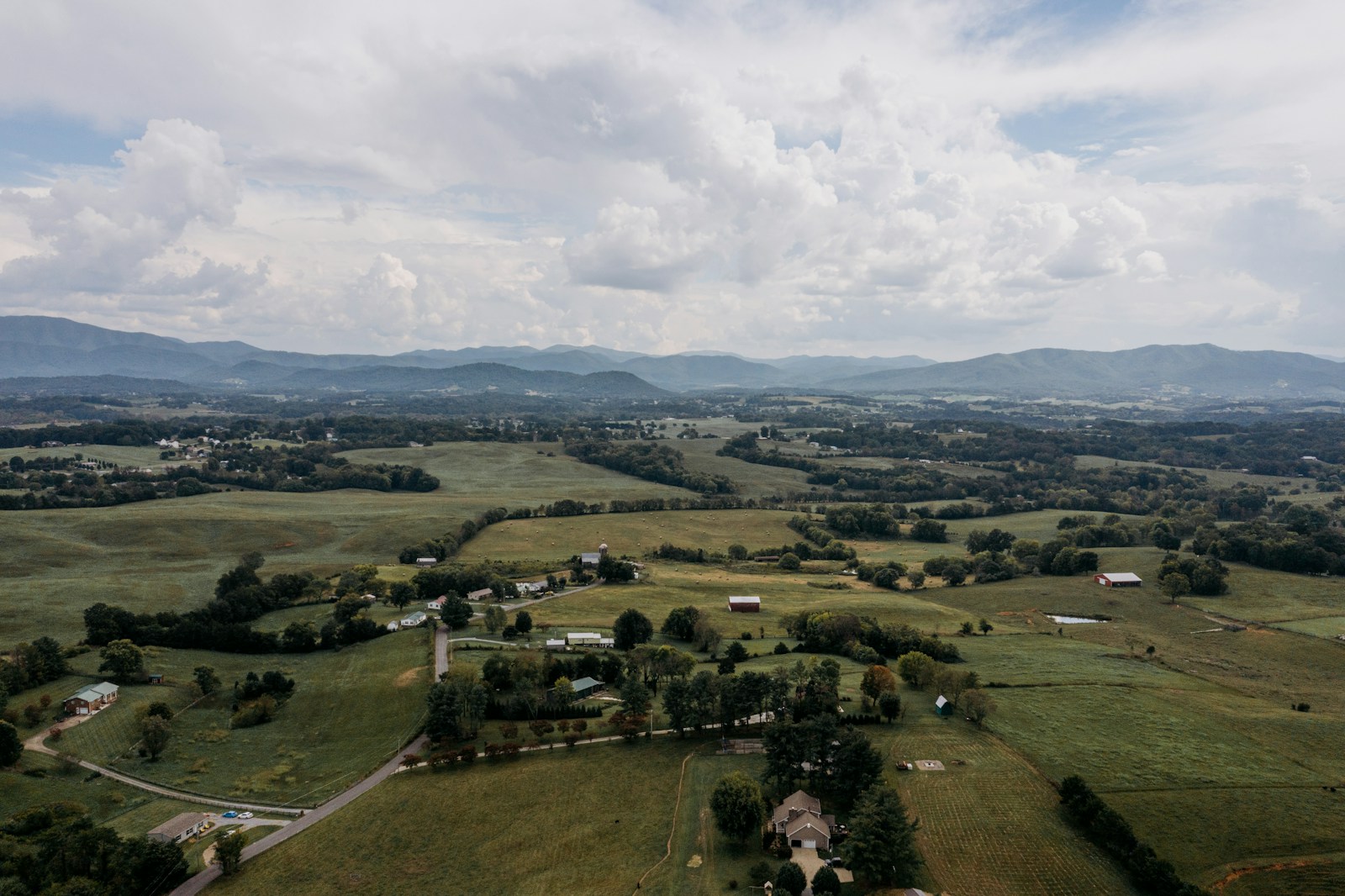
Larger properties can involve substantial upkeep beyond mowing. Consider driveway surfaces, fences, mature trees, drainage features, irrigation where present, and outbuildings. Inspect those improvements and obtain estimates for work that could materially affect the first-year budget.
Estate appearance also does not establish privacy in every season. Visit the outdoor areas and evaluate sightlines, neighboring land, road exposure, and the position of usable space. Define the experience you want, then check whether the particular property can deliver it.
Daily routes: compare the connection from the driveway
Select the geographic starting point based on work and recurring destinations. Nashville trips, Brentwood appointments, and Franklin or Cool Springs destinations can make different locations practical. Do not evaluate all Brentwood homes with one assumed commute.
Drive the local connection and the larger route at the hours you expect to travel. Include turning movements, routine stops, parking, and the return trip. A location near a major road on the map can still involve a different daily experience from another nearby address.
If your routine points into Nashville, compare a representative home closer to the destination. If it points toward Franklin, test that alternative separately. The comparison reveals what the Brentwood property adds and what travel you accept in exchange.
Use TDOT SmartWay for current highway conditions when planning a visit, while recognizing that one day’s traffic is not a long-term commute guarantee. Actual repeated routes provide more useful evidence than a single estimated travel time.
Luxury homes: examine function behind the finishes
Walk through the home in the order you would use it. Check the connection from parking to the kitchen, daily living rooms, bedrooms, laundry, office, and outdoor area. Square footage is only valuable when the layout supports your needs.
For multiple workspaces, examine noise, doors, light, and temperature. For guest space, determine how often you expect to use it. For a main-level living goal, verify that routine tasks can happen there without relying on stairs for laundry or essential storage.
Inspect high-cost features carefully. Pools, extensive glazing, multiple HVAC systems, large roofs, specialty materials, and elaborate exterior improvements can bring meaningful repair and replacement obligations. Get appropriate specialist advice where the general inspection cannot answer the question.
Compare design upgrades with underlying condition. A beautiful room should not outweigh an unresolved issue that changes financing, insurance, or essential repairs. Keep the ownership decision anchored in the property’s practical performance.
Price and ownership costs should be property-specific
This guide does not assign permanent price bands to Brentwood subdivisions. Use recent relevant sales and current competition for the exact home type, lot, condition, and location. A neighborhood’s general reputation does not establish a defensible purchase price.
The Brentwood buyer’s guide helps frame the transaction. Build a separate worksheet for financing, taxes, insurance, association charges, utilities, maintenance, and essential improvements using current estimates and verified records.
For a high-maintenance property, obtain practical service estimates. The cost of landscaping, tree care, pool work, exterior upkeep, and systems reserves can change how comfortably you own the home. Keep discretionary upgrades separate from obligations you would inherit immediately.
If you are selling a home as part of the move, review the Brentwood selling guide and coordinate the two timelines. Avoid committing to an ownership budget based on uncertain proceeds or an unconfirmed closing sequence.
New construction and major renovations need written detail
For a newly built or substantially remodeled home, verify the scope of the finished product. Ask what is included in the price, what remains unfinished, and what documentation supports the work. Presentation should match the plans and written terms.
Review inspection access, warranties, completion timing, change rules, deposits, and possession with the professionals involved. A model home or rendering should not establish what your contract delivers. Keep the specific lot and final specifications at the center of the comparison.
For future additions, pools, or driveway changes, confirm current requirements directly. Brentwood’s residential applications and documents provide a starting point, but the property and project determine the actual review needed.
Ask about surrounding parcels and development using current official records. Distinguish existing conditions from proposals and approvals. Do not price an unbuilt amenity or a promised permanent view as if it were guaranteed.
Compare nearby choices without diluting the search
Use nearby comparisons to test a specific priority. The new Franklin neighborhoods guide helps evaluate a different mix of historic access, established communities, and planned development.
If the search points farther south, Thompson’s Station or Spring Hill may deserve a representative showing. Compare the property’s meaningful advantage with the route and responsibilities it creates.
For another luxury-market context, use the Brentwood and Belle Meade comparison. Bring actual properties into the discussion rather than treating either place name as a recommendation by itself.
Keep the short list small enough to understand. An alternative should remain only when its location, layout, costs, and documents support a purchase you would seriously consider. More listings do not automatically produce a better decision.
The Tuesday Test and the final property review
Choose representative homes from two or three realistic patterns, such as an established larger lot, an open-space community, and a newer or estate-style option. Keep budget and essential layout needs consistent enough to reveal useful differences.
For The Tuesday Test, follow the normal day from driveway to destination and back. Include an errand, parking, deliveries, and the evening’s use of the house. Then consider the maintenance required on an ordinary weekend.
Record the main advantage, practical limitation, and unresolved question after each visit. Review title, plats, association documents, condition findings, current insurance, and financing before making an offer. These facts determine whether the attractive home is also a workable purchase.
The best outcome is a clearly understood shortlist. You should know which property arrangement you want, what it will cost to maintain, and which tradeoffs you are accepting for the location and space.
Frequently Asked Questions
Does every Brentwood home sit on at least one acre?
No. The city’s density framework allows different residential arrangements, including smaller private lots paired with preserved open space in certain developments. Verify the individual parcel and recorded community documents rather than assuming the lot size from the city name.
Does shared open space give me room to build a workshop?
Do not assume that it does. Common land and private property have different rights and restrictions. Verify boundaries, permitted uses, association rules, and local requirements for the exact proposed structure before considering it feasible.
How should I compare a renovated older home with a new one?
Compare layout, location, complete price, documented work, systems, warranties, and expected maintenance. Cosmetic finishes should not replace an assessment of underlying condition. A property-specific comparison is more useful than choosing by age alone.
Should I pay more for amenities I rarely use?
Consider their actual usefulness and ongoing charges alongside the home itself. Amenities can support a routine, but unused features may not justify a less practical location or larger ownership burden. The answer depends on the specific costs and your priorities.
What is the first step in narrowing a Brentwood search?
Share work destinations, comfortable budget, essential layout, intended lot use, and maintenance preferences. Then compare a few representative property patterns. Verify jurisdiction, documents, and routes before choosing a neighborhood around an impression alone.
About Harley Pope
Harley Pope is a lifelong Middle Tennessee local and Realtor with Pope Group at The Baker Brokerage. He helps buyers and sellers compare property, condition, location, and ownership decisions across Nashville, Williamson County, Maury County, Dickson County, and surrounding communities. His approach puts practical use and documented property facts alongside presentation so clients can evaluate the responsibilities and tradeoffs of a purchase.
Comparing Brentwood properties? Contact Harley and Victoria Pope at Pope Group at The Baker Brokerage to build a focused search around the home, land, and daily routes you actually want.