
Nashville-Area Communities to Consider When Moving From Houston

A Houston to Nashville move works best when you choose a Tennessee location around the job, travel pattern, and type of home you actually want. Nashville, the southern suburbs, Murfreesboro, and western communities solve different problems. Compare the full ownership budget and everyday route before assuming a familiar-looking subdivision will recreate your Houston routine.
Last updated: October 20, 2026
I’m Harley Pope, a lifelong Middle Tennessee local and Realtor with Pope Group at The Baker Brokerage. This guide helps Houston-area buyers build a focused Middle Tennessee shortlist. It does not promise savings or assign a Tennessee equivalent to every Houston suburb.
Houston to Nashville: use your current routine as the starting point
Describe the part of your Houston life you want to keep. Perhaps that is a practical single-story layout, room for visitors, an enclosed office, a manageable yard, or access to a particular kind of work. Those features create a much better search brief than asking which Tennessee town is most like Katy, The Woodlands, or Sugar Land.
Also identify what you want to change. If the current commute is the reason for moving, do not let a larger Tennessee house recreate the same time problem. If the priority is land, define the activity that land must support.
Our Middle Tennessee relocation resource gives the overall planning framework. Before touring, turn your reasons for moving into three essential requirements and three preferences. That keeps a beautiful property from quietly changing the purpose of the move.
A multi-destination week needs a multi-destination map
Houston buyers may already be accustomed to judging a home through several employment or activity centers. Carry that useful habit into Tennessee. Start with the exact workplace and the days you must be there, then map other recurring destinations separately.
A downtown Nashville destination, a Franklin-area workplace, and a Murfreesboro destination can produce different search priorities. Do not use a single drive to the Nashville city limit as a stand-in for those trips. Include the local roads at both ends.
If two people work in different places, choose a location that makes the combined week workable. A midpoint on a map may not minimize the actual journeys. Test likely departure and return times and include parking, errands, and any regular appointments.
Use TDOT SmartWay to observe current highway conditions while planning your visits. Its live information is useful context, but a particular traffic snapshot cannot establish what every future commute will be.
Put Nashville on the list when proximity is the actual goal
Nashville is worth investigating first when work, appointments, or activities are concentrated in the city. Compare individual blocks and property types rather than choosing from a broad neighborhood reputation.
A smaller detached home or an attached property may offer a useful location, but evaluate the ownership arrangement carefully. Parking, outdoor space, storage, stairs, shared maintenance, and noise inside the home affect whether the option fits your household.
Walk the routes to places you expect to use. A coffee shop appearing close on a map does not confirm a comfortable pedestrian connection. Look at crossings, sidewalk continuity, and the return with purchases.
If proximity lets you drive less for frequent trips, put that benefit on the comparison sheet. It deserves to be weighed beside square footage and finishes, even when it does not appear as a line item in a mortgage estimate.
Compare Franklin and Brentwood through specific properties
Franklin and Brentwood are separate searches, each with meaningful differences between addresses. Include them when the southern location or a particular home-and-lot arrangement supports your plans.
In Franklin, compare the ownership experience of an established home with a planned community or a property closer to downtown destinations. Location, maintenance, association rules, and yard use can vary even when the asking prices are similar.
In Brentwood, give the layout and usable lot close attention. A larger yard can provide room for an activity, but it can also bring mowing, trees, drainage, and exterior obligations. Extra land only adds practical value when it works for the purpose you intend.
The Franklin neighborhood comparison can help narrow the visit. Choose representative housing patterns instead of spending the entire trip moving between increasingly expensive versions of the same floor plan.

Nolensville and the southeast deserve their own route test
A Nolensville address may enter the search because of a particular community or newer home. Evaluate how that home connects to the actual destination before treating it as interchangeable with another southern suburb.
For buyers interested in Murfreesboro, use the Murfreesboro buying guide to investigate housing and purchase considerations. A job located there creates a different question from a daily commute north into Nashville.
Compare the neighborhood exit and local-road journey as carefully as the interstate segment. A home with convenient access for one direction of travel can perform differently for another. Test the routes from actual finalist addresses.
If a newer floor plan is the main attraction, keep an established alternative in the comparison. That shows how much you are paying for the new construction, its features, and its location rather than for the idea of moving somewhere new.
Southern and western alternatives need a clear reason to qualify
Spring Hill and Columbia can be useful when work, home requirements, or existing connections point farther south. Do not extend the search there solely because a larger house appears within budget.
For the western side, investigate Dickson County when the location, land, or property type addresses a real priority. Evaluate the entire route to Nashville or other recurring destinations. More distance may be acceptable for one schedule and impractical for another.
Avoid treating acreage as a substitute for an ownership plan. Verify legal access, water, wastewater, internet, restrictions, boundaries, and the condition of any outbuildings. An attractive rural setting can involve responsibilities unfamiliar to a subdivision owner.
A shortlist should explain why each area is included. One close-to-work option, one community with the preferred layout, and one land option can produce a useful comparison. Six towns chosen because their photos looked appealing usually produce less clarity.
Compare Houston and Tennessee budgets without a savings assumption
Use the Houston and Nashville cost-of-living guide to identify categories, then replace general comparisons with current property-specific information. The Houston home-budget guide helps connect those categories to housing choices.
Start with the financing estimate and cash needed to close. Add verified property taxes, address-specific insurance quotes, association charges, utilities, maintenance, and necessary work. Keep moving expenses and temporary housing on a separate transition worksheet.
Do not assume the familiar payment structure of your Texas property carries over. Ask the relevant professionals about the Tennessee home and your actual financial situation. Insurance coverage, deductibles, and exclusions deserve review before you compare premiums.
Also budget for visiting Texas after the move if that will remain part of your life. The home can be affordable while the overall transition is more expensive than expected. A complete plan includes the activities and relationships you intend to maintain.
Familiar heat does not mean identical home maintenance
Use the National Weather Service Houston climate records and Nashville climate records to compare seasonal patterns. Middle Tennessee’s winter freezing conditions deserve attention even if summer heat feels familiar.
At a finalist home, ask an inspector about the construction and systems actually present. Look at roof runoff, grading, exterior drainage, insulation, ventilation, and any accessible crawlspace. An attractive porch or brick exterior does not establish how the home handles moisture.
Make a seasonal maintenance plan for the yard and exterior. Trees, gutters, sloped ground, exposed pipes, and outdoor equipment may need a different routine from your Houston property. Ask about the work instead of discovering it after the move.
A covered outdoor area may extend the way you use the home, but inspect the setting and orientation. Shade, drainage, privacy, and access from the kitchen can matter more than the patio’s size in a listing photograph.
Inspect the land behind the acreage number
If you are moving partly for outdoor space, define the intended use first. A garden, workshop, storage area, or room for equipment each creates different questions. A sloping wooded parcel may be enjoyable without meeting every one of those needs.
Walk the practical route from the home to the usable area. Notice grade changes, wet spots, driveway limitations, and where utilities or drainage features are located. Ask for appropriate documentation rather than assuming the cleared area represents the legal boundary.
Verify the feasibility of any proposed addition or outbuilding before buying on that assumption. Zoning, recorded restrictions, utility arrangements, and site conditions all deserve review by the appropriate professionals.
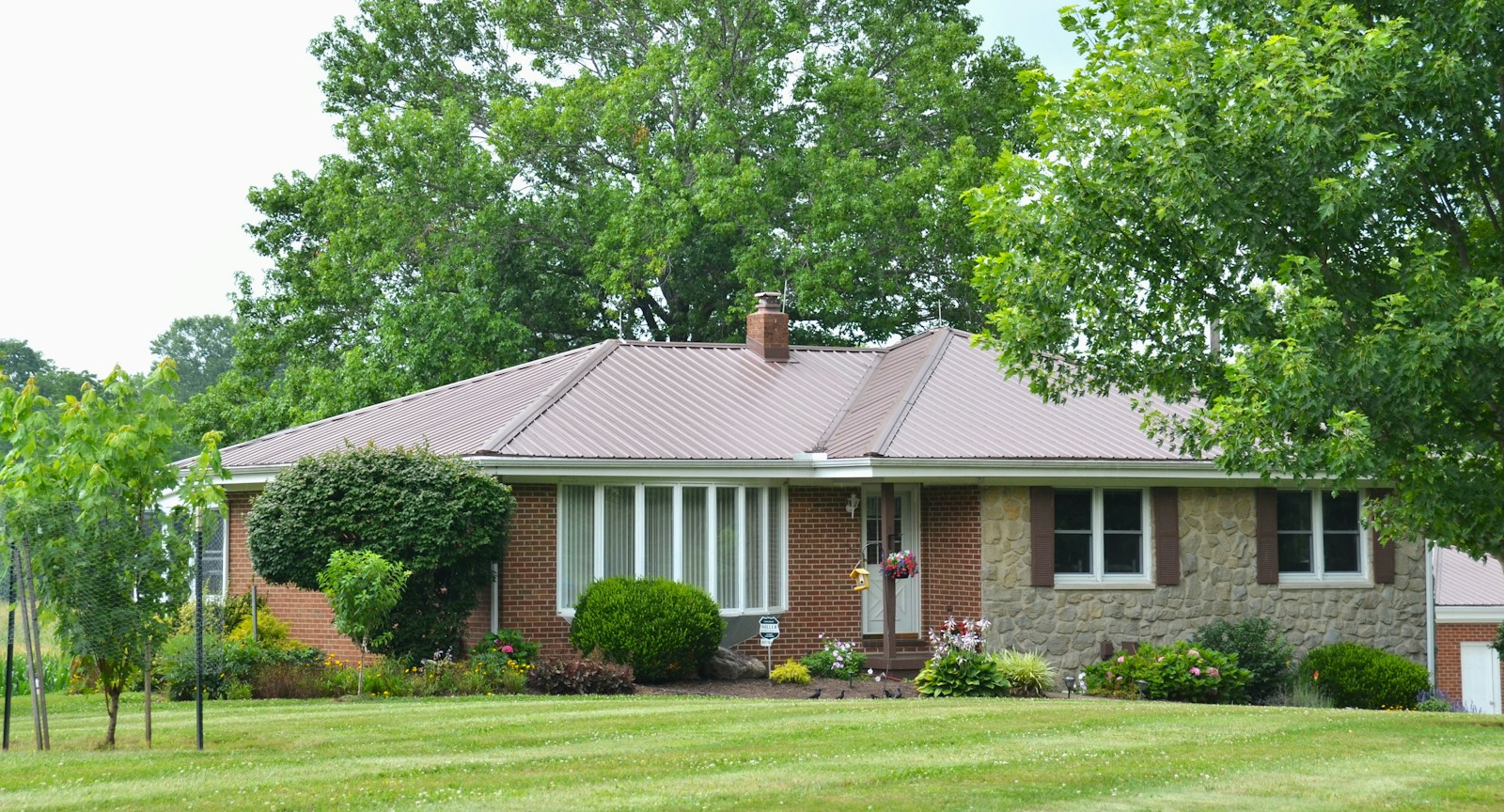
For a smaller lot, compare private yard space with any common facilities you may use. Shared green space can be useful, but it is a different product from land you own and control.
Coordinate the Texas sale, Tennessee purchase, and physical move
Create one timeline that connects both transactions and the arrival of your belongings. Identify whether proceeds from the Houston sale are required, when funds are expected to be available, and which milestones still carry uncertainty.
Our guide to selling one home while buying another helps frame the sequencing choices. Your lender, agents, and closing professionals should help turn those choices into a plan suited to the contracts involved.
Keep closing, possession, and moving delivery separate. They may happen on different dates. Ask what happens if the Tennessee home is ready before your belongings or if the Texas closing moves after a truck has been reserved.
The FMCSA interstate moving resource can help you investigate movers and understand the paperwork. Obtain written estimates and delivery terms, and keep essential records and work equipment with you during the transition.
Make the decision trip prove or disprove your shortlist
Plan the first visit around two or three location patterns. Tour homes close enough in budget and essential features that their differences reveal something useful. Leave room in the schedule for the neighborhood, route, and property questions.
Apply The Tuesday Test: travel from a finalist to the workplace, complete an ordinary errand, and return during the period you expect to use the home. Then consider parking, carrying purchases inside, working, laundry, and the evening.
After each home, write down what it improves over your current Houston setup and what new responsibility it creates. A larger house may solve a space problem while creating a maintenance burden. A shorter journey may justify accepting less square footage.
Finish with a short evidence-based list and the unanswered questions for each address. The next step should be an investigation or offer decision, not simply another round of looking at every town in Middle Tennessee.
Frequently Asked Questions
Is there one Nashville suburb most similar to a Houston suburb?
There is no reliable one-to-one match. Describe the features and routine you want to preserve, then compare actual Tennessee addresses. Similar-looking houses can have different routes, land conditions, and ownership obligations.
Should I search near Nashville before my new work location is final?
You can explore housing patterns, but keep the shortlist flexible. A specific workplace and schedule can materially change which area works. Avoid committing to a long recurring trip before the employment details are clear.
Can a Houston home-sale budget tell me what I can spend in Tennessee?
It provides a starting point, but financing, sale costs, cash reserves, taxes, insurance, and transition expenses also matter. Build the purchase limit with current professional estimates rather than transferring the expected sale price directly.
What if I want land but will commute to Nashville?
Investigate the land and commute together. Test the route from the actual property, verify services and access, and estimate upkeep. Extra acreage is less useful if the travel and maintenance requirements conflict with your week.
What information should my Houston Realtor share?
With your permission, share timing, sale status, likely proceeds requirements, communication preferences, and the Tennessee housing brief. Clear coordination helps both sides plan around dependencies without treating expected dates as guaranteed.
About Harley Pope
Harley Pope is a lifelong Middle Tennessee local and Realtor with Pope Group at The Baker Brokerage. He helps buyers, sellers, and relocating clients compare property condition, location, ownership responsibilities, and transaction timing across Dickson County, Maury County, Nashville, and surrounding Middle Tennessee counties. His approach centers on clear comparisons, honest tradeoffs, and a plan shaped around the client’s goals and everyday life.
Planning a Houston move? Talk with Harley and Victoria Pope at Pope Group at The Baker Brokerage about a Middle Tennessee shortlist built around your work, budget, and home priorities.