
Selling a Home in Murfreesboro, TN: A Step-by-Step Strategy for Today’s Market

Selling a home in Murfreesboro, TN works best as a sequence: understand the buyer’s alternatives, prepare and document the property, choose a supported asking position, launch with useful media, then adjust from real response. The right strategy depends on your address, condition, timing and net goal. A citywide statistic or a neighboring asking price cannot replace that analysis.
Last updated: October 5, 2026. Current inventory, sales and pricing should be checked for the specific home before listing.
I’m Harley Pope, a lifelong Middle Tennessee local and a Realtor with Pope Real Estate Group at The Baker Brokerage. Victoria and I help sellers build a plan that connects the home they are selling with what comes next.
Step 1: Define the buyer’s alternatives
Murfreesboro includes different property types and search patterns. The Murfreesboro buyer guide shows questions a purchaser may bring to your listing. The most useful comparable set starts with the buyer who would consider your house. What other homes at a similar full cost offer the needed bedrooms, living arrangement, parking, lot and condition? Compare recent closed sales for value support and active listings for the choices a buyer can make today. Include appropriate new construction or nearby options only when they are genuine substitutes.
Look beyond the number of bedrooms and square feet. A usable main-level room, garage configuration, outdoor area or work space can change the buyer’s decision. An inconvenient layout or significant deferred maintenance can do the same. A single price-per-square-foot average does not capture those differences. Pending sales indicate some demand, but do not reveal the agreed price or credits until the transaction closes.
The Middle Tennessee areas guide gives broad context and the Nashville area guide helps when a buyer is also comparing a Nashville address. A Murfreesboro home should still be priced with its own relevant sales, not against an entire metropolitan average. Buyers considering both cities may consult the Nashville versus Murfreesboro comparison.
Step 2: Work backward from your net and deadline
Before deciding on a list price, obtain the current mortgage payoff and estimate agreed compensation, closing expenses, prorations, preparation and likely concessions. If you need a particular amount to purchase another home, identify that threshold. Include a conservative outcome as well as an optimistic one. Gross sale price and cash received at closing are different figures.
Ask how long you can carry the home and whether a delayed sale changes your next step. A seller who can wait for a narrow group of buyers may choose differently from one with a fixed move date. Carrying costs, maintenance and a possible price adjustment belong in the comparison. A premium asking position may net less if it leads to a long delay and larger eventual concession.
Prepare three strategies: a justified premium for a genuinely distinctive house and a flexible timeline, a supported fair-market price aimed at its direct competition, and a somewhat sharper entry price to broaden attention. The third strategy can create activity but does not promise a bidding war. Choose with evidence and a written review plan. The seller resource outlines the broader process.

Step 3: Gather documents before the first photograph
Collect available roof and system records, permits, warranties, survey, association information, utility details and receipts for meaningful work. If the home has a significant past water issue or repair, assemble what you know and discuss proper disclosure with the brokerage and appropriate advisers. Tennessee’s Residential Property Disclosure Act overview describes the general framework; the applicable form and exemptions should be handled for the actual transaction.
Confirm details that marketing often gets wrong: finished living area, bedroom count, lot boundaries, included appliances, garage spaces, HOA dues and any approved use of a separate structure. The assessor record, prior listing and seller recollection can differ. Resolve the discrepancy before it appears in public remarks. Use a survey or qualified source where a boundary matters and avoid drawing an authoritative line from an aerial image alone.
Good records do not guarantee a buyer will waive an inspection. They let a serious buyer understand the property and can keep avoidable questions from delaying a contract. Organize them so the right documents can be provided through the brokerage’s process when requested.
Step 4: Prepare for the buyer who will tour it
Walk the house from arrival through the main living areas. Can a buyer reach the entry easily? Do lights work? Are there obvious leaks, damaged trim or equipment concerns? Clean, declutter and make the layout legible. Prioritize maintenance and accessible, functional spaces before decorative changes. A spotless room with a known unresolved system problem is not truly prepared.
If you are considering paint, flooring or a larger renovation, get the cost, timing and expected market effect. Compare a sale in present condition with the proposed improvement. A new kitchen may look impressive but can consume cash and delay the launch without adding an equal amount to the sale price. A targeted repair may remove a genuine objection for much less.
For an occupied home, create a repeatable showing plan. Decide where personal items, pets and vehicles will go and how much notice is workable. The best photographs cannot compensate for repeated unavailable appointments. The home should present consistently after the launch, not only on photography day.
Step 5: Build a listing that answers real questions
Photographs should follow the way someone experiences the home: front exterior, entry, primary living spaces, kitchen, sleeping areas and outdoor connections. Show a functional garage, porch or yard if it affects the decision. A floor plan can clarify a split layout or flexible room. Use accurate images taken for this property and current condition; avoid virtual changes that suggest permanent features are present when they are not.
Write remarks around verified benefits. Explain the actual layout, storage, parking and outdoor use in plain language. Give objective location information without guaranteeing a travel time. If a school or service is important to a buyer, direct verification at the address is appropriate. Avoid advertising that describes the preferred type of resident instead of the property.
Check the live listing after it is submitted. Confirm price, facts, photo order, links, showing instructions and syndication. A missing image or wrong room count can weaken the first week. The Columbia seller guide illustrates a preparation-and-launch framework in another Middle Tennessee market, but Murfreesboro requires its own competitive evidence.
Step 6: Decide how new construction fits the comparison
Some buyers will view a new home as a substitute for your resale. The Murfreesboro versus Spring Hill guide provides another location comparison. Ask for the exact available home’s full price, lot premium, included finishes, completion date, HOA terms and written incentives. A model can contain upgrades. A builder’s rate promotion may require a specific lender or temporary buydown. The CFPB’s loan-comparison guide helps put those offers in a comparable format.
Your resale may offer an established yard, included appliances, window coverings, a location or immediate availability the new home does not. Document those features and their condition. Do not simply add every original improvement cost to your asking price. The buyer will compare the delivered homes and payments, while an appraisal will rely on appropriate market evidence.
If a credit would help the buyer, ask the lender which uses are allowed and calculate your net. A price reduction, closing-cost credit, repair and rate buydown are different responses. Select the one that addresses the objection and fits the contract and financing. The Spring Hill seller guide discusses the same builder comparison in a different local setting.
Step 7: Monitor the first response without overreacting
Agree before launch on a regular review. Track showings, second visits, detailed feedback, new competing listings, price changes, pending sales and closings. Online views and saved listings show exposure; they do not prove the market accepts the price. One visitor’s preference is not a trend. Repeated objections and a consistent lack of qualified showings deserve investigation.
Diagnose the cause before changing strategy. Weak photos can be replaced. Restrictive access can be eased. An unanswered condition concern can be documented or addressed. If buyers repeatedly prefer similarly priced alternatives after touring, the asking price may need to change. Additional promotion cannot make a property cheaper to own or repair.
Set the next review date in advance. A seller with a firm deadline needs a faster decision cadence than one who can wait, but neither should choose an arbitrary price drop without comparing the current alternatives. Keep the conversation tied to net and timing, not just whether a listing portal displays a high view count.
Step 8: Read the entire offer
Update the net estimate for each offer. Include price, financing, credits, compensation obligations, closing costs and any work. Then review earnest money, inspection rights, appraisal language, home-sale contingency, closing date and possession. A higher price with more concessions or weaker contingencies can be less useful to the seller than a lower, more dependable proposal.
If financing or appraisal raises a question, involve the lender and examine the written contract. A buyer’s preapproval is helpful but not a guarantee. A cash offer may avoid a loan condition while still containing inspection or other risks. Evaluate what the buyer must do, when it must be done and how a failure affects your next move.
For repair requests, use qualified findings and realistic estimates. A credit can be cleaner than having the seller manage work in some situations, but lender and contract rules matter. Do not agree to a deadline you cannot meet or a scope no one has defined. Preserve invoices and evidence of completed obligations.
Step 9: Carry the plan through closing
Track earnest money, inspection, repair resolution, appraisal, loan status, title work and final walk-through. Keep insurance and utilities in place as required, maintain the property and document agreed work. Coordinate movers around the actual possession terms. A contract accepted quickly can still become difficult when deadlines and responsibilities are left vague.
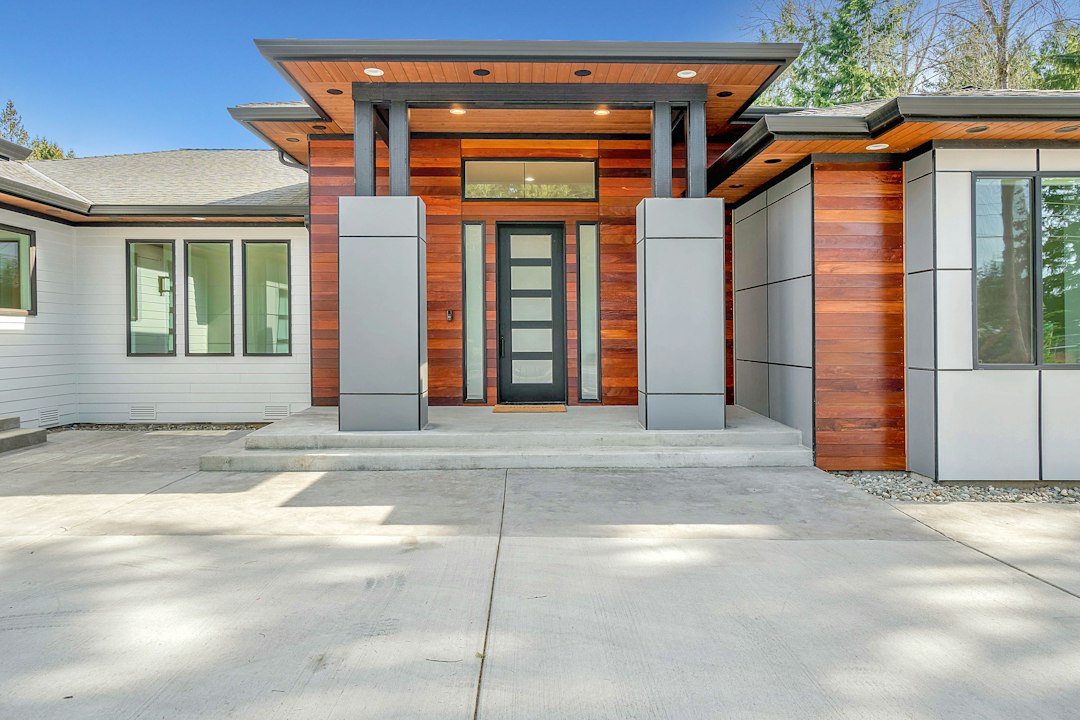
If you are buying another property, share changes promptly with the other transaction team. A delayed closing or concession affects available proceeds. Have a practical plan for overlap, temporary housing or storage if your dates do not line up. The selling-and-buying coordination guide provides a framework for that handoff. Selling well means closing on terms that support the next chapter, not merely receiving a strong initial offer.
The Tuesday Test matters even from the seller’s side. Present how the home supports ordinary use: parking, laundry, storage, work and outdoor maintenance. Specific, verifiable function helps a buyer decide and tends to make negotiation clearer than broad claims that a home is perfect for everyone.
Know what a useful weekly update should contain
The seller should be able to see the competing homes that appeared, changed price, went under contract or closed, along with showing activity and feedback on this property. Record whether a concern is isolated or repeated and what action would address it. A concise update is more useful than a page of portal views without context. It lets you distinguish a quiet but well-positioned week from a change in the market that requires a pricing decision. Agree on the cadence before launch so both sides can make the next decision from the same evidence.
Frequently Asked Questions
Is a Murfreesboro list price based on citywide averages?
No. Use relevant recent sales adjusted for your property’s features and condition, then compare active alternatives a buyer can choose today. A citywide number mixes very different homes.
Should I finish every project before listing?
Prioritize necessary maintenance, accurate disclosure, cleanliness and clear presentation. Price the cost and delay of a proposed renovation against its likely buyer effect. Some projects are better reflected in the asking position.
How do I decide between a price cut and a buyer credit?
Identify the buyer’s actual concern and compare your net under each structure. Lender limits, appraisal and the buyer’s cash needs can affect which option works. Get financing guidance before promising a credit.
What if the first week brings views but no showings?
Check search visibility, price relative to direct competition, photographs, facts and access. Views alone are a weak signal. The combination of serious inquiries and actual appointments is more informative.
Does the highest offer always win?
No. Compare estimated proceeds, financing, contingencies, deadlines, appraisal exposure and possession. The best choice is the offer most likely to close on terms that meet your goals.
About Harley Pope
Harley Pope is a lifelong Middle Tennessee local and a Realtor with Pope Real Estate Group at The Baker Brokerage. He serves Murfreesboro, Nashville, Dickson County, Maury County and surrounding markets. His seller approach brings together comparable evidence, practical preparation, accurate marketing and a full review of contract terms so the sale supports the owner’s timing and next decision.
Harley and Victoria Pope can help you plan a Murfreesboro sale from the first value review through closing. Contact Pope Real Estate Group with the address, your timing and the outcome you need from the move.