
Selling a Home in Columbia, TN: How to Prepare, Price and Launch Your Listing

Selling a home in Columbia, TN works best when you match the price and presentation to the property’s actual category: an older city home, a newer subdivision property or a house with land. Relevant comparable sales, documented condition and a coordinated launch help buyers understand the value. Prepare the information buyers need before photographs, showings and negotiations begin.
Last updated: September 30, 2026.
Local perspective: I’m Harley Pope, a lifelong Middle Tennessee local and a Realtor with Pope Real Estate Group at The Baker Brokerage. Victoria and I help Maury County sellers turn a proposed move into a practical pricing, preparation and closing plan.
Selling a home in Columbia, TN requires the right market definition
Columbia’s property types should not be combined into one asking-price formula. A character home near a city destination, a contemporary subdivision house and an outlying acreage property can draw different comparisons. Begin with the actual address, municipal boundary, lot, floor plan, condition and services. A countywide headline provides context but cannot price your individual home.
The Columbia area guide introduces the market, while the Maury County overview places it within a broader search. For your sale, define the small group of properties a buyer could reasonably choose instead. A geographic radius is a starting tool, not a substitute for understanding those alternatives.
Verify public records against what is on the property. Finished additions, converted garages and detached structures need accurate descriptions. If measurements or permits are unclear, resolve the uncertainty before promising a feature that a buyer or appraiser may later question.
Put your goals into a written sale plan
Decide what the sale needs to accomplish. Is the priority a firm moving date, funds for a replacement property, fewer months of carrying costs or the strongest supported net? Those goals can overlap, but they should not be confused. An asking price that feels satisfying may work against a time-sensitive move.
Ask for a planning net that identifies mortgage payoffs, agreed transaction expenses, anticipated preparation and any assumed credits. Use a range if several costs remain unknown. The amount you originally paid or spent on improvements does not automatically determine the price a current purchaser will support.
Then build a calendar around preparation, photography, listing availability, possible contract periods and possession. If you are buying elsewhere in the region, consider the Columbia buyer guide alongside the sale. Coordinate with the lender before treating expected proceeds as available funds.
Select comparable homes by function and condition
Start with recent closed transactions that share location, home type, usable size, lot characteristics and major condition factors. Review active competition separately. Pending listings can signal recent activity, although the accepted terms may be unavailable. Older sales may require caution if current alternatives have changed.
An older Columbia home with a renovated exterior and original mechanical systems should not be described as equivalent to a fully updated property solely because the kitchens photograph similarly. A house with land needs a comparison of usable ground, access, restrictions and outbuildings. Explain each meaningful difference instead of hiding it inside a price-per-square-foot average.
When the sample is thin, broaden the search gradually. Similar square footage with one fewer bedroom may be informative if the layout performs similarly. A different subdivision may help if its age, lot and condition match. Record the limitation rather than presenting a weak match as precise proof.
Separate historic appeal from renovation permission
If your property is older or within a historic district, confirm the applicable review process before making exterior changes for the sale. Columbia’s planning and zoning department provides historic-zoning resources and contacts. An attractive renovation concept should not be represented as approved when it has not been reviewed.
Collect existing approvals, permits, invoices and photographs of completed work. Tell buyers what you know about the home’s age and alterations. Architectural character can be a meaningful advantage, but buyers also need to understand maintenance and potential restrictions. Do not describe an entire city area as unrestricted simply because another property allowed a particular project.
For most housing built before 1978, federal lead disclosure requirements apply. The EPA’s disclosure overview explains the rule and exceptions. Work with your agent and brokerage on the appropriate documents and qualified professionals on renovation concerns.
Inspect the work a buyer is likely to question
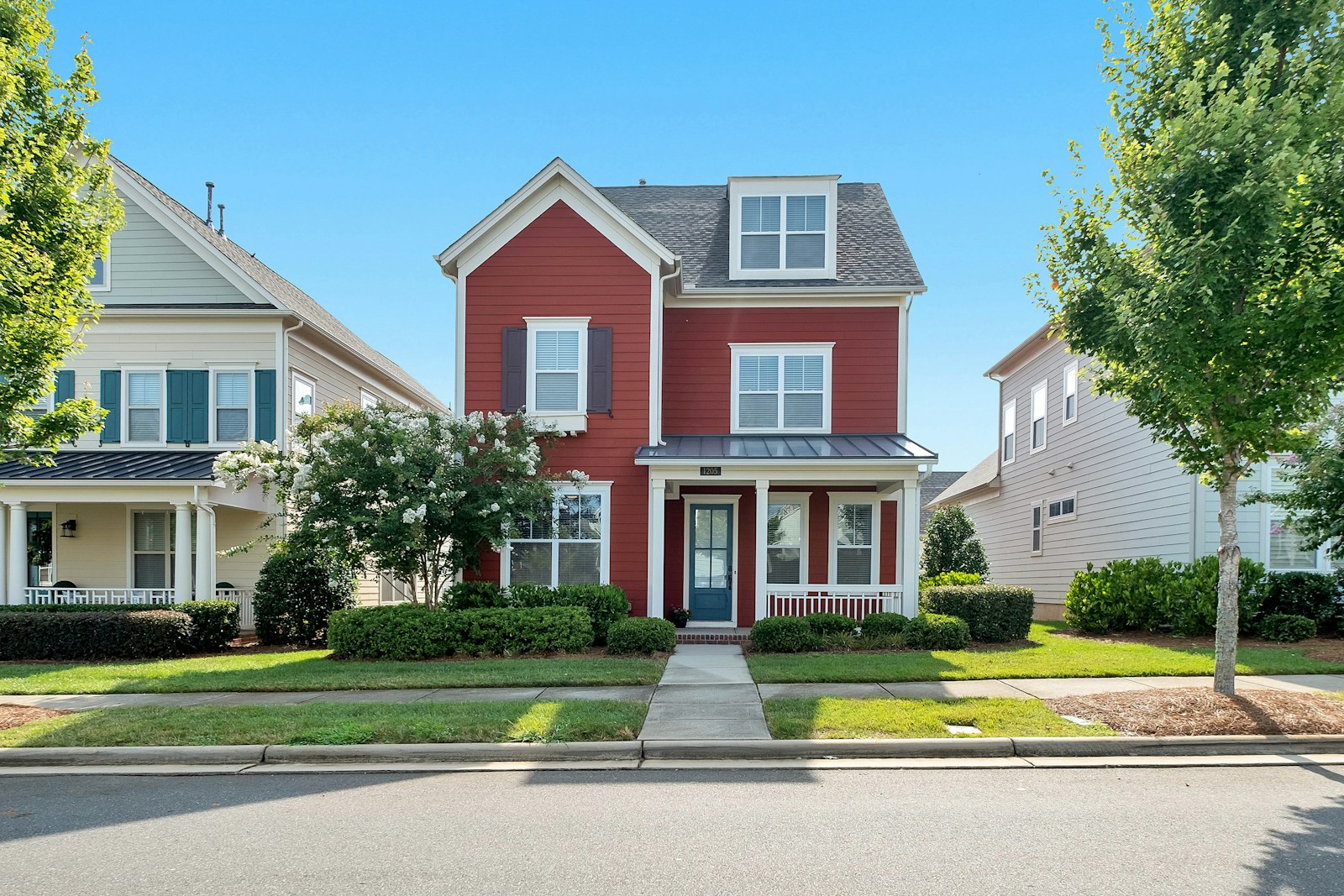
Walk through the property with a maintenance list. Look for drainage concerns, roof wear, leaking fixtures, damaged trim, difficult windows, electrical issues and signs that need professional evaluation. The point is to identify work early enough to make a reasoned decision, not to conduct your own technical inspection.
Choose among repairing, obtaining a qualified estimate or pricing with transparent information. An optional pre-listing inspection may help when the home has complex systems or you want a clearer preparation budget. Discuss its scope and disclosure implications first. It does not replace the buyer’s inspection or guarantee that a later evaluator finds nothing else.
Keep the work proportionate. Buyers can appreciate a clean, well-maintained older house without every finish being new. A rushed cosmetic project can consume time and money while leaving the real concern unresolved. Deal with the source of a problem before making it less visible.
Prepare differently for a newer subdivision home
For a newer house, buyers may compare your listing with other resales and builder offerings. Gather current information for the actual competing homes: completed price, available incentives, included appliances, fencing, landscaping and completion schedule. A base-price advertisement is not necessarily a comparable finished property.
Make your own included features easy to recognize. Document improvements, transferable warranty terms when applicable and association rules. An established yard, useful storage or immediate availability may matter, but they do not establish an automatic premium. Compare benefits alongside wear, updates and the buyer’s total cost.
If another location is a direct alternative, the Spring Hill community page and Spring Hill versus Columbia comparison can help explain the geographic choice. They should support a buyer’s analysis, not imply that every household evaluates the two places the same way.
Give acreage and outbuildings their own due diligence
A rural-looking property may still have limits that matter to a purchaser. Obtain available survey, title, access, utility, restriction and wastewater information. Identify which outbuildings are included and their current use. Avoid promising that a shop, additional dwelling or animal use is permitted without the appropriate verification.
If the home has septic, obtain available records rather than relying on the number of rooms presently used as bedrooms. Tennessee’s septic-system FAQ provides record-search and permit guidance. Qualified providers can evaluate condition; the applicable authorities address proposed changes.
Marketing should explain usable land, not just acreage. A level area, steep wooded slope and drainage area serve different purposes. Buyers considering Culleoka or Mount Pleasant may compare similar features, but access and services remain property-specific.
Choose an asking price with a review date
Use the supported range and your priorities to select an initial position. A higher test can be reasonable for a distinctive property with flexible timing, but it narrows the margin for disappointment. A price close to competing value can make the home easier to evaluate. A more aggressive price can attract interest without guaranteeing bidding.
Ask your agent to show the homes immediately above and below your proposed asking amount. Would a purchaser perceive a clear reason to choose yours? If the answer depends on an improvement they cannot see or documentation they do not have, fix the presentation or reconsider the price.
Set the reassessment date and indicators before launch. Declined showing requests, low appointment activity and repeated objections are different problems. A plan should explain what evidence triggers a photo change, access adjustment, repair discussion or price review. Avoid a string of small changes made solely to appear active.
Launch with a complete information package
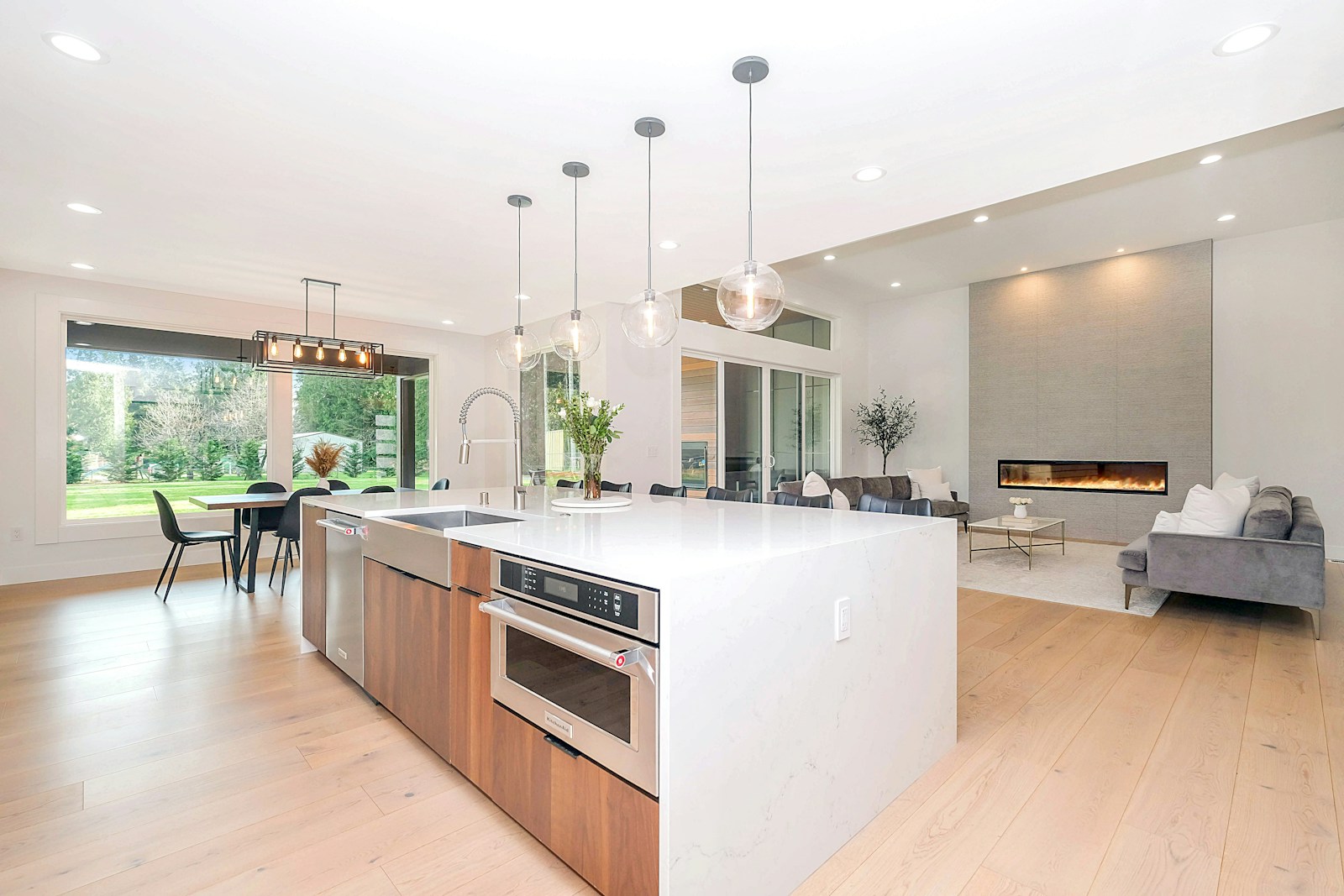
Have the description, photographs, floor-plan information, disclosures and showing instructions ready together. A staged release that leaves key facts unfinished can waste early attention. Make sure every public statement matches the property and that required brokerage and advertising details are present.
Lead photographs with the strongest real feature, then show the house in a logical order. Include the less glamorous spaces necessary to understand it. A detached garage, crawlspace access or outdoor layout may require additional explanation. Use accurate visuals instead of making the home appear materially different from its current condition.
The seller services overview describes the broader process. Your launch should go further by explaining this particular home’s appeal, practical limitations and next steps for an interested buyer. A great description reduces uncertainty; it cannot compensate indefinitely for an unsupported price.
Make showings workable for real buyers
Choose appointment windows that give the home a fair chance to be seen. If occupancy, work or animals limit availability, discuss a workable schedule before going live. Communicate notice requirements clearly, and decide how you will handle a qualified buyer whose travel dates are inflexible.
Prepare for an ordinary visit: reasonable lighting, clear walking routes, accessible rooms and an exterior that can be evaluated. Remove valuables and follow your brokerage’s access practices. Allow buyers to see the spaces that support your marketing claims instead of blocking them with stored belongings.
Ask for specific feedback rather than a simple thumbs-up or thumbs-down. Did the layout work? Was a maintenance concern visible? Was another listing chosen, and why? The Tuesday Test is useful here: buyers need to imagine groceries, laundry, work and daily trips in the property, not merely admire the photographs.
Read the weekly response without overreacting
Review new listings, price changes, contracts and closings within the relevant comparison group. An area can have activity while your property remains poorly positioned. Likewise, one quiet week may reflect scheduling or a very small buyer pool rather than prove the price is wrong.
Separate the measures. Online exposure shows reach. Appointments show willingness to investigate. Feedback reveals objections. Offers provide actual terms. A rising view count with no appointments deserves a different response than several appointments followed by the same concern about condition.
Use the Columbia and Maury County question guide for broader explanations when useful, then keep your update concise and property-specific. Agree on the next action and why it follows from the evidence. The best weekly report helps you decide something.
Negotiate the whole offer
Compare net proceeds and execution risk together. Review financing, earnest money, appraisal exposure, inspection terms, any other home-sale contingency, credits, closing date and possession. A higher proposed price with uncertain financing may not serve your move as well as a lower but more reliable set of terms.
Ask for itemized estimated nets using the same expense assumptions. Do not confuse a concession with the complete cost of selling. Payoffs, agreed compensation, title-related charges and other expenses must be included according to your actual transaction. Update the calculation after each meaningful counteroffer.
During inspection negotiations, focus on the substance of the issue and the written agreement. Qualified estimates can clarify a request. If a credit is proposed, confirm lender limits and how the contract will document it. Preserve your priorities without assuming every request must be accepted or rejected as a group.
Protect the closing and possession plan
Keep the property maintained while the transaction moves forward. Calendar required deadlines, provide documents promptly and confirm the responsibilities for agreed repairs. If your sale funds another purchase, communicate changes quickly to the other agent, lender and closing company.
Schedule moving and utility arrangements around the written possession terms. A closing date alone may not answer when keys transfer or whether belongings can remain. Any additional occupancy arrangement needs clear written terms and appropriate professional guidance rather than a casual text agreement.
The preparation you do at the beginning should make this stage easier. Accurate information, realistic expectations and organized records reduce the surprises that can undermine a good offer. Keep enough flexibility for a delay without losing sight of the move the sale was intended to support.
Frequently Asked Questions
Should an older Columbia home be remodeled before listing?
Not automatically. Prioritize genuine maintenance, clear presentation and repairs that remove important buyer concerns. Evaluate major remodeling against its cost, time and supported price benefit. Historic review may apply to exterior work on some properties.
Does a Maury County median price tell me my home’s value?
No. It describes a broad group of transactions. Your pricing needs comparable properties with relevant location, size, utility, condition and lot characteristics, plus current competition and an explanation of the differences.
Can I count a finished outbuilding as living area?
Have the space evaluated and described accurately. Permits, finish, access, heating and cooling, and measurement standards may affect how it is reported. Do not assume a finished appearance makes it equivalent to the main home’s living area.
Should I offer a repair credit before buyers ask?
Consider the issue, your preparation budget and financing limitations. A clear estimate or completed repair may be more useful in some cases. If a credit is offered, state its terms precisely and compare its effect on your net.
What should I bring to a listing consultation?
Bring your timing, mortgage or lien information, improvement records, known concerns, HOA documents and any available survey or permit information. You do not need a perfect file, but identifying missing records early helps create a realistic launch plan.
About Harley Pope
Harley Pope is a lifelong Middle Tennessee local and a Realtor with Pope Real Estate Group at The Baker Brokerage. He helps sellers in Columbia, Maury County, Dickson County, Nashville and surrounding communities evaluate preparation, comparable sales and the terms of an offer. His focus is clear information and a sale strategy that supports the client’s next move, whether the property is an older city house, a newer home or a place with land.
Harley and Victoria Pope can help prepare a Columbia listing with a supported price and a workable move plan. Contact Pope Real Estate Group with the property address and your priorities.