Spring Hill vs. Columbia: Where Should You Buy in Southern Middle Tennessee?
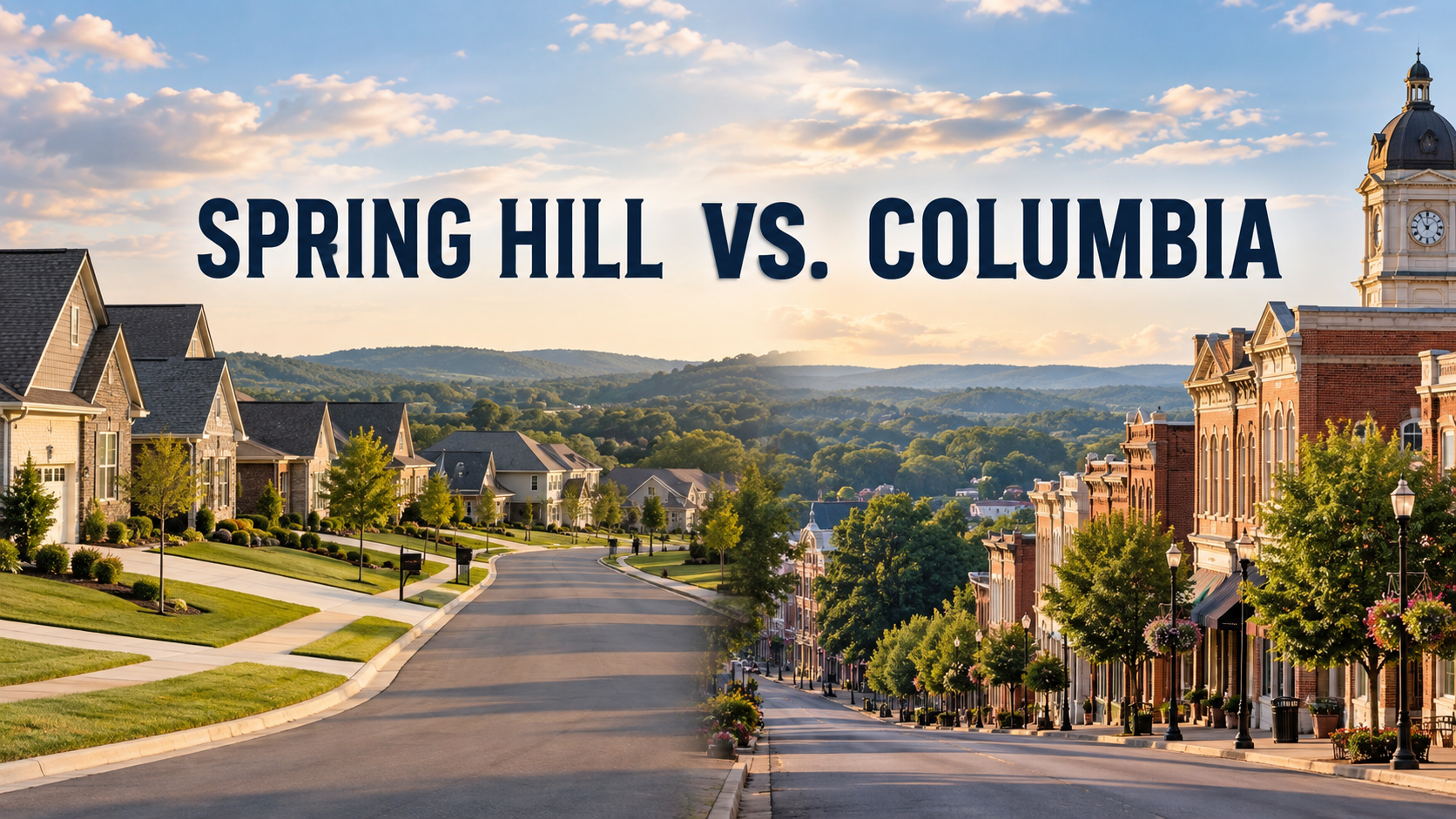
Spring Hill vs. Columbia is usually a choice between a newer, higher-priced suburban market closer to the Nashville growth corridor and a more varied, lower-priced city with a historic downtown, established neighborhoods, new construction, and rural-edge options. In the three months ending August 2026, Redfin reported a median sale price of $508,284 in Spring Hill and $368,006 in Columbia. The price gap is meaningful, but the better decision also depends on commute, county, utilities, school assignment, home age, lot, and the life the buyer expects to live.
Last updated: September 16, 2026.
Scope: This guide compares Spring Hill and Columbia, Tennessee, using August 2026 public market data and practical address-level factors. The figures do not replace current MLS analysis or a home-specific valuation.
Local perspective: I am Harley Pope, a lifelong Middle Tennessee local and Realtor with Pope Real Estate Group at The Baker Brokerage. I help buyers compare southern Middle Tennessee communities through actual routes, property systems, and ordinary routines.
The short answer
Spring Hill is often the stronger starting point for buyers who want newer subdivisions, north-Maury or south-Williamson access, and a shorter position toward Franklin, Cool Springs, and Nashville. Columbia is often the stronger starting point for buyers seeking a lower citywide price point, a wider mix of established housing and land options, and a routine centered farther south.
That is only a starting point. Spring Hill spans both Williamson and Maury counties. Columbia includes very different urban, suburban, and rural-edge settings. A specific Columbia home can be newer than a Spring Hill home, and a specific Spring Hill property can offer more land than a Columbia subdivision home.
What did the August 2026 market data show?
| Three months ending August 2026 | Spring Hill | Columbia |
|---|---|---|
| Median sale price | $508,284 | $368,006 |
| Year-over-year change | Down 4.1% | Down 1.1% |
| Median days on market | 62 | 78 |
| Homes sold in August measure | 349 | 315 |
Sources: Redfin’s Spring Hill market page and Redfin’s Columbia market page. Redfin reports these as all-home-type citywide measures over the three months ending August 2026.
The medians support a general value difference but do not describe every listing. Columbia’s housing mix includes smaller and older homes that can lower the citywide median. Spring Hill includes a large share of newer detached housing. Compare similar homes by size, age, condition, lot, location, and systems.
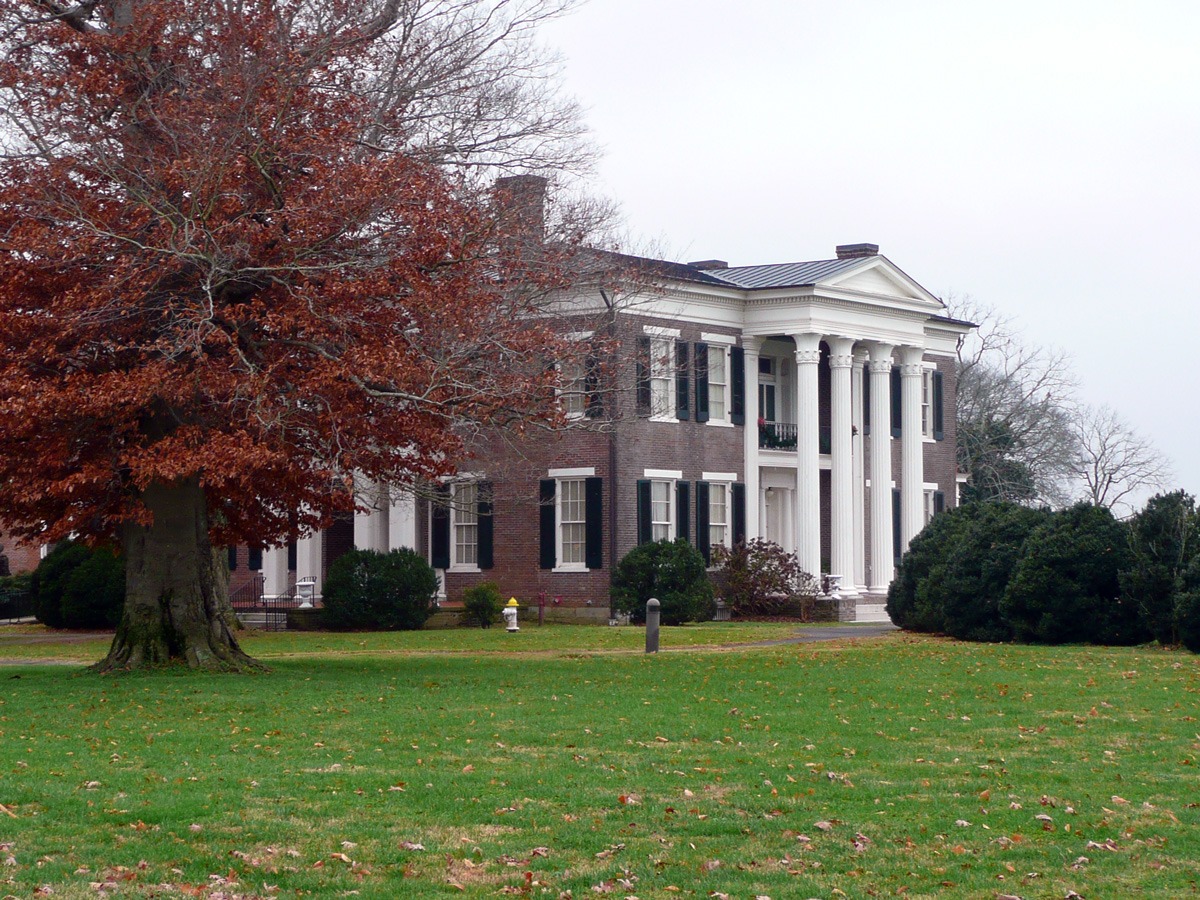
Spring Hill often begins with newer subdivisions and a northbound routine
Spring Hill’s recent growth has produced substantial newer construction, modern floor plans, association-managed neighborhoods, and homes designed around multiple bedrooms, offices, garages, and community amenities. Buyers often begin there when they want more house than Franklin at a position still tied to the I-65 and Cool Springs corridor.
The city’s location is not one simple commute. Saturn Parkway, U.S. 31, I-65, June Lake, Port Royal Road, Duplex Road, and local approaches can create very different first and last miles. A home on the map’s north side may function differently from one farther west or south.
Spring Hill also spans Williamson and Maury counties. County can affect school district, taxes, services, and records. Verify the exact parcel instead of treating “Spring Hill” as one administrative package.
The Spring Hill community page and Spring Hill living guide provide additional context.
Columbia offers a broader range of price points and settings
Columbia includes a historic downtown, older established neighborhoods, postwar homes, conventional subdivisions, newer construction, larger lots, and rural-edge properties. That variety gives buyers more ways to enter the market and more variation in condition.
A lower purchase price may create room for renovation, reserves, land, or a lower payment. It may also reflect an older roof, HVAC, plumbing, electrical system, windows, foundation, or finishes. Buyers should compare the total ownership plan rather than treating the price gap as automatic savings.
Location inside Columbia matters. A property near downtown, on the north side, near a major commercial corridor, or at the rural edge creates a different route and ownership pattern. The Columbia community page and Columbia living guide explain the range in more detail.
The commute question should begin with the workplace
Spring Hill is generally positioned closer to Franklin, Cool Springs, and Nashville, but actual travel depends on the address, destination, time, and local-road access. Columbia can work well for local employment, a flexible or hybrid schedule, or a buyer who accepts additional northbound distance in exchange for the property or payment.
Do not use one online estimate. Drive from the finalist home to the actual workplace during the normal arrival period, then test the return. Include groceries, medical care, airport travel, and at least one evening commitment.
A hybrid worker should test the least flexible week. If office expectations increase, will the route remain acceptable? If the client works remotely, verify wired internet and cellular backup at the exact address, particularly on the rural edge.
The Tuesday Test makes the price gap practical
Imagine an ordinary Tuesday from a representative Spring Hill home and a representative Columbia home. Add the work route, school or childcare trip if applicable, groceries, exercise, dinner, and one recurring activity. Then add the property responsibilities.
Does the Spring Hill home’s newer condition, neighborhood amenities, and northbound position justify the payment? Does the Columbia home’s lower price, lot, location, or character justify the additional drive or renovation? Which option protects the household’s time and budget after the excitement of the showing is gone?
A larger house is not automatically the better life. A shorter commute is not automatically worth every premium. The Tuesday Test lets the buyer decide which trade matters more.
School and county verification is especially important in Spring Hill
Spring Hill properties may fall within Williamson County Schools or Maury County Public Schools depending on the exact location. Columbia properties are generally associated with Maury County Public Schools, but the exact assignment still must be verified.
The Williamson County Schools zone page explains that the board establishes zones and that boundaries may change. Maury County Public Schools provides the current district resources and registration information.
Buyers should verify district and assignment directly for every finalist address. I provide official sources without ranking schools, using coded language, or steering the client toward a community.
Spring Hill’s current infrastructure context deserves verification
Spring Hill has been working through wastewater-capacity constraints and infrastructure projects. The city’s 2026 public materials describe sewer rehabilitation, a capital-improvement plan, and the framework surrounding the TDEC consent order and sewer moratorium.
This does not mean every home or approved development is affected the same way. Buyers considering new construction or an area near active development should confirm the project’s status, utility availability, approvals, timing, and any builder representation through the appropriate city, utility, and project sources.
Columbia is also growing and maintains planning, transportation, and development materials. The city’s development-services reporting and Connect Columbia planning documents can help a buyer investigate surrounding projects. In both cities, public plans should be refreshed before an offer because status can change.
New construction requires lot and phase analysis
Spring Hill’s new-construction selection may be more visible, but Columbia also offers newer communities and individual builds. Compare price, incentives, rate structure, builder, lot, grading, drainage, future phases, road position, association documents, warranty, and completion timing.
Do not allow a temporary financing incentive to hide a weaker lot or location. Ask what will be behind the home, where construction traffic will run, how water leaves the property, and what parts of the neighborhood remain unfinished.
For resale homes, review roof, HVAC, windows, plumbing, electrical, moisture, drainage, renovation quality, insurance, and expected repairs. The Middle Tennessee inspection checklist provides a useful starting point.
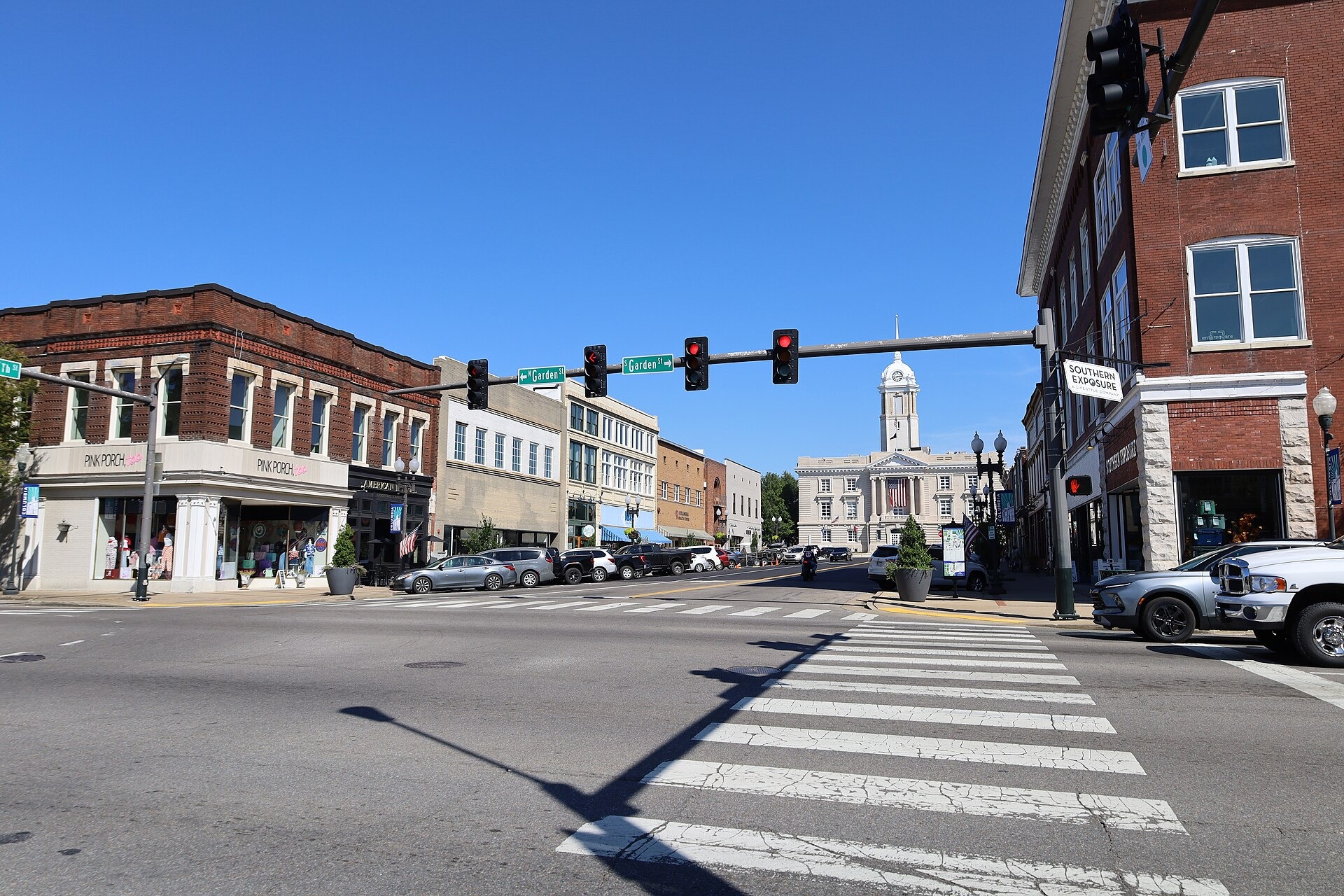
Older homes and renovation can change Columbia’s value story
Columbia’s lower median may attract buyers who expect to renovate. The plan should separate cosmetic work from systems and structural work. Paint, flooring, fixtures, and some layouts can be priced. Foundation, drainage, roof, electrical, plumbing, HVAC, windows, and unpermitted changes may require more investigation.
A well-located older home with sound systems can be an excellent alternative to a newer Spring Hill home. A neglected home can consume the apparent savings. Use inspections, contractor input when available, reserves, and realistic timing rather than a television-style renovation budget.
Land and outdoor use should be assigned a purpose
Both searches can include larger lots or acreage, especially near city edges. Ask what the land must support: privacy, garden, animals, workshop, recreation, or future structure.
Then investigate survey, restrictions, easements, septic, water, slope, flood information, drainage, fencing, road, internet, and usable acreage. A smaller level lot near the household’s routine can outperform a larger parcel that is steep, wet, wooded, or difficult to maintain.
Compare the full monthly ownership cost
Build one worksheet for each finalist. Include principal and interest, taxes, insurance, association fees, utilities, commute, landscaping, immediate repairs, expected system replacements, and reserves. A Columbia home with a lower price may need more near-term work. A Spring Hill home with newer systems may have a higher payment and association cost.
The correct comparison is not “Which city is cheaper?” It is “Which property and routine produce the better total ownership package for this buyer?”
A fair two-city tour
- Select two or three matched homes in each city.
- Drive the actual work route at a normal time.
- Complete one ordinary errand loop.
- Verify county, schools, taxes, utilities, city limits, and HOA.
- Review condition and price near-term work.
- Investigate current development around each finalist.
- State the strongest reason to choose each city before deciding.
Exit strategy matters in two changing markets
Spring Hill and Columbia continue to add homes, businesses, and infrastructure, so buyers should study the individual competitive set rather than assume growth guarantees resale. I compare nearby recent sales, active listings, planned phases, lot differences, association obligations, and features that may widen or narrow the future audience. A home that fits the buyer today should also have a clear value story within its own neighborhood.
That review is not a promise about appreciation. It is a way to spot avoidable overpayment and understand whether incentives, renovations, or a distinctive lot are truly reflected in comparable sales.
Who may prefer Spring Hill?
- Buyers prioritizing newer subdivisions and modern floor plans.
- Households with frequent trips toward Franklin, Cool Springs, or Nashville.
- Buyers willing to pay more for a northbound position or newer condition.
- People comfortable verifying county, utilities, development, and route at the exact address.
Who may prefer Columbia?
- Buyers seeking a lower citywide price point and broader range of housing ages.
- Households with local, flexible, hybrid, or south-corridor work.
- Buyers interested in historic character, established neighborhoods, renovation, or land.
- People willing to trade additional northbound distance for the right property or payment.
Frequently asked questions
Is Columbia cheaper than Spring Hill?
At the August 2026 citywide median, yes. Matched homes can overlap, and condition, age, lot, and location can change the comparison.
Which city is closer to Nashville?
Spring Hill is generally closer geographically. Actual travel depends on the exact home, destination, local roads, and time.
Is every Spring Hill home in Williamson County?
No. Spring Hill spans Williamson and Maury counties. Verify the parcel, school district, taxes, and services.
Does Columbia have new construction?
Yes. Columbia has newer communities and builds in addition to older and established housing.
Should infrastructure concerns rule out Spring Hill?
No blanket conclusion is appropriate. Verify the exact property, utility service, project approvals, and current city information.
What broader guides should I read?
Review the Maury County guide, Spring Hill vs. Franklin comparison, and Middle Tennessee city-selection guide.
About Harley Pope
Harley Pope is a lifelong Middle Tennessee local and Realtor with Pope Real Estate Group at The Baker Brokerage. He helps buyers compare Spring Hill, Columbia, Franklin, Nashville, Dickson County, and surrounding communities with current market context, route testing, address-level verification, and candid property analysis.
Compare Spring Hill and Columbia in person
If you are deciding between Spring Hill and Columbia, contact Harley and Victoria Pope. We can compare matched homes, drive the routes, verify the address-level details, and identify which location better supports your budget, property goals, and ordinary week.