
What to Do When Your Middle Tennessee Home Is Getting Showings but No Offers

Showings but no offers usually means buyers are willing to investigate the home but are not yet choosing it over their alternatives. The next step is to compare what they expected with what they experienced, then review price, condition, layout, terms, and competing homes. More promotion alone may not address the reason they stop after the visit.
Last updated: October 20, 2026
I’m Harley Pope, a lifelong Middle Tennessee local and Realtor with Pope Group at The Baker Brokerage. This guide helps Middle Tennessee sellers interpret showing activity without treating every appointment as a likely offer or assuming that one buyer’s comment proves what everyone thinks.
Showings but no offers: define the pattern precisely
Start by counting completed visits within a consistent period. Separate canceled appointments, requested showings that could not be accommodated, repeat visits, open-house visitors, and actual offers. Those categories describe different levels of interest.
Then ask whether the buyers were realistically matched to the property. A broad online audience can produce appointments from people still exploring location, financing, or property type. A showing is an opportunity to evaluate the home, not a commitment to buy it.
Do not set a universal number of visits that should produce an offer. The property’s competition, price position, condition, ownership requirements, and available audience matter. A useful review considers those factors together.
Our Middle Tennessee seller resource explains the broader process. Here, the question is specifically why interested visitors are not moving to the next decision. If the problem is getting buyers inside in the first place, start with the low-showing activity guide.
Identify where the expectation changes
Compare the online presentation with the experience from the driveway through the house. Ask what a buyer might reasonably expect from the photos, remarks, floor-plan information, and price, then examine whether the showing supports that expectation.
A home can be accurately described yet still leave important questions unanswered. Room connections, ceiling changes, storage, access to the yard, or the relationship between the home and nearby land may be difficult to understand online.
The solution is clearer information. A floor plan, better photo order, measured room details, or an accurate explanation of a limitation can help buyers decide whether a visit makes sense before scheduling it.
Avoid presentation that creates an impression the property cannot deliver. Generating more visits from a mismatch can increase disruption without improving the chance of an informed offer.
Ask feedback questions that reveal the decision
Generic feedback often produces generic answers. Ask what prevented the buyer from making an offer, which alternative they preferred, and what specific change would have made the property more competitive.
Distinguish an objection from a preference. A visitor who wants a different paint color is expressing taste. A buyer who cannot use the layout, sees an unresolved condition concern, or chooses a comparable home at a different total cost is describing a purchase obstacle.
Request information respectfully through the appropriate agent. Buyers and agents may not answer, and missing responses should remain missing information. Do not manufacture a conclusion to fill the gap.
Keep the comments in a simple record with date, concern, competing choice if known, and any follow-up. Over time, the record can show whether a concern repeats independently or whether the feedback is scattered.
Compare what buyers could choose that week
Review the alternatives available during the same period as the showings. A listing’s position can change when another property enters the market, changes price, improves presentation, or offers different terms.
Choose realistic substitutes by location, home type, layout, condition, lot usefulness, and ownership costs. A broad county average may be less helpful than a small set of homes serving the same buyer need.
For example, a Dickson home might compete with a Burns or White Bluff property when the route and housing requirements align. It should not be assumed that every listing in those areas is interchangeable.
Use the Dickson selling guide to frame local positioning. The useful comparison explains why a buyer would select your specific property now, given the choices they can actually inspect.

Examine price after the showing, not just in the search filter
A listing can be priced low enough to attract a tour and still feel less competitive once buyers see the condition, layout, or remaining work. Appointment activity therefore does not independently prove that the asking price is right.
Ask what the buyer receives for the price and what additional cost or compromise remains. Compare that complete package with the alternatives. A feature valued by the seller may not offset the same limitation for every buyer.
The Dickson home-values and CMA guide explains why comparable evidence needs interpretation. For other locations, apply the same address-specific discipline using the relevant sales and current competition.
A price adjustment should have a reason tied to the evidence and the seller’s goals. Avoid a small repeated change that neither addresses the value gap nor materially changes the buyer’s comparison.
Make condition concerns concrete
A buyer may be willing to tour a home with older systems but unwilling to offer when the possible cost remains unclear. The concern can involve expense, disruption, financing, uncertainty, or some combination.
Identify the specific issue before deciding on a repair or credit. A qualified inspection, contractor evaluation, service record, or estimate may help determine what the problem actually is and whether the proposed response is proportionate.
Separate necessary work from optional updating. A cosmetic preference and an active leak require different treatment. Do not spend broadly on appearance while leaving a recurring major concern unexplained.
Keep descriptions and disclosures accurate with appropriate guidance. A completed repair can be documented without implying that every related future problem is impossible. Clear information supports a better decision than an unsupported assurance.
Functional objections may require a different strategy
Some limitations cannot be economically changed. Road location, lot shape, stairs, room connections, or limited parking may be acceptable to one buyer and disqualifying to another.
Do not try to talk every visitor out of a genuine mismatch. Clarify the feature early, identify the property’s actual strengths, and price the whole package in relation to alternatives. Accurate positioning can improve the relevance of future showings.
For an unusual layout, a floor plan and clear room labels can help. For a challenging yard, show usable areas and boundaries accurately. For parking, describe the practical arrangement without implying capacity that has not been verified.
If a functional change is feasible, compare its cost and disruption with the likely benefit. An expensive alteration should not be undertaken solely because a single visitor suggested it.
Rural properties need a different conversion review
A home with acreage may generate attention for the setting while leaving buyers uncertain about use. Acreage count alone does not establish pasture, a workshop site, animal permissions, legal access, or straightforward maintenance.
Prepare the records and verified facts that answer the likely questions. Boundaries, easements, restrictions, water, wastewater, driveway arrangements, and internet can all affect whether a buyer is ready to proceed.
The Dickson County land guide identifies common investigation areas. Use it as a preparation tool, then obtain property-specific answers rather than presenting general guidance as a parcel determination.
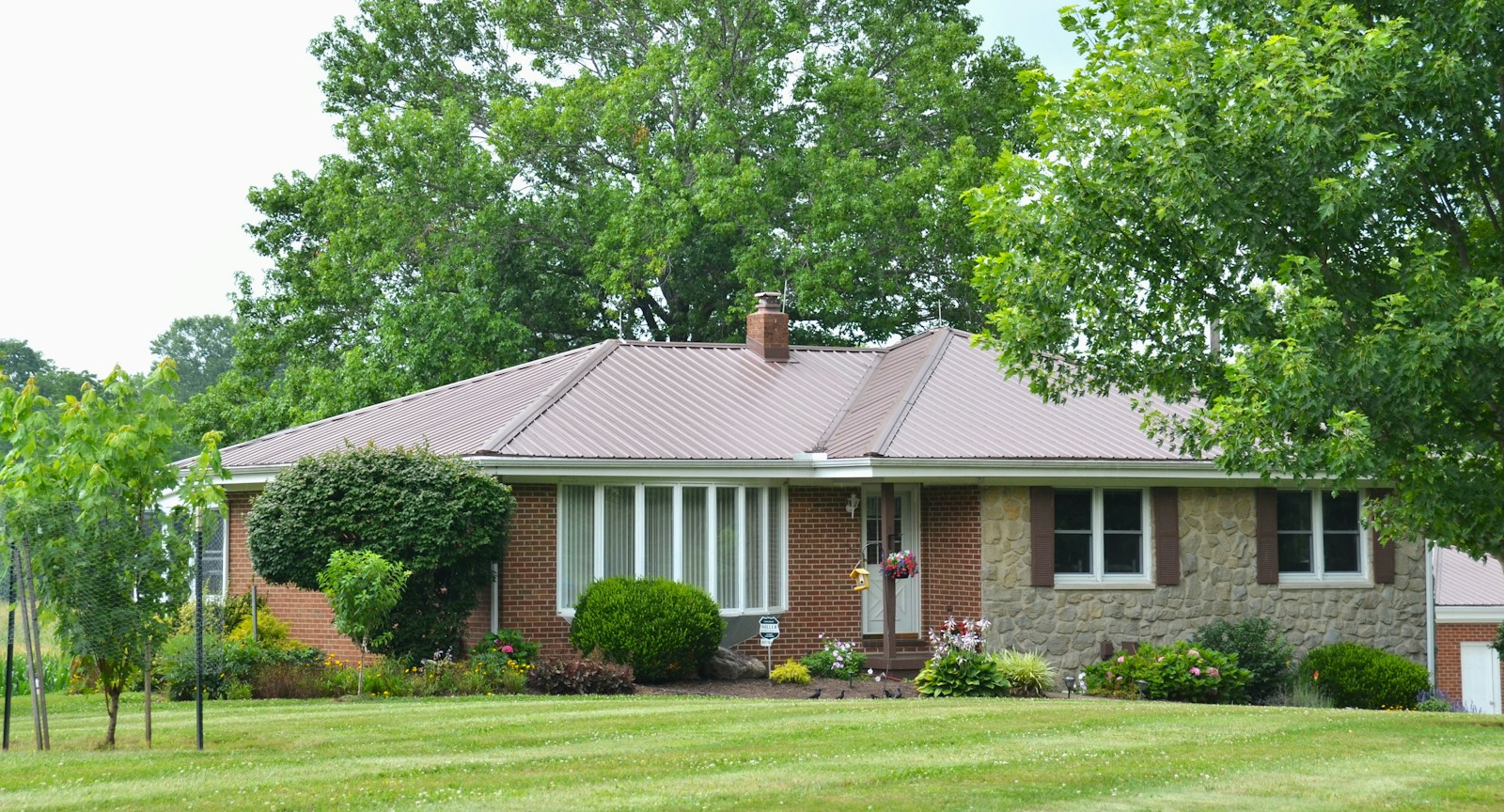
For properties in Maury County or other acreage markets, the same principle applies. An attractive view can bring a buyer to the property; clarity about ownership and intended use can be what they need before an offer.
New construction can change the buyer’s comparison
When a resale competes with new homes, compare the actual finished products and written terms. A model home’s price, upgrades, incentive conditions, lot, and completion timing may differ from the buyer’s initial impression.
Identify your property’s verified advantages: existing improvements, usable yard, completed surroundings, documented condition, or a workable possession arrangement. Describe those specifics instead of making a broad claim that resale is always a better value.
Also recognize genuine differences that favor the competing home. If buyers repeatedly prefer a layout or condition you cannot reproduce economically, the response may involve positioning, terms, or price.
The Spring Hill selling guide discusses a related competitive setting. Use the same evidence-based approach in Williamson County and other locations where the actual comparison set includes new construction.
Compare repairs, credits, and price through their purpose
Choose the response that addresses the obstacle. A repair may reduce uncertainty about condition. A price change alters the overall value comparison. A permissible credit may address a particular buyer’s available cash or transaction costs.
These tools are not interchangeable for every buyer. Financing, contract requirements, appraisal, timing, and the buyer’s preferences can affect how useful a term is. Have the appropriate professionals evaluate the proposed arrangement.
Model the seller’s likely net under each realistic option. Include concessions, work, carrying costs, and the timing assumptions. The highest proposed contract price may not create the best overall result.
Avoid advertising a financing or payment outcome that has not been verified. The purpose is to make the property and terms more workable, not to replace a careful comparison with a headline.
Improve the next visit without creating more disruption
Review showing preparation after the evidence has identified a likely obstacle. Lighting, temperature, entry, cleanliness, odors, and visible unfinished work can affect whether buyers can concentrate on the home.
Make important features understandable. If a room works as an office, show the practical arrangement without concealing limitations. If outdoor space is a selling point, make the access clear and provide appropriate property information.
Keep access reasonably workable within the seller’s real constraints. Track appointment requests that cannot be completed. Additional advertising will not solve an access problem if interested buyers repeatedly cannot see the property.
Discuss preparation tasks as a limited plan with clear priorities. The seller should understand which items matter most and why. An endless list of small improvements can create effort without addressing the reason offers are absent.
Set a short action plan and a meaningful review point
Select the strongest supported explanation, the change that addresses it, and the evidence you will watch afterward. Some listings need one focused adjustment; others need a coordinated reset because several weaknesses interact.
Agree on a review period appropriate to the property and seller timeline. Do not promise that the next showing will produce an offer. Track whether the quality of inquiries, completed visits, repeat interest, and offers changes.
If the result remains weak, compare the new evidence with any changing competition. The review should build on what has been learned rather than restart the same conversation without a decision.
For a sale connected to another purchase, use the selling-and-buying coordination guide to include timing and carrying costs. The best response depends on the seller’s whole situation, not just the listing statistics.
Know what a useful recommendation should contain
A strong listing review should identify the problem being addressed, the evidence behind the diagnosis, the recommended action, its cost or tradeoff, and the next decision point. It should also acknowledge what remains uncertain.
The questions to ask a Dickson Realtor include broader service considerations. Wherever the property is located, sellers should be able to understand the reasoning behind a proposed change.
For a Columbia home, a Dickson County property, or another Middle Tennessee listing, the process should remain specific to the house and its alternatives. There is no single conversion formula that replaces judgment.
Showings provide a chance to learn. Use that information to make the next buyer’s decision clearer and the seller’s next choice more deliberate.
Frequently Asked Questions
Do showings prove that my asking price is correct?
No. The price may attract a visit while condition, layout, remaining work, or competing choices prevent an offer. Evaluate the complete value comparison after the showing.
Should I reduce the price after a fixed number of visits?
There is no universal threshold. Consider the relevance of the visitors, recurring concerns, current competition, exposure period, and your timeline. A recommendation should explain why a change addresses the evidence.
What if agents do not provide feedback?
Record that the information is unavailable and use other evidence. Completed visits, repeat interest, competing outcomes, access issues, and offers still matter. Silence alone does not prove a specific defect or pricing conclusion.
Can better photos solve a problem buyers discover in person?
They can clarify expectations and improve the match, but they cannot remove a real limitation. Use accurate presentation alongside an appropriate condition, terms, or pricing strategy.
When should I consider a broader listing reset?
When several parts of the presentation, access, condition response, and price position no longer fit the property or its competition. The reset should identify what changes for the next buyer and why.
About Harley Pope
Harley Pope is a lifelong Middle Tennessee local and Realtor with Pope Group at The Baker Brokerage. He helps buyers, sellers, and relocating clients compare property condition, location, ownership responsibilities, and transaction timing across Dickson County, Maury County, Nashville, and surrounding Middle Tennessee counties. His approach centers on clear comparisons, honest tradeoffs, and a plan shaped around the client’s goals and everyday life.
Getting visits without a clear next step? Talk with Harley and Victoria Pope at Pope Group at The Baker Brokerage about the evidence behind your listing activity and a focused plan for moving forward.