
Nashville-Area Communities to Consider When Moving From Sacramento

A Sacramento to Nashville move should start with the routines you want to keep, the ownership responsibilities you are prepared to take on, and the destinations that will shape your Tennessee week. Compare Nashville, southern communities, and western options through actual homes and complete budgets. More space can be valuable, but it should justify the location, maintenance, and travel that come with it.
Last updated: October 20, 2026
I’m Harley Pope, a lifelong Middle Tennessee local and Realtor with Pope Group at The Baker Brokerage. This guide helps Sacramento-area buyers make a focused Middle Tennessee comparison. It does not assume that every California home sale produces the same budget or that every relocating buyer wants the same kind of property.
Sacramento to Nashville: begin with the reason behind the move
Describe the change you are seeking in practical terms. A dedicated office, a different work route, room for visitors, manageable outdoor space, or a home with fewer shared responsibilities each creates a different search.
Also identify what currently works. If you appreciate a compact floor plan, useful patio, nearby errands, or limited exterior maintenance, keep those benefits in the brief. Do not trade them away simply because another property offers more rooms.
Our Middle Tennessee relocation resource helps organize the process. Write down the essentials, flexible preferences, budget, and timing before choosing towns. The purpose is to compare homes that could improve your life, not to maximize size automatically.
Translate your Sacramento housing experience into questions
Use your current property as evidence of how you live. Which rooms do you use daily? Where do belongings accumulate? Which outdoor tasks do you enjoy, and which do you avoid? Those answers make the Tennessee search more specific.
Avoid assuming that a similar-looking house creates similar ownership. Construction, systems, land, drainage, association obligations, and services can differ. Ask about the actual Tennessee property rather than relying on its resemblance to home.
If you want a workshop, garden, additional structure, or rental use, state that early. The intended use creates a separate investigation of feasibility and rules. A large lot or flexible room label does not establish permission.
Keep one smaller, practical alternative beside a larger candidate. That comparison can reveal whether the extra space is solving a real need or simply becoming the easiest visible measure of the move.
Put work and recurring travel on the first map
Confirm the exact workplace and expected schedule before choosing a location around a house. Nashville-based work, a Franklin-area destination, and a remote arrangement can lead to different starting areas.
For remote work, verify that the employer’s arrangement will apply after the move and coordinate documentation with the lender. Consider the hours you will keep, especially when colleagues remain in another time zone.
Then map appointments, errands, airport use, and recurring activities. Remote work removes some trips without eliminating the location decision. Test the journeys you will actually make from finalist addresses.
Use TDOT SmartWay for current highway conditions while planning visits. Combine it with route tests at relevant times. Neither straight-line distance nor one smooth drive establishes the ordinary travel commitment.
Nashville can be the right starting point for access
Nashville deserves an early comparison when frequent destinations are in the city. Investigate individual blocks and available home types before deciding that a larger suburban home is necessary.
An attached property or smaller detached home can offer a different balance between location and maintenance. Review parking, stairs, storage, outdoor use, interior sound, association obligations, and the condition of shared elements where applicable.
Walk the specific routes you expect to use. Check crossings, grades, sidewalk continuity, and the return with purchases. Being close to a destination on a map does not establish that every part of the trip works on foot.
For a buyer moving from a familiar Sacramento routine, clarity matters more than reputation. Choose the places you expect to visit and test their connection to the home instead of selecting a neighborhood from a broad description.
Franklin and Brentwood offer separate ownership comparisons
Franklin may qualify through a workplace, downtown destination, established neighborhood, or planned community. Each reason can point to different homes, costs, and maintenance.
The Franklin neighborhoods guide can help narrow the visit. Compare condition, layout, route, and ownership structure rather than assuming the city name describes one uniform product.
Brentwood can be useful when the location or home-and-lot arrangement matches your needs. A larger house or private yard deserves a clear explanation of what it adds and what it requires.
Look at systems, exterior surfaces, trees, roof complexity, and drainage alongside finishes. The more elaborate property may be worthwhile, but its ongoing work belongs in the comparison before you decide how much of the sale proceeds to commit.
Nolensville and Thompson’s Station should qualify through exact homes
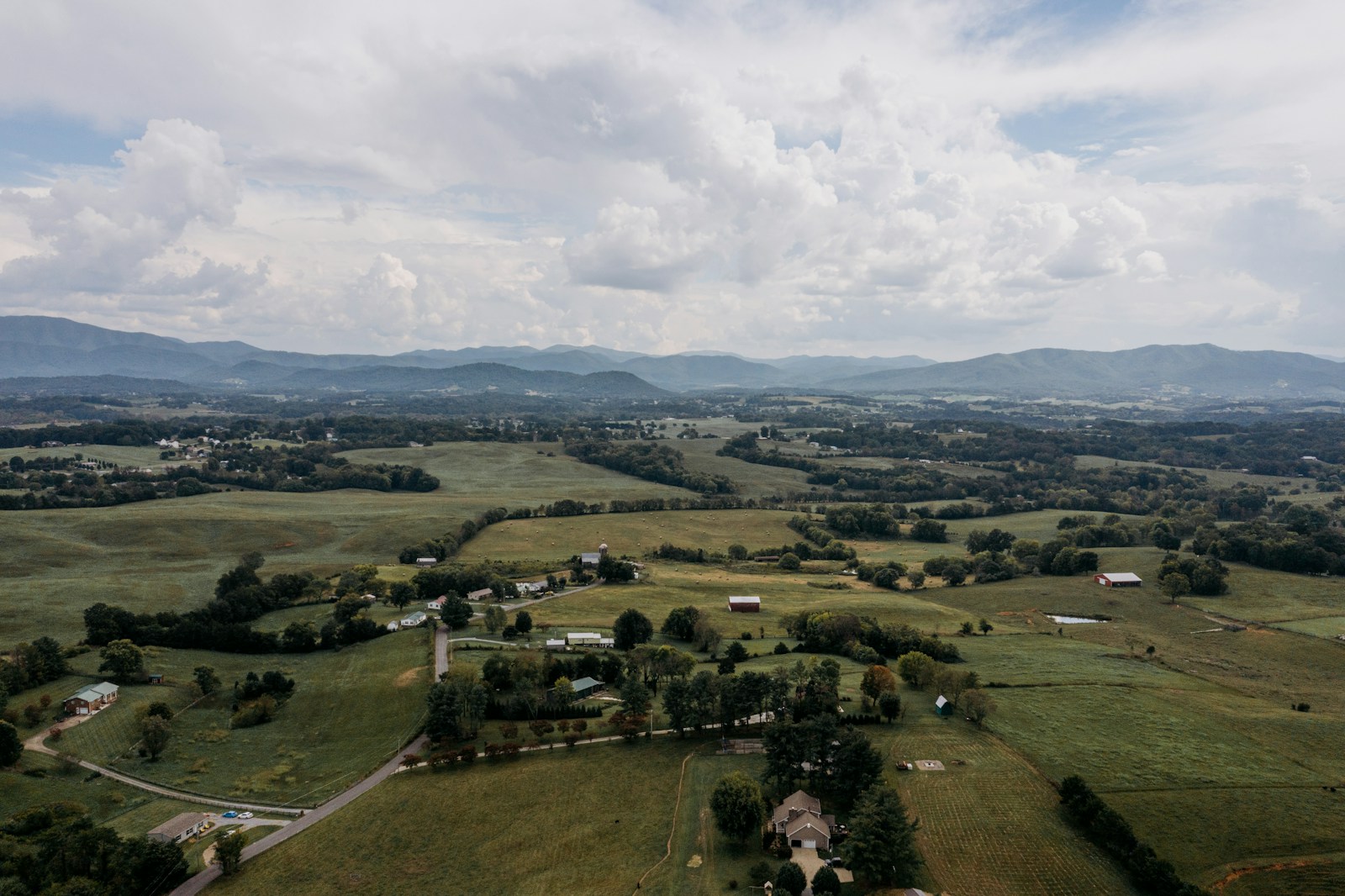
Consider Nolensville when its location, planned communities, or particular floor plans answer the brief. Verify parcel boundaries, services, and the actual local-road connection to your destinations.
Thompson’s Station provides a separate southern comparison when a specific home, community, or land requirement supports it. Test the whole route instead of grouping all southern addresses together.
For a newer community, distinguish operating amenities from planned phases. Read the documents for the exact property and ask which facilities are included. Marketing material can identify a feature to investigate without proving current access.
Compare one established resale with the newer alternative. Include finished price, current surroundings, inspection findings, necessary work, financing conditions, and possession. That makes the tradeoff clearer than comparing a resale price with a model home’s starting figure.
Spring Hill and Columbia work when the southern location fits the week
Spring Hill and Columbia can enter the shortlist through work, housing function, or recurring connections. Avoid extending the map solely to obtain a larger house.
Spring Hill spans Williamson and Maury counties, so verify the parcel and relevant services directly. The city name does not settle all jurisdiction or ownership questions. Evaluate the neighborhood exit and route from each candidate.
In Columbia, compare historic, established, and newer homes through condition and everyday use. A local destination can make a property convenient while a frequent Nashville journey changes the equation.
Use the Maury County guide for broader context, then return to actual addresses. Keep a closer-to-destination alternative in the comparison so the benefits of the southern home have a clear travel tradeoff.
Western options may suit a specific home-and-land plan
Fairview and Dickson County may be useful when the western route, property type, or land requirement points that direction. They should have a specific reason to qualify.
Define how the land will be used before comparing acreage. Walk the garden area, potential workshop location, storage approach, or outdoor sitting space. A wooded slope can provide a view without providing the level ground needed for another purpose.
Verify legal access, boundaries, easements, restrictions, water, wastewater, and internet. Where an individual system applies, review the records and condition with qualified help. A rural appearance does not establish unrestricted use.
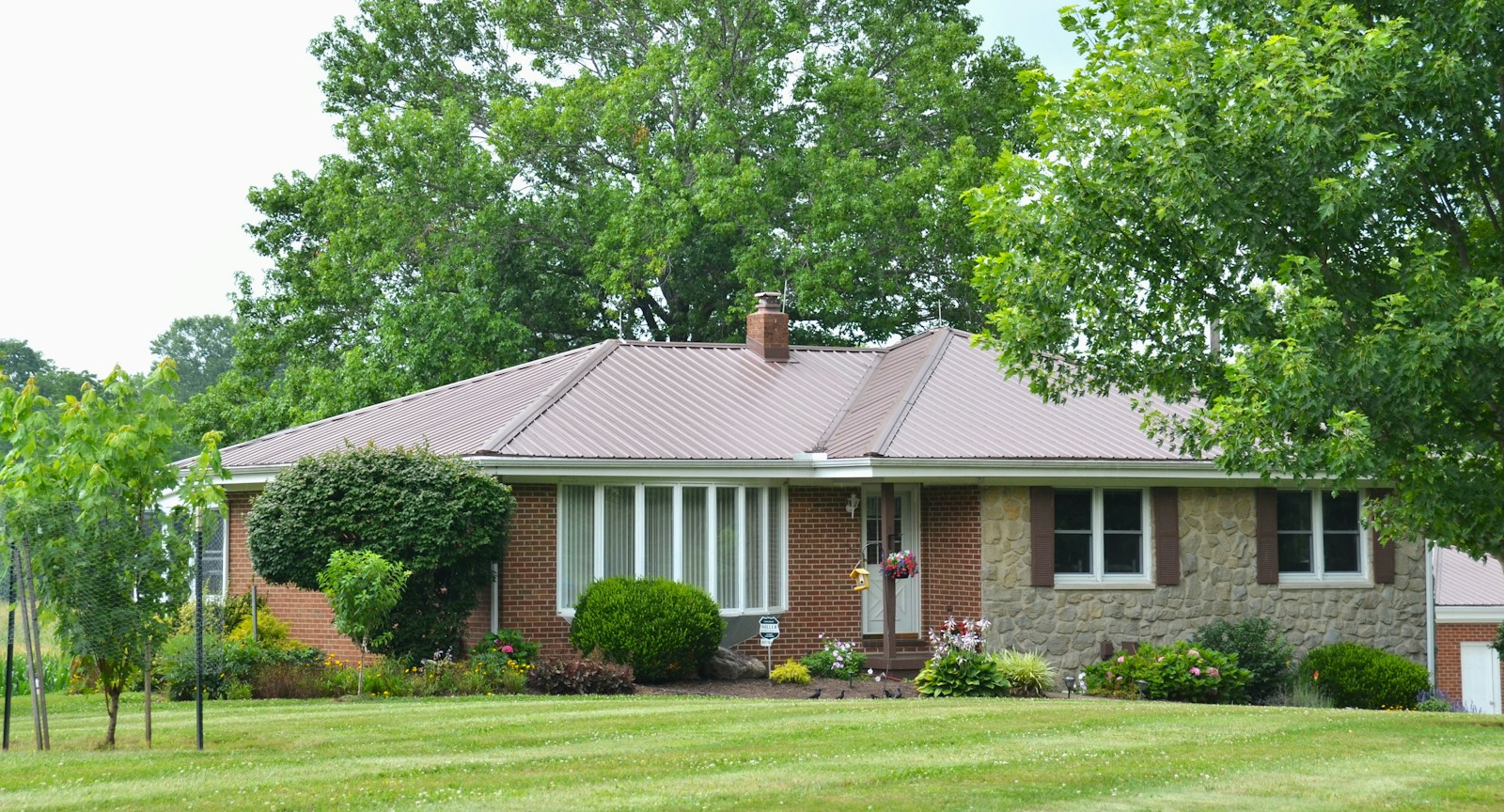
Price the maintenance as well as the purchase. Trees, lawn, driveway, fencing, and outbuildings can require equipment or hired services. The property should remain manageable when you are working, traveling, or handling the other responsibilities of the move.
Seasonal differences change the maintenance conversation
The National Weather Service Sacramento climate reference describes the region’s seasonal pattern. Compare it with Nashville climate records when preparing for Tennessee precipitation patterns, humidity, and winter freezing conditions.
At the property, ask an inspector about grading, roof runoff, gutters, ventilation, insulation, and any accessible crawlspace or foundation concerns. A familiar floor plan does not establish familiar moisture management.
Walk the yard and driveway with drainage in mind. Identify where water is intended to move and ask about any concern that could affect the house or planned outdoor use. Property-specific evidence matters more than a broad climate label.
Create a seasonal care plan for the first year. Decide which tasks you will handle and which services you would hire. A covered porch, practical storage, and manageable yard can support outdoor enjoyment without requiring more land than you want to maintain.
Compare budgets without assuming California equity answers everything
The Sacramento and Nashville cost comparison helps identify categories. The Sacramento home-budget guide provides related property-planning context.
Build the actual purchase range with current lender estimates, expected sale proceeds after relevant costs, and the reserves you want to retain. A sale price is not the same as cash available for the Tennessee purchase.
Add verified taxes, address-specific insurance, association expenses, utilities, maintenance, and essential work. Compare coverage and deductibles as well as premiums. Ask qualified advisers about the tax and residence issues specific to your situation.
Keep transition costs separate: travel, moving, storage, temporary housing, and arrival purchases. The move may require substantial cash before the ordinary monthly budget begins, even when the home payment itself is comfortable.
Make new construction and resale comparable
For a new home, obtain written specifications and the complete price for the exact lot. Include elevation, options, appliances, exterior work, landscaping, and any feature shown in the model that is not included.
Review builder incentives with the lender and relevant professionals using written conditions. Compare cash required, loan terms, and the finished property. A temporary payment does not make an unsuitable location work.
For resale, separate essential repairs from optional remodeling. Examine documented improvements, layout, possession, and current surroundings. A home needing cosmetic updates may offer a different kind of certainty from a home that is still under construction.
If timing is uncertain, plan the alternative before making a moving commitment. Know how current housing, rate arrangements, belongings, and work would be handled if possession changes.
Coordinate a cross-country move around verified milestones
Write one timeline connecting the Sacramento sale or lease, financing, Tennessee purchase, closing, possession, and delivery. Mark which dates are confirmed and which remain expectations.
The selling-and-buying coordination guide helps frame sequencing choices. Temporary housing can reduce pressure, but account for rent, storage, a second move, and the effect on work.
Use the FMCSA moving resource to investigate interstate movers and written terms. Keep essential documents, work equipment, and immediate household supplies available during transit.
Arrange internet and utilities around the actual possession plan. If belongings arrive later, decide what is needed to use the house immediately. Closing, physical arrival, and a fully functioning home are related steps that may occur on different days.
Let The Tuesday Test choose between the finalists
Plan the decision trip around two or three realistic location patterns. Tour homes with comparable budgets and essential functions, then leave time for routes, ordinary errands, and a second look.
For The Tuesday Test, rehearse the workday you expect in Tennessee. Include any remote-work hours, the errands you will repeat, parking, laundry, and the outdoor space you intend to use.
Record the strongest improvement over your Sacramento home and the biggest new responsibility. If the benefit is mainly size, ask whether the additional space will be used enough to justify its costs and location.
Finish with a short list and a specific question for each property. The best next step is the investigation that could change your decision, followed by an offer plan when the essential facts are clear.
Frequently Asked Questions
Should I use my Sacramento sale price as the Tennessee budget?
No. Consider net proceeds, financing, reserves, transition costs, and the ongoing ownership budget. Work with the appropriate professionals to establish the amount that fits your actual plan.
How should remote work affect the community shortlist?
It can create flexibility, but verify the employment arrangement, internet, office function, work hours, airport use, and recurring appointments. Remote work changes the travel pattern without making every location equally practical.
Will a familiar-looking house require familiar upkeep?
Not necessarily. Review the Tennessee home’s construction, systems, drainage, exterior materials, and seasonal needs. Similar floor plans or finishes do not establish identical ownership responsibilities.
Is acreage automatically a better use of the move?
Only when the land supports an intended use and manageable maintenance plan. Verify boundaries, services, terrain, restrictions, and feasibility before assigning extra value to the acreage total.
What should I accomplish before making a cross-country offer?
Clarify the budget, sale dependencies, work arrangement, essential property facts, and possession plan. Test the finalist’s daily routes and resolve questions that could materially change whether the home fits.
About Harley Pope
Harley Pope is a lifelong Middle Tennessee local and Realtor with Pope Group at The Baker Brokerage. He helps buyers, sellers, and relocating clients compare property condition, location, ownership responsibilities, and transaction timing across Dickson County, Maury County, Nashville, and surrounding Middle Tennessee counties. His approach centers on clear comparisons, honest tradeoffs, and a plan shaped around the client’s goals and everyday life.
Planning a Sacramento move? Contact Harley and Victoria Pope at Pope Group at The Baker Brokerage to compare Middle Tennessee homes around your work, budget, and everyday priorities.