Buying a Home in Thompson’s Station, TN: Space, New Construction and Williamson County Living
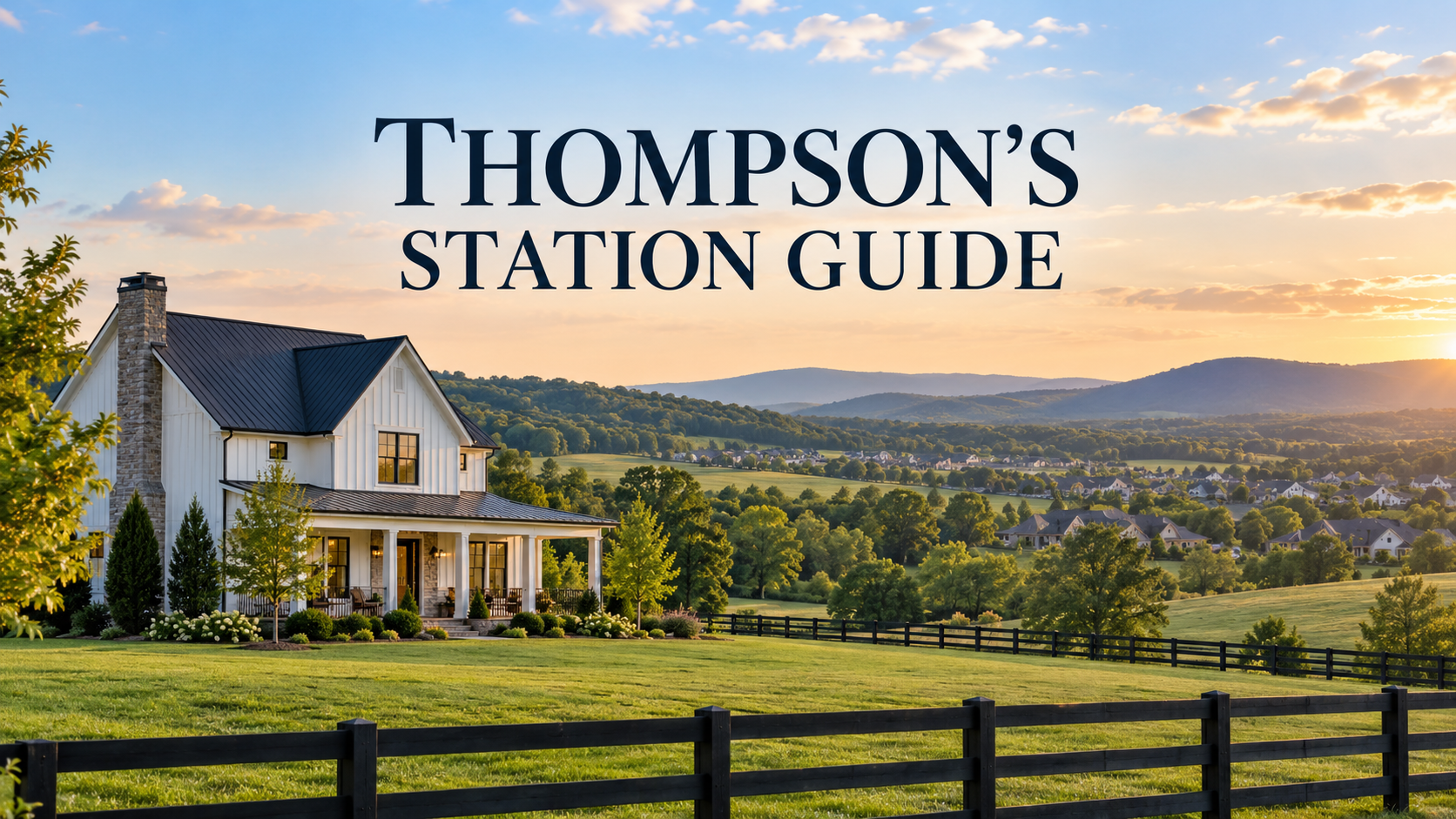
Buying a home in Thompson’s Station, TN, means comparing more than house size. The location within Williamson County, the exact route, lot usability, town rules, HOA documents and construction status can change a property’s value to you. Look at established homes, newer neighborhoods and land only if they fit your actual budget and routine, then verify the details of the parcel you choose.
Last updated: September 25, 2026. This is a buyer planning guide, not a live inventory report or a forecast of town development.
Local perspective: Harley Pope is a lifelong Middle Tennessee local and a Realtor with Pope Real Estate Group at The Baker Brokerage. Harley and Victoria Pope help buyers compare a home by the ordinary days it can support.
Start with the route, then the house
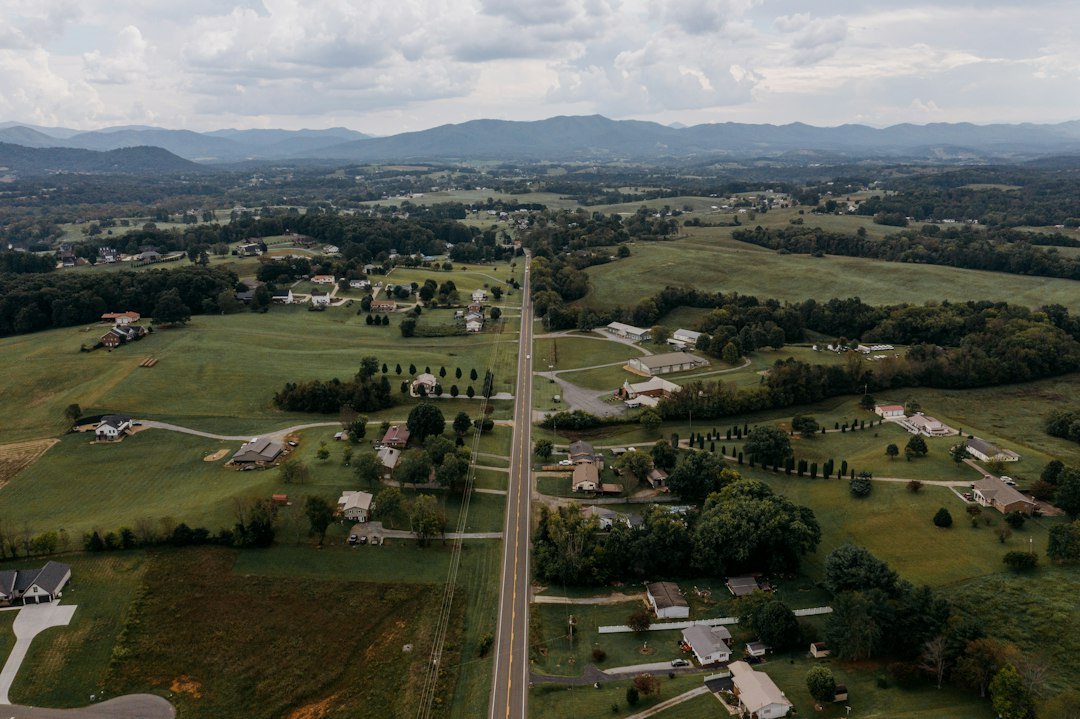
Thompson’s Station can enter a buyer’s search for its Williamson County location and mixture of housing settings. Yet the town name does not establish a commute. Put your exact work, appointments, errands and frequent visits on a map. Drive from a candidate house at the hours you expect to travel, including the last turn into the subdivision or private road. A property that looks close on a map may ask for a different weekday schedule than you had imagined.
If your routine centers on Franklin or Spring Hill, compare actual homes in all relevant locations at one monthly payment. If Nashville is a recurring destination, test that trip too. Remote work changes the frequency, not the importance of groceries, medical visits and seeing people. A search centered only on an employer’s pin can overlook the rest of your week. Decide how much time you are willing to trade for space or a particular home design.
The town’s planning materials include a general plan, a major thoroughfare plan and a land development ordinance. These are useful for understanding rules and asking about an adjacent parcel or road. They do not guarantee that a conceptual improvement will be constructed on a certain date. Verify current approvals, jurisdiction and proposed uses directly with the town before you treat a future project as part of a property’s appeal.
Compare established homes, new homes and land
An established house may offer mature trees, an observable street pattern and a different lot from current subdivision products. Inspect roof, HVAC, drainage, additions and prior repairs. Ask how a converted room was permitted and whether the finished space meets your use. A pleasant older home can be a strong option when the systems and work are understood. A fresh interior alone does not answer those questions.
A new or recently built home can offer a contemporary floor plan, but the true package is the specific lot, included finishes, HOA and completed condition. Ask what the model displays that the price excludes. Compare room dimensions, storage, garage depth and outdoor space rather than a total square-foot figure. A larger footprint on a compact lot can reduce the yard you expected to have. Tour the actual site and ask about grading, drainage and continuing construction.
A property on more land may give you privacy or room for a specific project. Make that purpose explicit. Can you use the ground, reach it legally and maintain it? Survey, slope, easements, deed restrictions, water and wastewater determine the answer. An acre count does not promise a second building site or an approved place for animals. Ask the responsible town or county office about an exact intended use before relying on it.
Put all three categories into an apples-to-apples budget with realistic repairs and upkeep. A lower purchase price on an older home can come with a roof or HVAC project. A builder incentive can offset cash to close while hiding a different interest rate. A land purchase can demand fencing, driveway or utility work. The headline price is a starting point only.
Williamson County taxes, HOA and ownership costs
Obtain a current lender scenario for each serious property that includes the total monthly payment. The Consumer Financial Protection Bureau explains that principal and interest alone leave out taxes and insurance; mortgage insurance and HOA dues can add more. Keep a reserve for inspections, moving and first-year repairs. A lender’s maximum preapproval is not the same thing as the payment that lets you live comfortably after closing.
The Tennessee comptroller explains that residential property is assessed at 25 percent of appraised value, followed by the applicable local property-tax rate. Verify the parcel’s town and county jurisdiction and ask how a completed new home will be assessed. A prior bill on vacant land or construction in progress may understate future costs. Obtain a homeowner insurance quote and, for special sites, ask about additional coverage well before the financing deadline.
If the home has an HOA, review the actual documents: dues, budget, reserves, insurance responsibilities, restrictions and any planned assessments. Can you fence the yard, park a vehicle you own or modify an exterior feature? Check the plat for easements too. An HOA can maintain shared spaces and set useful expectations, but its rules may conflict with a buyer’s particular plan. Read them before offering, or make your review rights clear in the contract.
New construction without surprises
Builders use different contracts and incentive terms. Identify the lot, floor plan, included selections, appliances, landscaping, completion stage and written warranty. Ask what happens if completion is delayed and what rights you have at final walk-through. Request a written list of any promised repairs. A model home’s upgrades and professionally maintained exterior are examples, not proof of what your lot will contain at closing.
Compare financing offers using complete Loan Estimates. A preferred lender’s credit may be useful, but a higher rate, points or fees can reduce its benefit. Ask an independent lender to price the same loan, closing date and down payment. Work with your agent to compare cash to close and longer-term payment. If a builder ties the incentive to a short closing window, confirm the home and lender can actually meet it.
Arrange an independent inspection if the contract permits and inspect the completed product. New equipment can be installed incorrectly. Look at grading, exterior water management and items a warranty may exclude. Understand how to submit warranty claims and their deadlines. Take dated photographs and keep the contract, warranty and final walk-through list. The first year of ownership should begin with clear records.
Larger lots require documentary due diligence
For a rural or edge-of-town property, obtain a survey or recorded plat and examine access and any shared-road maintenance arrangement. Walk the boundaries as well as practical. If the property uses septic, request available records from Tennessee’s environmental department and learn where the disposal and reserve areas are. The department notes that modifications may require approval when improvements affect the system. Check before planning a pool, barn, addition or another residence.
Ask where the water comes from and whether broadband is available at the specific address. A service map is a starting point; an installation confirmation is better when remote work depends on it. Identify power and other utilities to an outbuilding rather than assuming they exist because a structure is present. A beautiful field could have drainage or grade limitations. A land specialist, surveyor, inspector or agency may be necessary to answer the questions your intended use creates.
Check FEMA’s address-specific flood map if a site is near a creek or low area, and obtain an insurance quote. A map does not tell the whole story of past water on the property. Review disclosures and inspect for moisture, grading and access in heavy rain. These are property-specific due diligence items, not a claim that all larger lots are problematic.
Compare Franklin and Spring Hill with a purpose
Franklin may be a better fit when its location and established housing choices align with your regular destinations. Spring Hill offers another southern search, with parcels in Williamson or Maury County. Thompson’s Station presents its own mix of locations and property types. Compare similar usable layouts at one total payment, then test the drive and ownership burden. A bigger house in one town may be a poor match if you never use its extra rooms and spend additional hours in the car.
Our guides to buying in Franklin and Spring Hill can provide context, as can a detailed search of actual homes. Don’t use a general ranking of places to choose an address. Use the property documents, route and the household’s priorities. Verify any school assignment directly with the district for the specific address if it matters, and avoid unsupported assumptions based on reputation.
The Tuesday Test makes the trade concrete. Picture parking after work, cooking, using the outdoor space, putting away equipment and leaving the next morning. A floor plan or lot that supports those tasks can be worth more to you than additional square footage that looks impressive but adds no utility. Great homes make ordinary days better when the payment leaves room to enjoy them.
Offer strategy and decision guardrails
Before offering, review recent comparable sales for the specific property type and active competition. Condition, location, lot and terms matter more than a broad Williamson County average. Ask about seller timing and whether a credit toward closing costs, a different closing date or repair terms would help. Let the lender confirm any concession limits and appraisal considerations. Do not choose a price because of a hoped-for future road or resale gain.
Request disclosures, HOA documents, survey, permits and material repair history early. Keep inspection and financing deadlines realistic. If a land use is essential, seek written confirmation or professional review during an appropriate contingency period. If a builder contract narrows your rights, understand them before signing. A sound purchase has room for verified information to change your mind.
Build a short list of deal breakers: unacceptable route, unaffordable total payment, unresolvable land restriction, unexpected water risk or material condition issue. Then compare the homes that remain for the benefits they give you. This reduces pressure to justify a poor fit merely because you have spent time on it.
Read both the map and the ground
A property’s survey and planning map answer different questions. One shows boundaries and easements; the other provides broader land-use context. Neither tells you how water moves across the driveway in a storm or whether you will enjoy maintaining the yard. Use documents and an on-site visit together. When they seem inconsistent, ask the relevant professional or town office to resolve the issue before the contract deadline.
Estimate the first year, not only the closing day
Make a simple list of likely work in the first twelve months: landscaping, fencing, window treatments, repairs, furniture and any utility connection or driveway project. Ask which items are required and which can wait. On a new house, a bare yard or unfinished shared area can change the experience after the model-home visit. On an established house, deferred work can change the effective cost. On acreage, equipment or hired service can be significant.
Check the home against your cash reserve after closing. A buyer may qualify comfortably for the mortgage yet feel constrained when several small projects arrive together. Set aside funds for the unexpected rather than treating every dollar of proceeds as down payment. If the ideal house would leave too little margin, compare a simpler property or wait for a better fit.
This exercise does not mean purchasing the cheapest house. It lets you spend intentionally on the features you will enjoy. A porch used daily, a garage that makes work easier or a route that returns time can be worth paying for when the total cost is understood. The objective is a sustainable choice, not the biggest apparent discount.
Consider the land immediately beyond the property line. A pretty view or a quiet parcel next door may be privately owned and subject to different future uses. Check current zoning and any active applications with the town without assuming they will become approvals. Make sure the house, yard and route work under the conditions you can verify today. A buyer can appreciate an open setting while still recognizing that control ends at the property boundary.
Frequently Asked Questions
Is every Thompson’s Station listing inside town limits?
No. Verify the parcel’s jurisdiction through official records before assuming taxes, utilities or permit rules.
Does a builder’s incentive always reduce my cost?
Not necessarily. Compare the full rate, points, fees, cash to close and future payment with another lender’s written scenario.
Can I build a shop or another home on acreage?
Maybe, but confirm zoning, restrictions, legal access, utilities and septic feasibility for that specific parcel and proposal.
Is a town planning map a promise about a future road?
No. Ask the town about the specific project’s approvals, funding and current schedule, and plan as though it could change.
How should I compare Franklin, Spring Hill and Thompson’s Station?
Use current properties at the same comfortable total payment, then compare actual routes, floor-plan utility, condition and upkeep.
About Harley Pope
Harley Pope is a Middle Tennessee Realtor with Pope Real Estate Group at The Baker Brokerage. He helps buyers compare homes across Williamson County, Maury County, Nashville, Dickson County and surrounding communities. Victoria Pope works with Harley on the team. They focus on the details that make a property useful after closing: the route, rooms, land, documents and ownership cost.
If Thompson’s Station is on your list, Harley and Victoria Pope can help you compare current homes and confirm the questions that matter to your purchase. Contact Pope Real Estate Group at The Baker Brokerage to build a focused tour and due diligence plan.