
Selling a Home in Nolensville, TN: Preparation, Pricing and Buyer Expectations

Selling a home in Nolensville, TN starts with understanding which buyers will compare your house with existing resales and which will also consider new construction elsewhere. A strong launch pairs a supported price with clear condition, accurate neighborhood details and photography that shows how the home works. Plan your seller net and next move before choosing a concession or negotiating an offer.
Last updated: October 5, 2026. Pricing and competition must be refreshed for the specific property at launch.
I’m Harley Pope, a lifelong Middle Tennessee local and a Realtor with Pope Real Estate Group at The Baker Brokerage. Victoria and I help sellers connect the details of their home with the choices buyers face across Middle Tennessee.
Establish the actual Nolensville competitive set
Do not begin with a single townwide average. A buyer searching for a particular floor plan, lot, condition and payment may see several alternatives in and near Nolensville. Identify closed sales that are genuinely similar, current listings within the same practical search, pending homes whose terms are not yet public, and new construction a buyer might substitute. A house with an unusual lot or major finished space needs more careful comparison than a simple price-per-square-foot calculation.
The Nolensville area guide and Nolensville buyer guide help frame location and search questions. Make a map of the buyer’s likely trips, but do not promise a commute. A route toward Nashville, Brentwood, Franklin or another destination can differ substantially in usefulness depending on the precise address and travel time. Test the specific route at the hours that matter. The Franklin versus Nolensville buyer comparison gives another lens for the likely buyer.
If the property is within an HOA, compare dues, amenities, maintenance responsibilities and restrictions with competing homes. Some purchasers will value a particular arrangement; others will prefer fewer shared rules or costs. Treat that as a documented part of the offering, not a universal advantage. Verify all descriptions against current association materials.
Price for the property, not for a nearby headline
Start with recent closed sales adjusted for meaningful differences: living area, layout, age, condition, lot utility, garage, outdoor improvements and location. Then face the active alternatives. An asking price is a seller’s proposal, not proof of achieved value. A pending listing can show that a buyer chose a property, but its agreed price and concessions may not be known until closing.
For an older resale, a buyer may budget for roof, systems or cosmetic work. For a newer house, the same buyer may compare finish selections, yard maturity and dues. A listing advertised at a similar price can produce a different total cost when it needs work or carries a builder lot premium. Make those distinctions explicit without assuming every dollar of improvement returns a dollar in market value.
Model three honest positions. A premium price can be reasonable when evidence supports an uncommon feature and the seller has room to wait, but it narrows the audience. A supported market price aims to meet the closest alternatives directly. A sharper asking price may generate early interest, but bidding is never guaranteed. For each scenario, estimate likely net after costs and possible concessions, and set a date to revisit the evidence. The Franklin seller guide offers a nearby example of pricing as a strategy, although its comparable set is different.
Prepare the house in the order of buyer risk
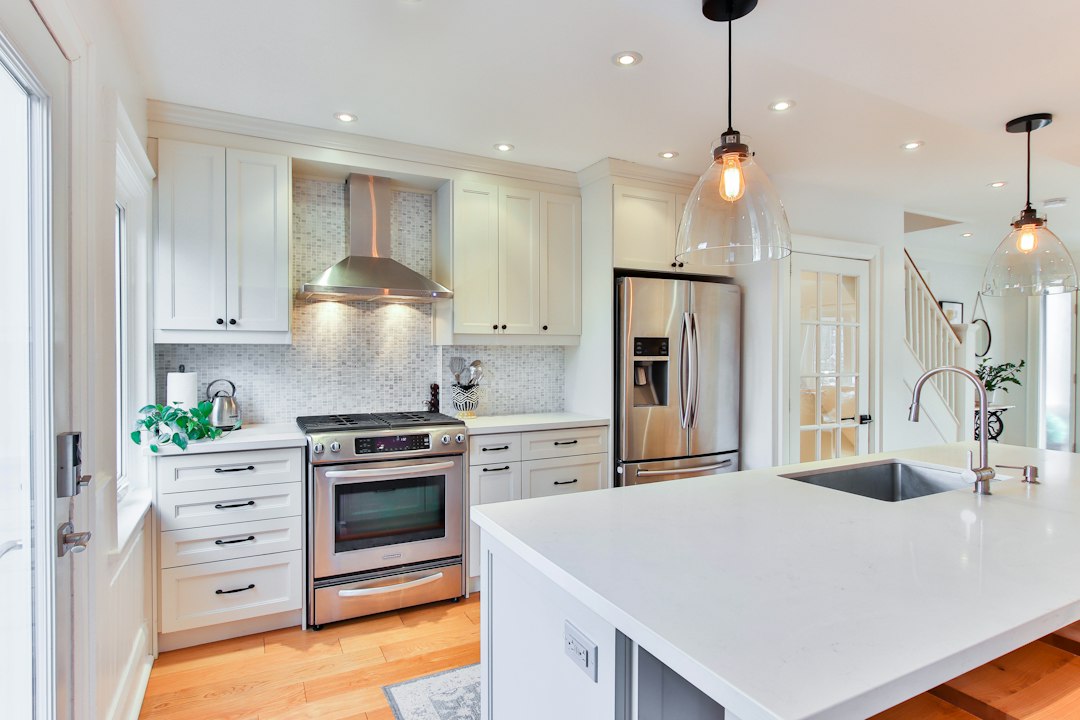
Start with maintenance and accurate information. Review roof history, HVAC service, drainage, moisture, plumbing, electrical work and the condition of any specialty equipment. Address known issues with qualified help where appropriate. Collect receipts, permits, warranties and available inspection or service records. A buyer can evaluate a house more confidently when a seller has organized answers, even though documents do not replace the buyer’s own inspection.
Next, remove avoidable friction. Clean thoroughly, handle small repairs, make lights work and make entrances and outdoor areas easy to access. Arrange furniture so the relationship among living, dining and work spaces is clear. A flexible room should be shown as a useful room without exaggerating its approved use or bedroom count. If the house is occupied, plan a realistic showing routine before launch so presentation stays consistent.
Only then consider larger cosmetic spending. Obtain estimates and compare them with a likely as-is pricing choice. Replacing an entire kitchen may delay the sale and fail to recover cost. A focused paint or flooring project can sometimes be more sensible when it solves a visible objection. The decision depends on this home’s condition, the competing alternatives and your cash and moving deadline. The seller resource provides the broader framework.
Document features that are easy to misunderstand
Buyers may ask about outdoor space, fencing, drainage, pools, garages, finished rooms and HOA arrangements. Prepare a fact sheet with the source for each claim. Identify whether an outdoor structure has permits or warranties when relevant, and what equipment conveys. A backyard photo can make an area look larger or flatter than it feels on site, so show useful angles and avoid implying property lines without a verified survey.
For schools or services, provide the appropriate verification source rather than making guarantees. Assignment, eligibility and service can be address-specific and may change. Likewise, describe access to roads and nearby destinations objectively while encouraging the buyer to test the route. Advertising should talk about the property and location facts, not the kind of person you imagine living there.
Work through Tennessee’s seller disclosure framework and any applicable exemption with the brokerage and advisers. A disclosure is a report of what is known under the relevant form, not a marketing document. If a past repair or drainage issue could be significant, gather the records and address it accurately. Trying to polish away an issue can create a worse contract problem later.
Make photography explain the layout and setting
The opening images should show the house, main living rooms, kitchen and the connections that distinguish it. If a porch, outdoor entertaining area or useful yard is a strength, photograph its relationship to the indoor space. Include the garage and meaningful storage when they answer common questions. A floor plan can help a buyer see flow and room separation before requesting a showing.
Use accurate photo editing and current images. Do not digitally add a pool or remove a permanent feature. If furnishings or seasonal conditions differ from the showing, explain what the buyer will actually receive. Professional imagery is valuable when it reveals real function, not when it makes the property unrecognizable.
Write public remarks with verified features and restrained location context. A description can say the home has a main-level office, two-car garage or covered patio if those facts are supported. It should not claim a fixed travel time, universal desirability or a guaranteed future use. Link a buyer toward the Williamson County guide when broader context is useful, but keep the listing itself about this property.
Account for nearby new construction fairly
If a buyer is comparing your resale with a new house, ask what the specific builder home costs delivered: lot, selections, completion, HOA and financing conditions. A model home and a base advertisement can differ from the available finished product. Likewise, your house may have a mature yard, window treatments, established outdoor improvements or immediate possession. Confirm what conveys and its condition before highlighting it.
A rate buydown, closing-cost contribution and upgrade credit do different jobs. The Consumer Financial Protection Bureau’s Loan Estimate comparison explains the financing information a buyer should compare. Do not react to a builder headline by automatically offering the same nominal dollar amount. Ask whether a seller-funded credit is permitted and useful under the buyer’s loan, and calculate its effect on net and appraisal exposure.
The Spring Hill seller guide explores new-construction competition in another local market. The lesson transfers as a method, not as a price. Your Nolensville home needs its own evidence, launch presentation and concession plan.
Set showings up for useful feedback
Choose access that balances the seller’s life with a serious buyer’s ability to tour. If pets, work or security require notice, set those expectations in the showing instructions and communicate them consistently. Provide available documents through approved channels. Do not make the buyer infer which portion of the home is included or whether a detached feature can be entered.
Track inquiries, appointments, second looks, specific objections and offers alongside changing competition. A high view count alone cannot confirm that buyers accept the price. Ask whether they rejected the layout, condition, lot, dues, route or payment. Repeated comments should be checked against what buyers can buy elsewhere today.
Agree before launch on a review interval and a response. If the pictures are weak, improve them. If an access problem blocks tours, solve that. If a documented condition question is keeping buyers away, provide information or price for it. If the home is well presented and still loses to comparable alternatives, reconsider the asking position. A change should address a diagnosed reason rather than merely signal impatience.
Compare contracts by the result they can deliver
Prepare a seller-net estimate using the actual payoff, compensation arrangements, expected closing charges and any requested concessions. Review financing, appraisal, inspection rights, earnest money, contingencies, deadlines and possession. A higher price with substantial credits or an unresolved home-sale contingency may not be better than a lower but firmer offer. The exact contract language governs the options.
Discuss inspection requests against qualified findings. A credit, repair agreement, price adjustment or rejection can have different effects on financing and timing. Ask the lender or closing team to confirm how a proposed structure works. Do not promise to complete work without knowing the scope, contractor availability and documentation required before closing.
If you are buying a replacement home, coordinate the two calendars. Are sale proceeds necessary for the next down payment? Can you tolerate overlapping payments? Would a possession period help, and what responsibilities come with it? Resolve these questions before an offer arrives. The goal is a strong Nolensville sale that supports your next housing decision, not simply the highest number on page one.
Put the seller’s next move in the plan
The sale calendar is only half the story if you intend to buy again. Ask the lender when proceeds must be available, whether you can qualify before closing and how much overlap you can carry. Discuss a realistic possession date and whether a temporary arrangement would create unnecessary risk or cost. A strong offer with an inconvenient closing date may still work if you plan early; a superficially perfect date can fall apart when inspections, appraisal or funding take longer than expected. Keep the moving plan flexible enough to absorb a change without giving away your negotiating position. The sell-and-buy coordination guide sets out the linked decisions.
Frequently Asked Questions
Should I replace finishes before listing in Nolensville?
Start with condition and current competition. Obtain estimates for a specific project and compare an as-is price strategy with the likely result after the work. Some updates improve presentation, but no renovation guarantees full cost recovery.
How do I compete with a builder’s financing offer?
Compare the written terms for a specific home and loan. A temporary buydown, permanent rate, closing credit and upgrade allowance are not equivalent. Your lender can price a useful resale concession while you calculate its effect on net.
Will a larger lot always justify a premium?
No. Usable space, topography, restrictions, privacy, maintenance and comparable sales all matter. Document what the lot actually permits and offers rather than valuing it from size alone.
Can I advertise a room as a bedroom if we use it that way?
Verify the applicable listing and property records before labeling it. A room can be marketed for its real flexible function without overstating a bedroom count or implying approval that has not been confirmed.
When should we adjust the asking price?
Review the agreed launch period, serious showings, objections, fresh competition and your timing. Correct presentation or access problems where they exist. If the supported price position is the issue, revisit it with current evidence rather than a fixed calendar rule.
About Harley Pope
Harley Pope is a lifelong Middle Tennessee local and a Realtor with Pope Real Estate Group at The Baker Brokerage. He serves Nolensville, Williamson County, Nashville, Dickson County, Maury County and surrounding markets. His seller work joins comparable evidence, accurate property presentation, practical preparation and contract evaluation, with attention to what the owner needs the sale to accomplish next.
Harley and Victoria Pope can help you map a Nolensville sale from condition review through pricing, launch and negotiation. Contact Pope Real Estate Group with your address, timing and the features you believe distinguish the house.