20 Questions About Dickson, TN Home Values, CMAs and Online Estimates
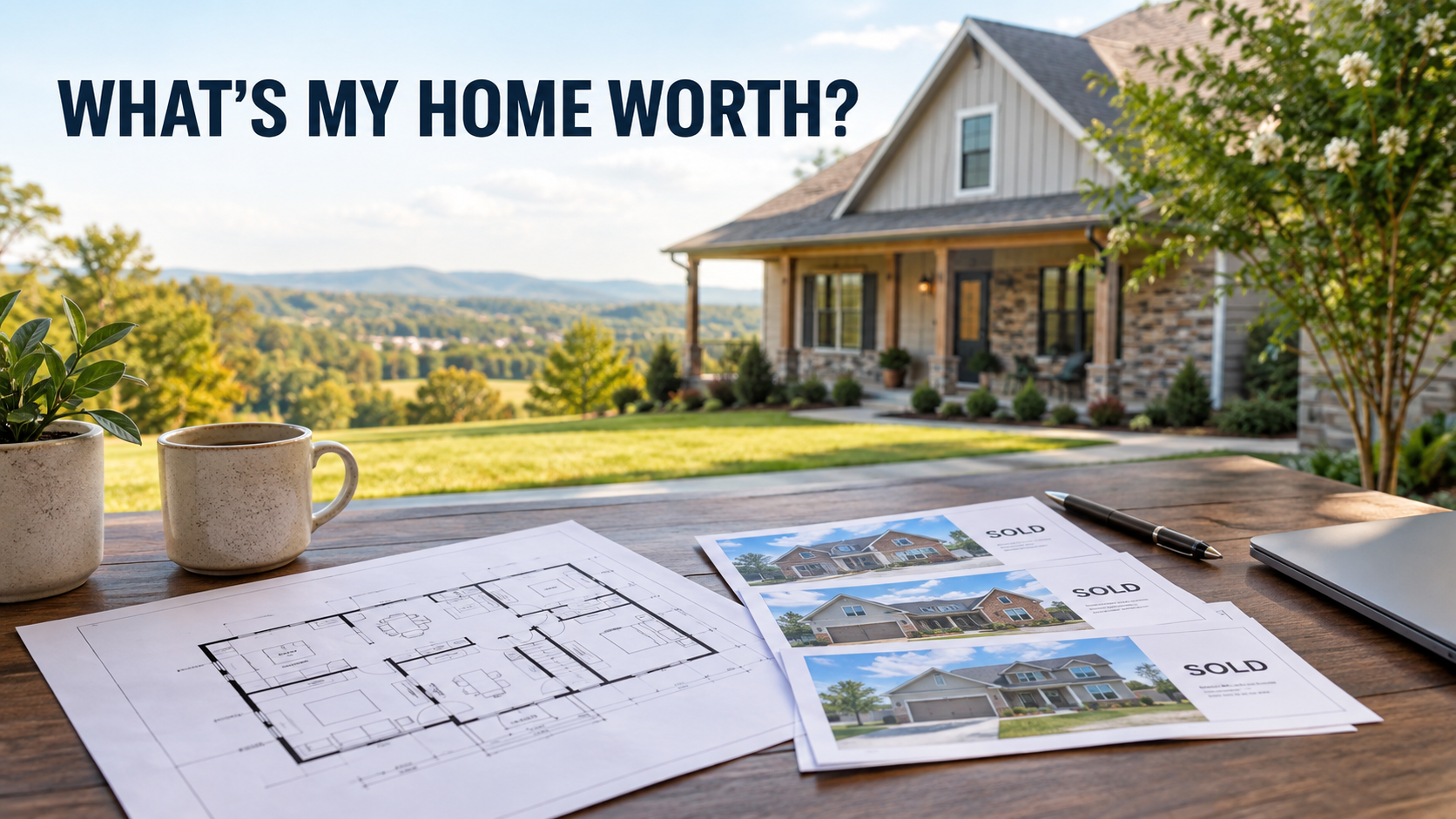
Dickson, TN home values are best understood as ranges supported by recent comparable sales, current competition and the specific condition of your property. An online estimate may be useful as a rough signal, but it cannot see every renovation, floor-plan compromise, septic record or location difference. These 20 questions explain what a comparative market analysis can and cannot tell you before you choose a listing price, refinance or decide whether a move makes sense.
Last updated: September 23, 2026. This guide covers homes in the City of Dickson and properties with Dickson mailing addresses elsewhere in Dickson County. It does not assign a value to an individual property.
Local perspective: Harley Pope is a Middle Tennessee Realtor with Pope Real Estate Group at The Baker Brokerage. He considers the sales data alongside a home’s condition, competing choices and the seller’s actual goals.
Dickson, TN Home Values: What the Numbers Mean
1. What is my Dickson home worth today?
Without the address, condition and a current sales search, no responsible agent can name a defensible price. A buyer compares your home with available alternatives and recently closed properties. Look for similar location, size, layout, age, lot and condition, then note what each sold for and any concessions. A city-limits home and a rural home sharing the same ZIP code may attract different buyers. The analysis should give you a plausible range, the strongest evidence and a strategy for listing within that range. The first conversation can start with the Dickson area guide, but parcel-specific research is essential.
2. Is market value the same as list price?
No. Market value is an estimate of what a well-informed buyer and seller might agree to under ordinary conditions; list price is a marketing and negotiation decision. A seller can ask above a supported value, but the extra exposure time and buyer comparison are real costs. A seller may also list at or just below a supported range to draw attention, with no guarantee of multiple offers. The right strategy depends on competing inventory, the home’s appeal, your timeline and risk tolerance. A list price should be justified as a plan, not treated as proof of value.
3. Is my tax appraisal my selling price?
Usually not. The Dickson County Assessor of Property values taxable property for assessment purposes, while a sale depends on the current market and your home’s exact condition. Tennessee’s reappraisal process operates on its own dates and methods; a recorded value can lag a recent renovation or a market change. According to the Tennessee Comptroller, residential property tax calculations apply an assessment ratio to appraised value and then a tax rate. Neither the assessed amount nor the tax bill is a ready-made list price.
4. What is a CMA?
A comparative market analysis is an agent’s study of relevant property sales and competition to help a client make a pricing decision. It should identify how the selected properties compare with yours and why some deserve more weight than others. Ask to see the actual sales, dates, concessions and condition notes, along with currently active and under-contract alternatives. A CMA is not a licensed appraisal or a guaranteed sale price. It is most useful as a transparent working argument that can be updated when new evidence arrives.
5. How is an appraisal different?
A lender appraisal is a formal opinion prepared by a qualified appraiser for a particular assignment, often after a purchase contract has been signed. A CMA is an agent’s tool for pricing and negotiation. The appraiser may choose different comparable sales or make different adjustments, so a contract price does not guarantee an appraisal at that figure. If a lender or court requires an appraisal, a CMA may not satisfy that requirement. For listing, I want both a credible asking strategy and an honest view of what a financed buyer might be able to support.
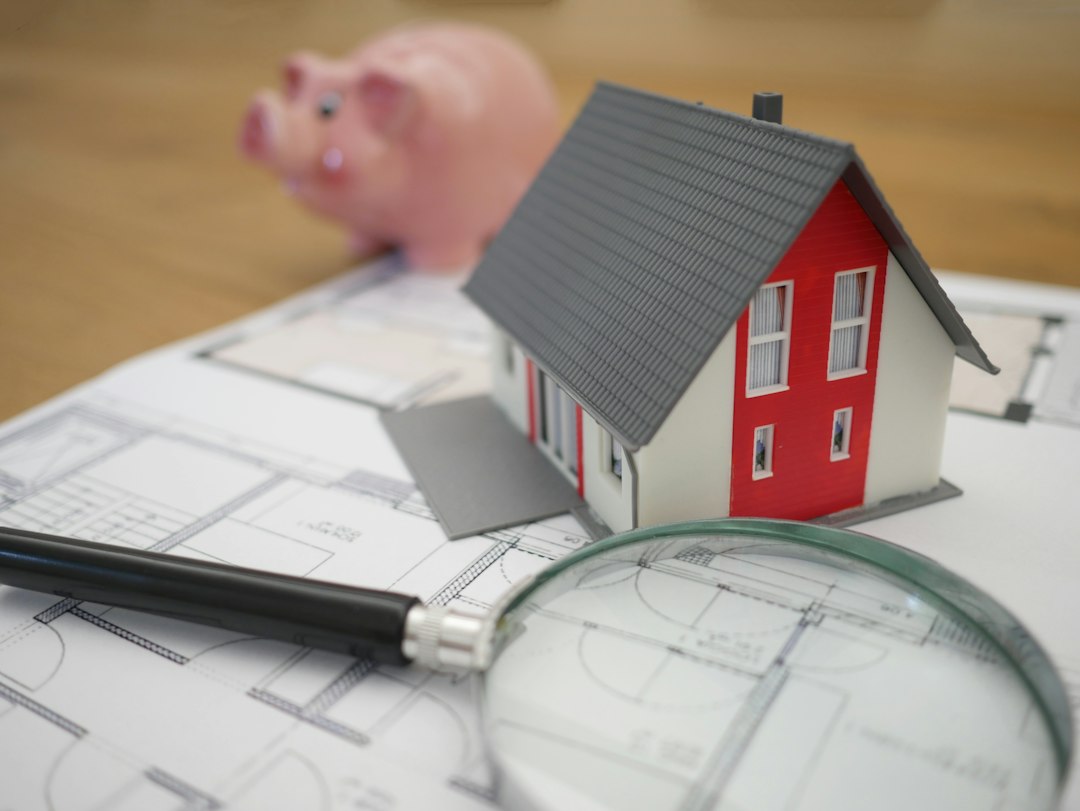
Photo: Tierra Mallorca / Unsplash.
Choosing Comparable Properties
6. Which sales should count most?
Favor recent closed sales that a buyer would reasonably have considered instead of your home. A nearby house is not necessarily comparable if it is much newer, far larger, on a different kind of lot or in markedly different condition. Review contract date when possible, because a sale closing today may have been negotiated weeks earlier. If the subject is unusual, expand one variable at a time and state the tradeoff rather than hiding weak matches. Use active listings to see present alternatives, but remember an asking price is a seller’s proposal, not a completed sale.
7. What if there are almost no homes like mine?
Expect a wider range and more explanation. Start with the closest property type and location, then consider similar square footage with one bedroom more or less, a longer time window, or a nearby market that buyers might cross-shop. If your house is around 2,000 square feet, a 1,750-to-2,250-square-foot band can be a sensible first expansion before widening further. Do not average wildly different properties to create an illusion of certainty. In a thin segment, buyer response after launch becomes especially informative, though one showing or one comment does not settle the value.
Why price per square foot is only a check
No. Price per square foot is a check on the analysis, not a substitute for it. The calculation is sensitive to which area is counted, the home’s size, condition and amenities. A smaller renovated house may carry a higher price per square foot than a larger dated one; a finished basement may be measured differently from main-level living space. Verify the reported area before multiplying any neighborhood average by yours. Use the metric to ask why a property sits above or below the group, then return to whole-home comparisons.
8. How should acreage affect value?
Acreage can change appeal substantially, but every extra acre does not add the same amount. A usable level area with access, utilities and a suitable homesite differs from steep, wooded or restricted land. Confirm boundaries, easements, frontage, flood exposure, soil or septic documentation and any subdivision limitations before advertising development potential. Compare rural properties with rural alternatives, not only subdivision houses with similar interiors. The Dickson County area guide helps explain the range of settings, while each parcel’s documents supply the facts.
9. What about a detached garage or finished space?
Do not automatically price every square foot the same. Buyers may value a workshop, detached garage or upstairs room, but use matters: permitted living area, heating and cooling, bathroom, access and insurance can affect whether the space functions as expected. Confirm permits and describe exactly what exists. A structure that is attractive in photos may still raise questions during appraisal or inspection. Search for sales with comparable utility and show the adjustment as an estimate, not an exact formula. A buyer who specifically needs a shop may value it more than a buyer who needs another bedroom inside the main home.
10. Do upgrades return what I spent?
Not automatically. Cost and market value are different. A new roof may remove a buyer’s objection rather than add its full invoice to the sale price. A kitchen renovation can improve appeal, but design choices and price point matter. Keep receipts and dates so buyers can understand the work, then compare upgraded and ordinary homes in the relevant segment. If you are deciding whether to renovate before selling, obtain real estimates and ask whether the work would broaden the buyer pool enough to justify cost, disruption and delay. Repairing a known defect and making a home more competitive are different objectives.
Understanding Online Estimates
Why automated estimates disagree
Automated models use different datasets, update schedules and assumptions. Public records may describe the house incompletely, and a model may not know about a finished room, a major defect, an unusual view or the quality of nearby sales. Estimates can also move after a listing is posted, which does not mean the home’s underlying condition changed overnight. Check whether the beds, baths, square footage and parcel details are correct. Treat the output as one signal worth investigating, not a vote between websites. If the estimates vary widely, that is a reason to inspect the evidence more carefully.
Correcting public home facts
Correcting inaccurate facts can improve the model’s input, but it does not promise a specific estimate or buyer offer. Keep changes factual and supported by records, especially for finished area, bedrooms and permitted improvements. Do not inflate square footage to chase a number. Buyers, appraisers and lenders may use different data sources and verify features in person. The most useful task is to build a reliable property fact sheet for marketing and negotiations. A clean record also helps an agent compare your house with the right sales.
11. Should I show buyers my online estimate?
You can, but a credible pricing conversation rests on properties they can inspect and sales they can verify. A buyer might find an estimate above your asking price or one far below it. Neither settles the negotiation. Provide the property facts, meaningful updates and, when appropriate, comparable sales that support your position. If a buyer’s lender appraises the home, the appraiser conducts an independent analysis. An automated estimate is best treated as a starting question: what did the model see, and what did it miss?

Photo: Dimitri Karastelev / Unsplash.
Turning Value Into a Sale Plan
12. How do active listings influence my price?
They represent the alternatives shoppers can choose now. A buyer may tour your house alongside properties in Burns, White Bluff or other relevant locations if the commute and property type overlap. Note condition, photos, lot and days on market, then ask which house you would choose at each asking price. Active prices have not been accepted by buyers, so they should not override stronger closed-sale evidence. They do, however, reveal whether your proposed list price places the home in a difficult competitive set.
13. What can under-contract homes tell us?
They show that a buyer chose those properties, but the final contract price and concessions are generally not public until closing. The asking price and time to contract offer useful clues, not proof of the final sale figure. Track which direct competitors leave the market between weekly reviews, and watch whether new listings replace them. A home going under contract quickly may have been priced competitively, have a special feature or accept terms you cannot see. Use the signal carefully and update the analysis when the closing data becomes available.
Search thresholds and asking price
Search filters can make price thresholds relevant, but the exact number should follow the market evidence. Ask which buyer searches would include the home at each proposed price and what competing houses occupy those bands. Pricing just below a threshold may improve visibility in some searches, yet it will not fix a significant mismatch with condition or location. Compare a few plausible options and decide what each is intended to accomplish: maximum initial exposure, a measured test of an upper range, or a time-sensitive sale.
14. What if I need a certain net amount?
Your needed proceeds are important for planning, but they do not by themselves set market value. Calculate likely payoff, transaction costs, concessions and moving costs to see which sale prices would meet the goal. Then compare that required price with the supported range. If there is a gap, the useful choices might be delaying, changing preparation, adjusting the next purchase or accepting a different outcome. Avoid listing at a number unsupported by alternatives simply because it balances a personal spreadsheet. Our Dickson seller questions guide covers the offer and closing terms that affect net.
Updating the valuation evidence
Update it before a decision and when the relevant evidence changes. A report made months before listing may miss closed sales, new construction, competing price reductions or a change in your home’s condition. During a listing, review direct competition, showings and offers weekly. If a comparable closes, incorporate its final price and concessions if known. Do not change price on every small fluctuation. Set a review cadence and criteria so you can distinguish a normal quiet week from a persistent positioning problem.
15. Can a CMA guarantee my sale price?
No. It is an evidence-based estimate made at a point in time. Buyer preferences, financing, inspection findings, appraisal, competing listings and your terms can shift the outcome. A responsible CMA should say where confidence is high and where it is thin. Ask what would make the recommendation change and what the plan is if buyers respond differently than expected. Honest uncertainty is more useful than a confident number chosen to win the listing appointment.
Frequently Asked Questions
Does a Dickson address always mean the property is inside city limits?
No. A mailing address can cover property outside the incorporated city. Check the parcel’s jurisdiction before comparing taxes, utilities or nearby sales. A buyer may treat two properties with the same mailing city differently because of their exact locations.
Should I pay for a private appraisal before listing?
It can help for an unusual property or a separate legal or financial need, but it is not automatically necessary for a typical listing. An appraisal has a defined purpose and effective date. Discuss the question you need answered and whether a detailed CMA or licensed appraisal is appropriate.
Why did my neighbor’s house sell for more?
Check whether the homes truly matched in condition, area, lot, updates and concessions. The closing date, financing and marketing may also differ. A neighbor’s price is valuable evidence only after those differences are understood, not a number to copy automatically.
Can I use a pending sale as a comparable?
You can use it as a signal of buyer interest, but the accepted price may be unknown and the transaction may not close on its current terms. Give stronger weight to closed sales, then revisit the pending property when its closing details are available.
How do I request a property-specific value review?
Share the address, recent improvements, known defects, timing and whether you need a list-price plan or a more formal appraisal. An agent can review current sales and competition and explain the range. If a lender, estate or court requires an appraisal, ask that professional what report format is needed.
About Harley Pope
Harley Pope is a Middle Tennessee Realtor with Pope Real Estate Group at The Baker Brokerage. He serves Dickson County, Nashville and nearby communities and helps sellers see how their property compares with actual alternatives. A useful valuation conversation includes recent closings, current competitors, the home’s distinctive features and the seller’s next move. Harley and Victoria Pope can help turn that evidence into a practical listing plan.
Want a fresh opinion on your Dickson home? Contact Harley and Victoria Pope or call or text Harley at 931-629-4836. Pope Real Estate Group at The Baker Brokerage, 615-878-0362.