Thompson’s Station Neighborhoods: Comparing New Communities, Acreage and Luxury Homes
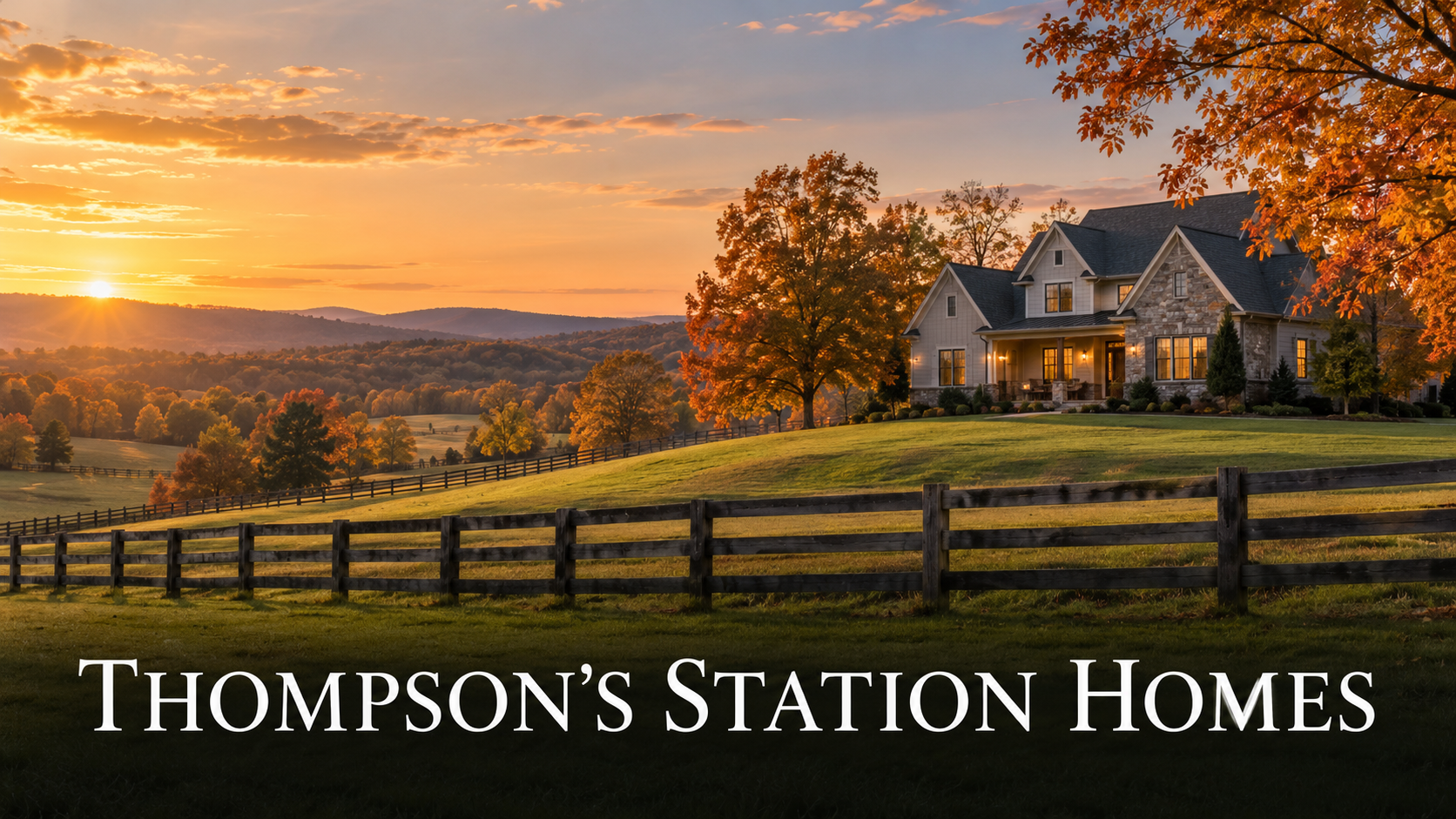
Thompson’s Station neighborhoods are best compared through the ownership choices behind the address: a planned community, a newer home in a developing phase, an established property, or acreage with more individual responsibility. Match the home to the daily route, usable land, maintenance plan, and complete budget. A luxury label or subdivision name does not settle those decisions.
Last updated: October 20, 2026
I’m Harley Pope, a lifelong Middle Tennessee local and Realtor with Pope Group at The Baker Brokerage. This guide helps buyers compare Thompson’s Station housing patterns and investigate individual communities. It avoids neighborhood rankings and treats amenities, boundaries, and future projects as items to verify.
Thompson’s Station neighborhoods: distinguish the map from the mailing address
Start by locating the exact property. The Thompson’s Station community guide gives regional orientation, while the town’s mapping and GIS resource provides zoning and subdivision research tools.
Confirm municipal boundaries, the parcel, and the offices responsible for questions that matter to the purchase. A postal name is useful for finding a property, but it does not independently establish every service, restriction, or jurisdiction.
Then map the destinations you expect to use. A Franklin workplace, a Spring Hill errand pattern, and recurring Nashville travel create different location tests. The neighborhood name matters less than how the particular home connects to those trips.
Write the reason the address qualifies before touring. That small step keeps the search centered on your priorities when an attractive model home, large porch, or landscaped entrance makes a strong impression.
Compare planned communities, established homes, and acreage separately
A planned community provides a specific combination of private property and shared rules or facilities. Determine what is included, what is operating, and what the documents require. The exact address and phase matter.
An established home lets you inspect the surroundings that exist today. You can evaluate trees, neighboring buildings, street connections, and the actual condition of the house. The tradeoff may involve systems work or updates that differ from one property to another.
Acreage creates another ownership product. More land can support outdoor goals, but it requires investigation of boundaries, access, restrictions, utilities, terrain, and upkeep. A rural appearance does not establish unrestricted use.
Our Thompson’s Station buying guide helps organize the transaction questions. Use one comparison sheet across all three patterns so that private land, shared amenities, and maintenance are evaluated consistently.
Use community names as research starting points
Tollgate Village, Fields of Canterbury, and Bridgemore Village appear in the town’s transportation planning materials. They are useful names for organizing a search, but buyers still need current address-specific information before assigning value to a feature.
For a Tollgate Village candidate, investigate the exact housing type, street, parking arrangement, and association documents. Do not assume a listing near a commercial or common area has the same ownership responsibilities as another property elsewhere in the community.
For a Fields of Canterbury candidate, verify the phase, home specifications, surroundings, and access to any facility being promoted. Compare the lot’s usefulness and the finished home rather than treating the community name as a complete description.
For a Bridgemore Village candidate, apply the same discipline to layout, lot shape, outdoor use, upkeep, and rules. Ask what creates the property’s value for your needs. A larger home deserves a detailed functional review, not automatic preference.
These are examples to investigate, not an exhaustive directory or a claim about current inventory. Use the town’s subdivision map, current property records, listing documents, and association information to confirm the particular home.
Luxury should mean features you will use
Define the feature behind the word luxury. It might be a main-level living arrangement, enclosed office, guest suite, covered outdoor space, garage capacity, finish quality, or a workable relationship between the house and land.
Tour with measurements and practical questions. Can furniture fit without blocking the daily path? Is the office separated enough for calls? Is storage near the rooms where belongings are used? Do the extra rooms solve a need or simply increase the scale of ownership?
Look closely at the systems that support the home. Heating and cooling zones, roof complexity, exterior materials, drainage, and specialty features can affect maintenance. Have appropriate professionals evaluate condition and expected work.
A high purchase price does not remove the need for ordinary due diligence. It makes clarity about function, condition, and ongoing obligations more important. Choose the property because its advantages justify its costs for your goals.
New construction must be compared at the finished price
Ask for a written specification and complete price for the exact lot. Identify structural choices, elevation, finishes, appliances, site work, landscaping, and any model-home feature that is not included.
Separate the contract home from future community promises. A planned amenity or nearby development may be interesting, but an essential need should be met by something you can verify. Ask which features are finished and available to this address.
Review incentives through actual financing terms and written conditions. Compare cash required, the completed product, and ongoing cost. A promotional payment can be useful information without becoming the sole reason for the purchase.
Build a timing alternative. If completion shifts, decide where you would live, where belongings would go, and how the change interacts with a current home sale. An estimated closing month should not carry more certainty than the contract and construction status support.
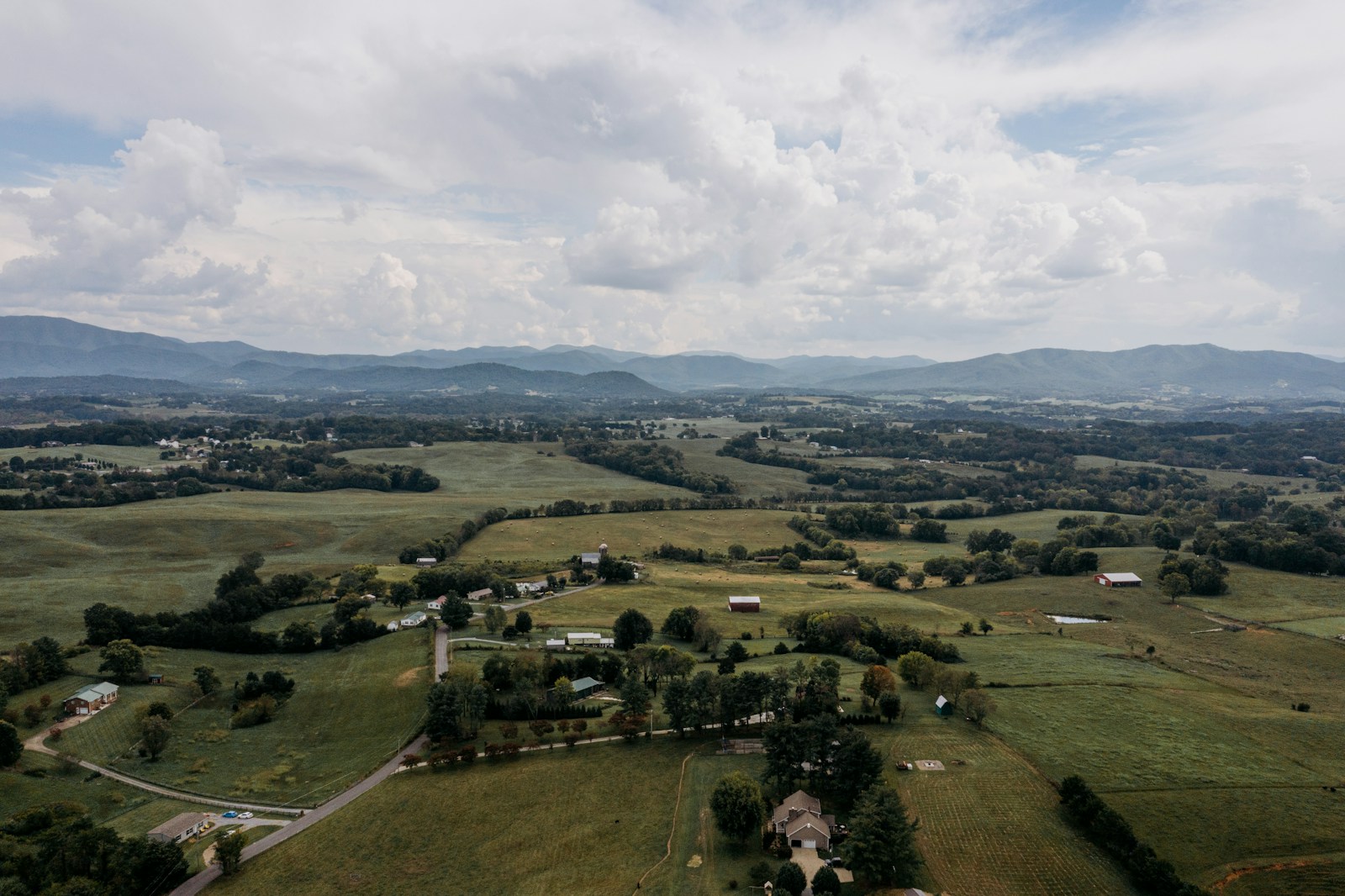
Lot acreage and lot function are different measurements
Identify the outdoor activity you want before comparing lot totals. A garden, pool, workshop, animal use, or equipment storage creates a different investigation from wanting a wooded view.
Walk the usable area and examine slope, drainage, access, easements, and trees. Consider the connection from the kitchen, garage, and everyday living spaces. A large parcel with a difficult approach can be less useful for some activities than a smaller, well-arranged lot.
Confirm boundaries through appropriate records and survey work. Do not assume a fence line, maintained area, or adjoining field belongs to the property. Also ask about the rights and limitations affecting nearby open land.
Investigate any future project before making it central to the purchase. Permits, recorded restrictions, utility arrangements, soils, and construction access can affect feasibility. A house should not be chosen around a workshop or addition that remains only an untested idea.
Services deserve their own property worksheet
Verify water, wastewater, electric service, internet, and road responsibility at the exact address. The town’s local utilities resource is a useful starting point, followed by direct provider confirmation.
Ask what infrastructure is present and what the owner maintains. Where an individual septic system applies, review the relevant records, condition, and intended use with qualified professionals. Where shared systems apply, understand the associated charges and obligations.
For remote work, confirm available plans and installation timing. A neighboring property receiving service does not guarantee the same arrangement at the house you are buying. Test work-space privacy and equipment placement alongside connectivity.
Acreage can also bring outbuilding, driveway, fencing, and tree responsibilities. Price the likely work and decide how it will be handled. The larger property should remain manageable after moving day.
Association documents explain the actual bargain
Request the current documents and financial information relevant to the property. Review dues, maintenance boundaries, assessments where applicable, architectural review, parking, exterior changes, and rental restrictions when those uses matter.
Identify which amenities are included for the exact address. Common green space, a public park, a private trail, and land you own are different arrangements. Each can be valuable, but none should be confused with another.
Ask about a proposed fence, pool, exterior change, or additional structure before assuming approval. A feature that seems minor to one buyer may be central to another buyer’s decision.
An association can reduce some individual tasks while adding shared obligations. A property outside an association may offer a different level of control while requiring more direct management. Choose the arrangement that matches your plans and tolerance for responsibility.
Test the roads before choosing the southern location
Evaluate the full route to Franklin, Spring Hill, Nashville, or your actual workplace. Include the subdivision exit, local intersections, and return journey. A regional map distance cannot capture all of those steps.
Use the town’s Major Thoroughfare Plan resource to understand planning context. Distinguish existing roads from planned improvements, and ask for current project information when it could affect a finalist.
For highway conditions, consult TDOT SmartWay and test the route at the hours you expect to travel. A smooth weekend drive is useful experience, but it should not be the only evidence behind a recurring commute.
If your schedule is flexible, test the journeys you will actually make anyway. Airport visits, appointments, and errands still count. A remote-work arrangement changes the map without making all addresses equally convenient.
Public parks should be evaluated through actual access
The town provides official information for Preservation Park. Use the current resource to plan a visit and investigate access rather than relying only on a park symbol near a listing.
Walk or drive the route from the home. Check where you would enter, how you would return, and whether the trip fits the time you normally have available. Nearby recreational land is most useful when access works in practice.
Check current notices before assuming a greenway connection is continuously available. Temporary closures or construction can change a route. Keep short-lived access information separate from long-term property value assumptions.
If outdoor recreation is a major reason for choosing the town, compare a manageable private yard near a public destination with a larger private parcel. They support different routines and require different maintenance budgets.
Compare neighboring locations without losing the brief
Franklin and Spring Hill are useful nearby comparisons when their locations or housing types address the same needs. Keep the budget, essential layout, and outdoor goals consistent enough to learn from the differences.
Use the Spring Hill neighborhoods guide to investigate county and housing questions. The Franklin neighborhoods guide helps compare established areas and planned-community ownership.
For buyers looking more broadly, Brentwood may provide a separate home-and-lot comparison. The Williamson County guide offers regional context without deciding which address fits your week.
Do not expand the search simply to see more places. Add an alternative because it tests a meaningful tradeoff, such as less maintenance, a different work route, or a more useful lot.
Finish with The Tuesday Test and a complete budget
For each finalist, estimate financing, verified taxes, insurance, association charges, utilities, upkeep, and immediate work. Include the costs of the move and any gap between the current sale and possession.
Then rehearse an ordinary day. Make the trip to the main destination, complete an errand, return home, and imagine using the office, garage, yard, and evening spaces. Great homes make ordinary days better when the features you bought remain practical.
Record the strongest reason to choose the home, the largest compromise, and the question that could still change your mind. Those notes make the offer conversation more precise than a general preference for one subdivision.
Sellers can consult the Thompson’s Station selling guide for the other side of the comparison. Clear positioning makes a property’s useful features and ownership obligations easier for buyers to evaluate.
Frequently Asked Questions
Does a Thompson’s Station address guarantee a particular service arrangement?
No. Verify the parcel, boundaries, providers, and maintenance responsibilities directly. Mailing labels do not answer every question about utilities, roads, jurisdiction, or property restrictions.
Can I compare Tollgate, Canterbury, and Bridgemore through community names alone?
No. Compare specific homes and current documents. Phase, street, housing type, lot usefulness, association responsibilities, and condition can change the ownership experience within a named community.
Is acreage a substitute for neighborhood amenities?
It is a different ownership choice. Private land provides particular uses and responsibilities, while shared amenities depend on access rights and community rules. Define what you want to do before comparing their value.
What should a luxury-home inspection emphasize?
Have qualified professionals assess the actual construction, systems, drainage, exterior features, and condition. Also examine whether the floor plan works for everyday use. Price and finish quality do not remove ordinary ownership risks.
How should a future road project affect my decision?
Use it to ask informed questions, then verify its current status. Distinguish a plan from an open improvement. Essential daily needs should work under conditions you can confirm before buying.
About Harley Pope
Harley Pope is a lifelong Middle Tennessee local and Realtor with Pope Group at The Baker Brokerage. He helps buyers, sellers, and relocating clients compare property condition, location, ownership responsibilities, and transaction timing across Dickson County, Maury County, Nashville, and surrounding Middle Tennessee counties. His approach centers on clear comparisons, honest tradeoffs, and a plan shaped around the client’s goals and everyday life.
Comparing Thompson’s Station homes? Talk with Harley and Victoria Pope at Pope Group at The Baker Brokerage about the community, property, and ownership questions that matter most to your move.