
Nashville-Area Communities to Consider When Moving From Orlando

An Orlando to Nashville move should be organized around the life you will live after arrival, including work hours, regular destinations, maintenance, and the full housing budget. Nashville, southern communities, and western options offer different tradeoffs. Compare actual addresses and home types before choosing a familiar-looking development or a larger house farther from the places you need.
Last updated: October 20, 2026
I’m Harley Pope, a lifelong Middle Tennessee local and Realtor with Pope Group at The Baker Brokerage. This guide helps Orlando-area buyers build a practical Middle Tennessee shortlist. It treats your current home and schedule as the comparison, rather than assuming everyone moving from Central Florida has the same priorities.
Orlando to Nashville: separate visiting from living
A successful visit can introduce a city without establishing where you should buy. Start by identifying the ordinary activities behind the move: work, errands, appointments, exercise, visitors, and time at home.
Describe the part of your Orlando routine you want to preserve and the part you want to improve. A more useful office, fewer exterior tasks, a different drive, or extra storage can each change the best housing comparison.
Use our Middle Tennessee relocation guide to organize those priorities. Put essential requirements in writing before planning tours. That keeps the trip focused when an attractive house or a busy sightseeing schedule competes for your attention.
Map the schedule you actually keep
If your work follows nontraditional hours, test the Tennessee journey at those hours. Do not evaluate a late return, weekend shift, or early departure through a standard weekday commute assumption.
Even with a conventional schedule, include the whole route. Neighborhood exits, local intersections, parking, and the final approach to the workplace can matter as much as the highway segment. Test both directions from actual finalist addresses.
The same applies to hybrid work. Fewer office days can make a longer journey acceptable, but it should be a deliberate tradeoff. Add appointments, airport use, and regular errands before concluding that distance no longer matters.
For current highway conditions, use TDOT SmartWay alongside direct route tests. A single smooth trip or congestion snapshot is information, not a guarantee about every week after the move.
Nashville deserves a comparison when access is the priority
Nashville should be on the initial list when work or frequent activities are concentrated in the city. Compare housing types and individual blocks before assuming the move requires a large suburban house.
An attached home or smaller detached property may provide useful access while changing the ownership arrangement. Evaluate stairs, parking, visitor space, outdoor use, storage, noise inside the building, and shared responsibilities.
If your Orlando routine uses LYNX or another transportation option, investigate the Tennessee replacement directly. The City of Orlando transit resource identifies local transportation services; Nashville’s WeGo resource starts the separate Tennessee review.
A nearby stop does not establish the entire journey. Check current schedules, transfers, the final walk, and the return at your expected hour. A home should support the actual trip rather than merely appearing near transportation on a map.
Franklin and Brentwood should solve a specific housing need
Franklin may enter the search through a workplace, established neighborhood, planned community, or a desire to reach particular downtown destinations. Those reasons can lead to different addresses and different ownership obligations.
The Franklin neighborhood guide helps compare those patterns. Examine the individual home’s condition, layout, usable yard, association documents, and actual route rather than treating the city as one housing product.
Brentwood can provide another comparison when its location or home-and-lot options address your requirements. Larger homes and lots deserve attention to systems, exterior work, drainage, and the maintenance plan.
For a household with changing schedules, consider who handles recurring tasks and when. More property can be enjoyable, but it should not quietly turn limited time at home into an upkeep obligation you did not want.

Nolensville and Thompson’s Station require a property-level comparison
Consider Nolensville when a particular housing pattern or route makes sense. Confirm the parcel and services, then examine how the exact home connects to work and everyday errands.
Thompson’s Station deserves its own test of location, ownership type, and land usefulness. Do not assume that communities along the southern part of the region are interchangeable because their homes appear similar online.
For a new development, identify which facilities and connections are operating. Ask which phase and documents apply to the address. A future amenity should not be treated as a current solution to an essential need.
Compare an established resale with the newer option under the same budget. Include finished price, first-year work, actual surroundings, financing conditions, and possession. The comparison should reveal what you are gaining and what you are taking responsibility for.
Spring Hill and Columbia can fit an intentional southward move
Spring Hill and Columbia are useful candidates when work, home requirements, or recurring connections justify the southern location. Extra space alone does not decide whether the distance fits.
Spring Hill spans Williamson and Maury counties. Verify the exact property and relevant services rather than using the city name as a complete answer. Compare the local-road journey to the routes you expect to use.
In Columbia, distinguish historic, established, and newer housing through condition and ownership responsibilities. A property convenient to local destinations can work very differently from one selected for repeated travel into Nashville.
Use the Maury County guide for broader context. Keep a close-to-destination alternative on the list so the additional home or land benefit can be weighed against the travel commitment.
Western options belong when the route or land requirement points there
Fairview and Dickson County can provide a different comparison when a western route, particular home type, or outdoor requirement supports that direction.
Define the intended land use before comparing acreage. A garden, workshop, private view, or equipment-storage need creates different questions. Walk the area you expect to use, including its connection to the house and driveway.
Confirm boundaries, access, restrictions, water, wastewater, road responsibility, and internet. Where individual systems apply, review appropriate records and condition. A rural-looking setting does not establish unrestricted use or a simple maintenance arrangement.
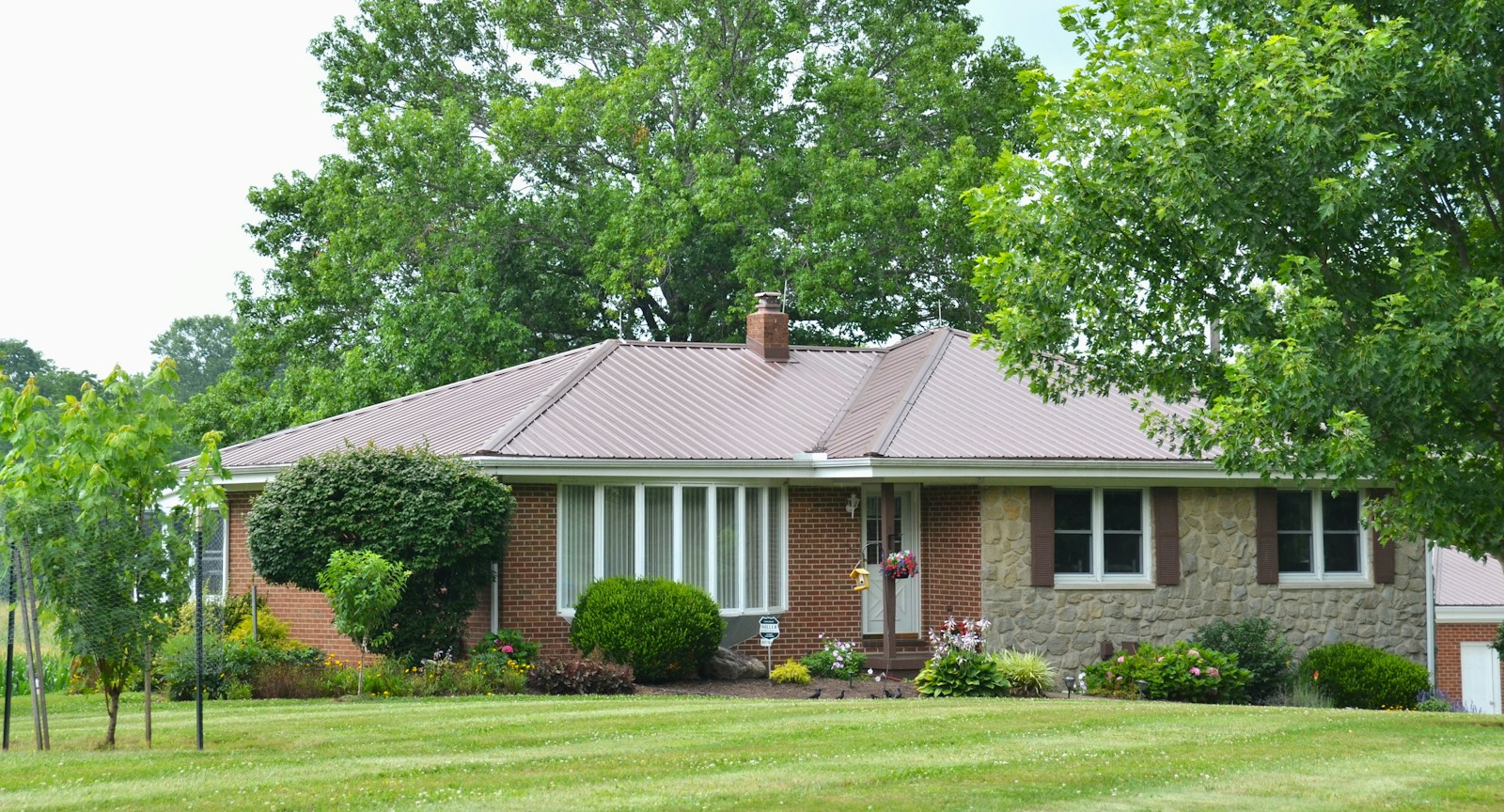
If your work keeps you away for long periods, consider the upkeep between visits home. Land, trees, fencing, and outbuildings can require attention independent of how often you use them. The right amount of space is the amount that fits your plans.
Compare the Orlando budget with an address-specific Tennessee budget
The Orlando and Nashville cost comparison helps identify expense categories. The Orlando home-budget guide provides a related property-planning framework.
Replace broad assumptions with current financing estimates, verified taxes, insurance quotes, association charges, utilities, maintenance, and essential repairs. Compare coverage and deductibles when reviewing insurance, not just the premium.
Build a separate transition budget for moving, storage, temporary housing, travel, and arrival purchases. Cash needed during the move can differ from the comfortable monthly budget you expect after settling in.
Ask qualified advisers about your own sale, employment, residence, and tax circumstances. General descriptions of Florida and Tennessee cannot establish a household-specific savings result. The useful number is the one built from your actual plan.
Choose a floor plan that supports your working hours
Walk the home in the order you will use it. Examine the route from parking to kitchen, laundry, office, bedrooms, and outdoor space. Notice where belongings would be stored and where daily tasks would occur.
If sleep or work takes place at unusual hours, evaluate light, sound within the property, doors, and separation between rooms. A bonus room beside the main living area may function differently from an enclosed office.
For remote work, verify internet availability, installation timing, and the practical equipment setup. A provider’s service at another house is not enough to confirm the exact address. Coordinate employment documentation with the lender when the work arrangement is changing.
More rooms can be useful, but evaluate the rooms you would actually use. A smaller home with a practical layout and manageable upkeep may support the transition better than unused space that increases furnishing, cleaning, heating, and cooling.
Seasonal changes belong in the ownership plan
Use National Weather Service Nashville climate records to review conditions beyond your visit. Winter freezing conditions and seasonal outdoor changes deserve preparation when moving from Central Florida.
Ask the inspector about roof runoff, grade, drainage, exterior materials, insulation, ventilation, and accessible foundation or crawlspace areas. Focus on the actual construction and current condition instead of assuming a familiar-looking house has familiar requirements.
Review the driveway, walkways, trees, and outdoor storage. Decide how seasonal tasks would fit your schedule and which services you would hire. Budgeting the work in advance makes the ownership comparison more realistic.
Outdoor space should remain useful across the year. A covered porch, practical storage, and a manageable yard can matter more than an impressive acreage number. Choose the setting you want to maintain after the excitement of moving has passed.
Keep the current sale and new-home timing connected
Write one timeline for the Orlando-area sale or lease, financing, Tennessee purchase, inspections, closing, possession, and delivery. Identify which steps depend on proceeds or dates that have not yet become certain.
Our selling-and-buying coordination guide helps frame the sequence. Temporary housing can create flexibility, but evaluate the full cost, storage, and second move before choosing it.
For a new home, distinguish estimated completion from possession. Ask how changes would affect rate arrangements, current housing, belongings, and work. The move should have a workable alternative if construction takes longer than expected.
Use the FMCSA moving resource when investigating interstate movers and written terms. Keep essential documents and work supplies available while belongings are traveling. Delivery and closing may not happen on the same day.
Plan a decision trip that includes The Tuesday Test
Choose two or three location patterns for the first focused visit. Compare properties close enough in budget and essential function that their differences teach you something useful.
Leave time between showings for routes and ordinary errands. For The Tuesday Test, use the travel hours and household schedule you actually expect, even if your Tuesday starts much earlier or later than a typical office day.
After each finalist, record the strongest improvement over your Orlando home, the largest new responsibility, and the question that could change your decision. A second focused visit can be more productive than adding several unrelated communities.
Finish with a shortlist that has clear reasons behind it. The next conversation should be about verified property questions and offer choices rather than simply deciding which subdivision photographs you liked most.
Frequently Asked Questions
Does an Orlando buyer need to start in a planned community?
No. Start with your preferred ownership responsibilities, layout, and route. Planned communities, established homes, attached properties, and acreage can each be considered when they meet the actual requirements.
How should nontraditional work hours affect the search?
Test travel at those hours and evaluate how the home’s layout supports work, sleep, and daily tasks. A standard rush-hour assumption may not describe your week, but the exact routes still need investigation.
Can I assume Tennessee transit replaces the service I use now?
No. Compare current routes, schedules, transfers, and the final connection for your actual trip. Nearby service is useful only when the whole journey works at the time you need it.
Is a newer home simpler for a long-distance move?
It can be, but verify the finished specifications, current surroundings, remaining work, and possession plan. Construction timing or unfinished arrival items can create a different kind of complexity from resale.
What should a first Tennessee visit accomplish?
Narrow the search to a few realistic property-and-location patterns and identify the questions that remain. Tour homes, test ordinary routes, review ownership obligations, and leave time to revisit the strongest finalist.
About Harley Pope
Harley Pope is a lifelong Middle Tennessee local and Realtor with Pope Group at The Baker Brokerage. He helps buyers, sellers, and relocating clients compare property condition, location, ownership responsibilities, and transaction timing across Dickson County, Maury County, Nashville, and surrounding Middle Tennessee counties. His approach centers on clear comparisons, honest tradeoffs, and a plan shaped around the client’s goals and everyday life.
Planning a move from Orlando? Talk with Harley and Victoria Pope with Pope Group at The Baker Brokerage about a Tennessee search built around your schedule, budget, and everyday home needs.