
Nashville-Area Communities to Consider When Moving From Phoenix

A Phoenix to Nashville move calls for a fresh look at housing, terrain, seasonal maintenance, and daily routes. Start with Nashville for city destinations, compare Franklin and Brentwood for a southern work corridor, and examine Spring Hill, Columbia, or western communities when a property advantage justifies the location. Evaluate actual homes and complete costs rather than expecting Tennessee to function like your current Phoenix-area neighborhood.
Last updated: October 12, 2026
I’m Harley Pope, a lifelong Middle Tennessee local and Realtor with Pope Group at The Baker Brokerage. This guide helps Phoenix-area buyers decide where to investigate in Middle Tennessee. It does not assign neighborhood rankings, predict savings, or substitute regional weather information for an inspection of a specific home.
Phoenix to Nashville: decide what you want to change
Describe the reason for moving in practical terms. You may want a different work location, more usable outdoor space, an established home, a smaller property, or a dedicated office. Those priorities should guide the map before attractive photographs widen the search.
Your present Phoenix-area address is a better reference than a stereotype about the entire metro. Someone leaving a condominium has different ownership questions from someone maintaining a detached home with a pool. Identify the responsibilities you want to keep, reduce, or add.
Write down three essentials and three flexible preferences. Examples include a realistic work route, dependable internet, a main-level bedroom, garage storage, covered outdoor space, and land for a specific purpose. Distinguish a necessary feature from a project that would be nice later.
Use the Middle Tennessee relocation guide as the organizing starting point. A narrow brief makes it easier to compare housing patterns without turning the first trip into a tour of every community advertised near Nashville.
Learn the terrain before comparing acreage
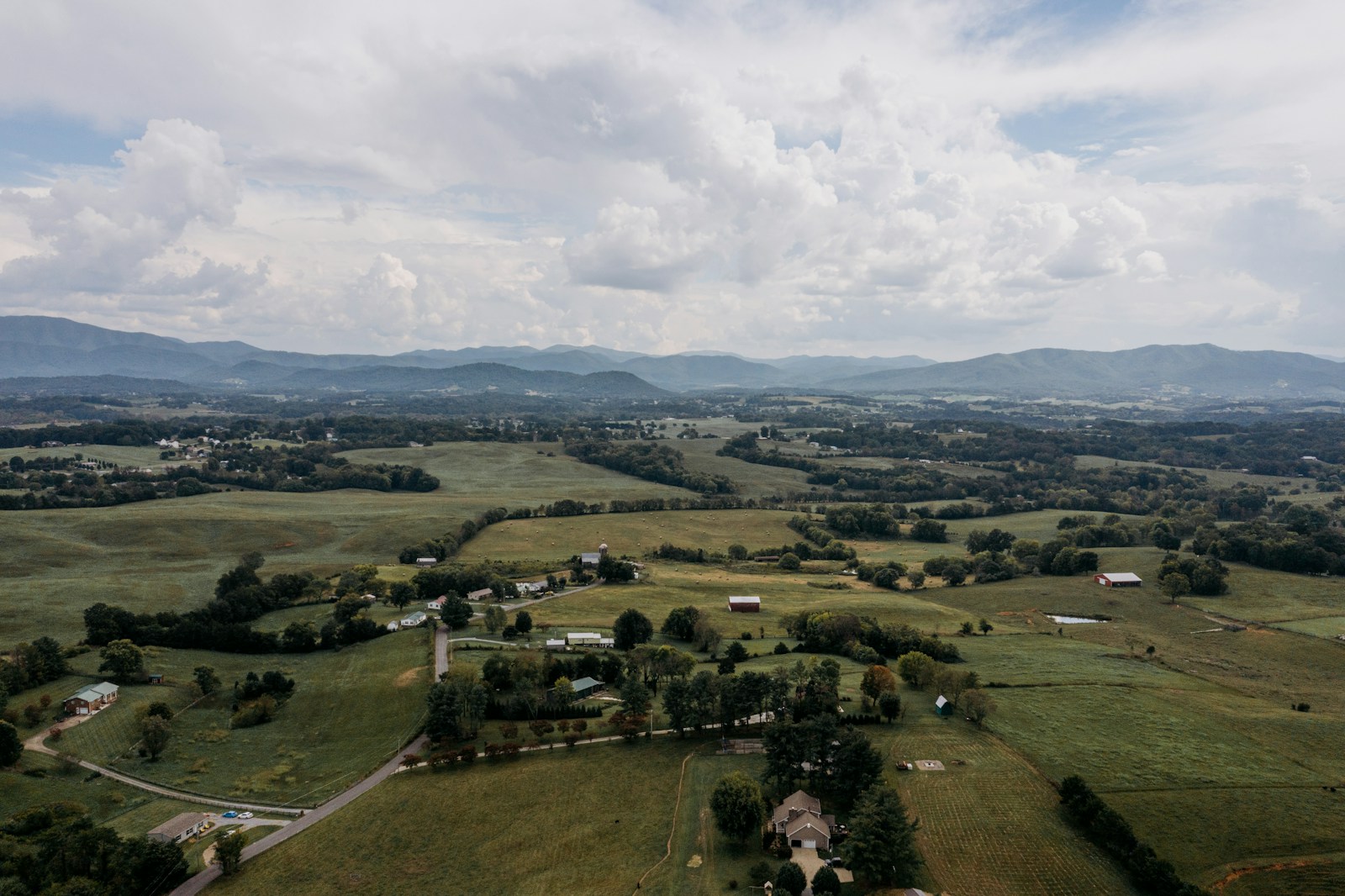
A Tennessee lot should be evaluated in three dimensions. Grade, drainage, driveway slope, and the position of the home can materially affect how usable the property is. The acreage figure alone cannot answer those questions.
Walk the intended outdoor areas where permitted. Locate the portion you could use for a garden, equipment, play, seating, or another purpose. A hillside view can be appealing while providing little level space for the project that motivated the purchase.
For a pool, workshop, addition, or separate building, review setbacks, easements, recorded restrictions, access, and utility feasibility. Ask the responsible offices and appropriate professionals about the plan. Do not treat a large parcel as proof that an improvement will be allowed or affordable.
Also examine driveway and drainage arrangements. An attractive home positioned above the road can involve grading, retaining features, or maintenance that a listing photo understates. Include those responsibilities when comparing it with a smaller, more straightforward lot.
Nashville: make the daily destinations the starting point
Nashville belongs in the first comparison when your work, appointments, or frequent activities are in the city. Build the short list around those destinations and evaluate the block and housing type directly.
Compare attached housing, established detached homes, and other realistic options against your essential layout and parking needs. Ask how deliveries, storage, guests, stairs, and outdoor use would work. A desirable location should still function as a home on ordinary days.
If proximity to businesses matters, walk the actual route. Note sidewalks, crossings, distances, and how practical the trip feels for the errands you expect to repeat. A home near restaurants does not necessarily eliminate driving for the rest of life.
If transportation is part of the brief, consult WeGo’s current services. Check the full journey between the proposed address and the destination. A nearby route or station should not be treated as a solved commute until its schedule and connections are confirmed.
Franklin and Brentwood: choose the southern corridor for a reason
Franklin and Brentwood can fit a search centered south of Nashville. Compare them separately, with actual homes and the routes from each home to the places you need to reach.
For Franklin, decide whether the attraction is downtown access, a particular work destination, or a housing product. Historic areas, established communities, and planned developments raise different questions about condition, maintenance, and association responsibilities.
For Brentwood, examine usable land and the scale of the house alongside its location. A large lawn may be a benefit or a burden after moving from a property with different landscaping demands. Price the equipment or services needed to maintain it.
The Brentwood neighborhoods guide explains the difference between lot size and community open-space patterns. Use it to prepare property questions rather than assuming every home in Brentwood offers the same outdoor space.
Spring Hill and Columbia: connect the house to the reason for going south
Spring Hill and Columbia are worth a targeted comparison when work, home features, or a specific property need points into this part of the region. Extra rooms alone should not decide the move.
Spring Hill spans Williamson and Maury counties. Confirm the parcel, service providers, and applicable records for the exact house. Compare established housing with new construction through the finished price, inspection questions, warranty terms, and written completion schedule.
In Columbia, decide whether you want historic character, an established residential setting, or a newer layout. The Columbia neighborhoods guide helps separate those categories. Visit the homes and the errands you would use around them.
For recurring Nashville trips, test the complete route and return at realistic hours. If work is remote, include airport visits, appointments, and ordinary shopping. A location can be a good choice without being convenient for every possible regional destination.
Fairview and Dickson: investigate the western property advantage
Fairview and Dickson merit attention when a western route or specific home-and-land requirement fits your plan. Start with a representative property rather than assuming the entire western area offers one type of lifestyle.
For rural or edge-of-town homes, verify legal access, road responsibility, internet, water, and wastewater arrangements. The presence of a utility nearby does not establish connection availability at the home. Obtain address-level information and installation expectations.
Where septic applies, review permitted capacity, records, condition, and how your intended use fits the system. A house’s advertised bedroom count and an expansion idea should be checked against the applicable documentation.
Compare the property’s benefit with the additional errands and maintenance it creates. More space is useful when it supports the activities you want, but the decision should include travel, outdoor work, and any future improvement costs.
Seasonal maintenance deserves a separate inspection discussion
Use the National Weather Service’s Nashville climate information to plan beyond the season of your visit. Its records and normals show precipitation across the year, summer heat, and winter freezing conditions. A pleasant fall weekend does not represent the full ownership experience.
Ask the inspector about drainage, roof runoff, gutters, crawl-space or basement conditions where present, and the way the home’s systems manage the indoor environment. Get qualified advice for any moisture concern rather than assuming an unfamiliar smell or visible stain has a simple explanation.
Evaluate shade, covered outdoor space, exterior materials, tree condition, and storage for seasonal equipment. The landscape you want to enjoy may also require mowing, leaf removal, and ongoing exterior care. Put those tasks into the weekly picture.
Learn local weather-alert options and consider an appropriate shelter location for the particular home. Do not use regional weather concerns to label entire neighborhoods. The useful questions are preparation, construction, drainage, and the property’s specific condition.
Arizona work hours can shift after the move
Remote work may broaden the housing search, but verify the schedule on the Tennessee clock. Arizona’s standard-time law rejects daylight saving time, while Nashville follows Central time with seasonal clock changes. For Phoenix-based work, the time difference needs to be considered across the year.
Confirm meeting hours with the employer and set calendars to the appropriate time zones. An office arrangement that looks fine during a scouting trip may feel different when meetings extend into the evening. The work schedule can affect errands and the use of shared living spaces.
At the house, check the office’s doors, light, temperature, noise, and proximity to other activities. Confirm internet availability and installation timing at the exact address, including any limitations important to the job.
Discuss employment and relocation changes with the lender before assuming the financing remains unchanged. A remote arrangement, new employer, or compensation change can require updated documentation. The housing plan should reflect the employment facts that will apply at closing.
Rebuild the budget from actual Tennessee costs
Compare financing, verified taxes, insurance, association charges, utilities, maintenance, and essential repairs for the specific property. Add moving costs, recurring travel back to Arizona, and any change in vehicle or parking needs. Keep estimates separate from confirmed quotes.
The Phoenix and Nashville cost comparison is useful for organizing the broader categories. The Phoenix home-budget guide helps frame property choices. Neither should be treated as a promise about your household’s future spending.
A larger home can create additional cleaning, furnishing, and exterior obligations. New construction may still need landscaping or other finishing expenses. An established home may need systems work even when the kitchen is attractive.
For tax effects involving the move, employment, or the sale of your Arizona home, obtain current professional advice for your situation. Keep that analysis separate from a simple comparison of asking prices or general statements about the two states.
Plan the move around the housing sequence
Identify whether you must sell before buying, how proceeds will be available, and when you can take possession. Coordinate the Arizona and Tennessee transactions with the professionals handling each. An expected closing date should be treated as a planning date with contingencies.
Ask moving companies for written pickup, delivery, storage, and coverage terms. A long-distance delivery window can affect temporary housing and work arrangements even when both home transactions close on schedule.
If you are purchasing before arriving, request detailed live tours of the finalist and surrounding routes. Include the driveway, outdoor areas, storage, systems information, and unresolved condition questions. Use independent inspections and document review to answer what a video cannot.
Temporary housing can offer flexibility, but compare its full expense and the possibility of a second move. The right sequence is the one that reduces pressure without creating an avoidable financial or logistical burden.
The Tuesday Test for a Phoenix buyer’s shortlist
Select two or three different location patterns for the scouting trip. Compare a home near the principal destination, a suburban alternative, and a property with a meaningful land or layout advantage. Keep them within a budget you would seriously consider.
At each house, note the unfamiliar ownership responsibility and the most useful improvement over your current home. Test the regular drive, an errand, and the return. For remote work, evaluate the office and the errands that must fit around meetings.
Leave time to revisit an outdoor area or route that raised questions. A second look can be more valuable than several unrelated showings. Remove locations that fail essential requirements before debating finishes and optional upgrades.
The goal is a shortlist supported by evidence: useful space, realistic routes, understood maintenance, and a complete budget. That gives the next showing and offer discussion a much stronger foundation.
Frequently Asked Questions
Should I prioritize a flatter lot after moving from Phoenix?
Prioritize the lot function you need. Grade matters for outdoor use, access, drainage, and planned projects, but a sloped property can suit some goals. Walk the useful areas and obtain relevant professional advice before deciding what the acreage is worth to you.
Can I assume a Tennessee house uses the construction pattern I know?
No. Review the actual foundation, systems, exterior materials, and maintenance history. Ask an inspector about concerns specific to that home. Familiar-looking finishes do not establish how the building was constructed or how it performs.
Will my Phoenix remote-work hours stay the same locally?
Confirm them across the year. Phoenix stays on standard time while Nashville changes seasonally, so the local clock difference varies. Set calendars correctly and consider how meetings affect your Tennessee evenings and routines.
How early should I check rural internet?
Before treating the home as a finalist. Obtain address-specific service, plan, and installation information from the provider. Nearby coverage and a general service map do not guarantee that the needed connection will be available when you move.
What makes a scouting trip productive?
A focused brief, representative homes, and time to test ordinary routes. Include the terrain, maintenance, and work setup that differ from your current property. Leave with a small reasoned shortlist and identified questions rather than a large collection of attractive photographs.
About Harley Pope
Harley Pope is a lifelong Middle Tennessee local and Realtor with Pope Group at The Baker Brokerage. He helps relocating buyers compare homes, location, condition, and everyday use across Nashville, Dickson County, Maury County, and surrounding communities. His approach connects housing goals with practical property checks, complete ownership budgets, and the steps needed to coordinate a move from another state.
Planning a Phoenix move? Contact Harley and Victoria Pope at Pope Group at The Baker Brokerage to compare Tennessee communities around your work, property priorities, and desired daily routine.