Columbia Neighborhoods: Historic Districts, Established Communities and New Construction
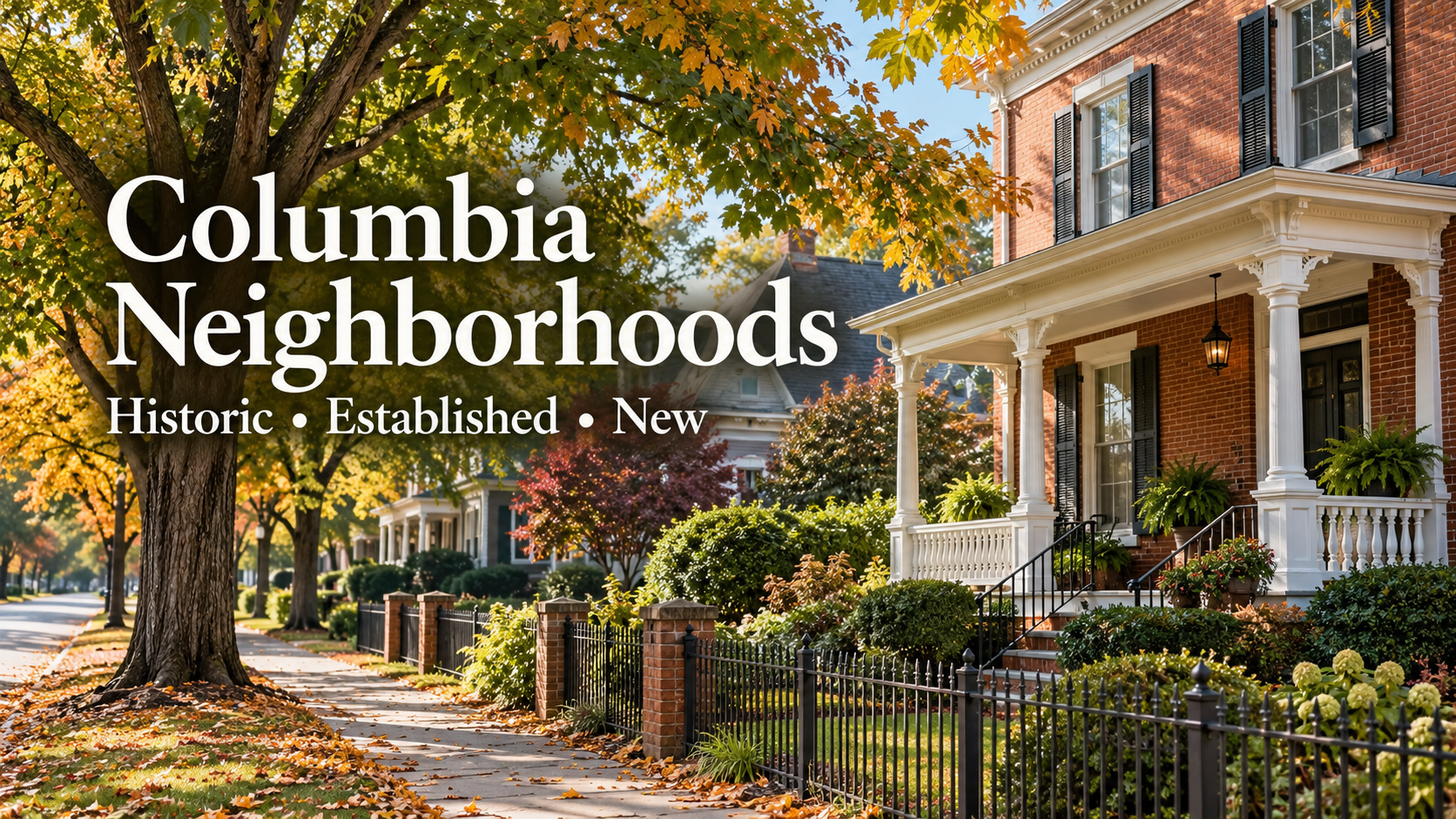
Columbia neighborhoods offer three useful starting points: historic streets near downtown, established residential areas with varied homes and lots, and newer construction with different layouts and community rules. Compare the specific address, condition, route, and ownership costs before choosing among them. A neighborhood name helps orient the search, but it cannot tell you whether a particular home will work for your everyday life.
Last updated: October 12, 2026
I’m Harley Pope, a lifelong Middle Tennessee local and Realtor with Pope Group at The Baker Brokerage. This guide covers housing decisions within and around Columbia, Tennessee. It does not rank neighborhoods or report current MLS inventory. My recommendation is to choose the daily routine first, then compare the houses that support it.
How to compare Columbia neighborhoods without oversimplifying them
Start with three questions: Where do you need to go, what kind of home do you want to maintain, and which property features will you actually use? Those answers are more helpful than searching for one supposedly best part of town.
Columbia sits within Maury County, but a Columbia mailing address does not settle city limits, services, zoning, or the route to your destinations. Identify the parcel and responsible jurisdiction early, especially when the search extends beyond built-up residential streets.
Create a short list around your anchors: work, appointments, shopping, outdoor activities, and regular visits to other communities. Someone working locally might evaluate downtown access and the home itself differently from someone traveling toward Spring Hill or Franklin several days each week.
Keep the Columbia home-buying guide alongside this neighborhood comparison. That guide addresses the purchase process; this one helps decide which housing patterns deserve a closer look.
Historic districts: buy the character with an understanding of the responsibilities
Historic Columbia deserves an address-level examination of both architecture and ownership. The city’s historic property profiles identify five designated historic districts and discuss examples in the West End and Athenaeum districts. These are useful orientation points, not a list of homes currently available.
For a house around West Seventh Street or another historic area, inspect the property before imagining the renovation. Period details, mature landscaping, and a connection to downtown can be meaningful advantages. Older layouts, parking arrangements, limited closets, and the cost of maintaining original materials may also shape the decision.
Ask which improvements have been made, whether permits and supporting records exist, and which systems remain older. A renovated kitchen does not establish the condition of the wiring, roof, plumbing, crawl space, or foundation. Budget for the parts of ownership that photographs rarely explain.
Check the exact historic designation and applicable review process with the city before planning exterior changes. A historic appearance, National Register association, and local overlay are different pieces of information. Get guidance for the proposed project rather than assuming every older home has identical restrictions.
Downtown access: measure the trips you would make
Being near the Public Square can matter if you expect to use downtown regularly. It matters less if nearly all your weekday destinations are elsewhere. Separate the appeal of a Saturday visit from the practical connection you would use on an ordinary evening.
Walk from a candidate home to the places you care about. Note sidewalk continuity, street crossings, parking, and the return route. Evaluate the actual distance and conditions instead of assuming every home described as downtown offers the same walking experience.
Then test necessary errands that are outside the downtown core. Include a full grocery run, a medical appointment, and whichever work trip applies. A location can make restaurants convenient while leaving other routine trips unchanged.
For an older house near commercial activity, visit at different times and consider road exposure, outdoor space, deliveries, and parking arrangements. Those observations are personal fit questions. They should be evaluated directly rather than inferred from a broad neighborhood reputation.
Established residential areas: compare the house, yard, and renovation history
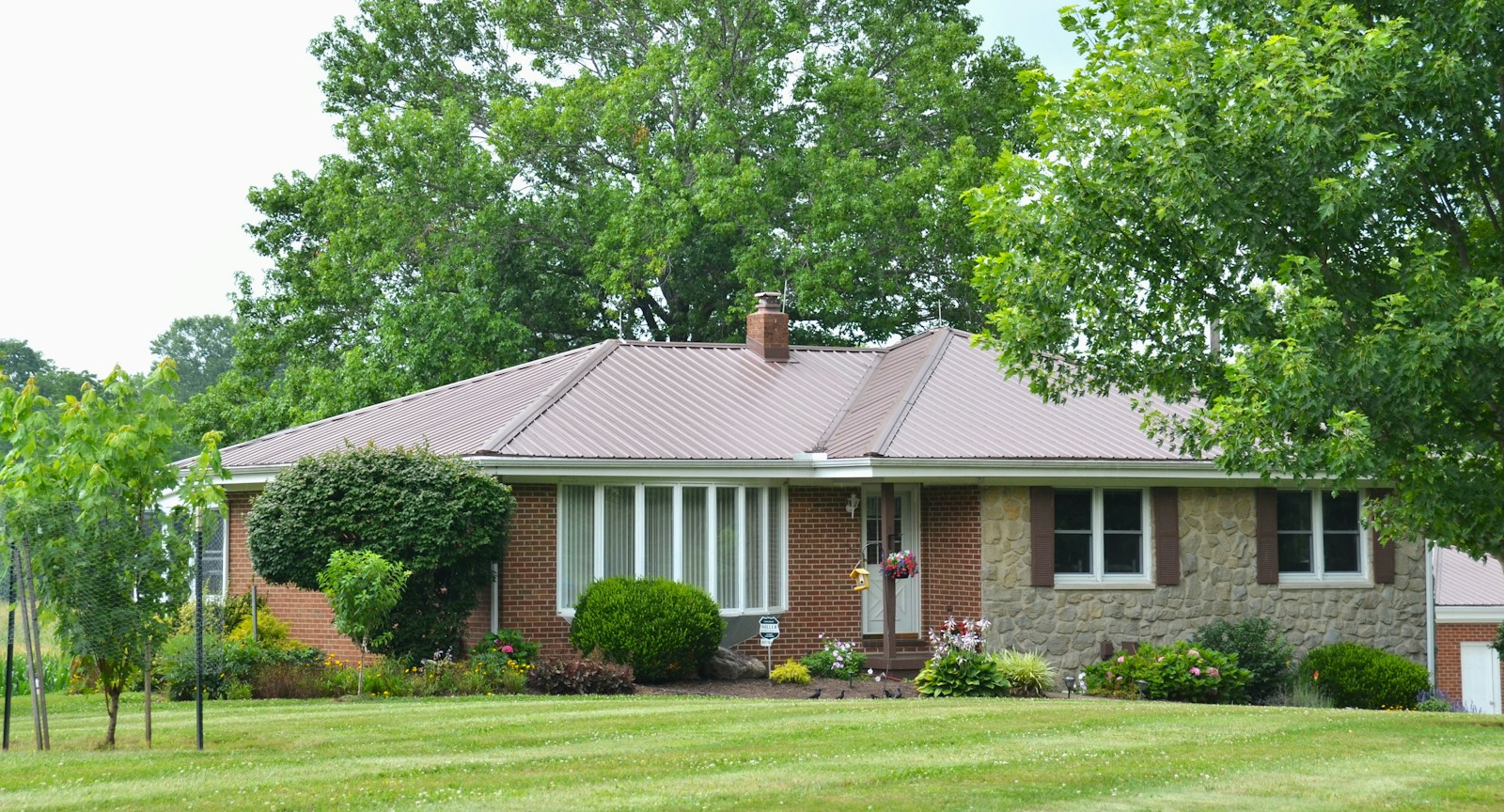
Established Columbia housing can provide a different balance from both historic districts and new construction. Look for a workable layout, usable outdoor space, and systems whose condition matches the price. Avoid treating a home’s age as either a benefit or a problem by itself.
Use streets around recurring destinations, including the Woodland Park area, as route-testing reference points. The city’s park information can help you plan a visit, but proximity to a park does not establish the quality or suitability of every nearby property.
Inspect mature trees, drainage, retaining features, and the position of neighboring homes. A yard may feel different when leaves fall or after a hard rain. Determine where water travels and which portions of the lot support the activities you have in mind.
Ask for an improvement timeline. Compare documented work with cosmetic updates and unfinished projects. If you want a single-level layout, verify that daily living, laundry, storage, and access from parking all function as expected, rather than relying on a listing’s description of the house as a ranch.
New construction: compare the finished purchase, not just the base price
For newer communities and homes being built, make the comparison specific to the lot and contract. The model home’s features, the advertised starting price, and the house you can actually purchase may be three different things.
Ask what is included in the written price: lot premium, structural options, finishes, appliances, landscaping, and any required upgrades. Identify the association obligations, fees, exterior rules, and responsibilities for common areas. Compare those costs with an established home before deciding which purchase is simpler.
Review the completion schedule and what happens if construction runs late. Clarify inspection access, warranty terms, change-order rules, deposits, and possession timing with the people responsible for the transaction. A move involving another home sale needs enough flexibility to handle uncertainty.
For surrounding land and future phases, use Columbia’s current planning resources. An application or long-range plan is not a promise of a completed amenity or road. Evaluate what exists today and distinguish it from proposed, approved, and unfinished work.
North, east, and west: give each direction a practical reason
Use the major roads to organize the search, then return to the specific local connection. Nashville Highway and Bear Creek Pike can be useful geographic reference points, but their names alone do not establish your driving time or the best route to an individual home.
If your routine points toward Spring Hill, compare homes based on how they connect to your actual destination. Test departure and return at realistic hours. A house closer on a straight-line map can involve a less useful sequence of local roads.
If the search points farther west or toward Mount Pleasant, include the errands and services you would use there. Make the same address-level comparison for any rural property rather than treating the western side as a single housing market.
The Spring Hill neighborhood guide helps compare a nearby alternative with a different city and county context. Expand the map because an area solves a real need, not because another community name adds more listings.
Larger lots and acreage: identify the useful land before pricing it
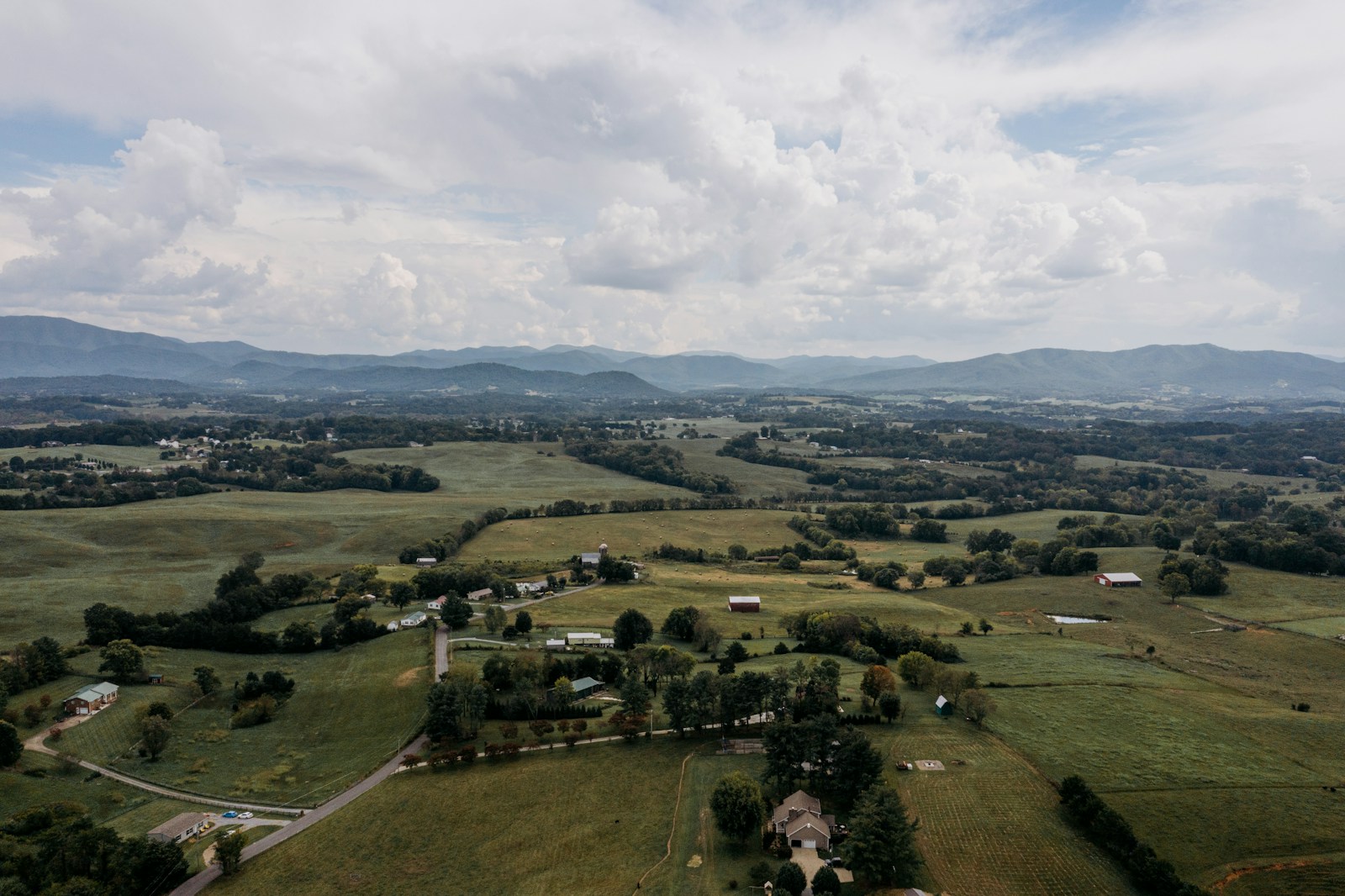
More acreage is valuable only when it supports the use you want. A level yard, wooded hillside, pasture, and drainage area serve different purposes. Walk the land where permitted and compare the usable portions with the acreage figure in the listing.
For a workshop, pool, garden, or additional structure, investigate setbacks, easements, restrictions, utility access, and the relevant approval process before treating the project as feasible. Get appropriate professional input on costs and site conditions. A large parcel does not automatically provide unlimited building choices.
Confirm water and wastewater arrangements. Where septic applies, review the permit, approved capacity, maintenance history, and available space for the intended plan. Obtain internet availability for the exact address, including installation requirements, instead of relying on nearby coverage or a provider’s general service area.
Culleoka can be a useful separate comparison when your search involves rural housing farther into Maury County. Keep its location and services distinct from an in-town Columbia purchase. The extra distance should earn its place through a property benefit you genuinely want.
Price positioning: use comparable purchases instead of neighborhood labels
Build a price opinion around recent relevant sales, competing listings, and the subject property’s condition. This guide does not assign fixed price bands to Columbia neighborhoods because those bands can become stale and can hide important differences between individual homes.
For a historic house, compare renovation quality, systems, layout, parking, and any material restrictions. For a newer house, account for completed features, lot differences, and documented incentives. For land, separate usable acreage and improvements from the gross parcel size.
An unusually low asking price deserves investigation, not an automatic conclusion that the area offers better value. Identify the cost of repairs, financing limitations, property complications, or features that affect buyer demand. Equally, a high price does not prove that a home will deliver a better daily experience.
If you are also considering Williamson County, use the Franklin community guide to organize the location comparison. Bring actual homes into the discussion rather than assuming that one county name establishes value for every buyer.
Build a complete ownership budget before making an offer
Compare the monthly and first-year costs of the exact homes on your short list. Ask the lender for current financing estimates and obtain address-specific taxes, insurance, association charges, utilities, and essential repair costs. Keep those verified amounts separate from allowances and estimates.
An established house with no planned remodeling may still need a systems reserve. A new house can require furnishings, window coverings, landscaping, or other move-in expenses. A larger lot may require equipment or paid maintenance. Put these items on the same worksheet so they do not disappear behind the purchase price.
Review the Columbia and Maury County real-estate questions guide for additional purchase considerations. School assignment, if relevant to your search, should be confirmed through the responsible district for the exact address; this article does not rate schools or make assignment promises.
Make an offer with the documents and professional reviews needed for that property. The right preparation changes with the home type. Inspection questions for an older downtown house will not be identical to those for a newly built home or a rural parcel.
A focused visit and The Tuesday Test
Tour one representative historic home, one established home, and one newer home if all three are realistic options. Keep the budget and essential layout needs reasonably consistent so the comparison tells you something useful.
After each showing, record the location advantage, the property’s main limitation, the first-year expense you expect, and the questions still unanswered. Photograph details with permission and avoid allowing the most attractive kitchen to erase a less workable floor plan or route.
For The Tuesday Test, drive the sequence you would repeat: leave home, reach work or an appointment, make a routine stop, and return. Then imagine laundry, deliveries, parking, yard work, and a normal evening inside the house.
End the visit with two or three property patterns you would seriously buy. That is a more useful result than deciding you like everything about Columbia. A focused short list allows the next showing and offer discussion to address real choices.
Frequently Asked Questions
Do all old Columbia homes fall inside a historic district?
No. The city identifies designated districts and historic resources both inside and outside them. Confirm the exact property and applicable overlay with Columbia’s planning staff. Appearance and age do not establish the review requirements for your intended work.
Should I choose downtown before looking at new construction?
Only if downtown access is an essential priority. Otherwise, compare representative homes from both categories early. Condition, layout, recurring costs, and weekday routes can change which option is more useful for your circumstances.
Can a Columbia mailing address be outside city limits?
A mailing address alone should not determine the jurisdiction. Verify the parcel, municipal boundary, service providers, and responsible offices. This is especially important for rural housing, planned improvements, utilities, and wastewater questions.
How should I compare an incentive on a new home with a resale discount?
Compare written loan estimates and complete purchase terms. Account for the finished home’s features, any lender conditions, closing costs, repair needs, and total cash required. An advertised incentive and a price reduction do not necessarily produce the same financial result.
What should I send before planning Columbia showings?
Share your comfortable budget, timing, work destination, essential layout needs, and desired lot use. Mention whether historic character, a smaller maintenance burden, or a particular route matters most. Those details help turn a broad Columbia search into a useful shortlist.
About Harley Pope
Harley Pope is a lifelong Middle Tennessee local and Realtor with Pope Group at The Baker Brokerage. He helps buyers and sellers compare homes, property condition, location, and ownership decisions across Maury County, Dickson County, Nashville, and surrounding communities. His approach keeps the client’s priorities at the center of the search, with practical attention to daily routes, usable space, and the questions that need answers before an offer.
Considering a Columbia home? Contact Harley and Victoria Pope at Pope Group at The Baker Brokerage to compare historic, established, and newer housing options around the routine you want to build.