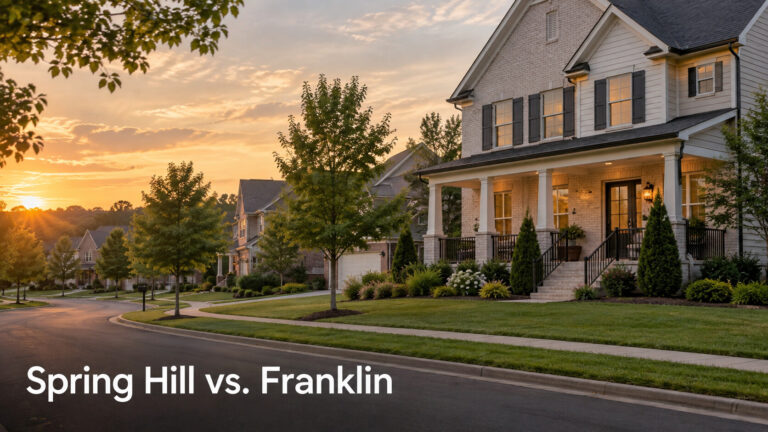
Buying a Home in Franklin, TN: Prices, Neighborhoods and the Purchase Process

Buying a home in Franklin, TN takes more than choosing a price range on a map. The practical choice may be an older home closer to downtown, a newer floor plan near a different route or an address outside the city that still uses Franklin for mail. Compare the exact property, payment, condition and daily travel before deciding what the city name means for you.
Last updated: September 24, 2026. Prices and inventory change; this guide does not promise a home type at a fixed budget. Verify tax, zoning, school and HOA facts for the parcel.
Local perspective: Harley Pope is a Middle Tennessee Realtor with Pope Real Estate Group at The Baker Brokerage. Harley and Victoria Pope help buyers compare Franklin with other Williamson County and Middle Tennessee options through property-level evidence.
Buying a home in Franklin: start with the weekly map
Draw your recurring routes before reviewing listings. Include work, groceries, medical appointments, regular activities and any other trips you make most weeks. A home that appears central on a regional map may be inconvenient for your actual destination. Test a candidate address at a normal departure and return time. The Tuesday Test asks whether the home still works after a tiring ordinary day, not merely during a pleasant weekend showing. A smaller home with a better route may buy you time; a larger house farther out may be worth that time to someone else.
The Franklin area page helps orient the search, while the Williamson County guide broadens nearby options. Do not assume a Franklin mailing address establishes city limits, services or a school assignment. Obtain the parcel record and verify the governing jurisdiction. If you work in Nashville or farther south, the location within the Franklin search matters as much as the community name. Compare real homes along the routes you would use.

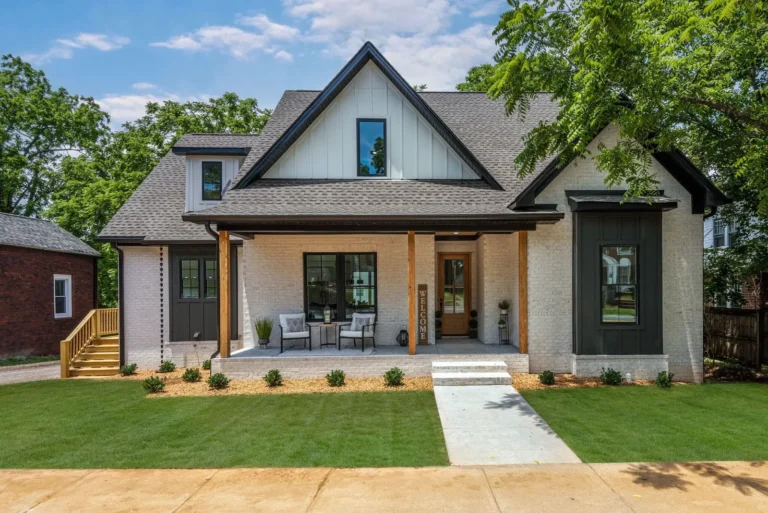
Photo: Elijah Crouch / Unsplash.
Compare established streets, newer houses and attached options
Older houses near the historic core can offer an established setting and distinct architecture, but require close review of systems, additions, drainage and future maintenance. Ask when roofs, HVAC, plumbing and electrical components were updated, what permits are available and how finished area was measured. A beautiful renovated room may conceal a costly system that has not been touched. If a property is within a local historic district or another protected area, check the city's historic district guidelines and map for the actual address before assuming you can alter the exterior.
Newer construction can offer a different layout and less immediate system wear, but the model-home finish level may exceed the quoted base price. Compare lot, included appliances, landscaping, warranties, HOA obligations and expected taxes after completion. Ask what surrounding work remains and what is merely planned. A new house still deserves an independent inspection and a review of grading and drainage. Townhomes or condos may simplify some exterior tasks while adding shared financial obligations. Read dues, reserves, insurance responsibilities and rules rather than treating the association as a single line on the payment estimate.
These types are not interchangeable at the same square footage. An older home may distribute space across more floors; a new one may fit an office and laundry into a smaller total; an attached home may trade yard care for a convenient route. Tour examples of each if you are unsure. Your useful floor plan, parking and storage are more important than a portal's headline area figure. Ask what is counted as living area and whether any finished addition has the approvals needed for the intended use.
Use familiar place names as orientation, not as a substitute for boundaries. Downtown Franklin, the Cool Springs area and addresses farther toward the county edge can have very different property choices and routes. Two houses with the same mailing city can be far apart in daily experience. Ask an agent to show a map of current candidates against your routine and compare their actual lots, not general neighborhood reputations. If walking to a particular destination matters, test the real path and crossing rather than relying on a circle drawn around a landmark. If larger private outdoor space matters more, count the work that comes with it.
An established street can be attractive because of its setting, but the condition of individual homes still varies. A newer subdivision may simplify some early maintenance while placing more of the shared environment under recorded rules. Neither type is automatically the right fit. Check whether a seller's photos were taken before or after a renovation and what documentation supports the work. A good tour should make it easier to separate what you can change later from what you cannot: location, lot shape and access often deserve more weight than paint or light fixtures.
How to think about price without a stale number
Franklin prices vary by location, lot, condition, size and property type, and they change with current inventory. A citywide median cannot tell you whether a particular home is fairly priced. For a serious listing, review recently closed properties that buyers would consider substitutes, then compare active homes and pending competition. Explain differences in road setting, condition, usable lot, garage and floor plan. Do not price a home by multiplying a broad Williamson County price per square foot by its reported size. The resulting precision can be false.
Set a comfortable monthly payment with your lender before using a purchase-price ceiling. Have the lender estimate principal and interest, taxes, insurance, HOA dues and mortgage insurance if applicable for actual addresses. Tennessee residential assessment generally uses 25% of appraised value before the relevant tax rate, as the state comptroller explains. Confirm the parcel's city and county status and ask for an updated estimate; a listing's prior bill may not predict yours. Obtain an insurance quote before finalizing the budget.
At any price point, ask what cash remains after down payment, closing costs, moving and immediate improvements. An older home's lower entry price can be offset by a near-term roof or HVAC project. A new home's advertised price may not include fencing, blinds or upgrades you assumed were part of the model. Keep a first-year reserve. Compare the same property in two ways: the amount needed to close and the amount needed to own it comfortably for the first year. The second number often changes which listing is truly affordable.
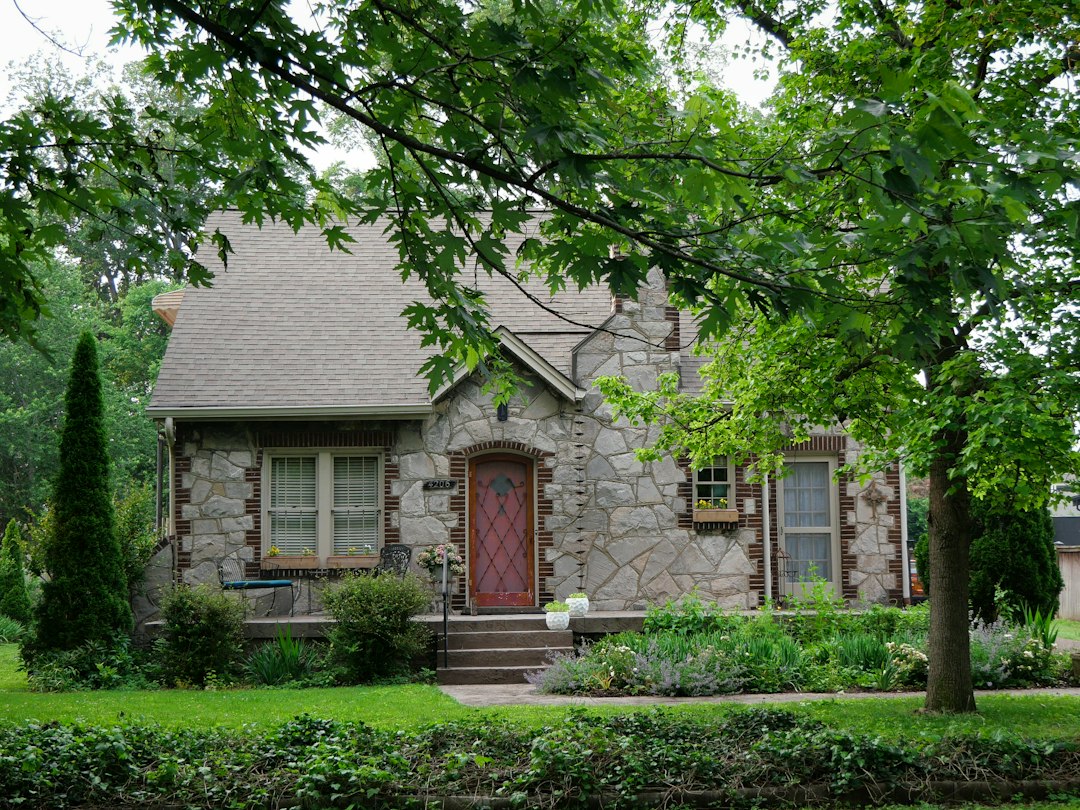
Photo: Daniel Yakubu / Unsplash. Illustrative home; not identified as a Franklin property.
Check the lot and the rules before imagining improvements
Ask for a survey, title information and recorded restrictions when a boundary or future project matters. A big backyard may contain drainage features, easements or a slope that changes your plan. If you want a pool, addition, accessory building or major exterior alteration, check zoning, permits, HOA rules and utility capacity with the responsible offices. A contractor's general assurance or a neighbor's similar project is not permission for your parcel. The city has an official zoning and permit information route for specific questions.
Water issues deserve an address-level review. The City of Franklin provides floodplain management resources. A mapped designation is one piece of evidence, not a complete report on past drainage or future loss. Review seller disclosures, inspect the site after rain if practical, and seek an insurance quote where appropriate. Look at gutters, grading and evidence of prior water entry. Do not label a whole neighborhood by a single parcel's condition, and do not assume a house outside a mapped area has no water risk.
Compare nearby choices with the same priorities
Brentwood may be a relevant comparison for a buyer whose main destinations are north of Franklin or whose budget fits the available homes. Compare exact routes, lot, house age and upkeep. Thompson's Station and Spring Hill may enter a search for a different combination of space and travel. The names do not establish a value ranking. Use similar live homes at the same payment and ask what you gain or give up in each location.
For some buyers, Columbia or another Maury County search can make sense if their destinations lie south or they intentionally accept the drive for a particular property. Others will value time near Franklin more. Check exact roads and departure periods. A weekly schedule is a better comparison tool than a promotional list of “best neighborhoods.” The Brentwood buying guide and Columbia and Maury County questions provide further property questions when those alternatives are in play.
Tour and inspect with a purpose
Before touring, rank your needs: floor plan, stairs, office, parking, lot use, commute, maintenance tolerance and monthly payment. For each home, record which requirements it meets and which it asks you to compromise. Visit at more than one time if noise, traffic or light matters. Photographs may make rooms feel larger and do not reveal odors, grading or the ease of a driveway. Video is helpful for screening but should not replace a physical review of a serious purchase when one is possible.
An inspection plan should match the home. Consider roof, foundation, drainage, major systems and any finished addition in an older house; workmanship, grading and completion items in a new one; association documents and shared responsibilities in an attached one. Ask which issues the general inspector can assess and which require specialists. Review the seller's disclosures and available records, but treat them as information to check rather than a warranty. If a property has a special feature, build its investigation into the contract calendar.
Structure an offer around the actual competition
Look at recent closed sales and the live alternatives when deciding price. Terms can matter as much as a few thousand dollars: financing, earnest money, inspections, appraisal, concessions, closing date and possession. The right structure depends on seller needs and your capacity. Do not waive a meaningful inspection or make an unsupported appraisal promise solely to win a house. If you must sell another home first, have a credible net and lender plan before using a contingency. A strong offer is one you can close with protections you understand.
Once accepted, track earnest money, inspections, repair discussions, appraisal, financing, title, insurance and closing deadlines. A lender's early approval is not final funding. Ask your agent and lender for updates and escalate a missed milestone promptly. Confirm utilities and possession before movers arrive. Your practical plan after the offer protects the decision you made during the search. Do not let an attractive neighborhood photo distract from the cost and risk of the particular property.
Frequently Asked Questions
Is a Franklin mailing address always within city limits?
No assumption should rest on a mailing address. Confirm the parcel's municipal status in official records before estimating taxes, services or permit rules.
Are historic-looking homes subject to the same rules?
No. Check whether the exact property lies within a local historic district or has recorded restrictions. The City's map and guidelines can inform exterior project planning.
Should I buy a new home without an inspection?
An independent inspection can still identify workmanship, drainage and completion issues. Decide the inspection scope and contract timing for the specific build.
How do I compare Franklin with Brentwood or Spring Hill?
Use homes you would actually consider at similar total payments. Test property-to-destination routes and compare floor plan, condition, lot and maintenance, not broad city labels.
What should I ask about a Franklin HOA?
Request governing documents, dues, reserves, insurance responsibilities, restrictions and known assessments. Read them against your intended use and ask for clarification before the contract deadline.
About Harley Pope
Harley Pope is a Middle Tennessee Realtor with Pope Real Estate Group at The Baker Brokerage. He and Victoria Pope help buyers in Franklin, Williamson County, Nashville, Maury County, Dickson County and surrounding areas. Harley emphasizes useful property comparisons, verified records and the daily routine a home creates, so a client can judge both its appeal and its obligations.
Considering a Franklin home? Contact Harley and Victoria Pope with your route, payment range and must-have features. Call or text Harley at 931-629-4836. Pope Real Estate Group at The Baker Brokerage, 615-878-0362.