
Buying a Home in White Bluff, TN: A Practical Guide to Homes, Land and Daily Life
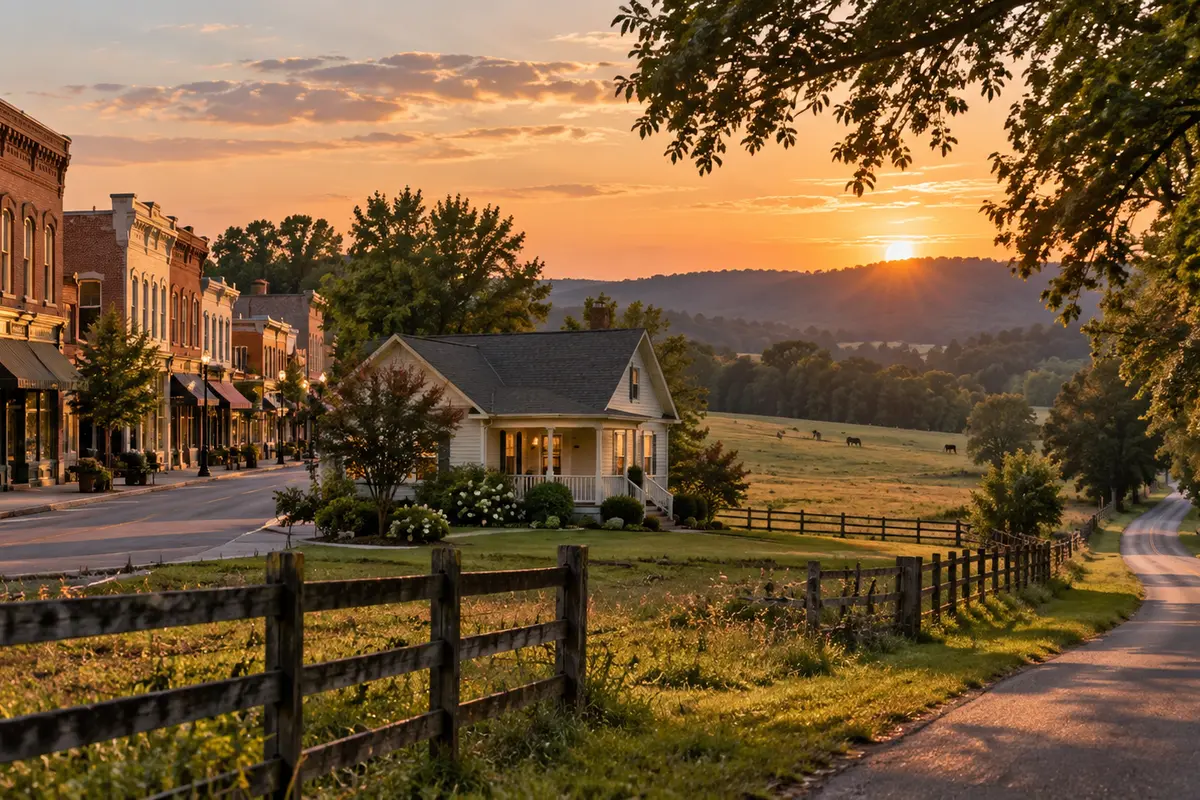
buying a home in White Bluff TN starts with understanding what the location can—and cannot—do for your daily life. White Bluff, TN attracts buyers who want a smaller-town setting, access toward Nashville and Dickson, and a mix of neighborhoods and rural properties, but the best purchase still depends on the exact road, parcel, systems, condition and commute.
Last updated: September 18, 2026. Prices and inventory move quickly, so this is a decision guide rather than a promise about what a fixed dollar amount will buy.
Why buyers consider White Bluff, TN
White Bluff sits in eastern Dickson County and attracts buyers who want a quieter scale while remaining connected to larger destinations. The town is smaller than Dickson, so daily-life fit depends on where you work, shop and use services.
The tradeoff is that a wider search radius creates more variation. A city address, an in-town neighborhood and a rural parcel outside municipal limits can have different utilities, restrictions, taxes, drive times and resale patterns even when the listing uses the same place name.
Understand the map before you shop
US-70 is an important east-west route, with additional local roads connecting toward Fairview, Burns and Dickson. The final route can matter as much as mileage. Town limits and mailing addresses should be verified parcel by parcel.
Ask your agent to verify the parcel’s jurisdiction instead of relying on the mailing address. The mailing city does not always tell you which government provides services, which school district applies or whether municipal taxes are due.
For a closer property-level comparison, use the White Bluff neighborhoods guide to evaluate home styles, usable outdoor space, and the routes that shape your week.
What kinds of homes can you find?
Buyers may find established homes near town, smaller subdivisions, newer construction and rural properties around the community. Inventory can be thinner than in a larger city, so patience and clear criteria help.
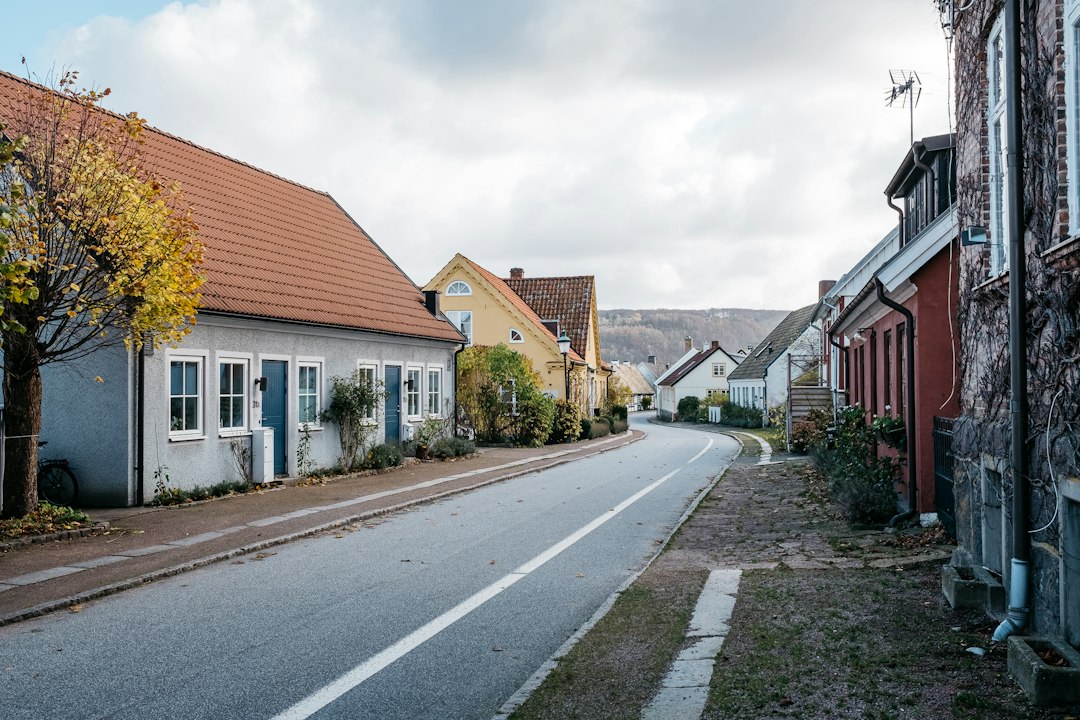
Do not compare a renovated in-town home, a production-built subdivision house and a rural property only by price per square foot. Their land, systems, maintenance burden and buyer pools are different. Compare like with like, then decide which property type fits your priorities.
How to evaluate current prices
Start with a live search in a narrow price band and separate the results by property type. Note active days on market, condition, seller concessions, price changes and recent comparable closings. A countywide median is useful context, but it does not price an individual home.
Use a total monthly budget that includes principal and interest, property tax, homeowners insurance, any HOA fee, utilities, maintenance and commuting. Tennessee residential property is generally assessed at 25 percent of appraised value, and local governments set tax rates. Confirm the exact parcel and current rate.
Commute and transportation
White Bluff can create a workable route toward west Nashville for some households, but traffic, two-lane segments and exact destination matter. It may also work well for people whose lives are oriented toward Dickson County.
Run the Tuesday test before writing an offer. Map a normal weekday at realistic times: work, school, childcare, groceries, medical care and the places you visit for fun. Then drive the route. A ten-mile difference can feel minor on a map and significant on a two-lane road.
Utilities, septic, wells and internet
Do not assume a White Bluff mailing address has city sewer or every municipal service. Rural edges may involve septic, well or utility arrangements that require records and specialized inspections.
- Confirm whether water, sewer, natural gas and trash service are public, private or unavailable.
- Locate septic records and verify permitted bedroom capacity; bedroom count is not merely cosmetic.
- For a well, test water quality and understand pump, filtration and treatment equipment.
- Verify internet speed and provider at the exact address, especially if remote work is essential.
- Ask about private roads, shared driveways, maintenance agreements and emergency access.
Land and acreage due diligence
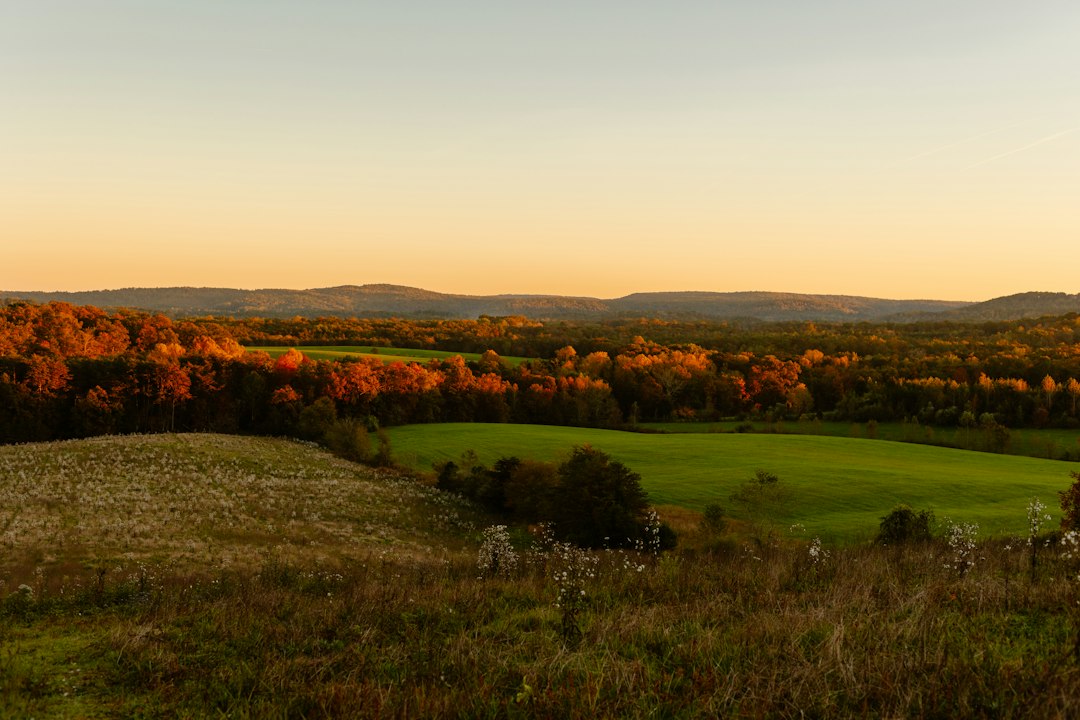
Land can be a major attraction, but buyers should separate scenic acreage from usable acreage. Review survey, soil areas, drainage, slopes, easements, access and restrictions before planning buildings or animals.
A beautiful parcel may contain slopes, drainage areas, easements, floodplain, utility corridors or soils that limit future plans. If you want a shop, pool, guest house, animals or subdivision potential, investigate before the inspection period ends. A standard home inspection does not answer land-use questions.
New construction versus resale
Smaller new developments may offer modern layouts, while established homes can provide mature lots and character. Compare builder allowances, road completion, drainage and surrounding future phases.
For new construction, understand the base price, upgrades, lot premium, builder contract, completion risk and warranty. For resale, inspect the roof, HVAC, foundation, drainage, windows and crawlspace or basement. Older rural homes can also involve outbuildings, fuel tanks and nonstandard additions that deserve extra review.
Schools and boundaries
Verify the assigned schools for the exact address directly with the district. Boundaries and programs can change, and a listing field can be wrong. Review objective information, tour when possible and make the decision based on your household’s needs. An agent should not describe a school or neighborhood in a way that steers buyers.
Insurance, inspections and risk
Request an insurance quote early, not after the contingency has passed. Roof age, prior claims, distance to a fire station or hydrant, tree exposure, outbuildings and certain systems may affect availability and cost. Consider specialized inspections when relevant: septic, well, chimney, pool, structural, sewer scope, survey or environmental review.
Resale considerations
Access toward Nashville and Dickson, internet service, manageable property systems and a practical layout can broaden resale appeal. Highly rural or specialized properties require more patient pricing and marketing.
No one can guarantee appreciation. Protect flexibility by buying a property whose location, layout, access and maintenance needs make sense to more than one future buyer profile.
Who is White Bluff, TN a strong fit for?
White Bluff can fit buyers seeking a quieter community, a little more breathing room and a deliberate trade of convenience for property or pace.
Who may want to keep comparing?
Buyers who want extensive shopping and dining within minutes, frequent public transit or a highly predictable short commute may prefer a larger or closer-in market.
A practical offer checklist
- Confirm jurisdiction, taxes, school assignment and utilities.
- Review comparable sales that match the property type and condition.
- Price insurance and estimate near-term repairs.
- Match inspection choices to the home and land.
- Protect due-diligence deadlines and document seller representations.
- Map the weekly routine before treating distance as a bargain.
How to create a high-signal home search
A good search is narrow enough to reveal patterns and wide enough to provide alternatives. Start with a monthly-payment ceiling, minimum functional requirements, commute boundary and property-system tolerance. Then separate in-town homes, subdivision homes and rural properties into different groups. This helps you see which category is producing the compromise, instead of mixing every listing into one long feed.
Save the reason a home was rejected. After ten listings, those notes usually reveal the real criteria: road type, lot slope, garage, primary-bedroom location, renovation burden or distance to groceries. Update the search from evidence rather than continually raising the budget.
A realistic ownership budget
Beyond principal and interest, plan for property tax, insurance, utilities, routine service, pest control, lawn or land care and replacement of major components. For a rural home, add septic pumping, well equipment, driveway work, tree management, fencing and any private-road obligation. For an older in-town home, add a reserve for roof, windows, electrical, plumbing and foundation or moisture work.
One-time costs deserve a separate line: moving, immediate repairs, appliances, window coverings, furniture for added rooms and equipment for the property. A larger house can be affordable at closing and still create an uncomfortable first year if those costs are ignored.
How to use the inspection period
The inspection period is for learning and decision-making, not only negotiating. Order the general inspection promptly, then add specialized inspections based on what it reveals and what the property includes. Read permits and disclosures, compare seller statements with visible conditions and obtain estimates when a major issue could affect the decision.
For land, confirm boundaries and access instead of relying on a fence or an aerial map. For septic, verify permitted capacity and location. For additions or converted space, investigate permits and appraisal treatment. Keep every deadline visible; excellent diligence performed after a contractual deadline may not preserve the same options.
A two-day White Bluff, TN scouting visit
Ask for a fresh market update before making the trip. New listings, accepted offers and price changes can alter the best itinerary within days. Keep the schedule flexible so you compare the strongest available options rather than following an outdated list. Revisit the best property from the opposite direction and at a different time; road activity, neighboring uses and the route often feel different when the showing is no longer the focus.
Spend the first morning understanding the town and the routes. Visit the grocery store, downtown or primary service area, one park and the main route toward your recurring destination. Tour a few homes from each property category in the afternoon. Do not use the first impressive house to set the standard for the whole market.
On the second day, revisit the strongest area at the time you would normally travel. Add any specialized properties—acreage, new construction or an older renovation—after you understand the baseline. Leave time to review notes with your agent before deciding whether the search area should expand, contract or shift.
Questions to ask before the first showing
Ask whether the address is inside city limits, which utilities serve it, whether sewer is available, how internet was verified and whether the road is publicly maintained. Request seller disclosures and known system ages when available. For land, ask for the survey, septic records, restrictions and any shared-maintenance agreement before assuming the property supports your plans.
For new construction, ask what is included in the advertised price, whether the lot carries a premium, which selections remain open and how the builder handles inspections and warranty claims. Early answers help keep an attractive but unsuitable property from consuming the entire tour.
Bring a simple measuring tape and photograph utility panels, exterior systems and road approaches when permitted. After the tour, compare facts before finishes: access, structure, systems, land and recurring cost. Paint and fixtures are easier to change than drainage, traffic, septic capacity or the location of the house.
Frequently asked questions
Is White Bluff, TN a good choice for commuters?
It can work for west-side destinations and hybrid schedules, but it should be driven at the correct time. A route that looks simple on Sunday can feel different on Tuesday morning.
Can I find acreage near White Bluff, TN?
Yes, in and around the broader community. Due diligence on septic, access, restrictions and topography is essential.
Are there homes without an HOA?
Yes, but absence of an HOA does not mean absence of restrictions. Review recorded covenants, zoning, easements and municipal rules.
What should I verify before offering on rural property?
Access, survey, boundaries, septic capacity, water source, internet, insurance, restrictions, flood information, drainage and whether your intended use is allowed.
Explore the wider White Bluff search
Review the Dickson County guide, then compare nearby Dickson, Burns and Charlotte. Buyers deciding how far west to search can also use the Dickson versus Fairview comparison to test commute, amenities and property tradeoffs.
Related guides
Sources and a note on changing data
This guide uses durable location facts and public sources, including the U.S. Bureau of Economic Analysis Regional Price Parities, U.S. Census Bureau QuickFacts, and Tennessee Department of Revenue property-tax guidance. Home prices, interest rates, insurance quotes, commute times, inventory and local tax rates change. Verify current figures for a specific property and route before making a decision.