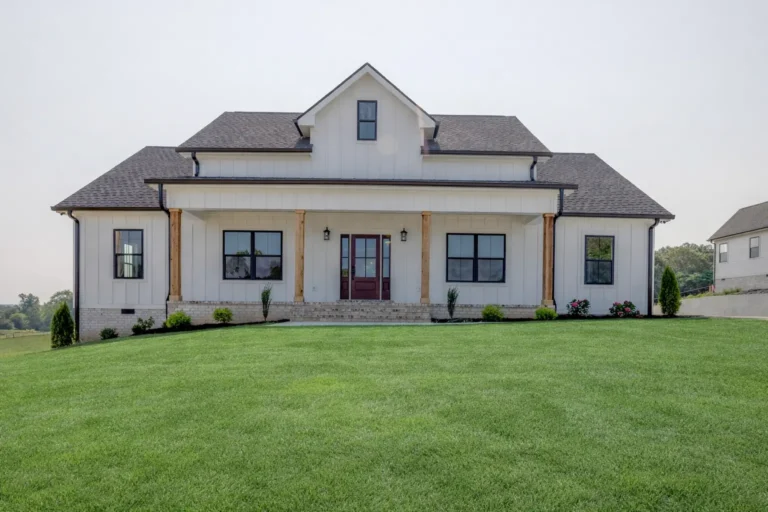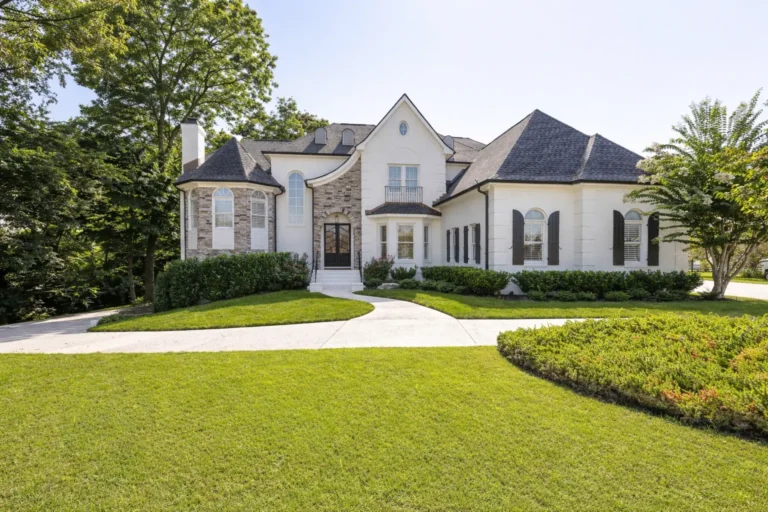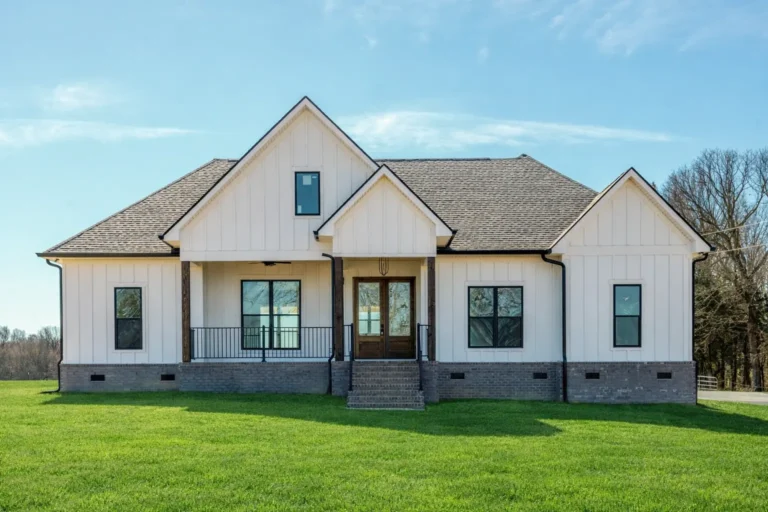
Spring Hill Neighborhoods: A Guide by Price, Location, Lot Size and Home Style
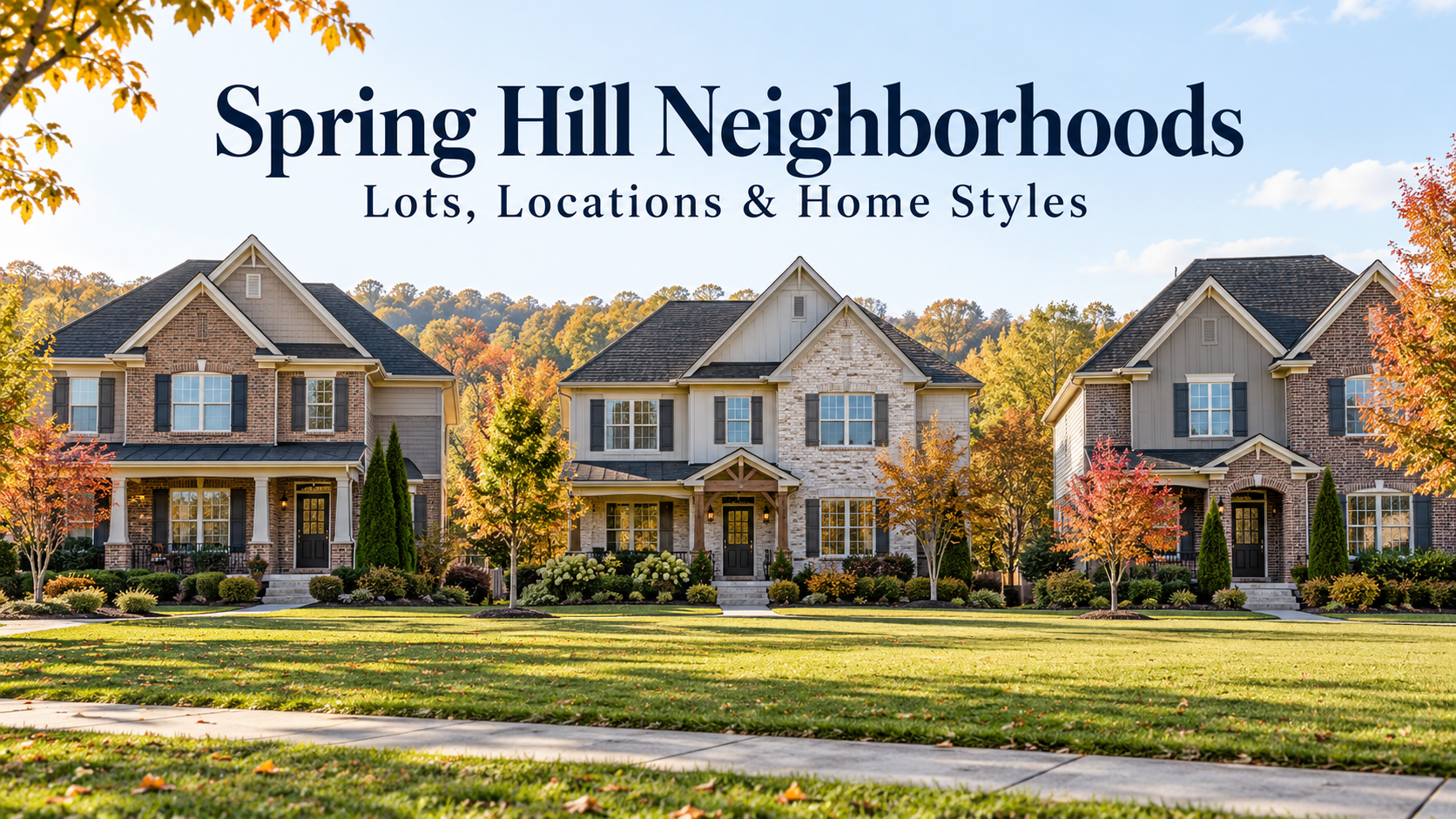
Spring Hill neighborhoods should be compared by county, daily routes, home style, lot usability, and total ownership cost. A subdivision name is only a starting point. Established homes, new construction, attached properties, and different parts of the city can create distinct tradeoffs, even when two listings share a Spring Hill address and similar square footage.
Last updated: October 9, 2026
I’m Harley Pope, a lifelong Middle Tennessee local and Realtor with Pope Real Estate Group at The Baker Brokerage. This guide helps buyers narrow a Spring Hill search using property-level evidence. It is not a current inventory report, a school ranking, or a fixed neighborhood price chart.
Start with the county and the actual location
Spring Hill spans Williamson and Maury counties. Confirm the location of each property before comparing taxes, schools, services, or nearby alternatives.
A Spring Hill mailing address does not answer all of those questions. Verify the parcel, municipal boundary where relevant, and the authorities responsible for the services that matter to you. When school assignment is important, ask the appropriate district about the exact address and intended enrollment timing rather than relying on an old listing.
The Spring Hill community page provides the broader orientation. The Williamson County and Maury County guides help explain the surrounding regional choices.
Then map the destinations you use most. A buyer working in Cool Springs, one commuting into Nashville, and one whose routine centers on Columbia may evaluate the same Spring Hill house differently. That is a practical difference in location, not a ranking of neighborhoods or residents.
Spring Hill neighborhoods: use names to find the right records
Named communities help organize a search, but current records and the individual property should settle the details. Do not assume one home represents an entire subdivision.
The city’s master subdivision map identifies names including Wades Grove, Cherry Grove, Autumn Ridge, Baker Springs, and Wyngate Estates. Use the map to orient a search and locate relevant streets. It should not be treated as a live inventory list, a current price guide, or confirmation that every mapped phase has the same status.
For each community you consider, compare the specific house, lot, phase, and governing documents. An entrance lot and an interior lot may have different traffic exposure. A house beside an undeveloped parcel may have a different future setting from one surrounded by completed homes.
Ask for the relevant association and recorded documents, current fees, maintenance responsibilities, and any information about special assessments or planned work. Amenities should be verified through current documents, including who can use them and what ownership obligations support them.
Compare the Buckner and June Lake connections with southern routes
The route from the neighborhood to the larger road network can materially affect your day. Test more than the interstate portion of the trip.
The city reports that the June Lake interchange at I-65 opened in May 2024. That is a completed connection to account for when comparing routes. It is different from assuming that every nearby road project is also finished or that congestion has been eliminated.
Compare a home’s access toward Buckner Lane and June Lake with alternatives using other local connections, including Main Street or Saturn Parkway where appropriate. The right route depends on the actual address and destination. A neighborhood’s apparent closeness to an interchange can be less useful if its local access does not fit your direction of travel.
Use TDOT SmartWay for current traffic context and the city for local project information. Drive the route at your expected time in both directions. One convenient weekend trip cannot establish the experience of a weekday commute.
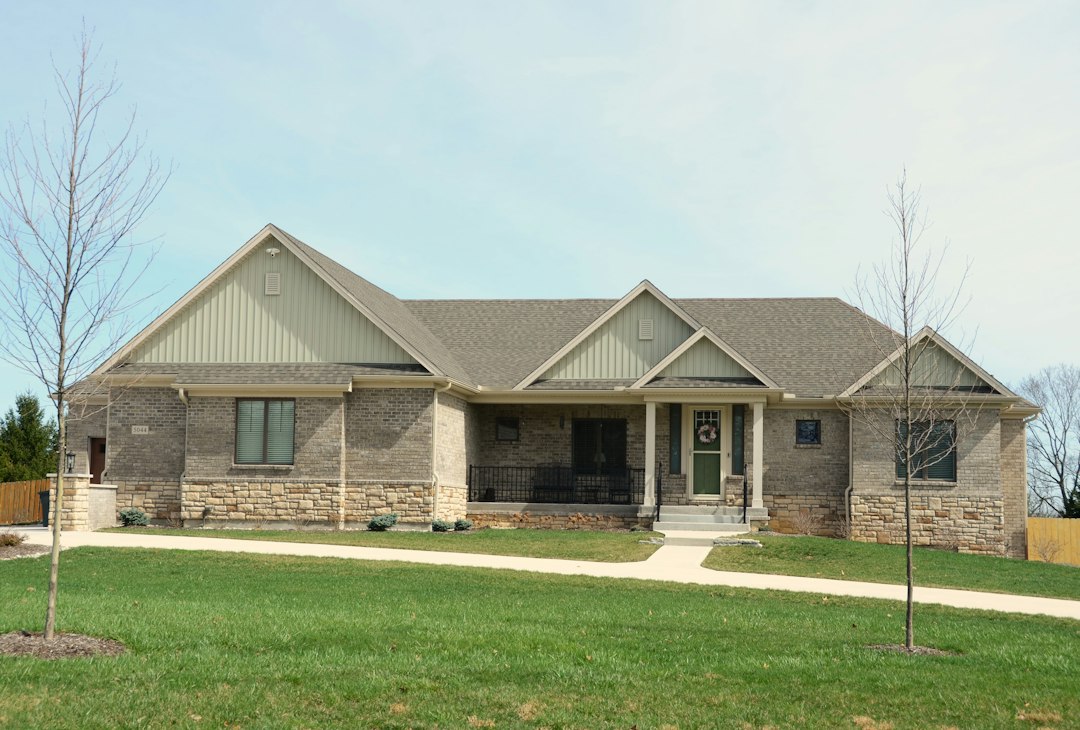
Established communities: inspect the house behind the familiar setting
An established neighborhood can make it easier to see the surrounding pattern of homes and streets. The individual property’s condition still requires careful review.
Compare the layout before focusing on finishes. Look at the route from the garage to the kitchen, the location of laundry, bedroom separation, storage, and the rooms you would use for work or guests. A larger home may devote much of its area to spaces that do not solve your needs.
Request available maintenance and improvement records. Roofs, heating and cooling equipment, windows, drainage, and other systems can vary among homes built in the same period. A recently updated interior may coexist with older major components.
Inspect exterior changes such as decks, fences, additions, and converted spaces. Ask what records support the work and whether it fits applicable restrictions. Compare the expected cost of necessary repairs with the price difference between that home and a more updated alternative.
New construction: compare the final home and the phase
A new-construction purchase combines the home, lot, contract, financing package, and completion plan. Evaluate each part instead of treating the model as the property you are buying.
The June Lake development website is one example of how a community may present a broader vision. When considering any developing area, distinguish existing roads and buildings from future phases or planned uses. Ask which features are documented for the specific purchase and when they are expected to be available.
Obtain the final written price, included specifications, lot details, and completion expectations for the home under consideration. Identify anything you would need after closing, such as fencing, window coverings, landscaping, or appliances not included in the package.
Compare financing incentives with independent estimates and understand the conditions. Arrange appropriate inspections and clarify the process for incomplete items and warranty service. If possession timing matters, discuss how a delay would affect your current home, moving arrangements, and temporary housing budget.
Lot size means little until you understand the usable area
Compare the outdoor space you will occupy, maintain, or improve. Two lots with the same acreage can function very differently.
Look at the location of the backyard, slope, drainage, setbacks, easements, and neighboring windows or outdoor areas. A broad front lawn may not meet a buyer’s need for private-feeling outdoor space behind the home. A smaller level yard may be more usable for an intended activity than a larger sloped one.
For a fence, pool, patio, or other project, investigate feasibility before assigning value to the idea. Association rules and government requirements may both apply. Confirm what lies below or across the area, including utilities and drainage features.
Also consider maintenance access. Where would equipment be stored? Can you reach the side yard easily? How do downspouts discharge? Those practical details often become more important after move-in than a modest difference in the acreage displayed on the listing.
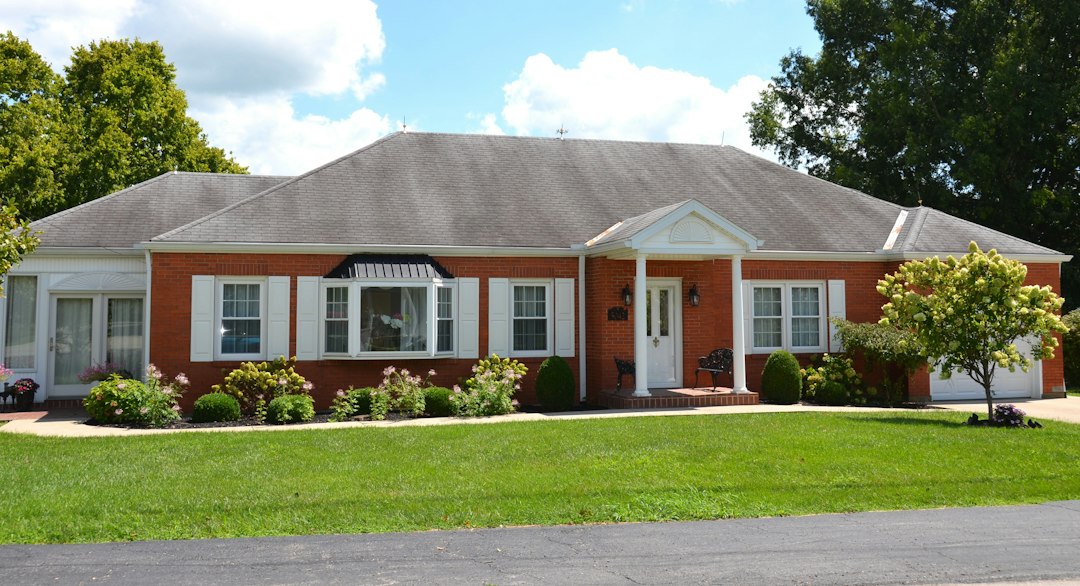
Attached homes and smaller lots can be deliberate choices
A smaller footprint can be a strong fit when it reduces work you do not want. Compare the actual ownership structure and costs rather than assuming every attached home is simpler.
Review what the association maintains and what remains your responsibility. Exterior appearance, shared walls, roofs, landscaping, parking, and insurance can be handled differently depending on the documents. The building’s appearance alone does not establish those responsibilities.
Evaluate storage, guest parking, stairs, sound, and the outdoor area you would actually use. If an office or hobby space matters, measure it and consider how it interacts with the rest of the home. A compact property that supports your routine can be more useful than extra rooms purchased mainly because they fit the budget.
For a larger detached alternative, account for the work and equipment that move back onto your personal list. The comparison should include both money and time, especially if reducing maintenance is one reason for the move.
Build a price range from comparable choices
A useful Spring Hill price comparison should separate property type, county, location, condition, and lot utility. A single broad range can hide the reasons two homes are priced differently.
Begin with current homes you would seriously consider. Then review relevant closed sales and explain the differences. Keep asking prices separate from completed transactions. If a recent sale included concessions or a home requires significant work, consider those factors rather than comparing the headline numbers alone.
For new construction, compare the completed package with resale alternatives. For an established property, add necessary repairs and desired changes separately. Do not assume renovation spending will return dollar for dollar when the home is sold.
Include a financing estimate, verified taxes, insurance, association charges, and an ownership reserve. The Spring Hill homebuyer guide provides additional purchase considerations, while this neighborhood comparison helps explain which properties belong in the same decision set.
Investigate nearby land and services before committing
Review the property in the context of its surroundings. An open parcel, planned road, or nearby development can affect the setting you expect.
The Spring Hill Planning Division is a starting point for land-use and development questions within the city. Identify the relevant parcel or project and ask for its current status. An application, approval, and completed project are different pieces of evidence.
Verify utilities and internet at the exact address. Ask about waste collection, service providers, and any obligations that are not obvious from the listing. For school information, use current district resources and address verification rather than general neighborhood claims.
These checks are especially valuable near municipal or county boundaries and in developing areas. They help replace broad expectations with the actual information needed to decide whether the property works.
Compare Franklin, Thompson’s Station, and Columbia for a reason
Nearby communities should clarify a tradeoff. Add an area because it changes the home, budget, or route in a useful way.
Franklin may be a relevant comparison when your work or regular activities center farther north. The Spring Hill and Franklin guide can help frame property and location questions without assuming one always provides better value.
Thompson’s Station deserves its own address-level evaluation when it fits the search. Do not treat a nearby town boundary as a small detail if it changes applicable services or the route you use.
Columbia can be useful when your routine points south or its properties better match your needs. Use the Spring Hill and Columbia comparison to decide whether the difference is worth a focused tour.
The Tuesday Test: compare the whole day
Before choosing a neighborhood, test the home as the starting and ending point of a normal weekday. Include the errands and recurring trips you cannot easily change.
Drive to work at the expected hour, return through the likely afternoon route, and add your regular stop. At the home, think through parking, unloading groceries, using the office, and spending time outside. Record what works and what still needs investigation.
Then compare the finalists by the same criteria. A clear list of verified facts, acceptable compromises, and unresolved issues helps turn an appealing showing into a defensible purchase decision.
Frequently Asked Questions
Does every Spring Hill home have the same county and school assignment?
No. Spring Hill spans Williamson and Maury counties, and address-level verification matters. Confirm the parcel and ask the applicable district about school assignment and enrollment information. Do not rely solely on a city name, ZIP code, or previous listing.
Can I use an older subdivision map to check available homes?
No. It is useful for orientation and identifying community names, but current inventory and development status require current sources. Review the exact property, phase, and relevant planning or association documents before making a purchase decision.
Does the June Lake interchange eliminate commute concerns?
No. It is an existing connection to include in your route comparison, but the full trip still depends on local access, destination, schedule, and conditions. Test the actual drive rather than assuming one road improvement determines the whole commute.
How should I compare a larger lot with an extra bedroom?
Identify the use each feature would provide. If the additional room supports daily work while the extra land has no planned use, the room may matter more to you. If outdoor use is essential, investigate the lot’s feasibility before favoring interior size.
What is the best first step in choosing a Spring Hill neighborhood?
Confirm your comfortable budget and recurring destinations, then compare representative homes in a few realistic locations. Verify the county, services, documents, and usable lot. A focused search gives the neighborhood choice a practical basis.
About Harley Pope
Harley Pope is a lifelong Middle Tennessee local and Realtor with Pope Real Estate Group at The Baker Brokerage. He helps buyers and sellers compare homes in Maury County, Dickson County, Nashville, and surrounding communities, including Spring Hill. His approach brings together property condition, pricing, location, and everyday use so clients understand the tradeoffs behind a housing decision.
Want a focused Spring Hill comparison? Contact Harley and Victoria Pope at Pope Real Estate Group at The Baker Brokerage with your budget, daily destinations, and preferred home and lot features.