
Nashville-Area Communities to Consider When Moving From Atlanta

An Atlanta to Nashville move should be organized around the trips you want to improve and the home you want to own. Compare Nashville, southern communities, and western options from actual addresses. A familiar suburban layout or a shorter distance on a map does not establish a better commute, lower ownership cost, or easier weekly routine.
Last updated: October 9, 2026
I’m Harley Pope, a lifelong Middle Tennessee local and Realtor with Pope Real Estate Group at The Baker Brokerage. This guide helps buyers moving from Atlanta and its surrounding communities narrow a Tennessee search. It focuses on choosing an area; our Atlanta relocation guide covers the broader move.
Use what Atlanta taught you about location
The most valuable lesson to bring is how much the direction and timing of travel matter. Start with your current routine and identify the parts you want to keep or change.
If you already organize life around a particular work corridor, use that experience to evaluate Nashville. If a long drive is the main reason you want a change, do not choose a Tennessee house before confirming where you will work. A larger garage or an extra bedroom may feel like progress while the recurring trip remains frustrating.
A buyer leaving an Atlanta condo and a buyer leaving a suburban detached home may need very different comparisons. One may be evaluating exterior maintenance for the first time; the other may want less of it. Do not let the source city stand in for a detailed conversation about your preferences.
Write down three outcomes that would make the move worthwhile. They might be a separate office, a different payment target, and fewer complicated weekday trips. Use those outcomes as the test for every community you consider.
Atlanta to Nashville: choose the work corridor before the suburb
Your destination should shape the map before a community’s reputation shapes the shortlist. Downtown Nashville, the airport area, a western workplace, and Cool Springs create different travel problems.
Ask for the exact job address, expected office days, parking arrangement, and required arrival time. If two people travel in different directions, test both routes. A property that is excellent for one commute can impose a daily compromise on the other person.
Use current maps and TDOT SmartWay traffic information to understand road conditions, then drive the routes when possible. Include the neighborhood exit and parking at the destination. An interstate segment alone is not the entire commute.
If your employer or clients remain in Georgia, account for the time change. Nashville operates on Central Time, one hour behind Atlanta. Confirm meeting expectations and how they affect the start or end of your local day. A remote arrangement may broaden the home search, but it still needs reliable internet and a schedule that fits the household.
Nashville: compare access with the property itself
Nashville deserves an early look when most recurring destinations are inside the city. Evaluate its neighborhoods through specific properties and connections.
A condo may reduce some exterior responsibilities while adding association fees and shared decisions. An older detached home may offer a useful location and yard while requiring more investigation of repairs. A newer infill property may have a different layout, parking arrangement, or ownership structure than its appearance suggests.
For any option, ask how you would get to work, buy groceries, park, and spend time outside. If walking access matters, walk the route. A destination visible from the front steps may still require an awkward crossing or an indirect connection.
The Nashville neighborhood guide offers a way to narrow the search by budget, commute, and home style. It is more useful than trying to identify Nashville’s version of a particular Atlanta neighborhood based on a few familiar characteristics.

Franklin and Brentwood: separate the two southern searches
Franklin and Brentwood should be evaluated individually. A southern location may fit your workday, but the exact house and route still decide the purchase.
For Franklin, distinguish downtown-oriented interests from a Cool Springs workday or a residential setting elsewhere in the city. Those priorities can lead to different addresses. Do not assume every Franklin home gives you the same connection to the destinations that attracted you.
For Brentwood, compare the lot, layout, condition, and maintenance requirements. A larger home can meet space needs while creating additional costs for furnishing, landscaping, and eventual equipment replacement. Decide whether those features are part of your goal or simply available within the budget.
Use Williamson County’s community overview to understand the broader geography. Verify school assignment and other address-specific services directly with the relevant authority when they matter to your decision. A familiar county name does not answer the property-level questions.
Spring Hill and Columbia: widen the map with a purpose
Consider Spring Hill or Columbia when their locations and available home types address a need your initial search has not met. Compare the recurring travel before focusing on the additional space.
Spring Hill includes portions of Williamson and Maury counties. Confirm the county and jurisdiction for each property, then examine the route, subdivision setting, and ownership obligations. A new construction search should compare the final house price and included features with completed resale alternatives.
Columbia is its own community, not simply a farther point on a Nashville map. A buyer whose work and regular activities fit the area may evaluate it very differently from a buyer who must travel into Nashville frequently. An older home and a newer subdivision property also create different inspection and maintenance questions.
The Spring Hill and Columbia comparison can help you decide whether both belong on the tour. If neither serves your workday or preferred routine, more square footage alone is not a compelling reason to keep expanding south.
Fairview and Dickson County: evaluate a western routine
Western communities are useful alternatives when they match your destinations or property priorities. Give them a separate evaluation instead of assuming every outlying town offers the same experience.
Fairview offers a western Williamson County search. Examine the particular property’s access, lot, and condition. If a wooded setting is appealing, look at the usable outdoor area and the work involved in keeping it suitable for your plans.
Dickson County broadens the comparison to town homes, subdivisions, and rural properties. A home with acreage can be attractive when you will use the land, but verify access, restrictions, utilities, and internet before assigning value to a future project.
If frequent trips back to Atlanta will be part of your life, test the departure route from the particular house as a separate task. Do not select the entire Tennessee search around an occasional trip without weighing the much more frequent local ones.
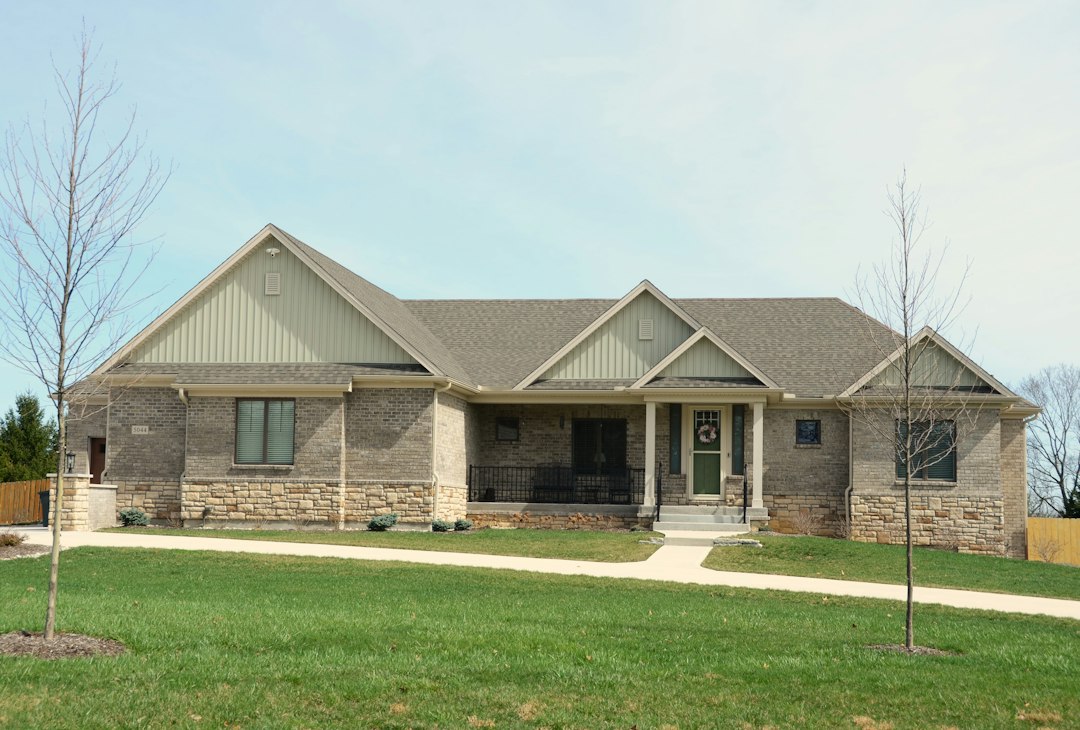
Compare what you own, not just what you pay monthly
A useful budget compares the complete Tennessee property with the complete Atlanta ownership situation. A mortgage estimate alone can hide a change in responsibilities.
Gather verified taxes, a property-specific insurance quote, association fees, utilities, and expected maintenance. If you are moving from a condo into a detached house, identify the work previously handled by the association. If you are downsizing from a large property, consider whether the new home actually reduces the tasks you want to eliminate.
Include the transaction and moving period: sale preparation, storage, temporary lodging, travel, and any overlap between properties. If the Atlanta sale provides the down payment, have your lender and agents map the sequence before you make commitments tied to a Tennessee possession date.
The Atlanta and Nashville cost comparison is a useful starting framework. Replace broad assumptions with your own quotes. Ask your tax professional about residency and any income or property connections you will retain in Georgia.
A familiar region still requires a different property review
Experience owning a home in Georgia can help you ask questions, but it does not establish the condition or risk of a Tennessee home. Evaluate the property on its own evidence.
Review the roof, heating and cooling, drainage, foundation, and any signs of moisture. Look at the ground around the house and how water would move during heavy rain. If a creek, low-lying area, or unusual grading is present, investigate further rather than relying on the appearance during a dry showing.
Use the FEMA Flood Map Service Center for available mapping and discuss property-specific insurance with a qualified provider. Mapping is one piece of the review, not a guarantee about every type of water problem.
For rural alternatives, add the relevant wastewater, water supply, access, and outbuilding questions. For a condominium or association property, add document and financial review. The inspection plan should follow the kind of property you are buying.
Use the shorter-distance move to make a better scouting trip
If your schedule allows more than one visit, give each trip a different purpose. The first can narrow communities; the second can investigate the strongest properties and routes.
On the first trip, choose a limited number of realistic corridors and representative home types. Spend time outside the showings. Run an errand, try the route to work, and revisit the area at another time of day. Write down practical observations rather than ranking everything from memory at the end of a long day.
Use the Tuesday Test during a weekday whenever possible. Include the complete morning and afternoon sequence, especially if your current Atlanta experience has taught you that a route behaves differently in each direction.
Before the second trip, remove the communities that failed a firm requirement. That creates time for a more careful look at the houses still in contention. Our Middle Tennessee relocation resources can support the planning between visits.
Turn the shortlist into an offer plan
Decide how you will evaluate price, condition, and timing before a favorite home creates urgency. A clear plan makes it easier to respond thoughtfully when the right property appears.
Review current competition and relevant sales with your Realtor. Compare similar property types and explain differences in condition, lot utility, and location. Treat asking prices as the seller’s position, not proof of value.
Discuss financing, inspection needs, the Atlanta sale, and possession timing as connected decisions. If you need flexibility, identify where it is most valuable and what it may cost. The offer should reflect your circumstances and the specific house, rather than assumptions imported from a prior Georgia transaction.
Frequently Asked Questions
Will moving from Atlanta automatically give me an easier commute?
No. Your experience depends on the exact home, workplace, schedule, and route. Test both directions during the hours you will travel. A smaller regional map or shorter distance does not guarantee a better door-to-door trip.
Which Nashville suburb most closely resembles my Atlanta suburb?
Use the characteristics you value rather than a direct analogy. Home type, maintenance, nearby errands, and work access are more useful comparisons than reputation. Two communities can look similar while functioning very differently in a normal week.
Should I keep working with my Atlanta agent?
Your Atlanta agent can remain involved in the sale and coordinate with your Tennessee agent with your permission. Agree on communication and responsibilities early, especially when the sale provides funds for the purchase or closing dates depend on each other.
Is a weekend enough to choose a community?
A weekend can identify promising areas, but it may not reveal the workday routine. Add a weekday route test or another focused visit when practical. If important questions remain unresolved, consider whether temporary housing would reduce the risk of a rushed location decision.
What should I compare if a Tennessee house seems unusually affordable?
Review condition, layout, lot usability, location, recurring costs, and relevant sales. The price may reflect a tradeoff that is acceptable to you, but understand it before deciding. A low advertised price should begin the investigation, not end it.
About Harley Pope
Harley Pope is a lifelong Middle Tennessee local and Realtor with Pope Real Estate Group at The Baker Brokerage. He helps buyers and sellers across Nashville, Dickson County, Maury County, and surrounding communities evaluate property choices with attention to location, condition, and everyday use. For relocating clients, he focuses on making the area comparison and transaction sequence easier to understand.
Planning your Atlanta move? Connect with Harley and Victoria Pope at Pope Real Estate Group at The Baker Brokerage to build a Tennessee shortlist around your workday, budget, and move date.