What a Phoenix Home Budget Buys in Nashville and Middle Tennessee

What a Phoenix home budget buys in Nashville and Middle Tennessee depends on usable sale proceeds, financing and the home you want after the move. A house in central Phoenix, a suburban tract home and a property on a larger lot represent different starting points. Compare Tennessee listings at the same all-in monthly cost, then test how location, lot, maintenance and climate change your ordinary week.
Last updated: September 25, 2026. The purchase brackets here are illustrative search exercises. They are not live inventory counts, promised house types or a forecast of price differences.
Local perspective: Harley Pope is a lifelong Middle Tennessee local and a Realtor with Pope Real Estate Group at The Baker Brokerage. Harley and Victoria Pope help relocating buyers translate a budget into a practical search.
Start with net proceeds, not your Arizona asking price
Ask the agent on your Phoenix-area sale for a supported price range and estimated net after payoff, preparation, sale costs and likely concessions. Set aside the moving budget and a reserve before deciding on a Tennessee down payment. If you plan to keep the Arizona home, have your lender underwrite that decision rather than assuming rent will offset its mortgage. The purchase plan should survive a slower sale, an inspection repair and a short gap between closings.
Get lender scenarios for the payment you prefer, not only a maximum preapproval. The Consumer Financial Protection Bureau notes that a Loan Estimate's total monthly payment includes more than principal and interest. Use current quotes for rate, points, property taxes, insurance, mortgage insurance and any HOA. Compare how $500,000, $750,000 and $1 million search caps change actual Tennessee alternatives on one date, if those brackets suit your finances. A bracket is a method for testing a market, not a statement that a particular home is presently available there.
If your Arizona home has a pool or high summer cooling cost, itemize those expenses rather than treating the move as a simple climate bargain. A Tennessee property may substitute different costs: roof and gutter care, drainage, tree work, lawn maintenance, heating and humidity control. The right comparison puts both homes' recurring work on paper. More greenery can be exactly what you want, but it asks for a different maintenance rhythm.
Decide what you want to change
Write the answer to this question before opening listings: what about your current home or location are you trying to improve? You might want a shorter trip to a person you see often, a different outdoor space, fewer maintenance tasks, or a floor plan with a usable office. If the answer is merely 'more square feet,' ask which rooms will be used weekly. A larger Tennessee house could consume more time and money without solving the original problem.
Phoenix buyers may be accustomed to expansive single-level layouts, garages and dry-climate outdoor living. Tennessee listings can offer all sorts of floor plans, but differences in slope, basements, trees and yard drainage can change how space functions. Tour the yard after a rain if possible. Look for where water moves, whether a walk-out basement is dry and what portion of the lot is actually usable. A porch photo does not tell you how the house performs in humid weather.
List your nonnegotiable features and the ones you can trade. A covered parking space may be essential; a pool may be optional. A low-maintenance townhome may serve a frequent traveler better than a detached house on acreage. If you want land, say what you intend to do with it and verify access, restrictions and utilities. Without this list, a broad Tennessee search quickly becomes a collection of homes you admire but would not enjoy owning.
Nashville: test the time value of location
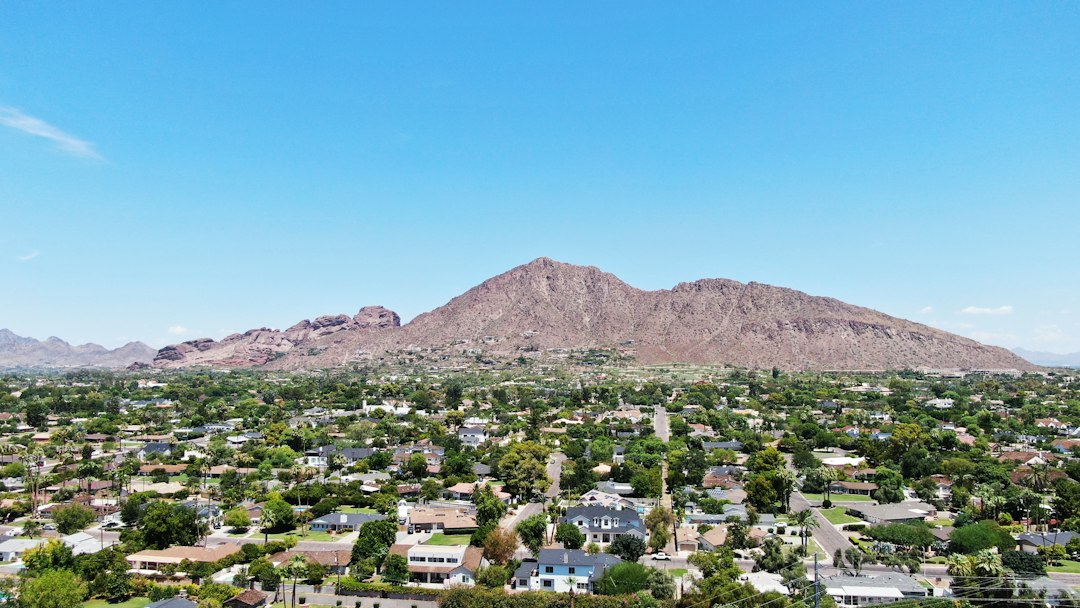
Nashville can be the right choice if many of your frequent destinations are there. Compare condos, townhomes and detached houses at the same total payment. A smaller or older home near the trips you actually make may preserve hours every week. A newer, larger home farther out may offer space but make every visit to the city a drive. Neither is a universal better buy. Compare the house's utility with your time, insurance, HOA and maintenance costs.
If you have remote work, verify broadband at the exact address and look at the workspace in person. If you expect to drive to an office, test the commute at your likely hour. A map estimate made during a weekend visit may be misleading. Check where guests would park and whether the daily errands fit naturally into your route. It is easy to spend your search trip admiring Nashville destinations while never experiencing the weekday trip from the property you may buy.
For attached housing, read HOA budgets, rules, insurance responsibilities and any known assessments. For an older detached house, inspect roof, drainage, HVAC and crawl space or basement as appropriate. If you are accustomed to a newer Phoenix subdivision, the condition difference can matter more than the square-foot difference. Price repair work before declaring the older house a value.
Search other parts of Middle Tennessee for a reason
Dickson and other west-side options may interest buyers seeking more lot space or a different town setting. Columbia and parts of Maury County may suit a southern daily map. Spring Hill can be another south-side comparison, with parcels in Williamson or Maury County. Franklin serves a different combination of location and housing expectations. Ask what route and property use justify each inclusion. A massive circle around Nashville will produce search fatigue without improving the decision.
For acreage, separate lot size from usable land. Check grade, soil, access, the permitted septic system and any building or animal-use rules. Tennessee's environmental agency provides septic records and explains modification permits for work that affects an existing system. A proposed second home, pool or large shop needs more than a verbal assurance. Have the agency or appropriate professional assess the exact plan before your offer depends on it.
If you prefer a newer planned neighborhood, compare lot dimensions and builder inclusions as closely as floor plans. A larger house may have a smaller yard than the one you are leaving. HOA dues and restrictions can affect parking, outbuildings, fencing or landscape plans. Ask what is completed, what is still under construction and whether the specific road or phase is approved. Future development is a possibility to investigate, not a guaranteed source of value.
Tennessee expenses differ from Arizona expenses
Tennessee has no state income tax on earned income, according to the state's revenue department. Arizona and Tennessee tax systems differ, but your household's net result depends on income, property, spending and residency facts. Consult a qualified tax professional instead of turning a state-level slogan into a home-buying number. You may also have tax questions on selling or retaining the Arizona property.
Tennessee residential property is assessed at 25 percent of appraised value for property-tax purposes, with the applicable local rate applied afterward. The state comptroller explains that calculation. The parcel's county and city jurisdiction and valuation are essential, and a seller's old bill may not forecast your bill. Ask the lender and local officials for a more realistic estimate, particularly on a new house. Get homeowners and any flood insurance quotes before you commit to a total payment.
Climate creates practical property questions. Check grading, gutters, drainage around the foundation and evidence of moisture. Ask about HVAC service and ventilation. A mature wooded lot can be beautiful and require ongoing care. A flat open lot can be easier to maintain but offer different shade and privacy. Treat these as site-specific tradeoffs, not claims that one state has categorically better houses.
Build a useful visit and offer schedule
Choose two or three Tennessee search areas before booking a trip. Ask Harley and Victoria to assemble a few varied current listings that meet your payment and core requirements. Drive to each from your regular destination when possible. Between tours, record location, condition, lot utility, exact total payment and any document question. Do not let a well-staged house erase a demanding commute or a major site expense.
Coordinate the Arizona sale and Tennessee purchase with both agents, lender and title professionals. Decide whether you can buy before selling, need a contingency, or should plan temporary lodging. Budget for the cost of two moves if timing demands it. Your preferred closing date must fit financing, inspections, insurance, appraisal and the seller's circumstances. A purchase offer becomes stronger when its dates are credible and its risks are understood.
Use local Tennessee comparables for the offer, never an Arizona price-per-square-foot analogy. A current listing may be above, at or below what comparable closed sales support. Ask how condition, lot and location affect that analysis. Keep your inspection protections suited to the property type. If a builder offers a financing incentive, get a lender comparison of the full cash-to-close and payment, not just the value of the advertised credit.
Finally, imagine a routine Tuesday after moving. Would you use the yard, enjoy the route, and still have time and cash for the life you wanted? That question often exposes whether the 'bigger house for the money' is a meaningful improvement or an expensive diversion.
Keep the housing comparison honest
If you are moving partly to change your financial position, define the amount you want to retain each month or after closing. Make it a condition of the search, not a vague hope. Compare the Arizona and Tennessee homes with financing at today's terms, maintenance, property tax, insurance and moving costs. A purchase that uses every dollar of sale proceeds may make the house look impressive while removing the flexibility you expected to gain.
If you are downsizing, choose a layout that actually reduces work: fewer rarely used rooms, manageable exterior and convenient storage. Downsizing by square feet while buying a complex lot or an older home with deferred repairs can add work. Ask which tasks you will perform yourself and which you will pay someone to do. This is especially important if your move is meant to free time for travel or other priorities.
Before choosing a rural house, ask your lender and insurance agent whether its property type, road access and condition create extra requirements. Resolve those early enough to adjust your offer or choose another home.
Make the outdoor-space comparison practical
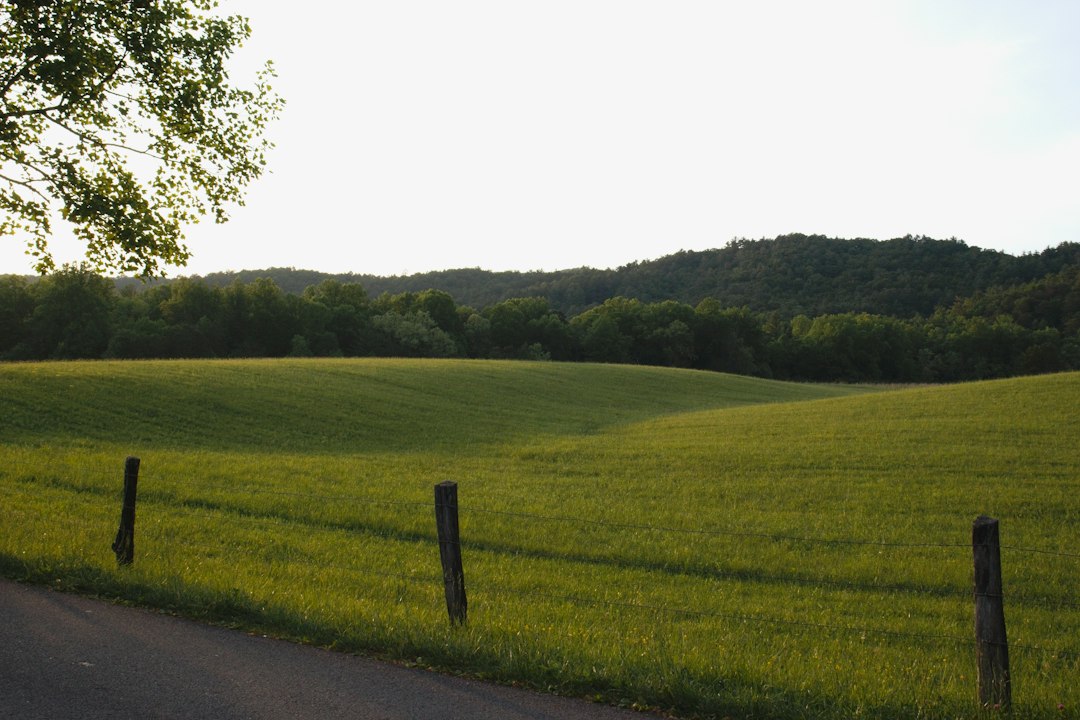
If outdoor living is an important reason for leaving Phoenix, tour the Tennessee exterior with the same care as the kitchen. Where does the sun fall in the afternoon? Is the porch positioned for the way you would use it? Can you reach a garden area without crossing a steep slope or a drainage swale? Trees, grass and creek frontage can photograph beautifully while requiring very different work. Do not assume a wooded lot is private year-round without visiting or examining the site.
Ask which parts of the yard the seller maintains and how. A large tract may include areas that are intentionally left natural. Check fencing condition and whether the boundaries are confirmed by a survey. If you plan to keep animals or build an outdoor structure, verify restrictions and utility needs rather than treating open space as implied permission. A smaller, accessible yard can be a better fit than extra acreage that serves no purpose.
Try to include one home that meets your indoor goals with a modest lot and one with substantially more land. The contrast can reveal whether you value the space itself or the idea of it. Use the ownership cost and a realistic weekly maintenance schedule to make the call.
For every finalist, ask whether the inspection and insurance results would change the intended budget. If the answer is yes, keep a written threshold for the additional cash you could use and a point at which you would walk away. This reduces the temptation to normalize a costly issue because you have already traveled to Tennessee. Have the inspector explain the severity and a specialist estimate significant work. The difference between a routine fix and a material property concern is important to both your offer and your long-term comfort.
Frequently Asked Questions
Will my Phoenix home sell for enough to buy more space in Tennessee?
That depends on your actual sale proceeds, financing and the Tennessee locations and property types you choose. Build a net sheet and compare live listings.
Should I use the maximum purchase amount in my preapproval?
No. Set a comfortable total monthly payment that includes taxes, insurance, HOA dues and a maintenance reserve.
Is a Tennessee yard easier to maintain than an Arizona yard?
It is different, not automatically easier. Consider mowing, trees, drainage, gutters and humidity alongside whatever care your current property requires.
Does every rural property allow a guest house or shop?
No. Verify the parcel's zoning, restrictions, access, utilities and septic capacity before relying on a proposed improvement.
Can I buy without visiting in person?
It can be possible, but live video and documents do not replace every observation. Arrange strong inspections, verify routes and utilities, and understand the limits before deciding remotely.
About Harley Pope
Harley Pope is a Middle Tennessee Realtor with Pope Real Estate Group at The Baker Brokerage. He works across Nashville, Dickson County, Maury County and nearby markets and helps relocating clients compare location, property utility and transaction timing. Victoria Pope works with Harley on the team. Their approach starts with what you want an ordinary week in your next home to look like, then tests actual homes against it.
If you're moving from the Phoenix area, Harley and Victoria Pope can build a Tennessee search around your sale plan, payment comfort and daily destinations. Contact Pope Real Estate Group at The Baker Brokerage for a current property comparison.