Buying a Home in Clarksville, TN: Prices, Neighborhoods and New Construction
Buying a home in Clarksville, TN, is an address-level choice. Established homes, newer subdivisions and properties beyond the city limits can differ in price, taxes, roads, utilities and the daily drive. Begin with your all-in payment and regular destinations, then compare actual houses with similar utility. The best-looking online listing may not be the best fit after a weekday route and a careful inspection.
Last updated: September 25, 2026. Prices and availability change; this guide explains how to evaluate current listings rather than giving a static market average.
Local perspective: Harley Pope is a lifelong Middle Tennessee local and a Realtor with Pope Real Estate Group at The Baker Brokerage. Harley and Victoria Pope help buyers connect a property's details to the life it will support.
Map Clarksville around your destinations
Clarksville is large enough that a citywide search can hide big differences in daily travel. Start with an exact work or regular destination, then add errands, appointments and other recurring trips. Draw a practical drive-time boundary at the hours you will use it. A home near a route you visit every day may be preferable to a similar house across town, even when both listings carry a Clarksville address. Road work, congestion and the last mile into a subdivision are best assessed in person.
If Fort Campbell is one of your destinations, test the specific gate and likely schedule rather than choosing a property from a general distance calculation. If Nashville is your recurring destination, make the drive on a representative workday and decide how often you can realistically make it. A buyer who works from home most days will value location differently from someone making that trip daily. Neither choice is inherently better; the cost is time and fuel as well as the mortgage.
Tour several physical settings. A house near downtown, one in an established neighborhood and one in a newer subdivision can tell you more than ten nearly identical showings. Notice sidewalks, lot shape, shade, parking, traffic flow and the places you would use weekly. The postal city does not settle whether a parcel is within city limits. Confirm that with public records when jurisdiction affects taxes, permits, utilities or your intended use.
Set a price range with the full payment
Begin with your comfort number, not a lender's maximum approval. Request a current Loan Estimate or detailed scenario that includes principal, interest, estimated taxes and insurance, mortgage insurance when applicable, HOA dues and the cash due at closing. The Consumer Financial Protection Bureau warns that principal and interest alone do not equal the total monthly payment. Compare the same loan assumptions across houses to make the price question meaningful.
Clarksville listings vary by size, condition, land and location. A citywide median or portal estimate will not tell you what a particular house is worth. For a target property, compare recent closed sales with similar property type, age, floor plan, condition and location, then account for meaningful differences. Active listings tell you your current alternatives, while closed sales offer evidence about what buyers actually paid. A price reduction can signal a change in seller strategy, but it does not prove a bargain.
Tennessee's residential property-tax assessment generally starts at 25 percent of appraised value before the local tax rate, according to the state comptroller. The rate and municipal jurisdiction matter. On new construction, a prior tax bill can reflect a lot without the completed home, so ask for an estimate based on the finished property. An older house may also be reassessed. Seek a property-specific insurance quote, especially when roof age, drainage or other conditions could change coverage.
Established houses: inspect the systems, not just the finishes
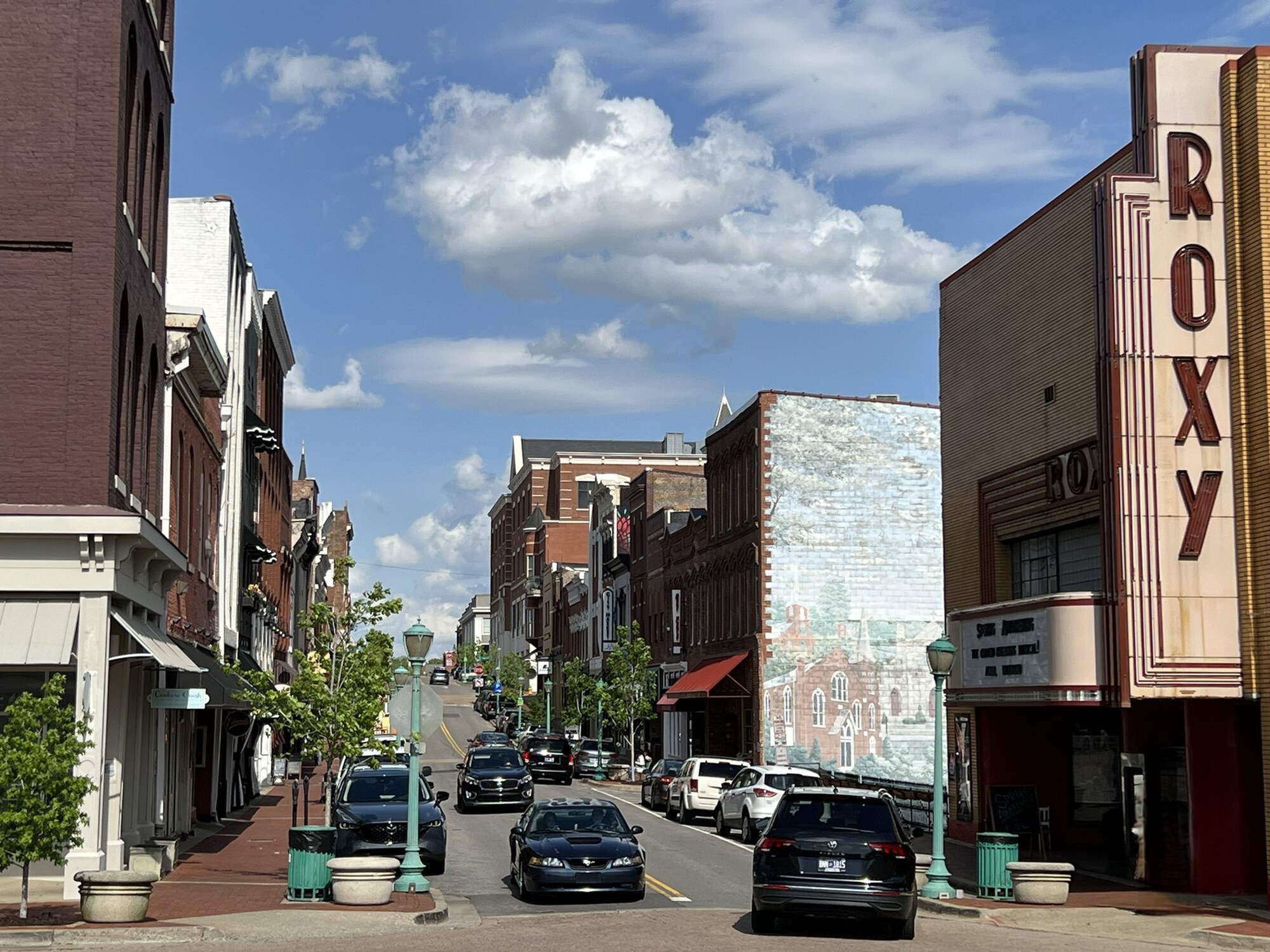
An existing Clarksville home may offer mature landscaping, a known street pattern and a floor plan that differs from new construction. Ask about roof and HVAC age, plumbing, windows, drainage, foundation history and any additions. A newly painted wall is not a replacement for checking moisture or permits. Compare completed repairs with documentation and give your inspector access to the areas that matter. If an outbuilding or converted room is central to your decision, verify its permitted status and practical utility.
Look at how the home fits your furniture and routine. Where does the morning traffic inside the house collect? Is there private work space if you need it? Does the garage fit your vehicles and storage? Check the lot's slope and the direction water runs after a storm. Inspect fences and retaining walls, which can carry meaningful cost. More square footage can conceal a layout with unused formal rooms and too little everyday storage.
An established HOA, when present, deserves its own review. Read the governing documents and budget, not merely the fee shown in a listing. Check exterior restrictions and responsibility for roads or shared amenities. If there is no HOA, that may mean fewer collective rules but more individual responsibility. Neither label is a substitute for reading the documents tied to the address.
New construction: identify the actual deal
New construction can offer a contemporary floor plan, newer systems and a builder warranty, yet a model home is a sales presentation. Establish the exact lot, elevation, floor plan, included finishes, appliance package, landscaping, fencing and estimated completion. Ask which choices still require an extra charge and whether an incentive depends on a designated lender or title company. Compare the incentive to the entire financing proposal, not to a headline credit.
Inspect the completed house, including a professional preclosing inspection if your contract allows. A warranty addresses only what its written terms cover and may require specific notice and deadlines. Ask about drainage, grading, the street and the condition of shared areas at closing. A house in a continuing phase may have nearby construction after you move in. If that affects your tolerance for noise or traffic, look at the phasing plan and ask what is actually approved.
Use the Clarksville-Montgomery County Regional Planning Commission's maps and zoning resources for land-use questions, and the city's Building & Codes department for city permit questions. A proposed commercial site or road shown on a plan is not a guaranteed future use or completion date. Interpret planning documents as context, then verify the status of a specific project with the responsible office. Avoid buying based on a rumor that a road or development will definitely be built.
Outside the city: land, access and utilities
Some Clarksville-area searches extend into unincorporated Montgomery County. Here, the parcel's legal access, wastewater, water supply and possible land uses deserve special attention. A wide-looking driveway is not necessarily a recorded easement. Ask for a survey or plat, title information and any road maintenance agreement. If you want to park equipment, keep animals or build a shop, confirm current rules and any deed restrictions before making an offer based on that plan.
For septic property, obtain records from the Tennessee Department of Environment and Conservation and ask what capacity the existing system was approved to serve. The agency provides a septic permit search and describes when modifications need approval. Don't assume a bonus room, additional bedroom or a new structure is automatically compatible with the system. Walk the lot to see where slopes, drainage and the disposal area may limit use. Arrange a qualified inspection when appropriate.
Internet is another parcel-specific issue. A coverage map can show service in a vicinity while the installation to a particular rural house is unavailable or costly. If connectivity is essential to work, verify the address with providers before you commit. Budget for utility connections, driveway care, fencing and land maintenance alongside the purchase. The cheaper house with extra acres may be the more expensive one to own.
Compare Clarksville with other Middle Tennessee searches
Clarksville and Nashville differ in size, location and housing mix. A buyer deciding between them should compare the commute and actual property options at one monthly payment. The same holds for Dickson, Spring Hill or Columbia. The goal is not to crown a universal winner on price per square foot. If your regular destination is in Nashville, a house that appears to offer more in Clarksville might cost too many hours every week. If your work and routines are based in Clarksville, paying for a different location may yield little benefit.
Our Clarksville versus Nashville and Dickson versus Clarksville comparisons set out useful starting questions. Use them to build a small shortlist, then pull current listings and verify each address. Compare floor-plan utility, condition, insurance, travel and neighborhood setting rather than relying on broad labels such as 'affordable' or 'up-and-coming.' Those words do not tell you whether a given house will meet your needs.
Make a strong offer without losing perspective
Before writing, review recent comparable sales and the seller's position. Ask how long the property has been available, whether terms changed and what similar alternatives exist. Price, financing, appraisal exposure, inspection protections, closing date and concessions all affect the offer. A seller credit toward closing costs can help a buyer with cash-to-close, but your lender must confirm program limits and the appraisal must support the deal. Compare the net effect of a credit with a price change using a lender's actual figures.
Keep time for due diligence. Request disclosures and documents early, get an insurance quote, arrange appropriate inspections and review title and survey matters. For new construction, check the purchase agreement's dates and remedies rather than assuming a standard resale timeline. For a house dependent on your current sale, coordinate both transactions. A clever offer that cannot close is not a strong offer.
After touring, apply the Tuesday Test. Picture a routine weekday: leaving the driveway, arriving at your destination, bringing groceries home and using the rooms you paid for. Record whether the property solves your most important constraints. Great homes make ordinary days better when the numbers and the practical details both work.
A second visit can change the ranking
If a house survives the first tour, return when you would normally be home. Listen from the yard and inside with the heating or cooling off briefly. Look at the driveway with the vehicles you will use and consider guest parking. Check the orientation of the living spaces if light matters to you. Make a second set of notes without referring to the listing photos. A home that still works after this visit deserves the next level of document and inspection review.
Plan for a property that needs work

If you are considering a house with deferred maintenance, distinguish work that must be completed for financing or insurance from work that can wait. Ask the lender and insurer about the specific condition, then get qualified estimates during your inspection period. A purchase that includes a repair project can make sense when the price, cash reserves and timeline support it. It becomes fragile if you need the seller, appraiser and contractor to solve several unknowns in the final week.
Keep the renovation scope tied to what the house needs. Cosmetic changes can be scheduled after you learn how you use the rooms. Water intrusion, electrical safety and structural concerns require earlier attention. If a seller offers money in place of a repair, ask whether your loan program permits the credit and whether you will have the funds, access and time to do the work. A credit is a financing term, not proof that the defect has been corrected.
Compare the repaired total with a house that is ready now. Include temporary housing, storage and your time if work prevents occupancy. A lower offer price on a challenging home is attractive only when the risk and the full project still fit your plan.
Pay attention to how a house will be resold only insofar as it affects your own risk, not as a promised investment result. A highly customized room, unusual access or unresolved permit question can complicate a future sale and your present financing. Ask whether the price reflects that limitation and whether you are comfortable owning it. A home can still be right for you when it differs from the typical comparable, but do not use optimistic resale assumptions to justify paying more than your current budget supports.
Frequently Asked Questions
Does a Clarksville mailing address mean city taxes apply?
Not necessarily. Confirm the parcel's jurisdiction and current tax information with the appropriate local records before estimating its payment.
Is a builder warranty a substitute for inspection?
No. Inspect the actual house and read the written warranty's scope, exclusions and deadlines.
How do I compare a seller credit with a lower price?
Ask your lender for side-by-side payment and cash-to-close calculations and make sure the financing program and appraisal can support the proposed terms.
Can I use a rural lot for another home or large shop?
That depends on the parcel's zoning, deed restrictions, access, utilities and septic capacity. Confirm the exact proposal with the relevant authorities.
What if I may commute to Nashville only some weeks?
Test the route and cost at your likely frequency, then decide how much drive time your household is willing to trade for the particular Clarksville property.
About Harley Pope
Harley Pope is a Middle Tennessee Realtor with Pope Real Estate Group at The Baker Brokerage. He and Victoria Pope help buyers consider Nashville, Dickson County and surrounding markets, including Clarksville-area options when a client's location and property goals call for them. Harley's focus is a grounded comparison of real homes, their transaction details and the ordinary life each one makes possible.
If you are comparing Clarksville properties, Harley and Victoria Pope can help you organize current listings, financing and due diligence into a decision you can defend. Contact Pope Real Estate Group at The Baker Brokerage with your payment range and the routes you expect to travel.