25 Questions About Buying Land and Acreage in Dickson County, TN
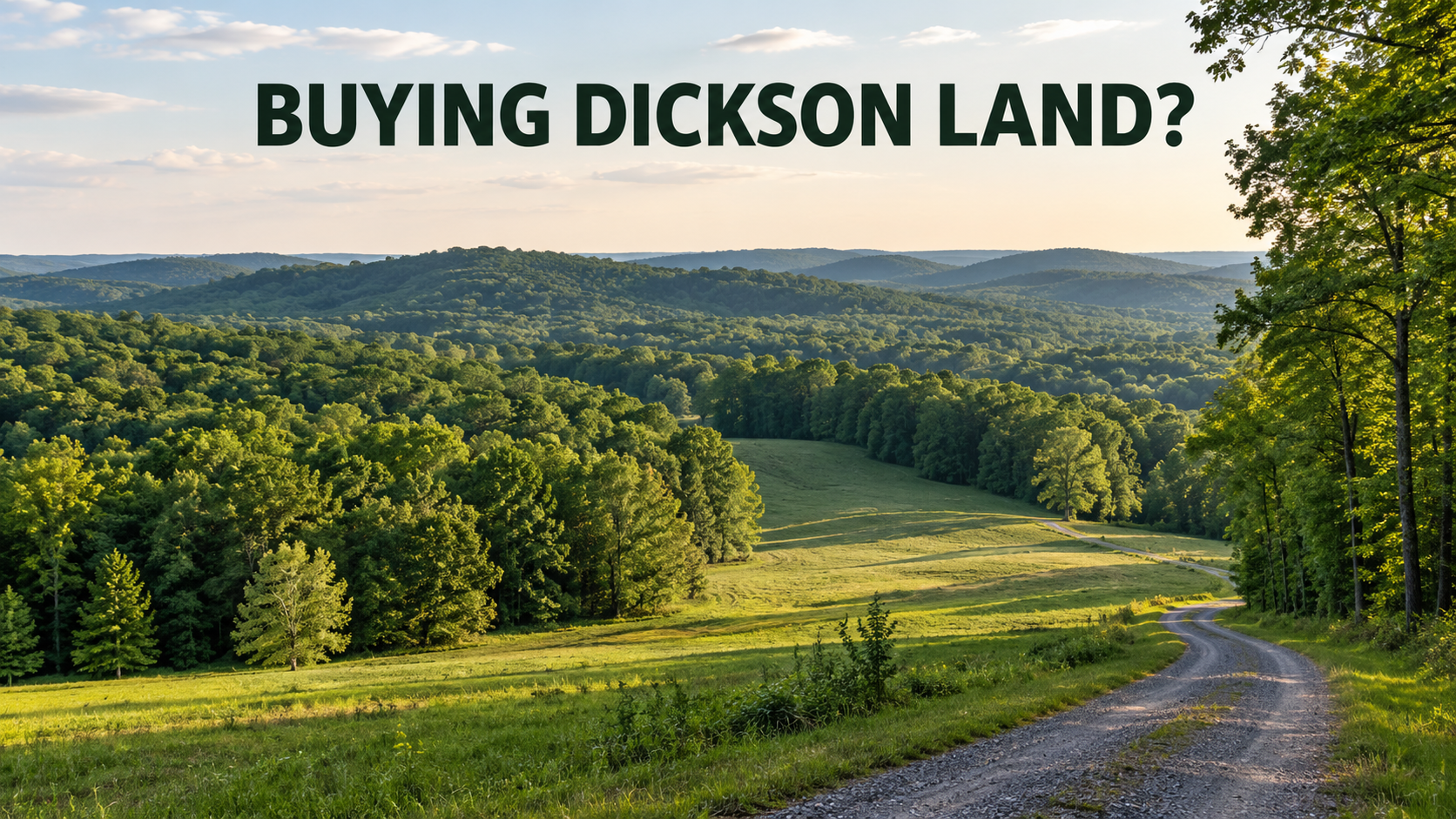
Buying land in Dickson County, TN takes more investigation than buying a house in a subdivision. Acreage, road frontage and a beautiful view do not by themselves establish that you can build the home you want. Confirm legal access, boundaries, permitted uses, utilities, septic or sewer options, drainage and the true cost of site work before making a final decision. These 25 questions show where to start.
Last updated: September 23, 2026. Rules and service availability are parcel-specific. This guide is a due-diligence framework, not a determination that any tract is buildable.
Local perspective: Harley Pope is a Middle Tennessee Realtor with Pope Real Estate Group at The Baker Brokerage. He helps buyers slow down long enough to test whether the land supports the home and everyday life they have in mind.
Buying Land in Dickson County, TN: Define Your Property
1. How many acres should I buy?
Start with how you will use the land. A yard for privacy, a garden, horses, a workshop and a future second building each require different usable areas and permissions. Five steep wooded acres can offer less practical space than a smaller cleared parcel. Ask where a home, driveway, septic area and reserve area could go before treating the gross acreage as your usable acreage. More land also means more fencing, mowing, drainage and tree work. The right number is tied to a site plan and a maintenance budget, not an acreage filter.
2. What is the difference between a Dickson address and Dickson County land?
Mailing address does not prove that a parcel is inside the City of Dickson. Some properties with a Dickson address sit outside municipal limits, and other county communities have their own settings and services. Verify the jurisdiction, zoning or land-use rules, tax districts and utility providers for the exact parcel. The Dickson County guide can help orient the search, while the assessor and planning offices answer property-specific questions. Do not assume an internet listing’s city field resolves boundaries or building rules.
3. Can I build a house on any parcel for sale?
No. A listing description or an earlier owner’s intention is not approval. Building depends on legal access, applicable land-use restrictions, setbacks, utilities, wastewater solution, site conditions and required permits. Ask the seller for existing permits and surveys, then verify them with the agencies that issued them. If you need a specific home size or accessory structure, bring a preliminary site plan to qualified professionals and relevant offices. Write a contract with enough time and appropriate rights to investigate these matters before you are committed.
4. What does “perk approved” mean?
Ask for the actual document, approval date, location and any limits rather than relying on that phrase. Soil evaluation and septic design can depend on the exact proposed homesite and system capacity. The Tennessee Department of Environment and Conservation describes permits for septic construction, and its process includes site-specific review. A prior test does not automatically authorize any house, bedroom count or placement you choose. Have the relevant department or a qualified soil professional confirm what the records actually support.
5. Do I need a reserve septic area?
That question belongs in the parcel’s wastewater review. A site may need room for the initial system and a replacement or repair area, which can affect where you place a house, pool, driveway or future building. Do not design the whole lot around the best view before locating these areas. Request existing soil maps, permits and any recorded restrictions; then ask the permitting authority what remains valid. If the parcel has an existing system, learn its permitted capacity and service history. A buyer’s contractor can estimate installation, but the permit sets important limits.
6. What if the parcel has public sewer nearby?
“Nearby” is not the same as a right and practical ability to connect. Ask the provider whether service reaches the parcel, whether capacity is available, what easements or extensions are needed and what connection and construction charges apply. A road crossing or long run can change the budget. Obtain a written answer tied to the parcel before waiving a due-diligence condition. If public sewer is unavailable, investigate the approved septic option instead of assuming a future extension. The same principle applies to water, power, natural gas and broadband.
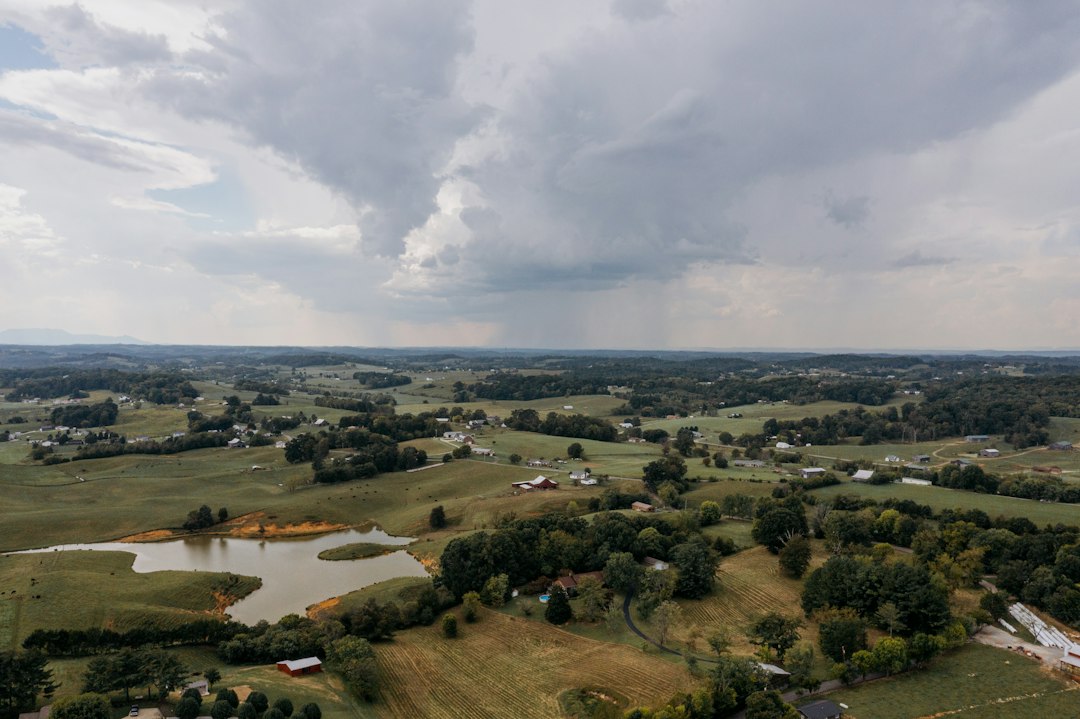
Photo: Alex Reynolds / Unsplash.
Access, Boundaries and Restrictions
7. Does road frontage guarantee legal access?
No. Frontage is one fact; the legal right and practical route to build a driveway are separate. Review the deed, recorded easements, road status, access requirements and any driveway permit process. If access crosses someone else’s land, a visible path is not enough. Have the title professional and, if necessary, an attorney review the recorded instrument. Consider slope, culverts and sight distance with the appropriate road authority. A parcel with attractive acreage can still be difficult or expensive to enter safely and legally.
8. Should I order a survey?
A current survey is often one of the most useful purchases in a land transaction. It can locate boundaries, improvements, easements and encroachments, subject to its scope. Old fence lines and online parcel maps are not reliable substitutes for a surveyor’s work. Ask the title company what survey exception the policy will contain and whether a new survey can address it. If you intend to build near a boundary or divide the land, tell the surveyor so the product fits that purpose. Confirm who pays and allow time for the work in the contract.
9. Can I divide the land later?
Maybe, but do not price the property on that assumption. Minimum lot requirements, access, road frontage, utility capacity, soils, septic evaluation and subdivision approval can all matter. Tennessee’s septic services guidance notes that subdivision evaluation can be required when a tract is divided into multiple sites for construction served by septic. Discuss your plan with the local planning office and the wastewater authority before making an offer based on resale lots.
10. What are deed restrictions and easements?
A deed restriction can limit how land is used; an easement grants a defined right to another party, often for access or utilities. Their effect depends on the actual recorded language. Ask the title company to identify exceptions and request copies rather than accepting a short verbal summary. A power-line easement may change where a structure can go. A shared-drive agreement may allocate maintenance. A neighbor’s informal use may raise a different question. If any restriction affects your intended use, ask a Tennessee real estate attorney for an interpretation before the contingency expires.
11. Can I have animals, a barn or a second home?
Verify each proposed use independently. A parcel’s acreage does not override zoning, deed restrictions, HOA rules, health permits or building standards. Ask whether the structure is a dwelling, an agricultural building or an accessory structure under applicable rules, and whether separate wastewater capacity is needed. Insurance and financing may also differ. If your plan includes a guest house or future apartment, avoid marketing phrases that imply legal living space until permits and utility capacity are confirmed. Be specific with officials about what you intend to build and use.
Water, Drainage and Physical Conditions
12. How do I check flood risk?
Start with the official FEMA Flood Map Service Center for the parcel, then ask an insurer, surveyor or engineer about conditions that a map may not resolve. A parcel can have a buildable upland area and a flood-prone low area; the entire acreage should not be described with one simple label. Look for streams, drainage paths and evidence of standing water during a site visit, ideally after rain. The lender may require flood insurance for a building in a designated area, while other site conditions can still create risk outside a mapped zone.
13. How much will a driveway cost?
It depends on length, slope, ground conditions, drainage, culverts, surfacing and the point of access. A cheap-looking tract far from a road can require major work before construction begins. Ask a qualified contractor for a site-specific estimate and verify any entrance permit requirements. Include an allowance for ongoing maintenance of a gravel drive and stormwater issues. If heavy construction vehicles must use a shared lane, read the access agreement and discuss damage responsibility. The driveway is part of the housing budget, not a detail to solve after closing.
14. What should I look for during a land walk?
Walk beyond the first pretty clearing if access is lawful and conditions are safe. Look at slopes, wet areas, dump sites, neighboring uses visible from the tract, possible homesites, power lines, fencing and road noise. Bring a map and mark what you actually saw without assuming the fence is the boundary. Visit at different times if the location matters to your routine. The Tuesday Test works for land too: imagine bringing groceries home after rain and reaching the future driveway, then maintaining the acreage on an ordinary weekend. Beauty and usability should both be part of the choice.
15. Can an aerial photo tell me the property lines?
It can help orient the site, but aerial overlays are approximate and may be outdated. Do not place a building, cut trees or tell a neighbor where the line sits based solely on an app. Compare the legal description and survey with a physical visit. A listing’s drone image should not draw a precise boundary unless it is carefully supported and labeled. Tree canopy can hide creeks, steep grades and existing improvements, so pair aerial views with ground-level inspection and records.
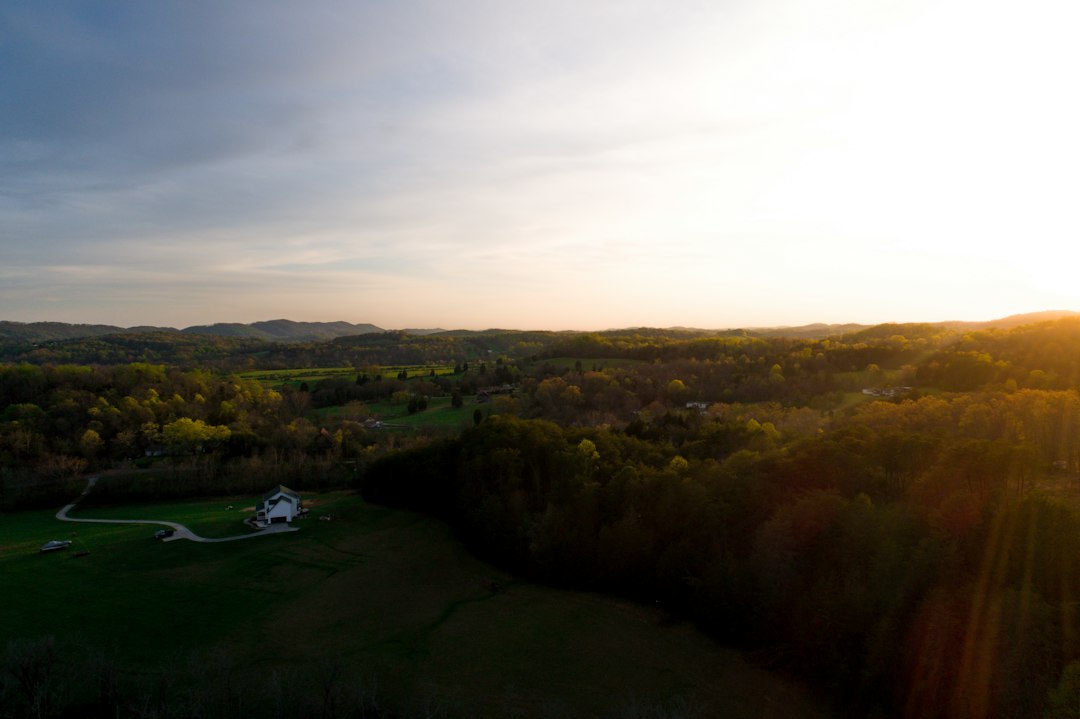
Photo: Nathan Anderson / Unsplash.
Financing and the Real Cost of Construction
16. Can I finance raw land like a house?
Land loans and construction financing often differ from a standard existing-home mortgage in down payment, rate, term, appraisal and lender requirements. Ask a lender who regularly handles the kind of land you are considering before making an offer. The financing may depend on road access, utilities, a build plan and the property’s intended use. If you plan to build later, understand the carrying cost of owning land while also paying for your current home. A lower purchase price does not necessarily make the overall project easier to finance.
17. What should my total land budget include?
List purchase price, closing costs, survey, title review, soil work, septic or sewer connection, water, electric, driveway, clearing, grading, drainage, permits, plans, builder costs and a contingency. Some items will be unknown until tests are completed. Get site-specific estimates before deciding how much of your total budget can go toward the dirt. A tract that costs less upfront can become the expensive option if the buildable area is far from utilities or requires major earthwork. Keep a reserve so one surprise does not make the project impossible.
18. Should I choose a builder before buying?
At least consult one early. A builder can flag access, grade, utility and design issues that a buyer or agent may not recognize. Bring the intended floor plan and budget, not just a photo of a dream house. Ask what site work is included in a rough price and what remains an allowance. A builder’s informal opinion is not a permit or engineering report, but it can direct more focused due diligence. If you have a custom plan, make the purchase contract’s investigation period long enough to get useful input.
19. How do I compare land with an existing home on acreage?
Compare the full project cost and the time until you can live there. An existing home may have a workable driveway, utilities and septic already in place, though those systems still need inspection and records. Raw land gives more design control but adds planning, permits, construction financing and cost uncertainty. Search both options in relevant areas, including Charlotte, Burns and White Bluff where the specific parcel and daily route fit. The Charlotte home-buying guide discusses one rural search context.
20. What should the purchase contract protect?
Ask your agent and attorney about a due-diligence period and terms suited to survey, title, access, wastewater, utilities, financing and intended use. Confirm what inspections are permitted, when objections or termination notices must be delivered, and how earnest money is handled. “Buyer to verify” in a listing is a reminder, not a substitute for workable contract rights. Do not rely on a verbal extension. Put material expectations in the written agreement and calendar every deadline as soon as the contract is signed.
Frequently Asked Questions
Is a listing marked “unrestricted” truly unrestricted?
Do not rely on the label. Ask for title documents and verify zoning, recorded covenants, easements and applicable permits. A property can lack an HOA and still have use limitations. Describe your actual plan to the relevant offices before closing.
Can I put a manufactured home on the land?
Maybe. Check local land-use rules, recorded restrictions, foundation and installation requirements, utility and septic capacity, and your lender’s conditions. Get answers for the specific parcel and home type rather than assuming acreage alone permits it.
How do I find the utility providers?
Ask the seller and neighbors as a start, then call the providers with the parcel number or exact address. Obtain written availability, capacity and connection estimates. “Power at the road” does not quote the price of bringing service to your planned homesite.
Should I make an offer before a soil test is complete?
You may, if the written contract gives you sufficient rights and time to evaluate the wastewater solution you need. Discuss the risk with your agent and the appropriate professionals. Do not waive the investigation solely because another buyer is interested.
Can I use the existing well or septic permit for a new house?
Not without verification. Check the permit’s location, capacity, conditions and status with the issuing authority. Test an existing well and inspect an existing septic system as appropriate. Your planned house may require a different design or approval.
About Harley Pope
Harley Pope is a Middle Tennessee Realtor with Pope Real Estate Group at The Baker Brokerage. He helps buyers evaluate homes, land and acreage in Dickson County and surrounding communities. Harley’s role is to organize the property search, identify questions and coordinate the right specialists; surveyors, engineers, permitting offices, lenders and attorneys answer the technical and legal questions within their work. Harley and Victoria Pope can help you compare a promising tract with existing homes that meet the same goal.
Thinking about buying land in Dickson County? Contact Harley and Victoria Pope with the parcel and what you hope to build. Call or text Harley at 931-629-4836. Pope Real Estate Group at The Baker Brokerage, 615-878-0362.