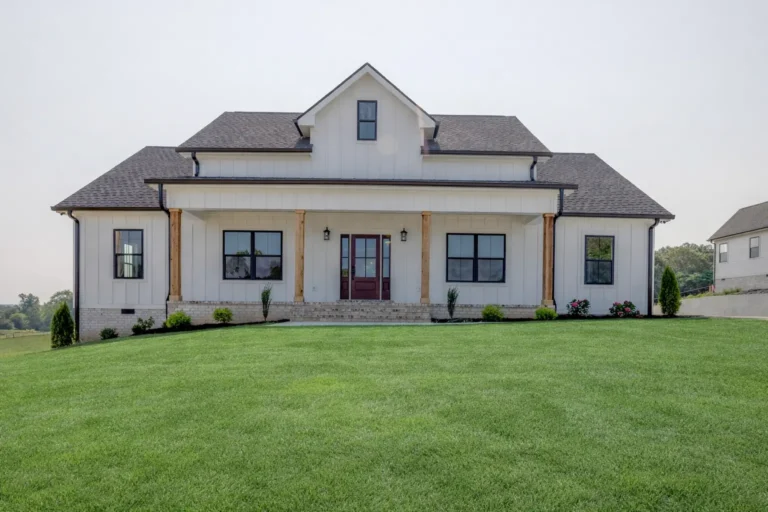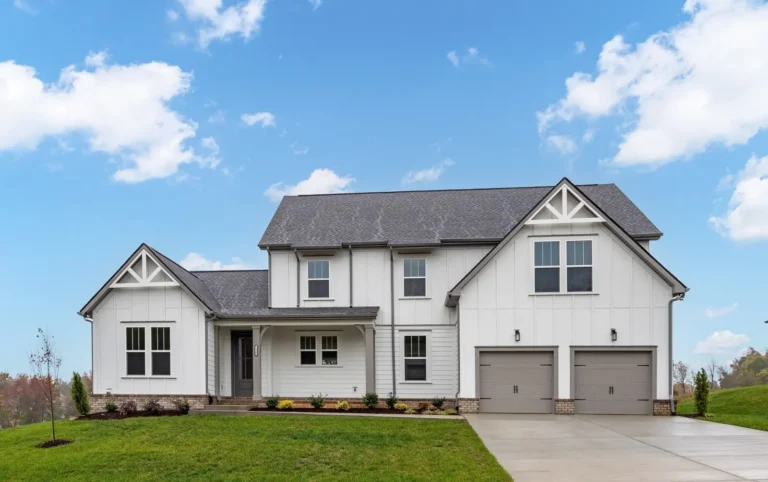
Fairview Neighborhoods: Comparing Price Ranges, Commutes, Lots and Home Styles

Fairview neighborhoods should be compared by the home you can buy, the lot you can use, and the routes you will travel. New construction, established homes, and wooded properties create different price and ownership tradeoffs. Begin with a comfortable total budget, then compare actual addresses instead of assuming every Fairview home provides the same Williamson County experience.
Last updated: October 9, 2026
I’m Harley Pope, a lifelong Middle Tennessee local and Realtor with Pope Real Estate Group at The Baker Brokerage. This guide helps buyers organize a Fairview search by location, home style, lot utility, and price comparison. It does not present an unsourced neighborhood price chart or treat an advertised builder price as a complete purchase package.
Understand Fairview’s position within Williamson County
Fairview is on the western side of Williamson County, a location confirmed by the city’s official website. That is a different starting point from a home in Franklin or Brentwood, even though all three appear in a Williamson County search.
Start with where you need to go. A west-side Nashville work location, a Cool Springs office, and a recurring destination in Dickson can lead to different preferences within the same general region. Test the entire route from the property rather than comparing straight-line distances or assigning convenience to the county name.
Our Fairview community guide provides the broader orientation. Use the Williamson County guide when you need to compare Fairview with other parts of the county. The purpose is to understand the geography before letting a house photograph determine the search.
A good initial shortlist should reflect the side of the region you actually use. A beautiful home can still be a poor fit if your regular destinations repeatedly pull you in the opposite direction.
Fairview neighborhoods: separate the housing choices
Compare established homes, newer subdivision properties, and homes with more land as distinct options. Age and neighborhood name can help organize the search, but neither tells you enough about an individual purchase.
An established house may offer a layout or lot you prefer, with an inspection and repair plan that needs careful attention. A newer subdivision home may offer selected finishes and a more defined community setting, with association rules and ongoing construction to investigate. A wooded property may provide a different outdoor experience while creating more questions about grade, drainage, and maintenance.
Tour examples that make those tradeoffs visible. If you only tour similar houses, it is harder to decide whether your priority is interior space, outdoor use, a particular location, or fewer maintenance tasks.
The Fairview homebuying guide covers the broader process. This neighborhood comparison should help you identify which properties justify that deeper review.
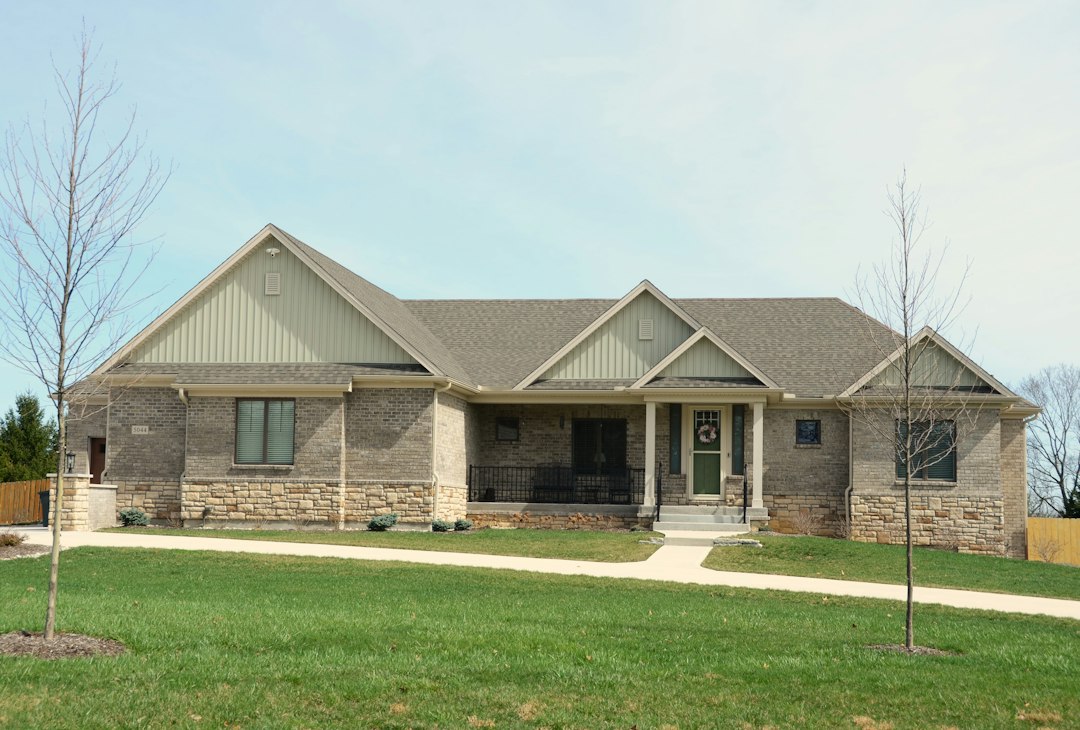
Use community names as research leads, not conclusions
A named development can help you locate records and available homes. It should not replace a review of the specific phase, lot, and contract.
For example, M/I Homes identifies Otter Creek in Fairview as a new-home community. Use the builder’s current information to begin questions about the exact home offered, included features, lot, completion, and financing conditions. Verify current availability directly; community marketing changes.
Fairview’s planning records also contain development names such as Goodwin Farms and Brush Creek. An older agenda is useful for locating a project and its history, but an agenda entry alone does not establish what is approved, completed, or for sale today. Ask the planning office for the current status of any adjacent phase or proposed use that affects your decision.
This distinction matters when a home backs to open land or a sales presentation describes a future amenity. Compare the property with what exists now, then investigate what has been formally documented for later. The purchase should not depend on an assumption that every illustrated feature will be delivered on your schedule.
Compare price ranges using homes you could actually buy
The useful price range is the set of complete properties available within your comfortable budget, supported by comparable sales. A city-wide range can combine homes with very different size, age, land, and condition.
Build the comparison from three groups: current alternatives you would seriously consider, recent sales that help explain value, and properties requiring a different level of repair or completion. Keep those groups distinct. An asking price shows a seller’s position; a closed sale shows a completed transaction with its own terms.
For a newer home, include the final lot and feature package. For an established home, include the work needed to reach an acceptable condition for your use. A lower purchase price may remain the better value, or it may become less attractive after repairs. Estimates help determine which explanation applies.
Avoid treating price per square foot as the final answer. A less useful floor plan, additional unfinished work, or difficult terrain can change the comparison. Ask what the extra dollars buy and whether those benefits matter to you.
Read a wooded lot from the ground, not only the aerial photo
Wooded acreage and usable yard space are different things. Decide where you would spend time and what you would maintain.
Walk the area around the home, with permission, and examine how the land connects to the living spaces. A rear deck may look out onto trees while the level ground you need is somewhere else. A steep driveway may be acceptable to one buyer and inconvenient to another. Think about everyday movement, deliveries, and outdoor projects.
Review drainage and tree condition. Ask how water moves away from the home and whether significant landscape or drainage work has been performed. Trees near structures may need professional evaluation; their shade is only one part of the ownership picture.
If a garage, pool, garden, or outbuilding is important, identify a plausible location and investigate the applicable constraints. Setbacks, easements, utilities, wastewater areas, and recorded restrictions can affect the plan. Do not assign the value of a future project until its feasibility is understood.
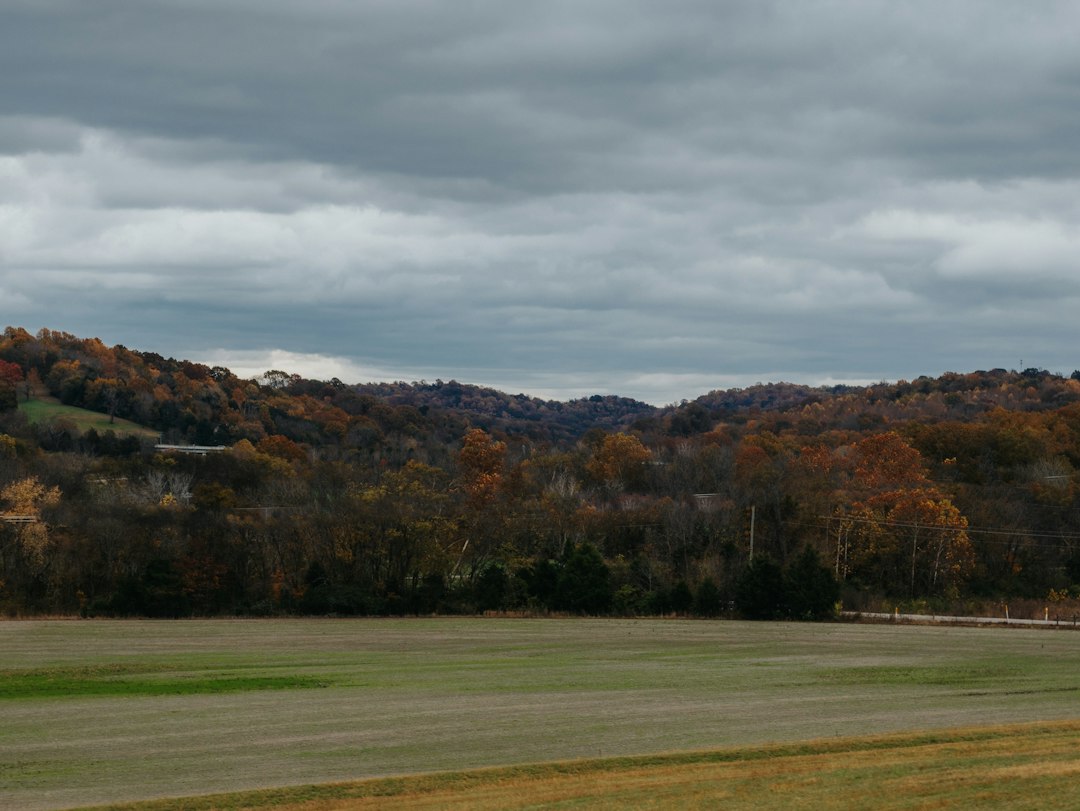
Bowie Nature Park is a destination to test, not a lifestyle promise
Fairview’s Bowie Nature Park is a concrete place to include in a scouting visit if outdoor recreation is part of your routine. The park’s official information provides maps, access guidance, and current visitor details.
Use the destination to evaluate the home, rather than assuming every Fairview address gives you the same connection. Drive to the entrance you would use. If walking or cycling there is important, examine the complete route and current conditions instead of relying on proximity alone.
Then compare public recreation with private yard ownership. Some buyers would rather maintain a modest lot and use nearby public outdoor space. Others want room for a specific activity at home. Those are different preferences, and neither requires a judgment about the people who choose the other option.
A visit should also reflect the seasons. A trail outing during pleasant weather does not establish how you will use the area throughout the year. Ask what belongs in your ordinary week and what is more likely to remain an occasional activity.
Evaluate the commute by route and schedule
Fairview’s location should be tested against your actual workday. Avoid relying on a single travel time quoted for the whole city.
Compare the trip from the house to the main road, the route to your destination, parking, and the afternoon return. Use TDOT SmartWay for current road and traffic context. Conditions can change, so treat a test drive as evidence about one trip rather than a guarantee.
If a home is appealing mainly because it provides more space, decide how much additional travel you are comfortable accepting for that space. Write down the weekly effect, not just the one-way difference. A recurring inconvenience can matter more than an extra room you use occasionally.
For remote work, verify the internet connection and required office attendance. If a flexible schedule is essential to making the location work, confirm it before buying. The property should fit an arrangement you can rely on, not an optimistic assumption.
Check services, jurisdiction, and the school address directly
Address-level verification is essential when municipal boundaries, utilities, and school assignment affect your decision. Do not infer these details from a neighborhood’s advertising.
The Fairview Planning and Codes Department maintains development and land-use records for the city. Confirm the relevant jurisdiction and ask the appropriate office about the property and any intended changes.
Verify sewer or septic, water service, internet, and waste collection. If the property has a septic system, request records and qualified evaluation. Additional land or an extra room in the floor plan does not automatically establish capacity for a future change.
When school assignment matters, contact the district with the exact address and intended enrollment timing. Review the factors important to your household using current district information. Avoid assuming a Fairview or Williamson County address guarantees a particular school or that a prior listing remains accurate.
Use nearby options to explain the tradeoffs
Compare other communities when they improve a specific part of your search. Keep the house, budget, and daily route comparable enough to learn something useful.
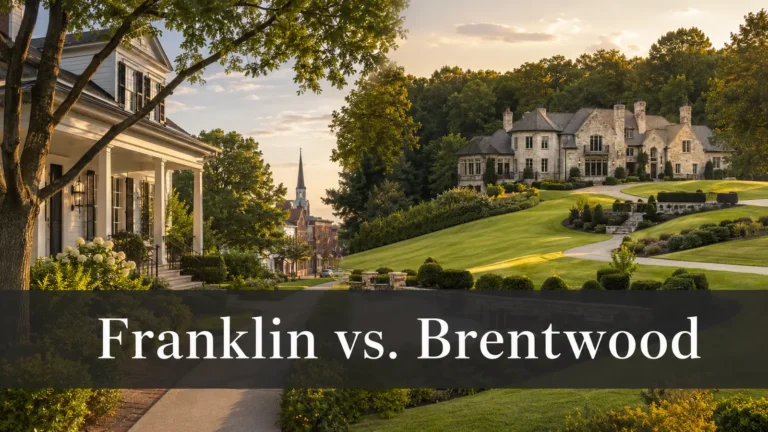
Franklin may be a useful comparison when your regular destinations pull you farther east within Williamson County. The Fairview and Franklin guide helps organize location and property tradeoffs without assuming the same answer fits every buyer.
White Bluff and Burns can be relevant when your search extends toward Dickson County. Compare their actual properties and routes, rather than treating them as substitutes based only on distance.
For a broader contrast, the Fairview and White Bluff comparison can help you identify which questions need a tour and which can be resolved through records before you visit.
Make the final decision with a short comparison sheet
A compact written comparison can expose the differences that are easy to forget after several showings. Use the same criteria for every finalist.
Record the exact property, usable living area, layout strengths, usable outdoor space, immediate work, recurring costs, and tested routes. Add a separate line for unresolved items such as association documents, a drainage estimate, or approval for an outbuilding. Unresolved should remain unresolved until you have evidence.
Then use the Tuesday Test: imagine the complete ordinary day at each home. Include leaving for work, returning with groceries, using the outdoor area, and handling routine maintenance. Choose the compromises you can live with, then build the offer and investigation plan around the specific property.
Frequently Asked Questions
Is Fairview equivalent to Franklin because both are in Williamson County?
No. Their locations and individual properties create different routes and ownership choices. Compare the destinations you use, the home and lot, and total costs. County membership alone does not establish that two homes provide the same daily experience.
Should I use a builder’s base price as my Fairview budget?
Use the complete price of the specific home, including the lot and selected features. Clarify what remains to be added after closing and the conditions attached to incentives. Compare that package with completed alternatives before deciding what is affordable.
How can I check what may be built behind a home?
Identify the adjacent parcel and ask the appropriate planning office for current records. Distinguish a proposal from an approval and an approval from completed construction. An older agenda or marketing illustration should not be treated as a current promise.
Is a wooded lot harder to own than a subdivision lot?
It depends on the terrain, trees, access, drainage, and the work you intend to do. Compare specific maintenance tasks and costs. A wooded lot may suit your priorities well, but its acreage should not be confused with readily usable yard space.
What should I do before choosing a Fairview neighborhood?
Set a comfortable total budget, verify work destinations, and compare representative homes. Test the routes, investigate services and restrictions, and identify the lot features you actually need. That gives the neighborhood choice a practical basis beyond its name.
About Harley Pope
Harley Pope is a lifelong Middle Tennessee local and Realtor with Pope Real Estate Group at The Baker Brokerage. He helps buyers and sellers compare homes across Dickson County, Nashville, Maury County, and surrounding Middle Tennessee communities, including Fairview. His approach connects price, property condition, location, and ownership responsibilities so clients can evaluate the full decision.
Ready to compare Fairview with nearby choices? Contact Harley and Victoria Pope at Pope Real Estate Group at The Baker Brokerage with your budget, work location, and preferred home and lot features.