
Selling a Home in Dickson, TN: Pricing, Preparation, Marketing and Seller Costs

Selling a home in Dickson, TN starts with a price grounded in comparable sales, a realistic preparation plan, clear marketing and a seller net estimate. The right strategy depends on whether your house is near town, in a subdivision, on acreage or has a feature buyers may value differently. Start with the homes a buyer can choose today, then work backward from your goals and likely costs.
Last updated: September 29, 2026. Market examples should be refreshed against active, pending and closed Realtracs listings before a specific home is priced.
Local perspective: Harley Pope is a lifelong Middle Tennessee local and a Realtor with Pope Real Estate Group at The Baker Brokerage. Harley and Victoria Pope work with sellers across Dickson County and the surrounding Middle Tennessee market.
Start with your actual next move
Before talking about a list price, decide what the sale must accomplish. Is there a minimum net amount needed for the next purchase? Do you need time after closing to move? Would you rather accept a longer marketing period than make a certain repair? A seller with a firm move date may choose a different launch price and offer structure from one who can wait. The answer also shapes whether to sell first, buy first or negotiate a closing date that links the transactions.
Write down the mortgage payoff, any home equity loan, likely repair budget and the cash you want available after closing. If you are purchasing another home, ask a lender to model both the purchase before the sale and the purchase after it. A contract on your current house does not necessarily mean proceeds are immediately available. If timing is tight, make a calendar for photography, launch, showings, offer review, inspections, appraisal, title work and closing. Every part of that calendar can change, so leave room for a delay.
Our Dickson area guide helps you think about location and nearby choices, while the Dickson County guide provides broader context if your property is outside city limits. An address with a Dickson mailing label may have a different tax, utility or zoning situation than a home inside town. Verify those details at the parcel level before they appear in the listing.
Price against the buyer’s alternatives, not your target proceeds
A useful comparative market analysis begins with recent closed sales that resemble the subject in location, living area, age, condition, lot utility and property type. Pending homes show where buyers recently acted, though the contract price may not be known. Active listings show immediate competition. An expired or withdrawn listing can reveal a price the market did not accept, but it does not prove the home was overpriced by itself. Presentation, access, condition and timing matter too.
In Dickson, a three-bedroom home near everyday services and a house on several acres can attract overlapping but different buyers. Do not take a countywide median and apply it to either property. Compare the usable interior, actual bedroom count, garage, outdoor space, updates and commute routes. For a sparse rural segment, expand the search carefully to nearby locations or a modest square-footage and bedroom range, then explain the adjustments. A sale across the county with a very different property may be background, not a primary comparable.
I like to show sellers three possible positions: a price at the upper edge of support that may take patience, a price centered on the best evidence, and a sharper price meant to compete strongly with current alternatives. The lowest is not automatically best and the highest is not free. If the home launches above where buyers see value, it may spend its strongest exposure period answering why it has not sold. A later reduction can help, but it cannot replay the first week. The choice should be made with your timing and minimum acceptable net in view.
Ask for a written explanation of each adjustment and a fresh search just before launch. If three similar homes enter the market or a close competitor goes under contract, the conversation changes. These Dickson seller questions cover many of the decisions that arise once pricing begins, and our home-value guide explains why a portal estimate needs a property-specific check.
Prepare what buyers will notice and inspectors will test
Preparation is a short list of high-impact work, not a mandate to remodel. Walk the property as a buyer would, beginning at the driveway. Address obvious moisture, leaks, damaged surfaces, missing handrails, nonworking lights and doors that do not close properly. Clean windows, trim vegetation that hides the house and make each room’s function easy to understand. Photograph after the work, not before. If a substantial project is being considered, compare its actual cost and schedule with the likely difference in sale proceeds rather than assuming it will pay for itself.
The inspection-sensitive items deserve early attention. Consider a prelisting contractor visit for a known issue and gather permits, warranties, age of roof and major systems, service records, surveys and any septic information you have. Tennessee’s septic guidance explains that records can be searched and that new construction, repair or modification needs permitting. A seller should not imply that an existing system supports an extra bedroom or future building simply because there appears to be room on the land. Confirm what the records actually say.
If the property is on a private road, has an easement, boundary question or an outbuilding without clear documentation, surface that before marketing promises are written. An older survey is useful context but may not settle a current boundary or improvement question. A title company, surveyor or appropriate official can identify what needs further work. For disclosure questions, complete the forms truthfully and ask the appropriate professional about an issue you do not understand. A fresh coat of paint is no substitute for a clear answer about water intrusion or a repair history.
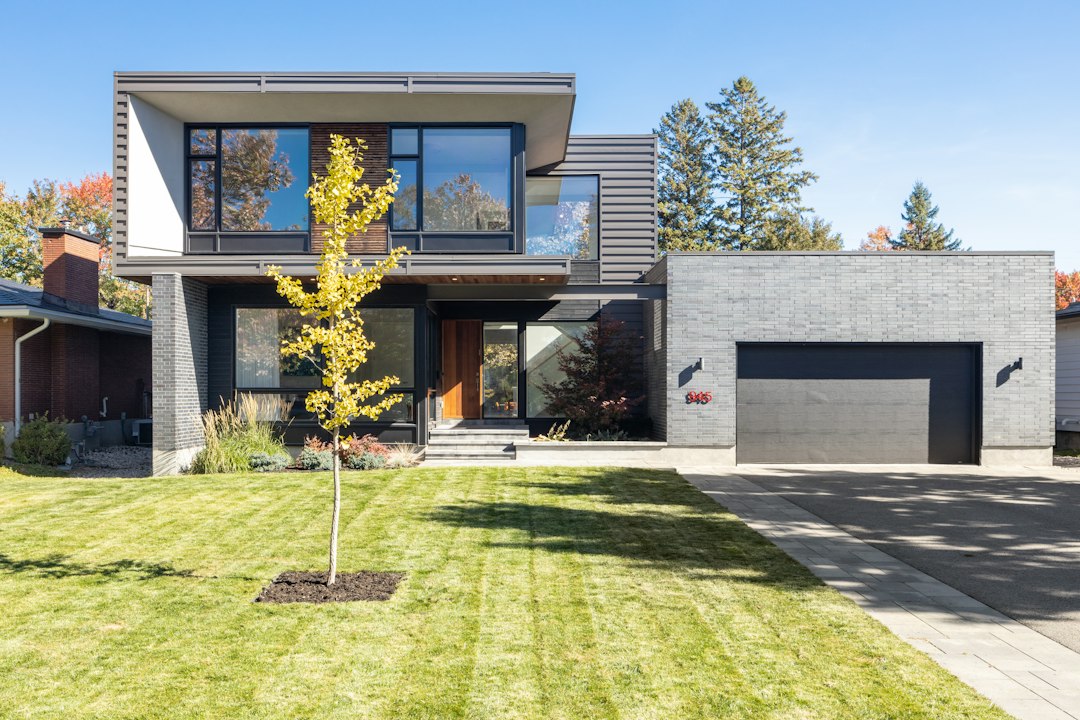
Build a listing that answers questions before the showing
The marketing package should show the home accurately. Professional photographs need a sensible order: exterior and approach, main living areas, kitchen, bedrooms, bathrooms, useful outdoor space and the features that distinguish the property. A floor plan can help buyers understand flow and room relationships. If acreage, a shop or a second structure is a selling point, show it and describe its utility precisely. Do not imply that land is buildable or that a room is legally a bedroom without documentation.
Public remarks should make the property understandable without inflated claims. The location, living area, layout, parking, lot, major updates and relevant systems are more useful than a string of adjectives. If a road, nearby rail line, slope or limited parking will matter to a buyer, accurate photography and showing access help them evaluate it. Misleading images may create clicks but waste showings and trust. Likewise, the selected lead photo should be the strongest truthful view of the house, not a virtual promise of a renovation.
Exposure should reach buyers who are actively searching and the agents representing them. Realtracs data, syndication, the listing’s website presentation, social video, targeted outreach and an open house may each play a role, but the plan should fit the property. A short video can show how rooms connect and what the lot feels like. It cannot replace clear measurements and verified facts. We check that the address, price, status, photo order, showing instructions and agent contact information are consistent wherever the listing appears.
Our guide to choosing a Dickson Realtor gives you questions to ask about pricing evidence, communication and marketing rather than assuming every plan is the same.
Make showings workable without losing control
Showing access affects the number of buyers who can actually see a home. Discuss notice requirements, pets, work schedules, alarms, gates and any spaces that need special access before the listing goes live. A flexible window can help, but a seller’s privacy and practical limits still matter. Keep valuables and medications secure, and decide how to handle cameras and recording devices under applicable rules. If the home is occupied, prepare a simple routine so it can be ready without treating every day as a staged open house.
Gather feedback, but do not turn one visitor’s opinion into a price reduction. Look for repeated objections and compare them with the current competition and activity. If buyers love the layout but question an apparent roof issue, obtain a factual answer. If showings are scarce relative to comparable homes, revisit photos, access, condition and price in that order. If showings are strong but offers are not coming, investigate the gap between online appeal and in-person experience.
In the first weeks, watch new listings, pending contracts, closed sales and price changes. A weekly update should say what changed and what action follows, even when the best action is to hold. A vacant house can have different carrying costs from an occupied one, so include utilities, insurance and maintenance in any decision to wait.

Compare the whole offer and your likely net
The highest price is not always the strongest offer. Put each proposal on one sheet: price, earnest money, financing, appraisal terms, inspection rights, requested concessions, buyer-agent compensation if any, closing date, possession and contingencies. Review the lender letter or proof of funds and ask what has actually been verified. Cash does not remove every contingency, and a larger earnest-money amount is useful only under the contract terms that govern it.
A seller net estimate should begin with the proposed sale price and subtract mortgage payoff, negotiated compensation, seller concessions, title and settlement charges assigned to the seller, applicable taxes or prorations and agreed repair costs. Do not use one fixed percentage as a substitute for a title company’s estimate. Tennessee’s Department of Revenue lists the state realty transfer tax at $0.37 per $100 of the relevant value, but who pays particular items in your transaction depends on the agreement and local closing details. Ask the title company to confirm the exact figures.
An offer at $400,000 with a substantial credit, a low appraisal risk and an uncertain sale contingency can differ materially from a slightly lower offer with cleaner financing and timing. Sometimes a counteroffer changes the credit or closing date rather than the headline price. Determine what matters most to you before responding. Negotiations may also continue after inspection and appraisal, so preserve a sensible repair and concession reserve.
Navigate inspection, appraisal and closing deliberately
After acceptance, put every contractual deadline on a shared calendar. Make sure earnest money is delivered as required, provide agreed access and respond to requests in writing. An inspection report is a list of findings for the buyer, not an automatic repair order. The parties can negotiate repairs, a credit, a price change or no change, subject to the contract. Get contractor input on expensive items rather than guessing at a cost from a photograph in the report.
The appraisal is a separate lender process when financing requires one. It may use sales the listing analysis considered, but it can weigh them differently. If the value comes in below the contract price, the lender, buyer and contract terms determine the choices. A documented reconsideration, buyer cash, price adjustment or cancellation may be possible. Do not promise that a waived appraisal condition solves every financing concern. Keep a backup plan proportionate to the risk.
Before closing, confirm title requirements, payoff figures, utilities, personal property included in the sale and your move-out condition. Review the settlement statement when available. Do not send wire instructions based on an email change without independently calling the trusted title-company number you already have. At the end, the final proceeds figure is the title company’s closing calculation, not the initial estimate.
A practical Dickson seller plan
Begin with a property walk and two sets of numbers: a supported pricing range and an itemized net at several likely sale prices. Choose a short preparation list with dates and costs. Assemble documents, book media only when the house is ready, verify every listing fact and agree on showing rules. Launch with the strongest honest presentation, then review activity and competition each week. Revisit the plan when new evidence arrives, not only when a calendar says to reduce.
If you are comparing nearby options, Burns, White Bluff and Charlotte are different searches for buyers. The house, lot and route matter more than the mailing label alone. A seller who understands those alternatives can describe the home’s position without claiming it fits everyone.
Frequently Asked Questions
How far back should Dickson comparable sales go?
Start with the most recent similar sales that reflect today’s conditions, then widen the window if the segment is thin. A very old but physically similar sale may need more adjustment than a slightly different recent sale. Explain why each comparable was used rather than relying on a fixed number of months.
Should I get a home inspection before listing?
It can be useful when you suspect a material system issue or want time to address it, but it has a cost and may reveal new facts you must handle. A focused contractor evaluation may be better for one known concern. Discuss the scope and disclosure implications before ordering one.
Does a Dickson mailing address mean the home is inside city limits?
No. Mailing addresses, municipal boundaries, school assignments, taxes and utility service are different data points. Verify the parcel and the relevant authority for each fact before advertising it.
What if my home needs work I cannot complete before moving?
Disclose known issues and obtain realistic repair estimates. You may sell in its current condition, offer a credit or complete selected work, depending on buyer demand and financing. Price against homes buyers can actually choose, including their repair burden.
When should I reduce the price if showings are slow?
Review the first meaningful period of exposure against comparable listings, photography, access and buyer feedback. There is no universal day count. A decisive change based on evidence can be more useful than several small reductions without a clear new position.
About Harley Pope
Harley Pope is a lifelong Middle Tennessee local and a Realtor with Pope Real Estate Group at The Baker Brokerage. His work in Dickson County, Nashville and surrounding markets focuses on accurate pricing, practical preparation and clear communication through the sale. He helps sellers weigh the evidence for their particular property, the terms of real offers and the net result they need for their next move.
If you are considering a sale in Dickson, Harley and Victoria Pope can walk the property with you, prepare a current comparison and build a seller net estimate before you decide on a launch plan. Contact Pope Real Estate Group to start that conversation.