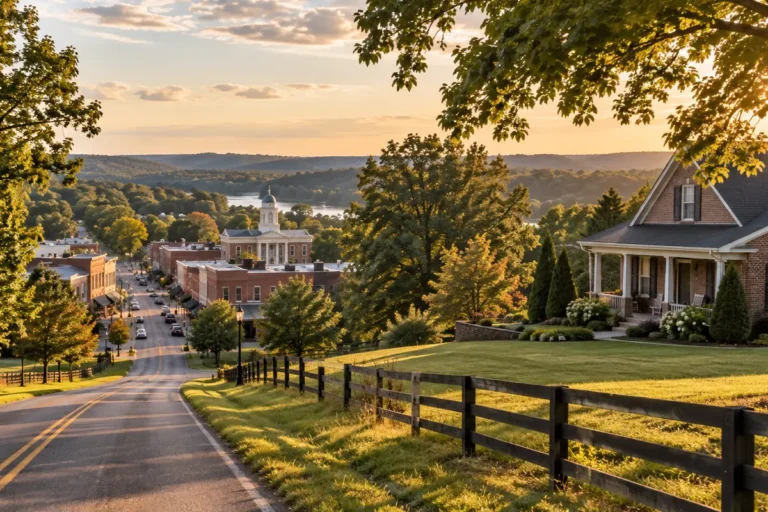
Buying a Home in Ashland City, TN: Homes, Acreage, Commutes and Community Life

Buying a home in Ashland City, TN, calls for a property-by-property look at terrain, water, road access, utilities and the trips you make every week. Cheatham County offers houses near its county seat, established neighborhoods and more rural settings. The right choice depends less on a town-wide price label than on what the house and land let you do comfortably.
Last updated: September 25, 2026. This is a planning guide, not a snapshot of active listings or a prediction of future values.
Local perspective: Harley Pope is a lifelong Middle Tennessee local and a Realtor with Pope Real Estate Group at The Baker Brokerage. Harley and Victoria Pope help buyers compare the actual daily routine behind a property's photos.
Begin with the part of Ashland City you would use
Ashland City sits in Cheatham County along the Cumberland River. A property with an Ashland City mailing address may be in town or in the unincorporated county, and that distinction matters for services, taxes, utilities and permitted uses. Start with the parcel address and jurisdiction rather than relying on a search portal's city label. The town's zoning map and building department can help you ask the right questions for an in-town parcel. For a rural tract, obtain the county and state records that apply to that particular site.
Stand at the property and map the places you routinely go: work, appointments, groceries and the people you see most often. Drive the route at a comparable hour on a workday. A house that feels comfortably connected on a Sunday afternoon can make an ordinary Tuesday inconvenient if the bridge, the road out of the property or the final city miles become a recurring obstacle. Reverse the route too. Getting home after dark or in heavy rain is part of ownership, not an edge case.
Compare the town-centered search with a second search for more land, then write down which difference you would actually use. A larger yard can serve a garden, animals or a workshop, but it also changes mowing, tree care, fencing and driveway upkeep. If you mainly want a porch and some privacy, a smaller, well-placed lot may serve you better than acreage you have to maintain.
What kinds of homes should buyers compare?
Use separate searches for established houses, newer construction, and homes on larger tracts. Don't combine them into a single average and assume the cheapest or newest listing is the best value. A renovated older home near town may offer mature trees and a useful location but need closer review of its systems. A newer house may have a more efficient layout while bringing HOA rules, smaller lots or unfinished landscaping. A rural house may deliver space while adding private utility and access questions.
Look past square footage. Draw a simple floor plan from the listing, or take measurements during a tour. Count rooms that genuinely work for sleeping, remote work and guests. Notice whether laundry, storage and the main living space fit the way you already live. A bonus room is useful only if its permitted use, ceiling height and heating suit your plan. A two-car garage may be more valuable to you than another formal room; another buyer may decide the opposite.
Age and condition should be compared in dollars and time, not adjectives. Ask about roof age, heating and cooling service, water intrusion, foundation movement and past repairs. For an older property, budget for the possibility that attractive finishes hide systems you would have to replace. For a new one, inspect the actual completed house, review the warranty in writing and ask what roads, common areas and neighboring phases may still be unfinished. Neither age category eliminates the need for inspection.
Treat land as a set of usable rights and constraints
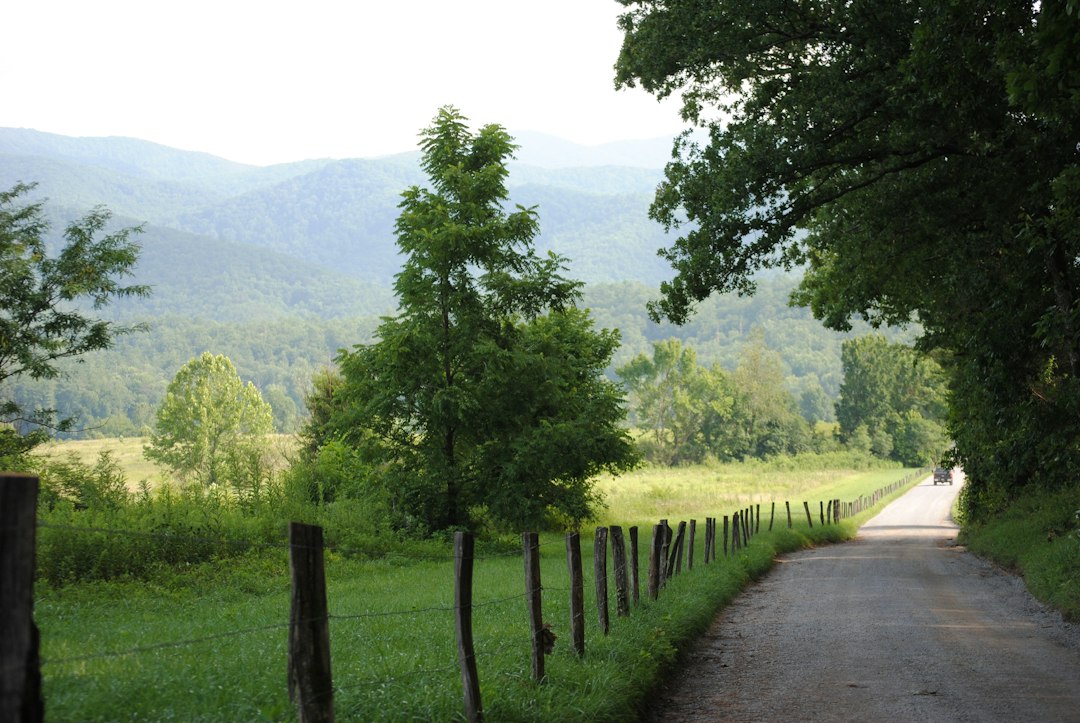
Nine acres on a listing sheet are not necessarily nine acres of level, buildable or easily accessible ground. Walk the tract with the available survey and pay attention to slope, drainage, tree cover, creek crossings and fences. Confirm the legal boundary and any easements, then compare what you saw with the recorded plat. If you hope to add a shop, guest space, animals or a second homesite, ask the relevant office about that exact use before making it the reason for your purchase.
For a home on septic, request the permit and records and compare the approved capacity with the house as offered. Tennessee's environmental department provides a septic records search and says modifications may require a permit when construction affects the system or its area. A grassy field beside the house might contain the disposal field or reserve area. You cannot assume that a future pool, garage or addition belongs there because it looks empty. A qualified professional can help evaluate the system's condition; the agency can answer permitting questions.
Ask whether water is public, supplied by a well or served by another arrangement. Learn where the lines run and who is responsible for repairs. Check internet availability at the exact address using the provider's service check and, when it matters to your work, test actual service or obtain a written installation confirmation. Availability down the road is not the same as a connection to the house. Ask about trash, power, propane and the cost of a long driveway as applicable.
Ashland City's relationship to the Cumberland River makes flood due diligence especially important for certain parcels. The town publishes floodplain rules, and FEMA's Flood Map Service Center lets you look up the official map by address. A map designation is one part of the decision; ask an insurance professional for a property-specific quote and examine any known water history. Check access routes as well as the building footprint. A river view can be wonderful, but a pretty photo is not a substitute for this work.
Build a realistic Ashland City home budget
Set a monthly comfort number before touring. Ask a lender to model principal, interest, mortgage insurance when applicable, estimated property tax, homeowners insurance and any HOA dues. The Consumer Financial Protection Bureau's Loan Estimate guidance distinguishes principal and interest from the estimated total payment. Use that full number. Keep cash for inspection, moving, initial repairs and an emergency reserve rather than treating the lender's maximum qualification as a spending target.
Tennessee assesses residential property at 25 percent of appraised value for tax purposes, according to the state comptroller; the applicable local rate is then applied to assessed value. That formula does not mean your tax bill is 25 percent of the home's price. Check the actual parcel's jurisdiction and current assessment, and ask how a reassessment or completed new construction may change the estimate. The seller's historic bill and an automated listing estimate can both miss the payment you will face.
Price acreage and outbuildings deliberately. A usable barn or shop may save you future expense, yet the insurance, utilities and repairs belong in the comparison. A parcel with inexpensive headline acreage may be costly if fencing, clearing, grading or a long utility extension is required. Put realistic allowances beside each property so that two homes with the same ask price are not treated as equal. If your lender has questions about access, condition or property type, settle them before your offer deadline.
Make the commute and ordinary errands concrete
Ashland City can appeal to buyers who want Cheatham County while still needing Nashville-area destinations. The route that matters is yours, not a generic downtown-to-downtown estimate. Save the exact work address, take the most likely roads and record the time on several representative days. Include school or appointment drop-offs if those are part of your own routine, without assuming any property's school assignment. Check those assignments directly with the district for an address if they matter.
At the house, use the Tuesday Test: imagine getting up, leaving, coming home, bringing in groceries and dealing with a minor household repair on a normal weekday. Where does the car go? How long is the last stretch of road? Is the kitchen workable? Can you reach the people and services you actually use? This is a better question than whether the backyard looks beautiful for ten minutes during a showing.
If you are considering a home farther from town, drive the final roads after dark and in rain when possible. Visibility, grade, cell reception and maintenance responsibilities can all affect your comfort. A private lane may be shared, so inspect recorded access and maintenance agreements. Do not rely on a seller's informal statement that a neighbor has always handled it. A title review and survey help establish the legal access; a conversation with the neighbors can add practical context without replacing documents.
Compare nearby options without pretending they are interchangeable
Buyers sometimes weigh Ashland City against White Bluff, Dickson, Charlotte or other communities on the west and northwest side of Nashville. These places offer different routes, housing stocks and land patterns. An Ashland City search may prioritize the Cheatham County location and the Cumberland corridor. White Bluff or Dickson might solve a different commute or offer another mix of established housing and land. Use a short list of must-have features and put comparable actual properties side by side.
Start with the same maximum monthly payment and minimum house utility. Then compare location, lot usability, condition and the cost of necessary work. If one home is priced lower because it needs a roof or has a difficult access road, account for that before concluding one community gives you more. Our guides to buying in Dickson and White Bluff and our Ashland City versus White Bluff comparison can help frame the questions, but the final choice is an address-specific decision.
How to tour and make an offer
Tour a small set of deliberately different properties first: one closer to town, one with more land and one newer or easier to maintain if available. After each visit, write down the same five things: floor plan, location, site constraints, needed work and total payment. Photos blend together quickly. This method exposes what your preferences actually are before you compete for a house that merely looked appealing online.
For a serious candidate, request available disclosures, survey or plat, permits, HOA materials, utility information and material repair documentation. Confirm what conveys with the house. A detached building may have power but no permitted plumbing; a cleared corner may have no approved second septic site. Make the contract's inspection and financing terms fit the property. A lender may require a particular condition or appraisal outcome, and insurance can become a late surprise if you wait to seek quotes.
If several homes fit, do not reduce the offer to asking price alone. Compare days on market, condition, recent comparable sales and the seller's timing. Price, closing date, inspection terms and repair requests all affect an offer's strength. Your agent can use current listing and sale data for the specific segment when you are ready; a broad article cannot responsibly declare today's competitive level for every Ashland City home. Keep room for inspection findings and never waive a protection without understanding the consequence.
Questions worth answering before you commit
The central tradeoff is usually between space, convenience and upkeep. Write a one-sentence reason for each of your top three homes. If the reason for the first is acreage, make sure the acreage supports your intended use. If the reason for another is a shorter drive, test the drive. If the third feels like the easiest house to own, check whether the price and maintenance assumptions support that feeling.
Ask who maintains the road, which jurisdiction taxes the property, whether flood insurance is recommended or required by your lender, how wastewater is handled, and which improvements are permitted. Have the title company and appropriate specialists confirm the documents that matter. A listing description can start a question; it cannot answer a legal access, land-use or insurance question for you. Build a decision around verified facts and a house you can enjoy on ordinary days.
Keep a seasonal ownership calendar
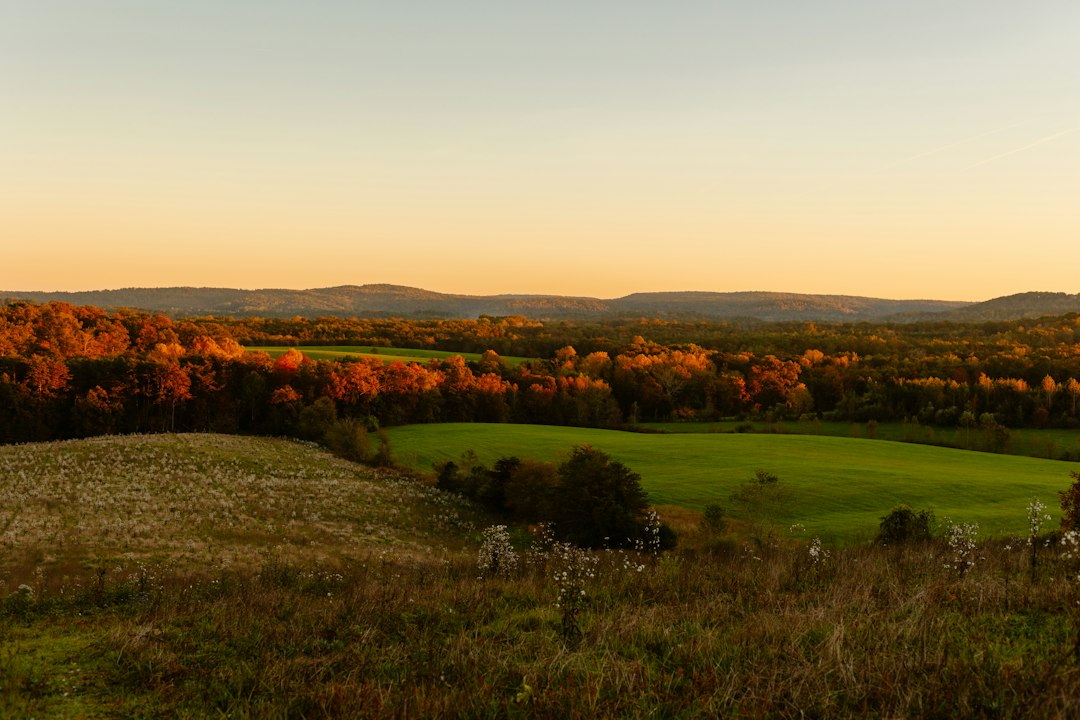
Ask what the property demands in each season. In spring, drainage and driveway conditions may be easier to judge after heavy rain. In summer, mowing, shade and cooling costs become obvious. In autumn, trees and gutters may need attention. In winter, a steep or long drive deserves a realistic maintenance plan. These questions are especially useful when comparing an in-town lot with a larger rural tract; the purchase prices can be close while the work differs greatly.
Ask the seller for the most recent utility figures available, but remember that household use varies. Get your own quotes for any contracted maintenance you expect to outsource. If you intend to work on the property yourself, account for equipment and your time. This is an estimate, not a reason to reject land categorically. Buyers who enjoy the work may find it part of the reward. The important thing is to choose it deliberately.
Check the practical boundaries of your intended outdoor use. A fence may cross a property line, a neighbor's long-used path may need legal review, or a utility easement may affect where a structure can go. Have a surveyor and title professional address questions the available documents raise. The best time to learn that the corner you planned to use is unavailable is before you have committed to a purchase.
Frequently Asked Questions
Is every Ashland City mailing address inside town limits?
No. Verify the parcel's jurisdiction with the town and county records before assuming which services, taxes or land-use rules apply.
Should I avoid every property near the Cumberland River?
No blanket rule fits. Check the address-specific FEMA map, the town's floodplain rules, known history and an insurance quote, then judge the particular house and access.
Can I add another home or a shop to an acreage property?
It depends on the parcel, zoning, access, utility and septic requirements. Ask the relevant agencies about your exact proposal and obtain professional advice before treating it as possible.
Are newer homes always less expensive to maintain?
No. A new home may reduce some near-term replacement concerns but still carry landscaping, HOA, warranty and construction-finish questions. Inspect the completed house.
What should I do before making an offer from out of town?
Have your lender review the property type, request the key documents, tour by live video or in person, test the routes and build adequate inspection and insurance review into your timeline.
About Harley Pope
Harley Pope is a Middle Tennessee Realtor with Pope Real Estate Group at The Baker Brokerage. He works with buyers and sellers across Dickson County, Cheatham County, Nashville and surrounding communities. His approach is to connect property details to the life a home actually makes possible, from the layout and land to the weekday drive and long-term upkeep. Victoria Pope works with Harley as part of the Pope Real Estate Group team.
If you're considering an Ashland City home, Harley and Victoria Pope can help you compare specific listings, site records and the real cost of owning each one. Contact Pope Real Estate Group at The Baker Brokerage to build a search around your budget and routine.