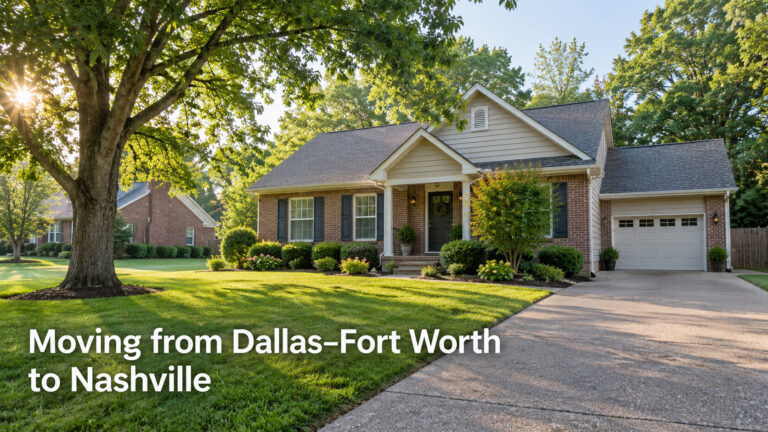
What a Washington DC Home Budget Buys in Nashville and Middle Tennessee

What a Washington DC home budget buys in Nashville and Middle Tennessee begins with your usable proceeds and comfortable monthly payment, not the list price of the home you are leaving. A DC rowhouse, a suburban Maryland property and a Northern Virginia condo create very different starting points. The most useful comparison puts actual homes, ownership costs and daily routes on the same page.
Last updated: September 24, 2026. The budget examples below are search exercises, not claims that a particular house or amount of square footage is available today. Prices, financing and taxes change.
Local perspective: Harley Pope is a Middle Tennessee Realtor with Pope Real Estate Group at The Baker Brokerage. Harley and Victoria help relocating buyers compare the house and the ordinary week it would make possible.
Turn a Washington DC home budget into a Tennessee purchase plan
A home's likely sale price is only the beginning. Ask your DC-area agent for a supported sale range and a net sheet that includes loan payoff, sale expenses, any concessions, moving costs and a reserve. A buyer whose current property has appreciated substantially may have meaningful equity but should not spend it all without seeing the cash needed at both closings. If you are keeping the property as a rental, ask your lender how income, existing debt and reserves will be treated. A projected rent is not a substitute for an approved financing plan.
Then set two Tennessee numbers: a loan qualification ceiling and the monthly amount you are comfortable carrying. Compare actual property taxes, insurance, HOA dues and any mortgage insurance for candidate homes. Tennessee generally assesses residential property at 25% of appraised value before applying the relevant tax rate; that formula does not mean a buyer can use a seller's current bill as a guaranteed future bill. Verify the parcel and jurisdiction. The Tennessee Comptroller's tax explanation shows the calculation.
If a sale contingency will fund the purchase, plan the sequence before falling in love with a Tennessee home. Discuss expected listing preparation, marketing time, inspection and appraisal stages, possible closing overlap and temporary housing. A lender can model purchase before sale, sale before purchase and other options where available, but each adds cost or contract risk. Leave enough cash for the move and the first repair. A larger down payment may lower the new payment while reducing your safety cushion; the right choice depends on your whole financial picture.

Photo: Andrea García / Unsplash.
Compare property type before comparing square footage
Someone leaving a DC rowhouse may be used to several floors, shared walls and limited parking. A Tennessee detached house may offer a garage and yard yet spread the same reported square footage into rooms that work differently. Someone leaving a large suburban house may gain little space in a central Nashville location at the same purchase price. Compare bedroom placement, stairs, home office, storage, parking, outdoor upkeep and sound. An advertised total area can include finished spaces with a different level of utility; ask how each was measured and permitted.
At illustrative search ceilings of $500,000, $750,000 and $1 million, pull current listings on one date and hold the filters constant. See how the choices change when you prioritize location, then when you prioritize lot and floor plan. Do not publish a blanket claim that one of those amounts buys a particular size across Middle Tennessee. At the same price, Nashville, Franklin, Dickson and Columbia can yield substantially different property types, conditions and travel patterns. Your lender should price the payment using actual addresses, and your inspector should examine the actual systems.
Nashville: pay attention to the weekly route
Nashville has many housing choices, from condos and townhomes to detached properties. The premium you pay for a location can return time if your recurring destinations are nearby, but it will not help much if your job and life are on the other side of the region. Map the exact property to work, airport trips, health appointments and common errands at the times you expect to travel. A single downtown commute estimate misses the difference between destinations and schedules. If you plan to work remotely, test the room, internet service and noise at the particular address.
A condo or townhome may preserve a lower-maintenance routine familiar from parts of the DC area, but read the HOA budget, reserve information, insurance responsibilities, dues and rules. Detached homes shift more maintenance to the owner. Compare the total ownership cost rather than interpreting the smaller yard as an automatic saving. Ask whether parking is assigned or separately purchased and whether rental restrictions matter to your plans. Review the actual association documents rather than inferring its financial health from dues alone.
Franklin and Brentwood: ask what the location earns
Franklin and Brentwood are often considered by people searching south of Nashville. A home with a convenient route and mature lot may command a different price than one with more square footage farther away. Compare the exact homes rather than assuming that a broad city reputation tells you the practical fit. Lot shape, road setting, renovation needs and HOA terms can be meaningful. A buyer moving from the DC suburbs may recognize the tradeoff between proximity and home size, but should drive these routes instead of transferring assumptions from Virginia or Maryland.
If a large property is the goal, price the continuing work. Landscaping, roofing, HVAC, irrigation, insurance and older systems can consume some of the apparent gain in space. On a new home, compare the base price with the actual finished specification and expected tax assessment. Buying in Franklin and buying in Brentwood offer more specific checklists. City pages and current property records should guide the decision about an individual house.
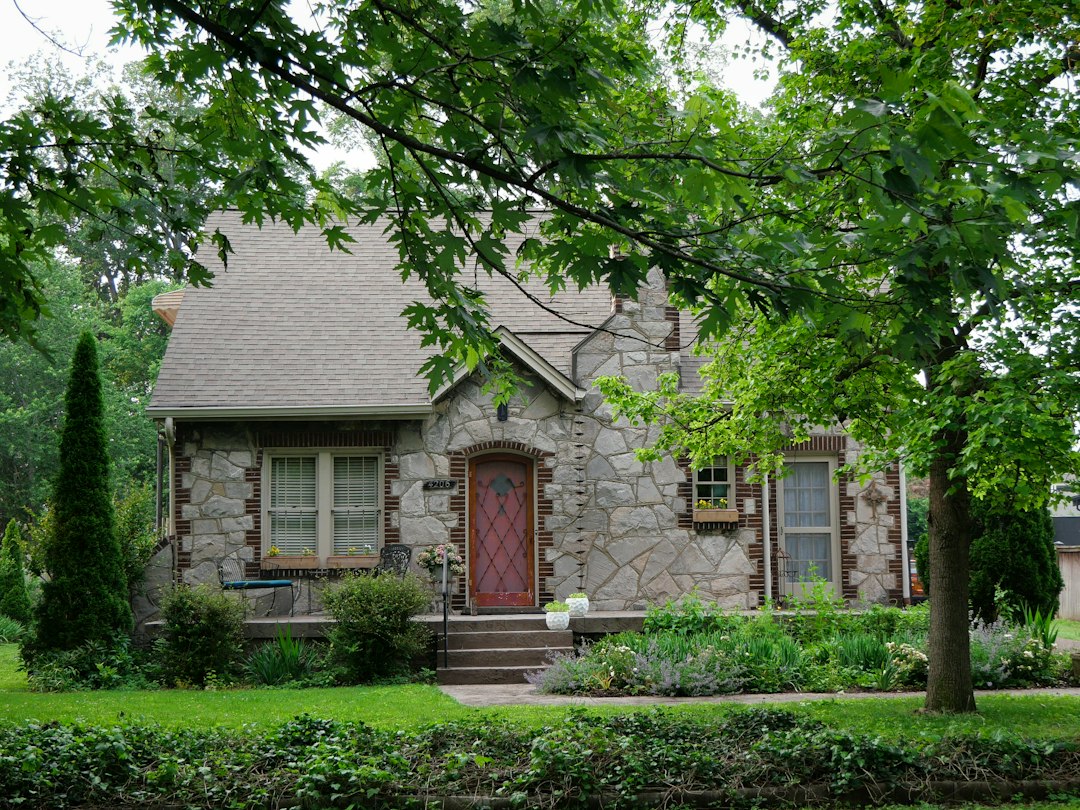
Photo: Daniel Yakubu / Unsplash. Illustrative home.
Spring Hill and Columbia: separate price from driving cost
Spring Hill and Columbia may open different combinations of house, lot and condition at a given budget. Each exact address and job destination can change the commute substantially. If work is in Nashville, test the trip during the time you would actually leave, including the return. If most of your week takes place nearer Maury County, a longer trip to downtown on occasional days may matter less. Do not trade a major part of your week for extra square footage without measuring it.
Compare county and municipal jurisdiction on the actual parcel, not just a postal city. Check taxes, utilities, HOA documents and any planned construction that is material to your particular choice through official sources. A new neighborhood can appeal to a buyer who wants a recent floor plan; an older house might offer a different lot or established setting. Ask which features are included, what the inspection covers and whether the advertised living area matches the space you will use. The Maury County guide offers a regional starting point.
Dickson County: consider the full westward move
Dickson County may be an option for a buyer prioritizing land, a detached property or a particular western route. Dickson, Burns and White Bluff are different searches, and a property-by-property comparison matters more than an assumed price advantage. A DC buyer accustomed to dense services should plan actual grocery, health, work and airport trips. Ask about internet, water, wastewater and land maintenance for an individual home, especially when acreage or an outbuilding is involved.
The Tuesday Test works here: picture a rainy evening after a full workday, with a stop to make on the way home. Does the space and land still earn the travel? If so, an outlying home may be the right choice. If the routine sounds draining, a smaller home closer to your frequent destinations may serve you better. Your budget buys time and location as well as materials and square footage. The White Bluff real estate questions and Burns home-buying guide explore those local details.
Costs that do not appear in a cross-city price comparison
Build a first-year worksheet. Include earnest money, down payment, lender and title charges, inspections, appraisal, moving and storage, temporary lodging, insurance and initial maintenance. Account for what you will lose or gain in transportation: parking, mileage, fuel, a second vehicle and occasional flights back to DC. Do not assume an advertised portal payment includes everything. Ask a lender and insurance professional for estimates tied to a particular home, then revisit the numbers before an offer.
If you are leaving a DC, Maryland or Virginia property, ask your tax professional about the implications of selling, retaining or renting it. Different jurisdictions and your personal circumstances affect the answer. Tennessee's treatment of wages may change one part of your household budget, but you still pay federal taxes and property-specific ownership costs. Weigh salary, healthcare, travel and daily expenses. A simplistic “cost of living” percentage cannot tell you whether a particular Tennessee home is the right financial move.
A decision trip with useful evidence
Before flying or driving in, choose two or three search areas that fit your actual destinations and target payment. Ask for current listings and recently closed examples in the same property type. Tour at least one home that tests each major tradeoff: a more convenient location, more house or land, and a lower-maintenance option. Record what the same budget buys in condition as well as size. Drive your likely routes at realistic times. If you find a candidate, review disclosures, HOA documents, records, permits and insurance availability before you compress a complex decision into one weekend.
After the trip, rank the homes by the week they create rather than the most dramatic photo. One property may have a better office but less storage; another may make commuting easy but leave little reserve after closing. Keep a backup option in another area so you can react to a failed inspection or an appraisal issue without starting from zero. When a house fits, structure the offer to the actual competition and your own financing. Cross-country urgency is real, but it should lead to better preparation, not avoidable waivers.
If you cannot return for every step, discuss the limits of video tours before using them. A camera can show layout and visible condition, but it does not reliably convey road noise, odors, room scale or how a driveway feels in heavy rain. Arrange independent inspections and ask for focused recordings of the concerns you identified. Remote convenience is useful when it supports a deliberate choice, not when it substitutes for the facts you need.
Frequently Asked Questions
Will a DC sale price translate directly into a Tennessee purchase price?
No. Deduct payoff, sale expenses, moving costs and reserves, then ask a lender for an actual purchase and payment range. Your equity and your comfortable monthly payment are separate limits.
Should I compare DC and Nashville median prices?
Use medians for broad context only. Compare the property types, condition and neighborhoods you would actually choose on the same date. A citywide figure does not price a specific rowhouse or Tennessee home.
Can I buy in Tennessee before my DC home sells?
Possibly, depending on financing and available cash. Have your lender model carrying both homes, contingent and noncontingent options, and a delay. Understand the contract exposure before writing an offer.
What if I want land but travel to Nashville regularly?
Test the exact commute in both directions and price the land's upkeep and utilities. Compare a property with less land closer to your recurring destinations. The right answer depends on your weekly routine.
Are Tennessee property taxes the same throughout the region?
No. Confirm the parcel's county, municipal status, assessment and applicable rate. Obtain a property-specific estimate and do not treat a previous owner's bill or a portal estimate as a guarantee.
About Harley Pope
Harley Pope is a Middle Tennessee Realtor with Pope Real Estate Group at The Baker Brokerage. He and Victoria Pope work with relocating buyers across Nashville, Dickson County, Maury County and surrounding areas. Harley focuses on property-level comparisons, practical routes and total ownership costs so clients can make a move that works beyond the closing date.
Planning a move from the DC area? Contact Harley and Victoria Pope with your likely sale timing, payment range and work location. Call or text Harley at 931-629-4836. Pope Real Estate Group at The Baker Brokerage, 615-878-0362.