20 Real Estate Questions Answered: White Bluff, TN Buyer and Seller Guide
White Bluff, TN real estate questions are easiest to answer with the exact address in hand. A buyer comparing a house near the town center with one outside municipal limits may face different utilities, taxes, land features and daily drives. A seller needs to know which nearby homes a buyer could choose instead. These 20 questions give both sides a practical starting point.
Last updated: September 24, 2026. This guide covers general decisions, not current inventory, a tax quote or a guarantee about a specific parcel.
Local perspective: Harley Pope is a Middle Tennessee Realtor with Pope Real Estate Group at The Baker Brokerage. Our work in Dickson County starts with property facts and the alternatives that real buyers can compare.
White Bluff TN real estate questions for buyers
1. What should I expect from a White Bluff home search?
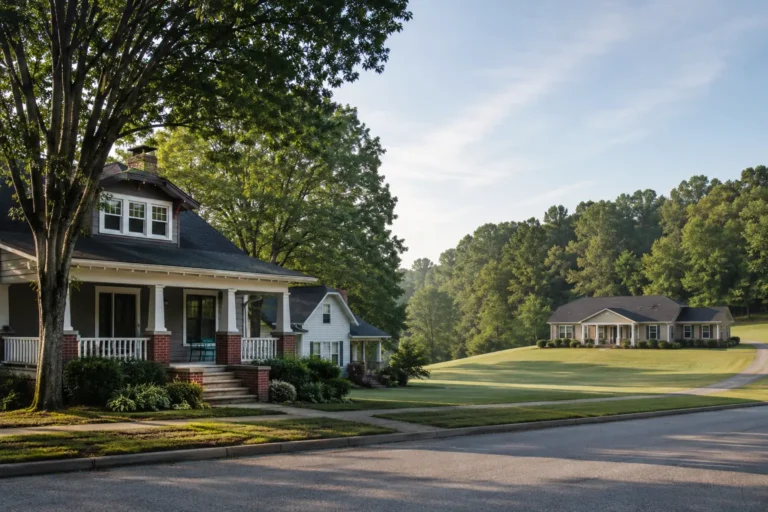
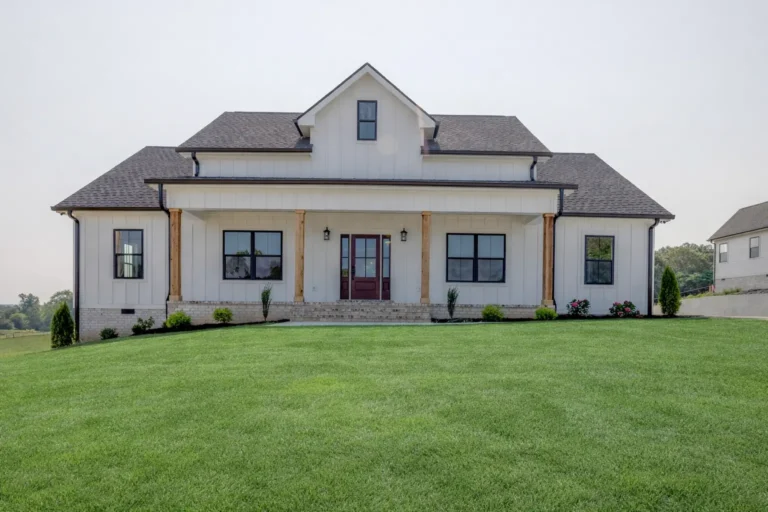
Expect variety rather than a single standard house type. Depending on the current listings and your search boundary, you may find an older home on an established lot, a newer house, a property with more land or a home whose mailing address says White Bluff but sits beyond the town limits. Begin with the spaces and systems you need: bedroom arrangement, garage, single-level access, yard use, utility service and condition. Then compare actual homes. A photograph of a generous lot does not tell you its boundaries, usable area or maintenance cost. The White Bluff area guide gives useful geographic context, but each listing needs its own review.
2. How do I compare White Bluff with Burns or Dickson?
Choose comparable homes first, then judge what changes when you move the pin. The routes to work, errands and people you see regularly can differ more than a city name suggests. Compare a house in White Bluff with a realistic alternative in Burns or Dickson at similar total cost and condition. Include land, maintenance, garage space and any HOA obligations. Drive from each candidate address at the time you normally travel. The Burns versus White Bluff comparison can help frame the tradeoffs, but it cannot choose an individual property for you.
3. Does a White Bluff mailing address mean the home is inside town limits?
No assumption about jurisdiction should rest on a mailing address. Postal designations, municipal boundaries and school assignments serve different purposes. Ask for the parcel identification and check the official county and town records. Confirm municipal status with the appropriate office before estimating city taxes or describing available services. The same care applies to a seller's listing: an attractive claim about a town service can become a problem if it is unverified. If taxes, a permit or a particular service affect your decision, request a property-specific answer in writing before your contract deadline.
4. What should I check about water, sewer and septic?
Ask which provider serves the address and whether the property has public sewer, septic, a well or another arrangement. Review actual bills and permit or inspection records where relevant. A nearby utility line does not automatically mean the property can connect, and a home's existing wastewater system may not support an addition or a different use. If you hope to add a bedroom or detached living space, raise that plan before buying. A general home inspection may not provide a full evaluation of a private system, so budget for the right specialist and clarify who will obtain records.
5. How can I test a commute accurately?
Map the exact driveway to your exact destination at the departure time you expect to use. A generic White Bluff-to-Nashville number ignores traffic, destination and the location of the home. Repeat the route on an ordinary weekday, and test the return trip with a grocery or childcare stop if that is your routine. This is the Tuesday Test: will the house still work on a busy, unremarkable day? Also consider a second person's route, remote-work days and a possible change of job. A larger lot or lower purchase price may be worth a longer drive, but the exchange should be intentional.
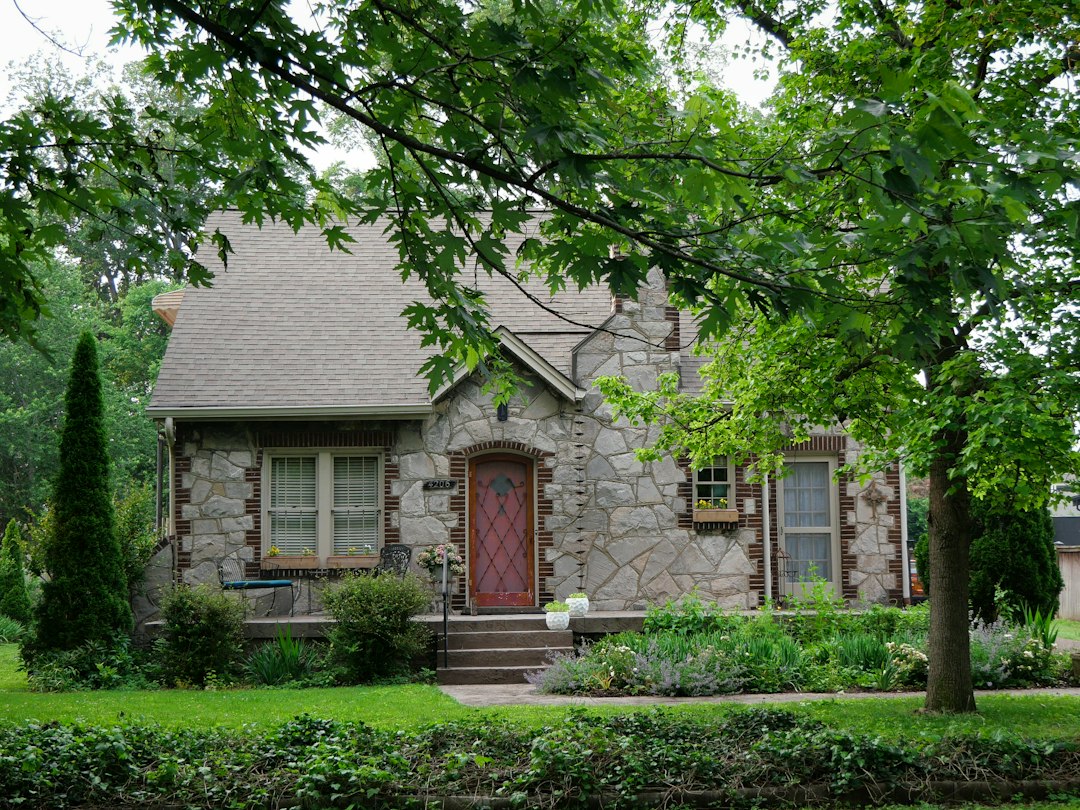
Photo: Daniel Yakubu / Unsplash. Illustrative home; not identified as a White Bluff property.
6. What deserves attention when touring a house with land?
Look past the acreage number. Check access, topography, drainage, fences, visible encroachments, utility locations, easements and whether the portion you want to use is actually suitable. Request the available survey, then discuss whether a new one is appropriate. Outbuildings need separate questions about condition, permits, power and intended use. Ask your inspector what is included and arrange specialists where necessary. A home with land may offer flexibility, but a steep, wet or restricted portion can have limited value for your plan. Compare maintenance time as well as purchase price.
7. Are new construction and resale homes directly comparable?
They can be alternatives, but compare the full product. A builder's advertised price may reflect a base plan rather than the finished model; a resale may include appliances, fencing or landscaping that a new home does not. Review lot size, included finishes, completion timing, warranties, HOA terms, expected taxes and incentives. Ask a lender to compare a rate incentive with a price reduction over the period you expect to own the home. A new roof and systems reduce some near-term uncertainty but do not eliminate inspection questions or the need to review drainage and workmanship.
8. How should I handle school information?
If a particular school assignment matters to your household, verify it with the school system using the exact address and the year of enrollment. A listing, map or nearby home's assignment can be inaccurate or change. You can also evaluate publicly available school information using your own criteria without treating a label or ranking as a substitute for a property decision. Keep the question separate from property boundaries and municipal limits. We can help you locate the appropriate source and organize the question, while the responsible school office confirms the assignment.
9. How do I decide what to offer?
Review recent relevant sales, active alternatives, condition, seller terms and how long the home has been offered. When White Bluff sales are sparse, a nearby Dickson County property may be useful evidence if a buyer would plausibly choose it, with location and features accounted for. Your offer also contains financing, appraisal, inspection, earnest money, concessions, closing and possession. A higher price with weak terms can create more risk for both sides. Decide in advance what you can afford and what protections you need. Ask your agent to explain the evidence and remaining uncertainty rather than promise an appraisal or outcome.
10. What should I budget beyond the asking price?
Ask the lender for a property-specific payment estimate, not just a maximum approval. Include down payment, closing costs, insurance, taxes, any HOA dues, moving and immediate repairs. Tennessee residential property is generally assessed at 25% of appraised value before the applicable tax rate, according to the state comptroller's tax explanation, but the amount owed depends on the actual parcel and jurisdictions. Obtain an insurance quote for the address and ask whether a private system, acreage or flood exposure changes the cost. Keep a reserve after closing; the least expensive listing can require the greatest first-year cash.
White Bluff real estate questions for sellers
11. What is the right starting price for my home?
Build a supported range from the best recent closed sales and the homes buyers can tour now. Condition, lot utility, layout, garage and updates all affect the comparison. In a smaller market, an agent may need to widen time or geography, but should explain every choice rather than average unlike properties. Test how your price looks beside competing homes in White Bluff, Burns and Dickson, including new construction when it is a real substitute. Decide whether your timeline favors broad initial exposure or a more patient test. The Dickson home-value guide explains why an online estimate is only a starting point.
12. Can I use the county's average price per square foot?
It is a rough context figure, not a reliable valuation formula. Two houses with similar reported living area may differ in usable floor plan, condition, basement finish, lot, location or costly systems. A county figure combines many property types and may be skewed by a few unusual sales. Start with properties a buyer would genuinely compare, then adjust for specific differences with evidence. If your house has limited close matches, show a range and the logic behind it. Don't turn a broad statistic into a precise asking price. It can make a listing look expensive to the people actually shopping against it.
13. Which repairs should I make before listing?
Address active leaks, safety issues, damaged components and items likely to derail an inspection or financing first. Obtain estimates before committing to major cosmetic work. A clean, well-maintained house with good photography can outperform a costly renovation that buyers would have designed differently. Review visible wear, lighting, landscaping and access for showings. If a repair cannot reasonably be finished, document what is known and price the condition honestly. Disclosure and repair strategy are separate questions: discuss the required property disclosures with your broker or appropriate professional rather than assuming a sale in its current condition ends the conversation.
14. What facts should my listing describe carefully?
Verify living area, lot size, parcel boundaries, HOA terms, utilities, permit history, tax jurisdiction and the use of detached space. A finished room over a garage is visually appealing, but do not advertise it as an approved apartment or bedroom without support. Describe features a buyer can confirm and use: main-level layout, storage, outdoor space, driveway and documented updates. Use photos to show the property as it is and identify any illustrative map or boundary approximation. The Dickson County area page can provide broader location context without making a property-specific claim.
15. How do I know whether marketing is working?
Track new competing listings, comparable homes going under contract, closed sales, showings, online engagement, feedback and offers each week. Separate a one-week fluctuation from a pattern. If few close matches exist, widen the search in a controlled way, perhaps by one bedroom and a reasonable living-area range, while keeping lot and condition relevant. Views without tours may call for a look at first impressions; tours without offers may point to a gap between expectations and experience. Before launch, agree on what evidence would justify a price or presentation change. The guide to selling a home in Dickson expands the offer and closing questions.
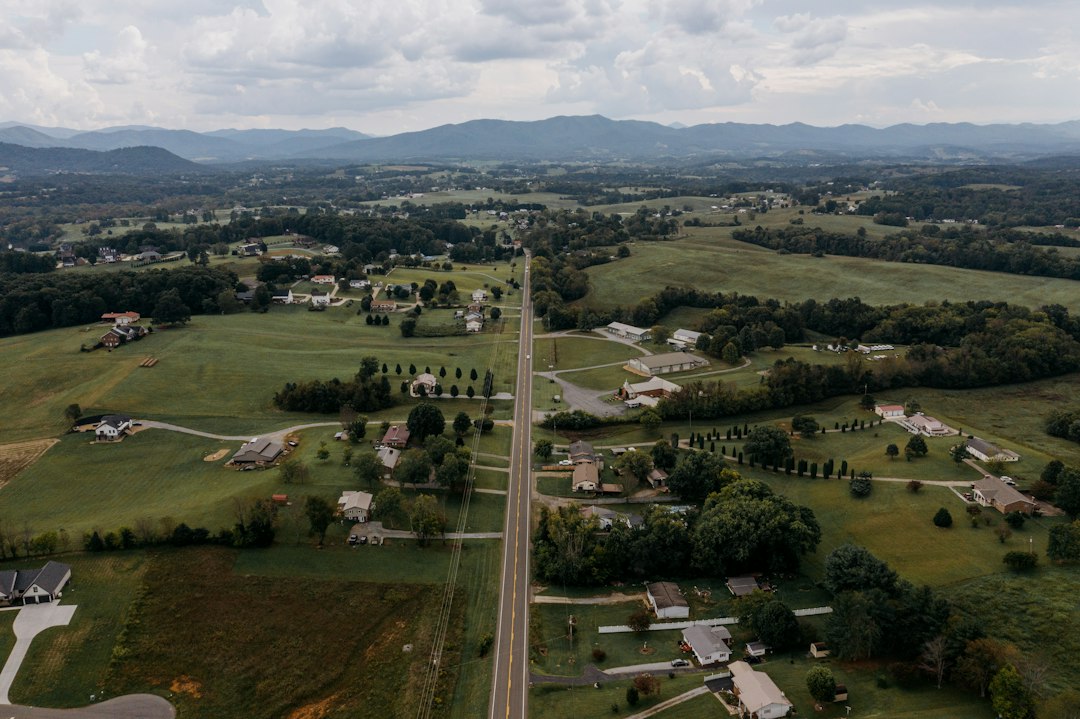
Photo: Alex Reynolds / Unsplash. Illustrative landscape.
16. Should I take a lower offer with better terms?
Sometimes. Compare estimated net proceeds and the risk of reaching closing, not just the headline price. Review financing, down payment, lender readiness, appraisal exposure, inspection terms, concessions, closing date and possession. A buyer asking for a large credit can change the net; an offer above supported value may carry appraisal risk. Decide which issues could be countered and how much extra money compensates you for uncertainty. A clear side-by-side comparison lets you choose based on your priorities. No offer is guaranteed until the transaction closes, even if the buyer appears strong.
17. What if my home has acreage or unusual improvements?
Give those features their own evidence. A buyer may value a usable pasture, shop or detached garage differently from an extra room in the main house. Check permits, utility capacity, access, restrictions and the physical condition of each improvement. Find sales with a similar feature where possible, then explain the adjustment rather than assign the full construction cost as market value. Photograph the layout and land clearly, without drawing an unsupported boundary. Unusual features can attract a smaller but more specific buyer pool. Pricing should reflect both their appeal and the available alternatives.
18. Can I sell before I find my next home?
Yes, if the plan accounts for where you will live and what happens if the next purchase is delayed. Obtain an estimated seller net, lender guidance and a calendar of likely contract and closing steps. Consider temporary housing, storage, a negotiated possession period or a purchase that is contingent on your sale, depending on what the market and counterparties will accept. Every option has cost and risk. Put important timing terms in writing with professional advice. The Middle Tennessee sell-and-buy guide walks through the sequence in more detail.
19. When should I change the price?
Set review dates and triggers before the listing goes live. A lack of offers after several qualified tours means something different from no tours at all. Compare your property with the homes that gained contracts during the same period and check whether buyers found a better condition, location or value. A price adjustment should move the home into a meaningful search range and create a clearer comparison, not merely reduce it by a token amount. Consider photography, access and terms too. Holding can be sensible when the evidence supports it and your timeline allows; otherwise waiting may increase carrying costs.
20. What should I ask an agent before signing a listing agreement?
Ask how the price range was built, which homes are true substitutes, how the property will be photographed and described, how showings and feedback will be reported, and when the plan will be revisited. Discuss brokerage affiliation, compensation terms, services, contract length and your decision rights in plain language. Ask how a buyer offer will be compared for net and risk, and who will manage deadlines after acceptance. The goal is a plan you can evaluate, not an impressive price promise. The 20 questions for choosing a Dickson-area Realtor offers a longer interview checklist.
Put the questions together at the property level
White Bluff is a useful search area, but the town name is not a substitute for a parcel, a house or a transaction plan. A buyer should carry a short sheet with the address, jurisdiction, utilities, route tests, insurance quote, inspection needs and all-in payment. A seller should carry a comparable-sales range, current alternatives, preparation budget and a decision date for reviewing results. These sheets help everyone distinguish confirmed facts from guesses.
If you are weighing a larger yard against time on the road, try both versions of an ordinary week. Great homes make ordinary days better when the location and maintenance fit the life you actually lead. If you are selling, the same exercise helps show which features deserve emphasis and which buyer objections need a direct answer. A clear plan makes the first conversation more useful than a generic market snapshot.
Frequently Asked Questions
How can I confirm whether a White Bluff property has an HOA?
Ask for recorded covenants, current dues, governing documents and any transfer or assessment information. The listing field is a starting clue, but documents and title review control the answer. Check restrictions against your intended use.
Should I trust an online estimate for a White Bluff house?
Use it as one signal, then compare relevant closed sales and current substitutes with property-specific condition and land differences. Online tools may have limited detail in smaller markets and cannot inspect the house.
Can a buyer request seller concessions?
Yes, subject to the contract, lender and loan-program rules. Compare the seller's net and the buyer's cash or payment effect. A concession can be more useful than the same nominal price reduction for some buyers, but financing limits matter.
What if an inspection reveals a septic issue?
Find out the nature and cost of the problem from a qualified specialist, review permits and contract deadlines, then discuss repair, credit or other contractual options with your agent and appropriate professionals. Avoid relying on a verbal guess.
Is the highest offer always the best one for a seller?
No. Compare likely net, financing, appraisal and inspection risk, timing and possession. The best choice depends on the seller's goals and the strength of the entire offer, including what can reasonably be negotiated.
About Harley Pope
Harley Pope is a Middle Tennessee Realtor with Pope Real Estate Group at The Baker Brokerage. He works with buyers and sellers in Dickson County, Nashville, Maury County and surrounding areas. Harley's focus is on clear property facts, useful comparable homes and honest tradeoffs, so a client can decide with a practical understanding of price, timing and risk.
Have a White Bluff address or a move in mind? Contact Harley and Victoria Pope to discuss the property and your goal. Call or text Harley at 931-629-4836. Pope Real Estate Group at The Baker Brokerage, 615-878-0362.