20 Real Estate Questions Answered: Burns, TN Buyer and Seller Guide

Burns, TN real estate questions often come down to the exact property rather than the town name on a search result. Buyers need to compare homes, roads, utilities and their daily routes; sellers need a pricing plan built from credible alternatives in a relatively small market. These 20 answers cover both sides without treating a Burns mailing address as a guarantee about municipal limits, services or school assignment.
Last updated: September 23, 2026. Facts about taxes, utilities, permits, restrictions and assignment must be verified for each parcel. Market prices and inventory change.
Local perspective: Harley Pope is a Middle Tennessee Realtor with Pope Real Estate Group at The Baker Brokerage. The purpose of this guide is to help buyers and sellers ask sharper questions about Burns and nearby Dickson County options.
Burns, TN Real Estate Questions for Buyers
1. What types of homes should I expect?
Burns-area searches may include established houses, newer subdivisions, rural-residential properties and parcels with acreage. The mix changes with the search radius and current listings. Start by defining the floor plan and lot you will use rather than assuming every listing with a Burns address has the same setting. Verify whether living area is in the main house, a basement or an outbuilding, and whether finished space is permitted for the use advertised. The Burns area page orients the location; individual property records and a tour answer the purchase questions.
2. How is Burns different from Dickson or White Bluff?
The meaningful differences are the homes available in your budget, the route to your recurring destinations and the services and lot features at specific addresses. Burns, Dickson and White Bluff should be compared with live properties, not generic labels. Visit homes with similar size and condition, then drive from each to work, groceries and other regular stops. Our Burns versus White Bluff guide frames a nearby choice, while the Dickson area page provides another reference point.
3. Is every Burns mailing address inside town limits?
Do not assume so. Postal naming and municipal jurisdiction answer different questions. Check the parcel’s official record and local boundary information before estimating taxes or describing municipal services. The same distinction matters for utilities, permits and applicable restrictions. A buyer should obtain a property-specific tax estimate rather than rely only on the seller’s current bill. A seller should avoid presenting an unverified jurisdiction as a selling feature. If it affects your decision, have the appropriate local office confirm the address in writing.
4. What commute should I expect?
A single “Burns to Nashville” time is not useful because the Nashville destination, departure hour and exact Burns address vary. Map the route from a candidate house to the place you actually travel, then drive it during a normal work period. If you travel toward Dickson or along I-40 instead, test that route too. Include the regular errands you would make after work. The Tuesday Test is simple: imagine the ordinary tired drive home, not just a quiet weekend trip. A larger yard can be worth a longer route, but that is a personal tradeoff.
5. Do homes have sewer and public water?
Service depends on the exact property. Some homes may use public utilities and others may have septic or a well. Review the listing documents, ask the providers, and obtain permit and inspection information where applicable. A septic system’s documented capacity may affect how a property is marketed and used. If you want to add living space or another structure, confirm whether wastewater and utility capacity support the plan. Never assume a nearby line guarantees a connection or that a current system can serve a larger home.
6. What should I inspect beyond the house?
Consider drainage, driveway, retaining or slope work, trees, fences, outbuildings, property boundaries and any private systems. Review a survey or obtain one when appropriate. For acreage, look at easements and access to every part you intend to use. The home inspection may not cover a detached structure, septic system or well to the depth you need; ask which specialists should examine them. A pretty aerial view does not establish usable land or legal lines. Build the inspection plan around the property’s actual features.
7. Are there new construction options?
Availability changes, so review current listings and builder offerings rather than assuming a standing inventory. If a new home is an option, compare the included finishes, lot, completion date, warranties, incentive terms and expected taxes after construction with a comparable resale. Ask whether an HOA has dues and rules and what is known about nearby phases. A lower advertised starting price may not include the features in model-home photos. Do not assume a new house needs no independent inspection or a finished development timetable is guaranteed.
8. How do I know what to offer?
Examine recent closed sales, current competing homes, the subject’s condition and how long it has been listed. If there are few Burns matches, consider nearby areas a buyer might realistically choose, while explaining location differences. An offer includes financing, earnest money, appraisal and inspection terms, concessions, closing date and possession, not just price. Your agent should show what the evidence supports and what risks remain. Do not waive a meaningful protection solely to make the number attractive to the seller.
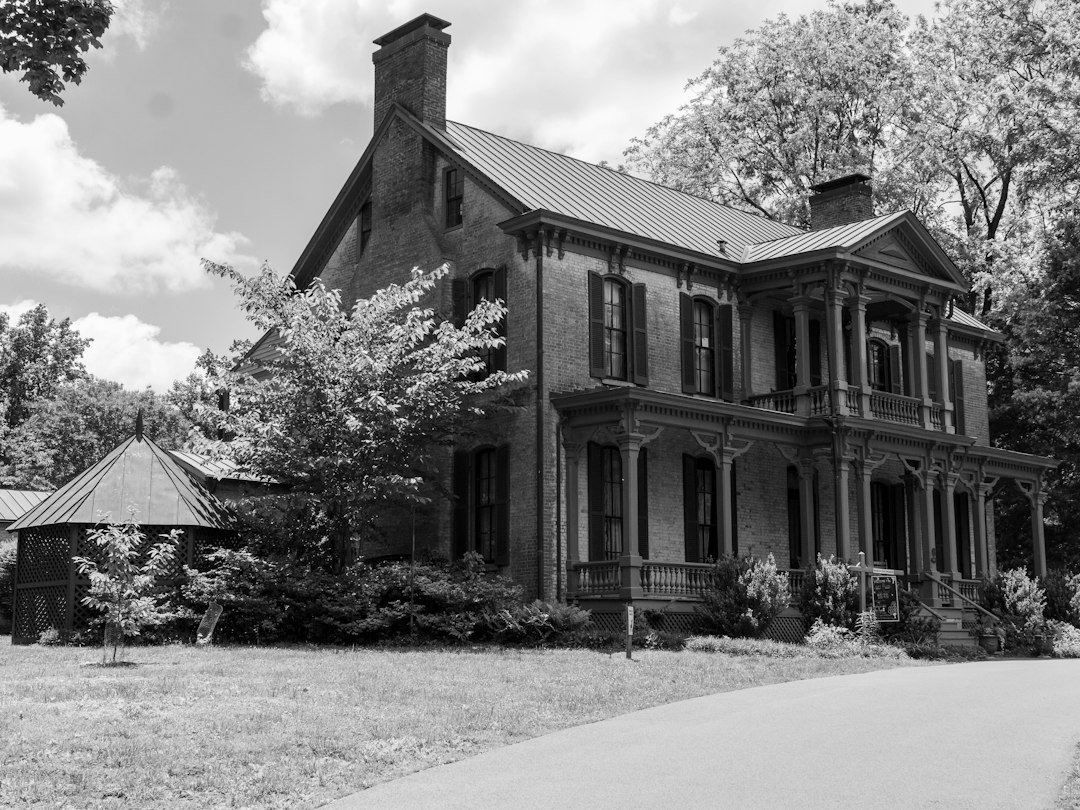
Photo: Barnabas Piper / Unsplash. Illustrative image; not identified as a Burns property.
Selling a Home in Burns
9. How should I price a Burns property?
Start with the strongest recent comparable sales, then consider the active and pending alternatives a buyer would see. A small market may require a wider geographic or time range, but each expansion needs an explanation. Acreage, garage space, layout and condition can change appeal. Do not set price by multiplying a broad county price per square foot by your home’s reported area. Review a supported range and decide whether your objective favors immediate competition or a measured test. The Dickson home-value guide explains the methods.
10. Should I compare my house only with other Burns sales?
No automatic boundary should control a CMA. If few relevant Burns sales exist, a similar home in Dickson, White Bluff or another nearby area may inform value when buyers plausibly consider both. But the agent should account for location, lot, condition and the route rather than blending prices mechanically. A buyer may see a new construction home near your price or a rural property with more land as a direct alternative. The best comparable set reflects the actual choices available to that buyer.
11. What features deserve emphasis in the listing?
Lead with verifiable details that change daily use: layout, main-level rooms, garage, outdoor space, updates, road access or proximity to services. Describe a detached structure accurately without promising it can serve as an apartment unless the use is verified. For land, show the setting and boundaries cautiously; a drone image should not imply an exact property line without support. Avoid subjective claims about residents, schools, safety or future appreciation. Good photos and clear facts help the right buyers decide to tour.
12. Do I need to renovate first?
Not necessarily. Repair active defects and address issues likely to interrupt financing or an inspection negotiation, then weigh cosmetic work against time and cost. A deep clean, yard care and good photography often improve presentation more efficiently than a large renovation. Ask contractors for estimates before assuming a buyer will pay back the full cost of a kitchen or bath project. If the home has an unusual issue, price it honestly and gather relevant documentation. The decision depends on the current competition and your sale timeline.
13. How will we judge buyer interest?
Review the week as a pattern: new similar listings, properties going under contract, closed sales, showings, online engagement, repeated feedback and offers. If the sample is tiny, expand by a bedroom or reasonable square-foot range rather than use unrelated homes. Several tours without offers may suggest condition, price or contract terms need attention; many online views without tours may point to a different issue. One slow weekend is not a verdict. Agree on a review schedule and a price-change trigger before the listing launches.
14. What if I receive two offers?
Compare estimated net and execution risk side by side. Look at financing, proof of funds or lender readiness, contingencies, appraisal exposure, inspection terms, concessions, closing date and possession. A higher offer with a fragile financing plan may not be stronger than a slightly lower one with clearer terms. Ask what could be countered and what you are willing to risk for the difference. Your agent can help organize the comparison, but the decision and any counteroffer are yours.
15. Can I sell while buying my next home?
Yes, with coordination and a backup plan. Obtain a seller-net estimate and lender guidance before committing to a new purchase. Discuss whether you need sale proceeds for the down payment, how closing dates can align and whether temporary occupancy or housing may help. A buyer of your Burns home might request timing that conflicts with your next contract, so negotiate with the whole move in view. If one closing is delayed, you need a plan that protects both your finances and your ability to move.

Photo: Sarah Swainson / Unsplash. Illustrative image.
Making the Decision Property by Property
Burns can be a useful search area for someone whose everyday routes and housing priorities fit it, but no community name substitutes for a property-specific review. Buyers should compare the exact house, parcel, systems, contract and commute. Sellers should compare the alternatives buyers can choose now, not just an old neighborhood sale. The Burns home-buying guide goes deeper on purchase preparation, and the Dickson-area selling FAQ covers the offer-to-closing steps.
Before touring or listing, write down your must-haves and your tradeoffs. A buyer may value a convenient route more than an extra room. A seller may value dependable timing more than a speculative top price. Those priorities are legitimate, but they need to be stated so the search or marketing plan can serve them. A good first meeting should establish what you are trying to make possible with the move.
Keep a short property fact sheet as the decision develops. Note confirmed utility providers, municipal status, HOA terms, survey information, major system ages and any permits or records still missing. That shared sheet reduces conflicting assumptions between listing copy, buyer questions and contract deadlines. It is especially useful when a house has acreage or detached space that photographs cannot fully explain.
Frequently Asked Questions
Is Burns a good place for my commute?
Test the exact property-to-destination route at your normal travel time. Different Burns addresses and Nashville destinations produce different trips. Include errands and any second commuter in the household before deciding.
Can I use an outbuilding as living space?
Do not assume so based on finishes or marketing language. Verify permits, utilities, wastewater capacity, access and applicable land-use rules for the proposed use. Describe an unverified space as it exists, not as a guaranteed apartment.
Are property taxes the same throughout Burns?
No blanket amount applies. Jurisdiction, assessed value and current rates affect the bill. Confirm whether a parcel is within municipal limits and obtain its official record. A listing’s prior tax figure may not reflect your future ownership.
Should a seller accept the first offer?
Evaluate the offer against current competition, your timeline, net proceeds and risk. The first offer can be strong or weak; waiting can help or hurt. Consider a counteroffer if specific terms can be improved without losing a qualified buyer.
Where else should I compare homes near Burns?
Dickson and White Bluff are two nearby searches, depending on your route and housing requirements. Compare live homes with similar size and condition and use each area’s exact property facts. A countywide price average cannot choose for you.
About Harley Pope
Harley Pope is a Middle Tennessee Realtor with Pope Real Estate Group at The Baker Brokerage. He and Victoria Pope work with buyers and sellers in Dickson County, Nashville, Maury County and surrounding areas. Harley’s approach is to explain comparable properties and real tradeoffs, verify important location and property facts, and keep clients informed as the market responds.
Have a Burns property or purchase question? Contact Harley and Victoria Pope with the address and your goal. Call or text Harley at 931-629-4836. Pope Real Estate Group at The Baker Brokerage, 615-878-0362.