
Nashville-Area Communities to Consider When Moving From New York

A New York to Nashville move should start with how you want an ordinary day to work. Compare walkable pockets, attached homes, suburban properties, and land-oriented options by actual routes and ownership responsibilities. Nashville may offer different housing choices, but a larger house is not automatically an improvement if it removes the convenience or flexibility you value most.
Last updated: October 9, 2026
I’m Harley Pope, a lifelong Middle Tennessee local and Realtor with Pope Real Estate Group at The Baker Brokerage. This guide primarily serves buyers coming from New York City and its surrounding region. If you are moving from elsewhere in New York State, use your own current routine as the comparison; city-apartment assumptions may not apply to you.
Decide whether you want to keep your routine or change it
The first question is not which Nashville suburb has the most space. It is which parts of your current life you want your next home to support.
A buyer who walks to groceries and uses transit daily may need a different shortlist from someone who drives from a detached home on Long Island or in the Hudson Valley. A person leaving a small apartment may want a yard; another may want a better layout without taking on extensive exterior maintenance.
Write down the tasks you complete most often: commuting, shopping, exercise, appointments, social visits, and returning home late. Note how you do them now and what you are willing to change. A routine that works without a car can be difficult to recreate simply by choosing a home described as close to downtown.
For the larger move, the New York City relocation guide provides additional context. For choosing communities, your daily pattern is the more useful starting point than a comparison of skyline size or city reputation.
New York to Nashville: test transportation at the address
Transportation is one of the most important differences to investigate. A nearby destination or transit stop does not establish that a complete trip will work for your schedule.
The MTA operates New York’s subway, bus, and regional rail services. In Nashville, use WeGo’s current routes and trip planner to evaluate the trips you would actually make. Do not assume the availability, frequency, or coverage of one system from experience with the other.
If you want to drive less, test the full route to groceries, work, and another regular destination. Look for continuous sidewalks, workable crossings, and a practical way to carry purchases home. Consider how the trip would feel in summer heat or a heavy rain, not only during a pleasant tour.
If buying or adding a vehicle becomes necessary, include the acquisition, insurance, maintenance, parking, and daily use in the budget. That does not make the move wrong. It makes transportation part of the housing decision rather than an expense discovered after closing.
Nashville neighborhoods: begin with the places you need to reach
Nashville deserves an early comparison when city destinations and opportunities to walk are central to your priorities. Evaluate specific blocks and property types rather than declaring the whole city walkable or car-dependent.
Compare a condominium, an attached home, and a detached house if each is realistic for your budget. For a condo, study fees, reserves, maintenance responsibilities, parking rights, and rules. For an attached or detached property, verify the ownership arrangement and who handles the exterior and shared areas.
An older cottage may offer a location or outdoor area you prefer, with inspection and maintenance questions different from those in your current home. A new property may have a contemporary layout but less storage or outdoor separation than you expected. The useful comparison is how the home functions, not whether it looks like a New York neighborhood you already know.
Our Nashville neighborhood search guide helps organize those options. Visit the everyday destinations connected to the home before deciding that the address provides the lifestyle you want.
Franklin: distinguish a destination from an address
Franklin can be a useful comparison when you want to investigate a town destination alongside suburban housing. But a Franklin address does not automatically put daily errands within walking distance.
If downtown Franklin interests you, compare homes by the exact connection to the places you expect to visit. Drive and walk the route where appropriate. A property elsewhere in the city may offer a different layout or lot while changing the entire transportation pattern.
Also separate access to downtown Franklin from access to a workplace in Cool Springs or Nashville. Those are different trips. A property that serves one well should not be assumed to serve the others equally well.
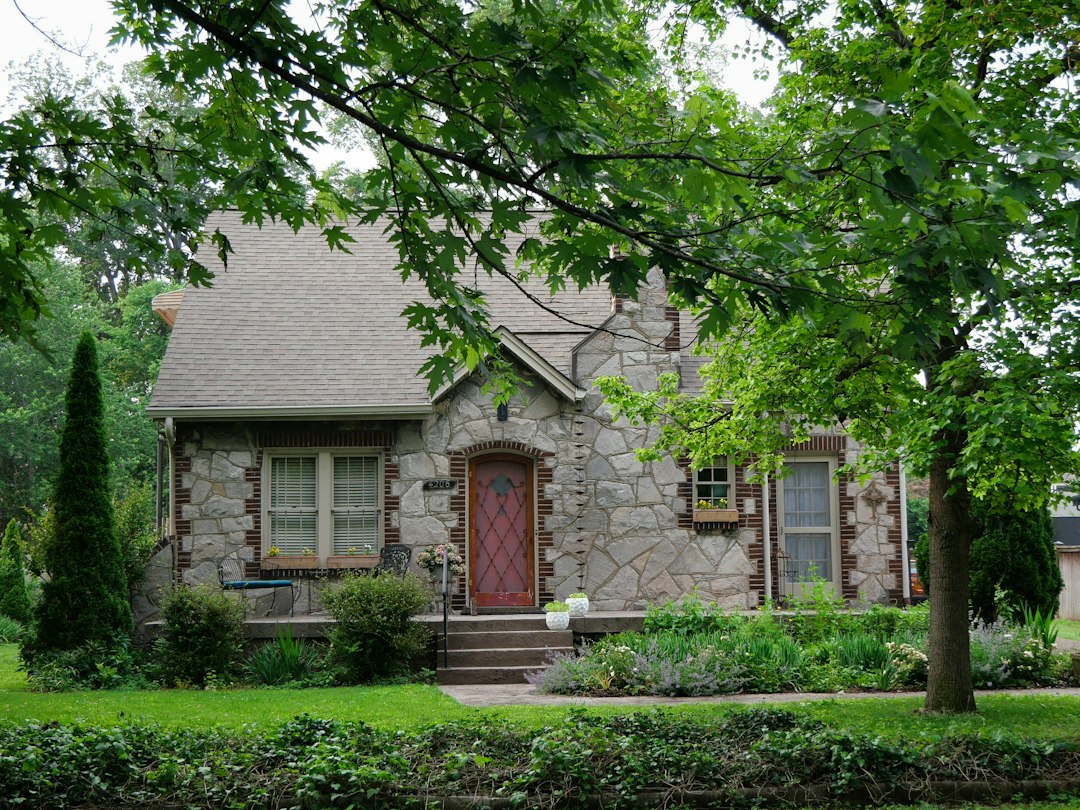
If an established home appeals to you, budget for its actual condition. Historic appearance and modern functionality do not always arrive together. Review the quality of renovations, storage, stairs, outdoor maintenance, and the practical cost of making the home suitable for your use.
Brentwood and Spring Hill: decide what additional space is worth
Brentwood and Spring Hill create separate southern comparisons. Evaluate them through the property and workday rather than treating either as the automatic next step from New York.
For a larger detached home, identify the space you will use: a dedicated office, guest room, hobby area, or storage. Then consider the work that accompanies it. More bathrooms, a larger roof, multiple mechanical systems, and additional lawn can change both recurring costs and future replacement needs.
Spring Hill spans Williamson and Maury counties, making the exact address important for jurisdiction and services. Compare new construction and resale homes using complete prices, realistic completion dates, and current documents. Do not treat a model home or an advertised incentive as the entire purchase.
The Williamson County guide helps orient the southern area, while individual property research should settle school assignment and other address-specific questions. If you need a particular program or service, verify it directly rather than relying on a general community description.
Columbia, Fairview, and Dickson County: investigate a deliberate change
Broader regional options make sense when you actively want a different balance of space, location, and ownership. They should not be added solely because the homes look larger for the asking price.
Columbia provides a separate community to evaluate south of the Nashville area. Compare its properties and local destinations as their own routine. Frequent travel elsewhere may alter how well that routine fits.
Fairview, in western Williamson County, can be relevant when its location and available properties align with your priorities. Evaluate wooded lots, subdivision choices, and work routes individually.
Dickson County offers another regional comparison where town homes and rural properties need to be distinguished. A move from an apartment to acreage can be appealing, but it also changes how you handle access, maintenance, utilities, and errands. Verify those responsibilities before deciding that land represents the better value for your life.
A remote job may make a wider map possible. It does not make every location equally convenient for appointments, travel, or the activities you expect to keep.

Translate apartment or co-op costs into the new ownership structure
Compare what your existing housing payment includes with what the Tennessee property requires separately. The categories may be more important than a simple monthly total.
If maintenance, building insurance, exterior repairs, or some utilities are currently shared or included, identify how those responsibilities change. For a detached home, you may be budgeting directly for work that was previously handled collectively. For a Tennessee condo, read the actual documents rather than assuming the same structure as your New York building.
Obtain a lender estimate, property-specific insurance, verified tax information, and current association charges. Add transportation changes, moving costs, travel, storage, and any temporary housing. Keep an emergency and maintenance reserve appropriate to the property.
The New York City and Nashville cost comparison can help identify budget categories. Ask your tax professional about residency, income, and property interests that may remain connected to New York. A move should not be planned around a tax assumption that has not been reviewed for your circumstances.
Look at the house through the seasons
A Tennessee home needs to work in the conditions you will experience throughout the year. Evaluate the property itself instead of treating a milder or warmer regional impression as a complete maintenance plan.
The National Weather Service’s Nashville climate records provide seasonal context. Heating, cooling, drainage, and outdoor use all deserve attention. A shaded porch, exposed deck, basement, or crawlspace creates different questions about comfort and upkeep.
Look for how water moves away from the home, how gutters and downspouts discharge, and whether trees or terrain affect maintenance access. Ask about relevant inspections and insurance. A property outside a mapped high-risk flood area can still have drainage or water-intrusion concerns.
For buyers used to a building superintendent or shared maintenance, make a realistic service plan. Identify what you can do yourself, what requires professionals, and which costs recur. Ownership can be rewarding without assuming that every task will become a hobby.
Coordinate the transaction sequence without importing assumptions
Ask your Tennessee team to explain the actual contract, financing, investigation, closing, and possession sequence. Prior experience buying in New York does not establish the deadlines or procedures of a new transaction.
If your sale proceeds fund the purchase, map the dependency with both agents, the lender, and closing professionals. Discuss what happens if one side takes longer than expected. Moving dates, building access requirements, and temporary accommodations should be coordinated around confirmed milestones.
A short rental may be useful if your job location or preferred community remains uncertain. It also creates another move and additional cost. Compare that expense with the risk of buying in an area you have not tested during a normal week.
The Middle Tennessee relocation hub can help organize the process. The goal is to preserve enough flexibility to make a sound housing decision while keeping the move practical.
A scouting trip should include tasks, not only tours
Design the visit around the routine you are considering. A long showing schedule can reveal floor plans while teaching very little about the life connected to them.
Test a grocery trip, a commute, a walk, and an evening return to the property. If you hope to use one vehicle or none, perform the actual trips that arrangement would require. If you are considering a suburban or rural change, include maintenance and service questions in the visit.
Use the Tuesday Test to compare your finalists. Write down what becomes easier, what becomes harder, and which changes you actually want. A home that supports a deliberate new routine is a stronger choice than one purchased mainly because it is larger than what you have now.
Frequently Asked Questions
Can I live in Nashville without owning a car?
That depends on the exact address, destinations, schedule, and transportation options. Test the full set of trips you would make and review current transit service. A generally central location is not enough evidence that a car-free routine will work for you.
Are all New York buyers looking for the same Tennessee communities?
No. A city apartment, suburban house, and rural New York property provide very different starting points. Your work, maintenance preferences, budget, and daily habits are more useful than your state of origin when building a Tennessee shortlist.
Does a downtown Franklin visit show what living anywhere in Franklin is like?
No. The connection to downtown and other destinations varies by address. Tour the home and test the routes you would use. A Franklin mailing address alone does not establish walkability or a particular commute.
Should I avoid a yard if I have never maintained one?
Not necessarily. Start with a realistic size and understand the tasks and costs. You can compare doing the work yourself with hiring help. The important decision is whether the outdoor space provides enough benefit to justify the responsibility.
How should I prepare for a first Nashville-area visit?
Share your budget, work location, move timeline, and the parts of your current routine you want to preserve. Choose a few realistic property types and corridors. Leave time for errands and route testing so the visit helps narrow the community choice.
About Harley Pope
Harley Pope is a lifelong Middle Tennessee local and Realtor with Pope Real Estate Group at The Baker Brokerage. He works with buyers and sellers in Nashville, Dickson County, Maury County, and surrounding communities. For relocating clients, his approach connects housing choices with ordinary routines, ownership responsibilities, and the practical steps needed to coordinate a move.
Considering a New York move? Talk with Harley and Victoria Pope at Pope Real Estate Group at The Baker Brokerage about the routine you want your next home to support.