Buying a Home in Murfreesboro, TN: Neighborhoods, Growth and Buyer Considerations
Buying a home in Murfreesboro, TN, works best when you compare exact addresses rather than a single citywide price or description. Established streets, new construction and properties farther from the center can differ in road access, lot, condition, taxes and ownership costs. Start with your daily destinations and all-in payment, then tour homes that represent real choices within those limits.
Last updated: September 25, 2026. This guide does not state current inventory or predict development, appreciation or commute times.
Local perspective: Harley Pope is a lifelong Middle Tennessee local and a Realtor with Pope Real Estate Group at The Baker Brokerage. Harley and Victoria Pope help buyers examine how a Middle Tennessee property works beyond its listing photos.
Draw your Murfreesboro map from actual trips
Murfreesboro is in Rutherford County, but the city is too broad for a useful one-line commute claim. Put work, regular appointments, errands and people you visit on a map. A property near a major road may be convenient for one route while making another slow. Drive the likely trip on a weekday at your normal time and reverse it. Watch the final mile into the house, where turns, neighborhood exits and school-hour traffic can matter as much as the highway portion.
If Nashville is a regular destination, be candid about how often you will make that trip. A larger Murfreesboro house may be worth a longer drive to a buyer with occasional meetings; a daily commuter may value closer alternatives. If your life is based in Rutherford County, a Nashville-centered comparison might be irrelevant. Judge the actual time you will spend in your car, not a map pin's distance. Avoid treating a weekend tour route as evidence of a weekday routine.
Use a first tour to compare a house in an established setting, a newer neighborhood and an edge-of-city option if each meets your budget. Note parking, street design, walkability for the specific trips you care about, lot slope and noise at the times you would use the property. The question is not which neighborhood has the broadest marketing appeal. It is which particular house supports your own routine at a cost you can sustain.
Read price through comparable properties
Murfreesboro has a wide variety of housing, so a citywide median or price-per-square-foot figure can be a poor offer guide for a specific home. Compare recent closed homes that resemble the target in location, size, age, condition, lot and property type. Review active listings to understand the buyer's current alternatives. An asking price reflects a seller's strategy; a portal estimate is an algorithm's output. Neither replaces analysis of the home you may buy.
Ask a lender for the total monthly payment on each serious candidate. The Consumer Financial Protection Bureau's Loan Estimate guidance distinguishes principal and interest from a payment that also includes estimated taxes and insurance. Add mortgage insurance if applicable, HOA dues and a maintenance reserve. Keep cash for inspections, moving and the first year of ownership. A lender's approval ceiling is not a recommendation to spend at that level.
The Tennessee comptroller explains that residential property is assessed at 25 percent of appraised value for tax calculations, followed by the local rate. Check whether a parcel is in the city and obtain a property-specific estimate. A builder's listing or a prior owner tax bill may not reflect a finished home. Get an insurance quote before you finalize the budget; roof condition, coverage choices and parcel risks can change the amount.
Established homes: seek useful character and sound systems

An older Murfreesboro home may provide mature landscaping, a distinct layout and a street whose neighboring uses are already visible. Compare those benefits with the condition of the roof, HVAC, plumbing, electrical work, windows, drainage and foundation. Ask for permit and repair documentation. Attractive paint and staged furniture tell you little about hidden moisture. A qualified inspector should assess the property within the contract period, and specialists can investigate material concerns.
Walk the lot and pay attention to grade. A flat-looking photograph can conceal water flowing toward the house or a retaining wall needing work. Check whether a converted space is heated, finished and permitted as represented. Measure key rooms and storage. A house with slightly less reported square footage may have a much better kitchen, laundry and work area for your life. This is why comparable homes should be evaluated for utility, not just a calculated cost per square foot.
If a home sits in a historic or specially regulated area, confirm what exterior changes are allowed before planning a renovation. Never assume a project is permitted because you saw something similar nearby. Ask the relevant local office about the exact address and proposal, and obtain a contractor's scope and cost before relying on a renovation in your purchase decision.
New construction: separate the model from the contract
New homes may offer current floor plans and equipment, but the advertised base price and model-home finishes can differ from the specific completed property. Request the exact plan, elevation, lot, included features, appliance package, landscaping, completion stage and written warranty. Walk the actual lot to see drainage and neighboring construction. Ask what is planned versus approved in adjacent phases and how common areas will be completed.
Have the finished home inspected when your contract permits. A builder warranty is a set of written obligations and procedures, not a substitute for finding issues before closing. Note how the contract handles delays, final walk-through, deposits and disputed work. Compare any lender incentive with an independent Loan Estimate, including interest rate, points, fees and cash due. A large advertised credit may not be the cheapest long-term financing choice.
Murfreesboro's planning department publishes its comprehensive plan, zoning information and subdivision process. These sources are useful when asking about a neighboring parcel or road, but a long-range plan is not a construction guarantee. Verify a specific project's current approvals with the city. Do not pay a premium based on a claim that a future amenity or route is certain to arrive.
Beyond the subdivision: parcel-specific land questions
For a home on a larger tract, examine survey, legal access, easements, utilities, grade and restrictions. If wastewater is handled by septic, obtain state records and compare the permitted capacity with the home and your plans. Tennessee's environmental agency says changes affecting an existing system, including some construction, can require a modification permit. A usable lawn might contain the system's field or reserve area. Check with the agency and a qualified professional before planning a pool, shop or addition.
Verify broadband at the exact address if you need reliable remote work. Ask who maintains a private drive and where public road maintenance ends. Check water source and available service rather than assuming an extension is inexpensive. A lower ask price for a rural home can be offset by land upkeep, driveway work, fencing and utility costs. These details belong in the total comparison with an in-town home.
Also verify the parcel's jurisdiction. A Murfreesboro mailing address may not answer city-limit questions. Boundaries can change the tax calculation and which office administers a permit. Use public records and the responsible office, not only a portal's location label.
Compare other search areas for a defined reason
Nashville and Murfreesboro are a useful comparison when your work or routines cross the corridor, but a larger house in one place and a smaller house in another do not settle the decision. Compare the same monthly comfort level, location of your regular trips and property condition. Spring Hill and Columbia can offer other south-side choices for some buyers; their routes and county jurisdictions differ. Franklin may suit a Williamson County routine but presents a different set of property alternatives. Use our Nashville versus Murfreesboro and Murfreesboro versus Spring Hill comparisons as starting points, then test current listings.
Write down the life each house would enable. One address may offer an easier daily drive; another may offer a workspace you would use; a third may reduce maintenance. If you cannot identify the benefit of an extra room or a larger lot, do not count it as automatic value. The Tuesday Test asks whether the house still works on an ordinary workday after the newness has worn off.
Offer and due diligence strategy
Ask your agent to review recent comparable sales, competing listings and property condition before choosing an offer price. Discuss seller timing and terms: financing, appraisal, inspection, closing and any request for seller-paid costs. A concession may reduce your cash to close if the lender permits it, but the total price still has to make sense and the appraisal still matters. A fast closing may appeal to one seller and be impossible for a buyer who has not settled financing.
Request disclosures, available surveys, HOA documents, permits, insurance information and material repair records early. For an older house, plan inspections around systems and water. For new construction, examine the contract and warranty. For acreage, include land and septic diligence. Be prepared to walk away or renegotiate if verified facts materially change the decision. A home is not a better deal merely because you can win it quickly.
After reviewing inspection findings, compare the likely cost and disruption of repairs against other current homes. A seller may agree to a repair or credit, or the parties may not align. Know the contract's deadlines and what rights you retain. Your goal is a house you can own comfortably, not simply an accepted contract.
Give condition a price and a schedule
When an inspection identifies a problem, request the right specialist's assessment and compare the repair's cost, urgency and disruption with alternatives. A roof nearing replacement is not the same as a cosmetic preference, and a drainage concern may require more investigation than a single quoted fix. Ask what work can happen before occupancy and what would disturb your first months. A seller credit can help pay a bill, but it does not repair the house or always cover the uncertainty in scope. Make the decision with the actual contract rights and deadlines in view.
If a repair estimate is uncertain, ask whether more invasive investigation is appropriate within the inspection period. Keep a written record of what the seller knows, what the specialist found and what remains unknown. You can then compare that risk with the costs of another property instead of guessing from a single sentence in a report.
Review the surrounding context without predicting it
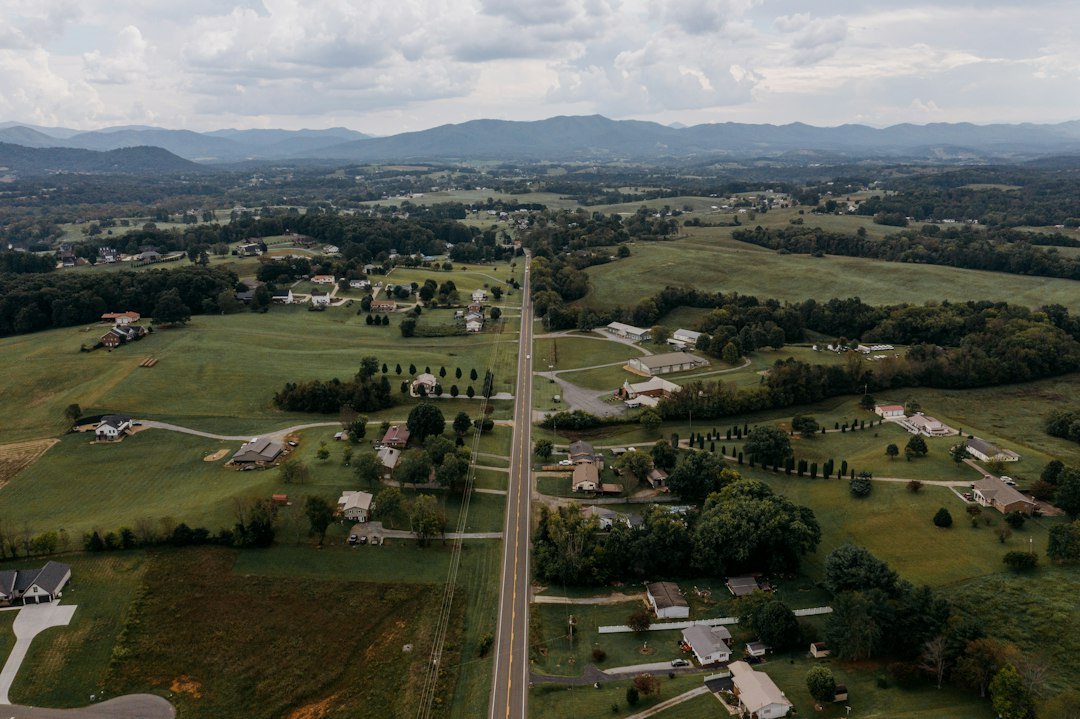
Some buyers are drawn to Murfreesboro because they see continuing construction. A development proposal, road concept or retail rumor should prompt a question, not an assumption. Check the city's current planning records and ask which approvals have been granted. Then consider whether the house would still work if the project changed or took longer. You are buying today's parcel and its known access, not a guarantee about the surrounding landscape.
The same care applies to an established street. Visit at different times to understand ordinary traffic and nearby uses. Check parcel maps for adjacent land and verify any unusual zoning or easement question with the local office. An area may be appealing precisely because of its current pattern, but no buyer should assume that every neighboring lot will remain visually identical forever.
Discuss foreseeable changes in practical terms: noise during construction, access while work is underway and the possibility that the eventual design differs from an early concept. Avoid claims that a project will raise values or make an area universally desirable. Your own tolerance for construction and your daily route are more relevant to the purchase than a speculative appreciation story.
A useful final comparison should include a house that is easy to own, even if it lacks some exciting features. It becomes the baseline against which you measure a renovation, a new build or a larger lot. Ask how much extra time and money the more complex house would demand in its first year. If its special feature is essential to your life, the difference may be worthwhile. If the simpler home meets the real requirements and leaves financial room, its lack of drama may be a benefit.
Frequently Asked Questions
Does a Murfreesboro mailing address prove the home is inside city limits?
No. Verify the parcel's jurisdiction through local records before estimating taxes or planning improvements.
Are new homes exempt from inspection concerns?
No. Inspect the actual completed property and review the warranty, drainage and builder contract.
How should I use the city's growth plan?
Use it to ask informed questions, then verify the status of any specific road or project. A plan does not guarantee its completion date.
Does a bigger lot permit an extra home or outbuilding?
Not by itself. Check zoning, deed restrictions, access, utilities and septic requirements for the exact parcel and proposed use.
How do I decide between Murfreesboro and Nashville?
Compare actual homes at one total payment and drive the routes you would use. The better fit depends on your daily destinations and property needs.
About Harley Pope
Harley Pope is a Middle Tennessee Realtor with Pope Real Estate Group at The Baker Brokerage. He and Victoria Pope help buyers compare Nashville, Dickson County, Maury County and other Middle Tennessee options when a client's routes and housing goals call for them. Harley focuses on the real property and transaction details behind a listing: payment, layout, condition, site and the ordinary week a home makes possible.
If Murfreesboro is on your list, Harley and Victoria Pope can help you compare specific current properties and build a sound offer and inspection plan. Contact Pope Real Estate Group at The Baker Brokerage with your location and payment priorities.