Buying a Home in Spring Hill, TN: Neighborhoods, New Construction and Commuting
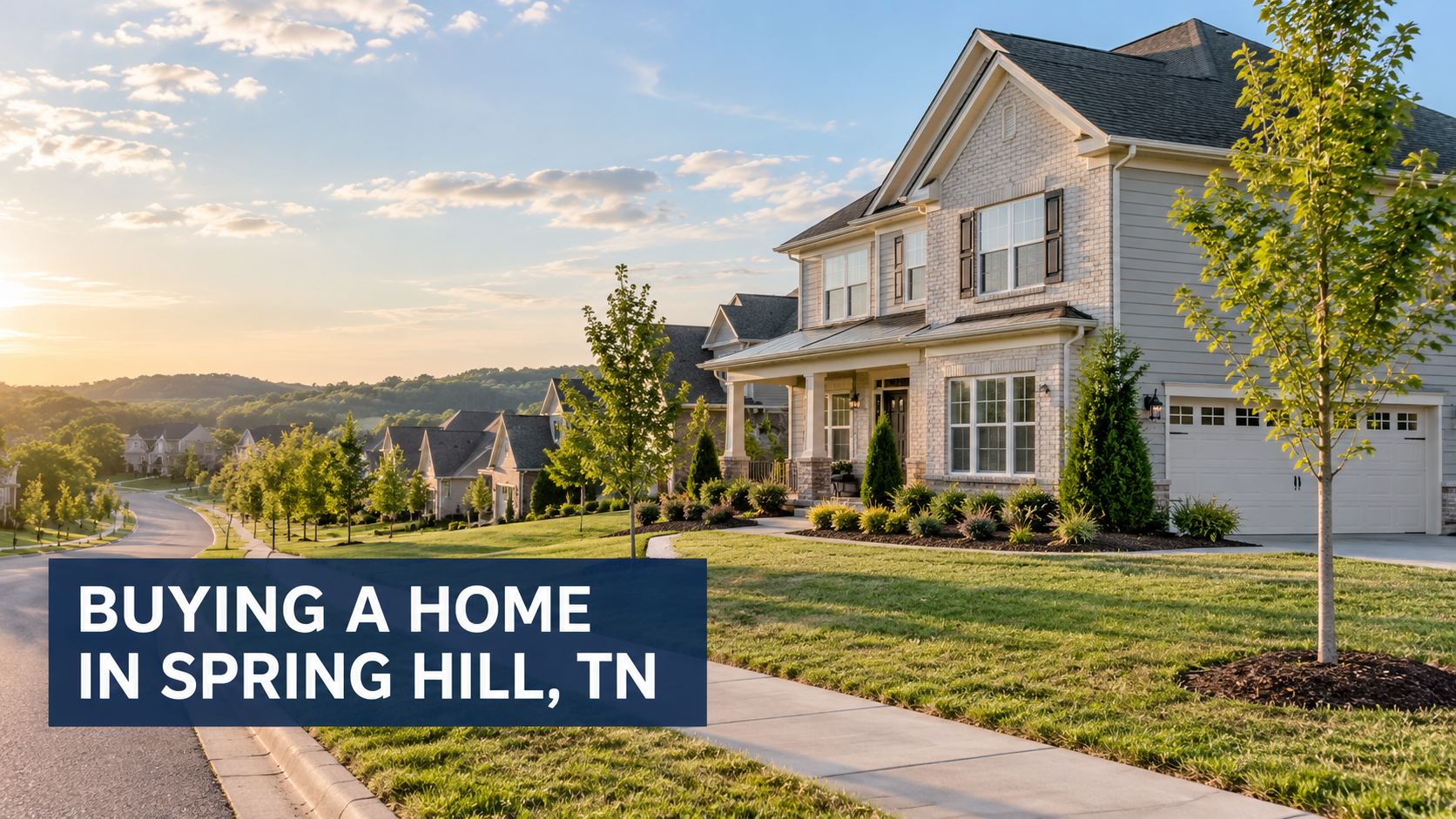
buying a home in Spring Hill TN works best when the search begins with the complete payment, the routes you will actually drive, and the type of property you are prepared to maintain. Spring Hill spans Williamson and Maury counties, offers substantial newer housing, and requires buyers to pay close attention to the county line, commute corridor, construction, and total finished price. Prices and inventory change constantly, so use current listings and recent comparable sales for the final decision rather than treating a citywide median as a quote.
Last updated: September 22, 2026
This guide is written from a practical Middle Tennessee buyer perspective. I’m Harley Pope with Pope Real Estate Group at The Baker Brokerage. I help buyers compare homes, land, condition, commute, utilities, and the life a property will support. The goal here is not to label one neighborhood “best.” It is to help you ask better questions and narrow the search using objective priorities.
buying a home in Spring Hill TN: quick facts
| Decision | What to examine |
|---|---|
| County line | Spring Hill spans Williamson and Maury counties; verify taxes, schools, utilities, and services by address. |
| Housing | Large subdivisions, townhomes, recent construction, established pockets, and nearby rural properties. |
| Commute | U.S. 31, Saturn Parkway, I-65 access, and the direction of work shape the practical search. |
| New construction | Compare incentives, lot premiums, options, HOA, completion risk, and independent inspections. |
| Competition | Compare Franklin, Thompson’s Station, Columbia, and Maury County based on route and payment. |
The table is a starting point. A buyer should verify the exact tax record, school assignment if relevant, utilities, restrictions, insurance, commute, and condition for each property. Mailing addresses and subdivision marketing do not replace documents.
How to think about home prices in Spring Hill
Spring Hill has a wide spread between townhomes, smaller resales, larger recent homes, premium lots, and new construction. The city’s split across two counties also means two homes with similar mailing addresses may have different taxes, school assignments, services, and resale audiences.
New-home incentives can distort simple comparisons. A builder may offer closing-cost assistance or a rate program that changes the monthly payment, while a resale seller may offer price flexibility or repairs. Compare net purchase cost, financing terms, included features, and likely future expenses.
Inventory can differ dramatically by subdivision and completion stage. Recent comparable sales from the same builder or neighborhood may be useful, but incentives and upgrades are not always visible in public data. Ask what was included, what was financed, and whether the comparable closed before a current incentive change.
For financing, ask a lender to calculate complete payments on several realistic properties using the same down payment and rate assumptions. Include principal, interest, taxes, homeowners insurance, mortgage insurance when applicable, HOA dues, and a maintenance reserve. A lower asking price does not guarantee a lower monthly cost when one home needs immediate work or carries higher recurring expenses.
Keep the market snapshot dated. Interest rates, builder incentives, active competition, and seller motivation can change faster than an annual guide. Before making an offer, refresh the comparable sales and competing listings so the negotiation reflects the market that exists that week.
Location and the daily map
The Spring Hill community page is the starting point, but the first practical question is whether the address lies in Williamson or Maury County. The line can affect taxes, public services, school assignment, and how buyers perceive the property. Verify each item independently.
North-south travel commonly relies on U.S. 31 and access toward I-65, while Saturn Parkway serves important employment and regional connections. Construction and growth can change the route. A home near a convenient connector may function differently from one deeper inside a large subdivision.
Use the Spring Hill versus Franklin comparison and the Spring Hill versus Columbia guide to separate the price question from county, commute, and everyday convenience.
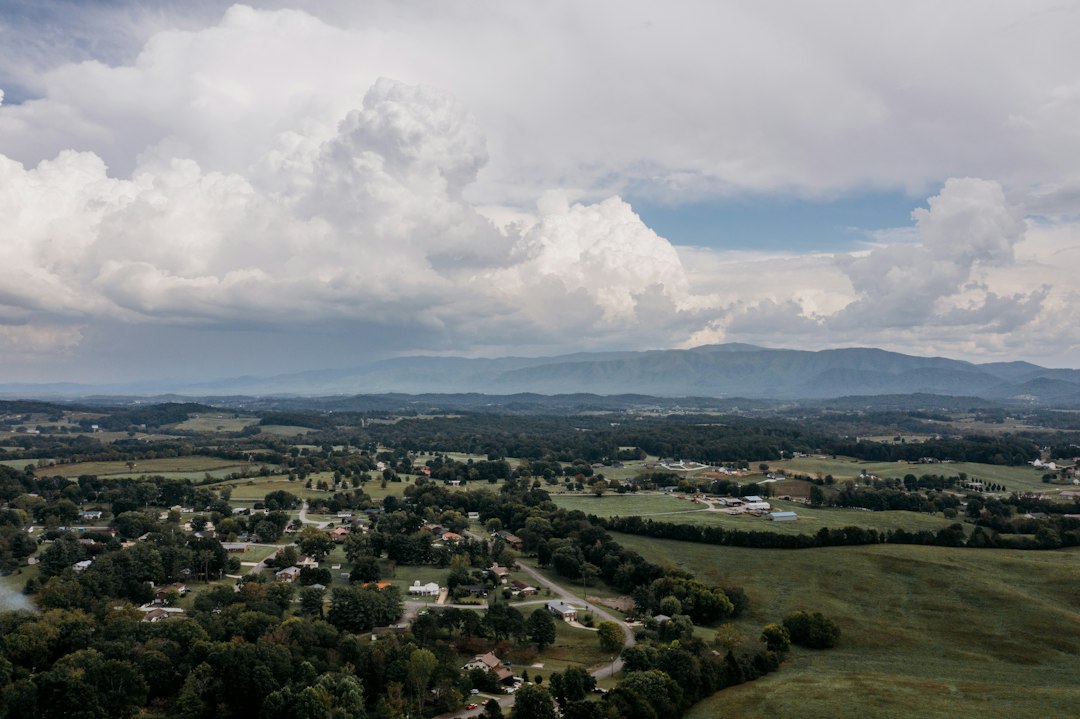
For a closer property-level comparison, use the Spring Hill neighborhoods guide to evaluate home styles, usable outdoor space, and the routes that shape your week.
The housing choices are not all interchangeable
Spring Hill is known for substantial late-20th-century and newer construction, large subdivisions, townhomes, and continuing development. That creates choice, but not uniform quality. Builder, phase, lot, drainage, traffic pattern, HOA, and included finishes all matter.
Established resales may provide fencing, blinds, mature landscaping, finished bonus space, and a known neighborhood pattern. New construction may offer modern plans and warranties but require buyers to finish items that were not included. Calculate the cost of making each option equally usable.
Nearby rural and semi-rural properties add acreage, septic systems, outbuildings, and different road conditions. Buyers should decide whether they want Spring Hill convenience or a Spring Hill mailing address with a more rural operating model.
- Verify county, municipality, school assignment, and utility providers.
- Review HOA documents, assessments, rental rules, and architectural restrictions.
- Inspect drainage and grading in newer subdivisions.
- Compare builder incentives with outside financing.
- Price fencing, blinds, landscaping, appliances, and post-closing additions.
- Test cell and internet service if work depends on it.
Due diligence that matters in Spring Hill
Fast development makes drainage and grading especially important. Look at how neighboring lots direct water, whether swales remain open, where downspouts discharge, and whether final landscaping has settled. Review municipal and builder information when available.
A newer home still needs an independent inspection. Construction defects, incomplete items, roof or flashing problems, plumbing leaks, electrical issues, and HVAC concerns do not disappear because the home has not been occupied. Consider phase inspections when timing allows.
For resale homes, review remaining warranties, prior repairs, permit history when relevant, and any additions or finished spaces. Confirm whether HOA approval was required. Do not assume a neighborhood standard means every improvement is compliant.
Order inspections appropriate to the property, review disclosures, obtain insurance early, and confirm documents rather than relying on casual descriptions. If a property has an HOA, review the declaration, budget, assessments, rules, meeting information, and what the dues actually cover. If it is rural or semi-rural, investigate septic, well, access, survey, internet, outbuildings, and restrictions.
Commute and transportation
Spring Hill works differently for someone employed in Columbia or locally than for someone driving to Cool Springs, downtown Nashville, or another side of the metro. The route north can become the defining ownership cost.
Test U.S. 31, the path to I-65, and the drive from the specific subdivision. A house near the northern edge may save time but cost more; a larger southern home may add mileage. Compare time consistency, not only best-case minutes.
The useful test is not an online estimate at noon. Drive or map the route during the hours you expect to use it. Include school or childcare trips, medical appointments, groceries, airport runs, family, worship, and recreation. A house should be evaluated against the whole week.
New construction versus resale
Builder incentives deserve a complete loan comparison. A temporary or permanent rate reduction, closing-cost credit, or design allowance can be valuable, but the required lender, loan product, fees, and price should be reviewed together.
Ask about the development phase, remaining lots, planned roads, amenities, construction traffic, and the builder’s nearby inventory. Future releases can affect competition. That does not make new construction a poor choice, but it belongs in the resale plan.
For new construction, compare base price with the finished price after lot premiums, options, appliances, blinds, fencing, landscaping, and closing costs. Review builder incentives alongside the loan terms required to receive them. Hire independent representation and inspections. For resale, price condition honestly and separate cosmetic preferences from major systems.
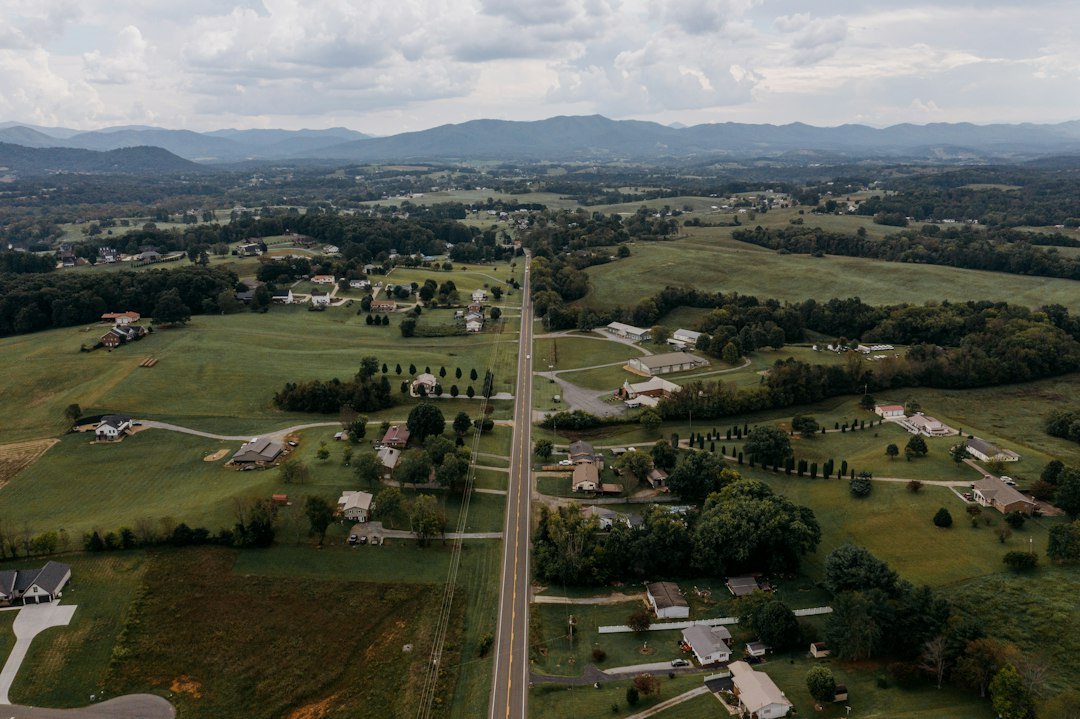
What everyday life may feel like
Spring Hill offers a suburban routine with extensive housing, shopping, employment, and access toward both Williamson and Maury counties. Growth means new conveniences and new construction activity at the same time.
Some buyers value a newer home and neighborhood amenities more than proximity to central Nashville. Others discover that the northbound commute outweighs the extra square footage. Neither answer is universal.
Visit on a weekday morning, afternoon, and evening if possible. Notice subdivision entrances, turn lanes, school-time traffic, groceries, medical access, and how far ordinary errands extend beyond the neighborhood.
Use the Tuesday Test before choosing a house
Picture a normal Tuesday six months after closing. Where do you work, shop, exercise, handle appointments, and spend time outside? How much of the day is consumed by driving? Can the house support the office, garage, storage, yard, privacy, or walkability you expected? A home should enable the life you want. The showing-day excitement matters less than whether the property makes ordinary days better.
In Spring Hill, the Tuesday Test should include the county line and the northbound route. Picture a workday, an appointment in Franklin, an evening activity, and the time required to return home. Then compare that routine with the benefit of the house itself.
How to prepare a stronger offer
A strong offer is not always the highest price. It is an offer the seller can understand and trust. Prepare financing early, know the cash required, choose realistic deadlines, and decide which risks you can accept before emotion enters the negotiation. In a slower segment, buyers may have room to request repairs, closing costs, or rate assistance. In a well-priced segment with limited competition, unnecessary conditions may weaken the offer.
On builder inventory, negotiate the complete package: price, financing, closing costs, upgrades, appliances, blinds, fencing, and timing. On resale, compare the home with active builder competition and recent incentives. A seller’s list price may not reflect the payment a builder is currently advertising.
I recommend setting three numbers before negotiations: the comfortable payment, the price at which the property still makes sense after known repairs, and the walk-away point. That protects the buyer from winning a house that no longer fits the plan.
Nearby areas worth comparing
Spring Hill buyers should compare Thompson’s Station, Franklin, Columbia, and the broader Maury County market. The best alternative depends on which side of the price, commute, and county tradeoff matters most.
Use the Middle Tennessee areas directory to open the map, then narrow it with the buyer resources. The point is not to tour every community. It is to compare enough contrasting options to understand what the budget and commute are actually buying.
A practical buying plan
- Define the total monthly ceiling and cash reserve.
- List the repeat destinations and maximum acceptable travel time.
- Choose required property features and separate them from preferences.
- Review current listings and recent comparable sales with your agent.
- Tour contrasting property types and locations.
- Verify taxes, insurance, utilities, restrictions, and condition before committing.
- Re-run the Tuesday Test before removing contingencies or accepting a major compromise.
Frequently asked questions
Is Spring Hill in Williamson County or Maury County?
Both. Verify the county, city limits, taxes, school assignment, utilities, and services for each exact address.
Is Spring Hill cheaper than Franklin?
It often offers more house or newer construction for the budget, but premium Spring Hill homes can overlap Franklin pricing. Compare the payment and commute.
How difficult is the commute to Nashville?
It depends on the subdivision, destination, and time. Test the northbound route during realistic hours before choosing a house.
Are builder incentives always the best deal?
No. Compare price, lender fees, loan terms, permanent versus temporary rate benefits, included features, and resale alternatives.
Do new homes need inspections?
Yes. Independent inspections can identify defects and incomplete work before closing or warranty deadlines.
What should I know about HOAs?
Review dues, budget, reserves, rules, rental restrictions, architectural controls, amenities, and pending assessments.
What nearby areas should I compare?
Franklin, Thompson’s Station, Columbia, and other Maury County locations can provide useful contrasts in price, commute, and property type.
About Harley Pope
Harley Pope is a Middle Tennessee Realtor with Pope Real Estate Group at The Baker Brokerage. As a lifelong Middle Tennessee local, he helps buyers compare communities, housing, land, commute, condition, and the routines a property will support. He serves clients across Dickson County, Maury County, Nashville, and surrounding Middle Tennessee counties.
If you are considering a home in Spring Hill, Harley and Victoria Pope can help you build a current search, compare properties, and plan an offer around your actual goals. Call or text Harley at 931-629-4836 or use the contact page.