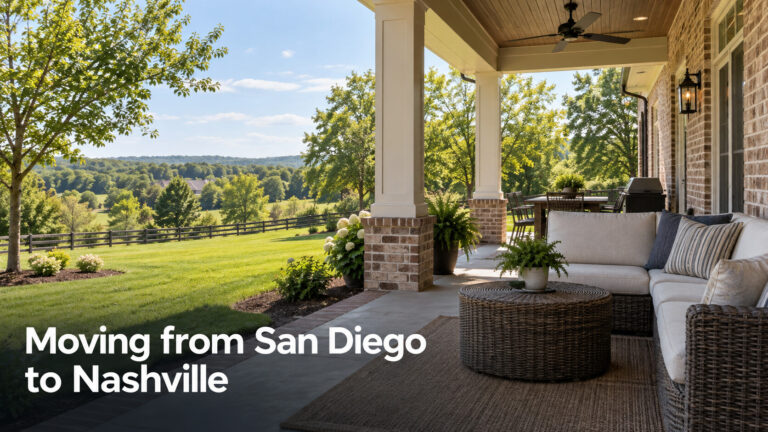
San Diego Realtor With a Client Moving to Nashville? Tennessee Referral Guide

A San Diego Realtor with a client moving to Nashville needs a Tennessee referral partner who can explain a major change in climate, transportation, property care, and regional geography without reducing the move to a price comparison. The right process begins with the client’s current San Diego routine, connects it to realistic Middle Tennessee choices, and keeps the referring agent informed from introduction through closing.
Last updated: September 16, 2026. Referral agreements, brokerage requirements, market conditions, and transaction practices can change. Confirm current terms through the participating brokers.
For current Tennessee licensing and brokerage information, referring agents can also consult the Tennessee Real Estate Commission.
Local perspective: I am Harley Pope, a lifelong Middle Tennessee local and Realtor with Pope Real Estate Group at The Baker Brokerage. I help relocating buyers and out-of-state agents evaluate Nashville and surrounding communities through practical local guidance, careful property questions, and clear communication.
San Diego clients may be changing more than their housing cost
A client leaving a coastal condo, urban neighborhood, inland suburban home, military-related housing, or a larger North County property can have very different expectations. Some are used to compact lots and mild weather. Others already drive long distances and manage detached homes. I do not assume the starting point or the reason for moving.
The referring Realtor can improve the Tennessee search by sharing:
- The current community, home type, ownership structure, and parking setup.
- The Tennessee work destination and expected in-office schedule.
- The current sale or lease plan and the date the client must be out.
- How often the client expects to fly back to California.
- Whether the client wants more interior space, outdoor space, privacy, or lower maintenance.
- Any property features the client has never owned but now wants to consider.
Refer before listings create a false sense of certainty
A San Diego client may see a Middle Tennessee home with more bedrooms, a large yard, and a lower price than expected. The listing can feel like the answer before the client understands the commute, storm exposure, humidity, yard work, county, utilities, or surrounding development.
An early introduction lets us establish the nonnegotiables first. A short handoff with the client’s current property, timing, Tennessee job, sale dependency, financing status if known, and main goals is enough to begin. The client does not need to choose a town before the call.
Referral terms should be documented through the participating brokers before substantive work. My referral partners page explains the service and relationship standards, while the out-of-state Realtor FAQ and Tennessee referral-process guide address common questions.
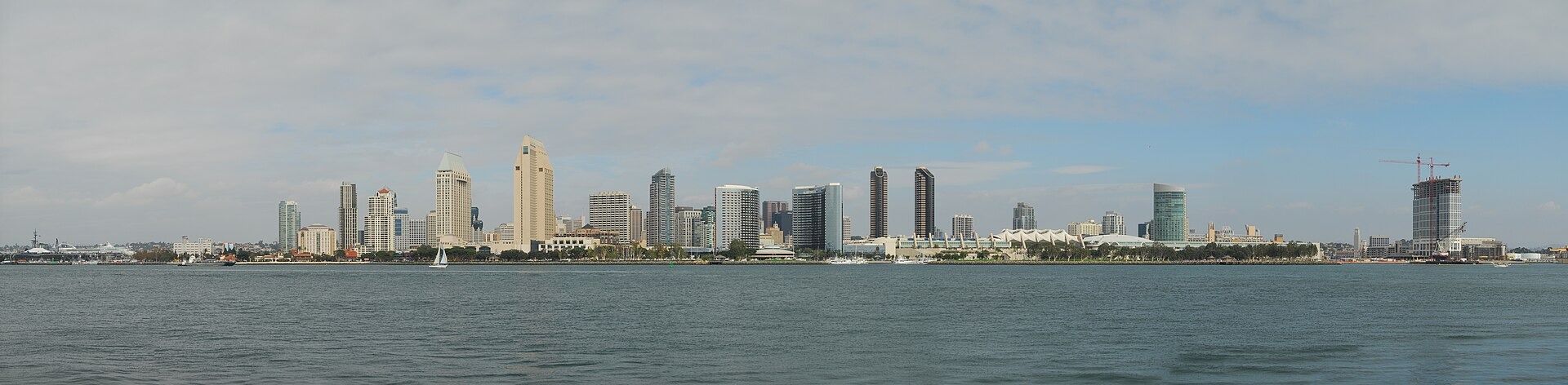
Climate is a property issue, not just a lifestyle difference
The shift from San Diego’s mild, relatively dry coastal climate to Middle Tennessee’s humidity, heavy rain, thunderstorms, winter freezes, and seasonal swings affects both daily life and homeownership. The San Diego-to-Nashville guide gives the client a broader relocation overview.
Air conditioning and humidity control matter. Roof age, gutters, grading, drainage, crawlspace condition, trees, storm exposure, termites, and exterior materials deserve careful review. A beautiful shaded lot may bring maintenance and storm questions. A basement can add useful space but also needs water-management attention.
Insurance should be investigated early enough to influence the decision. The client may arrive with strong awareness of wildfire, earthquake, or California insurance issues, but Tennessee introduces a different risk profile. The correct policy, cost, exclusions, and insurability depend on the specific home and insurer.
Green space is not maintenance-free space
A San Diego client may be delighted by a large lawn, mature trees, or acreage. I ask what the client wants to do with the land and how much time or money they want to spend maintaining it. The main Middle Tennessee relocation page helps place these property choices in regional context.
Acreage should be separated into total acres and usable acres. Slope, woods, drainage paths, septic areas, easements, access, fencing, and soil can limit the area available for gardening, animals, recreation, or an accessory structure. Rural properties may also require well or utility-water review, private-road questions, and exact internet verification.
A smaller usable lot can provide more daily value than a larger difficult parcel. The goal is not the biggest green number in the listing. It is the outdoor life the client actually wants.
Driving patterns should be modeled from the exact address
San Diego clients understand that regional mileage and actual travel time are different things. Middle Tennessee also rewards choosing the right side of the metro. A downtown Nashville job, Cool Springs office, airport-area employer, Clarksville assignment, or south-corridor destination should lead to a different search.
The Middle Tennessee areas directory is a starting point. Nashville can offer closer urban access. Franklin and Brentwood may fit Cool Springs-centered routines. Nolensville, Spring Hill, and Columbia create other south-side choices. Fairview and Dickson County communities can enter a west-side or acreage search. The client’s actual destinations determine which options belong.
We test the first local roads, the main commute, the return trip, and airport access. Nashville International Airport lies southeast of downtown, so frequent travel to San Diego can influence which tradeoffs remain comfortable.
Give the move the Tuesday Test
A Tennessee home can look extraordinary during a sunny weekend showing. The Tuesday Test asks what life feels like from that address when the novelty is gone. How long is the office drive? Where are groceries, medical care, exercise, dinner, and the recurring evening activity? How much yard, pool, tree, or acreage work is waiting at home?
That exercise can justify either direction. The client may decide that more space and privacy are worth driving. The client may instead protect convenience and buy less house closer in. The correct answer is the one that improves ordinary days, not the one that produces the most dramatic before-and-after comparison with California.
Pool, outdoor-living, and energy expectations need local numbers
A pool can be attractive during Tennessee summers, but it adds inspection, insurance, maintenance, seasonal, and safety questions. Covered outdoor space may be more useful than an exposed patio during hot sun or rain. Mature shade can improve comfort while adding tree and roof considerations.
Utility costs depend on home size, insulation, windows, systems, temperature preferences, and provider. A larger Tennessee house may cost less to buy than a San Diego property and more to heat, cool, clean, furnish, and maintain. We compare the whole ownership package.
New construction may offer efficient systems and builder incentives, but the client should still investigate lot drainage, future phases, association obligations, warranty terms, and the quality of the specific home. Resale may win on location, established landscaping, or character while requiring more near-term system work.
Coordinate the California sale and Tennessee timing
The San Diego Realtor remains the expert on the current property and California transaction. I need the expected list and closing dates, required proceeds, possession terms, and the client’s flexibility after closing.
A cross-country move magnifies a small scheduling problem. If the Tennessee home is delayed or the California sale moves, the client may need temporary housing, storage, pet arrangements, or a revised mover schedule. We identify the fallback before the offer rather than after a problem.
If the client can buy before selling, the lender should confirm that position. If the purchase requires the sale, the Tennessee touring and offer strategy should reflect it honestly. I keep the referring agent updated when timing, activity, geography, or transaction risk changes.
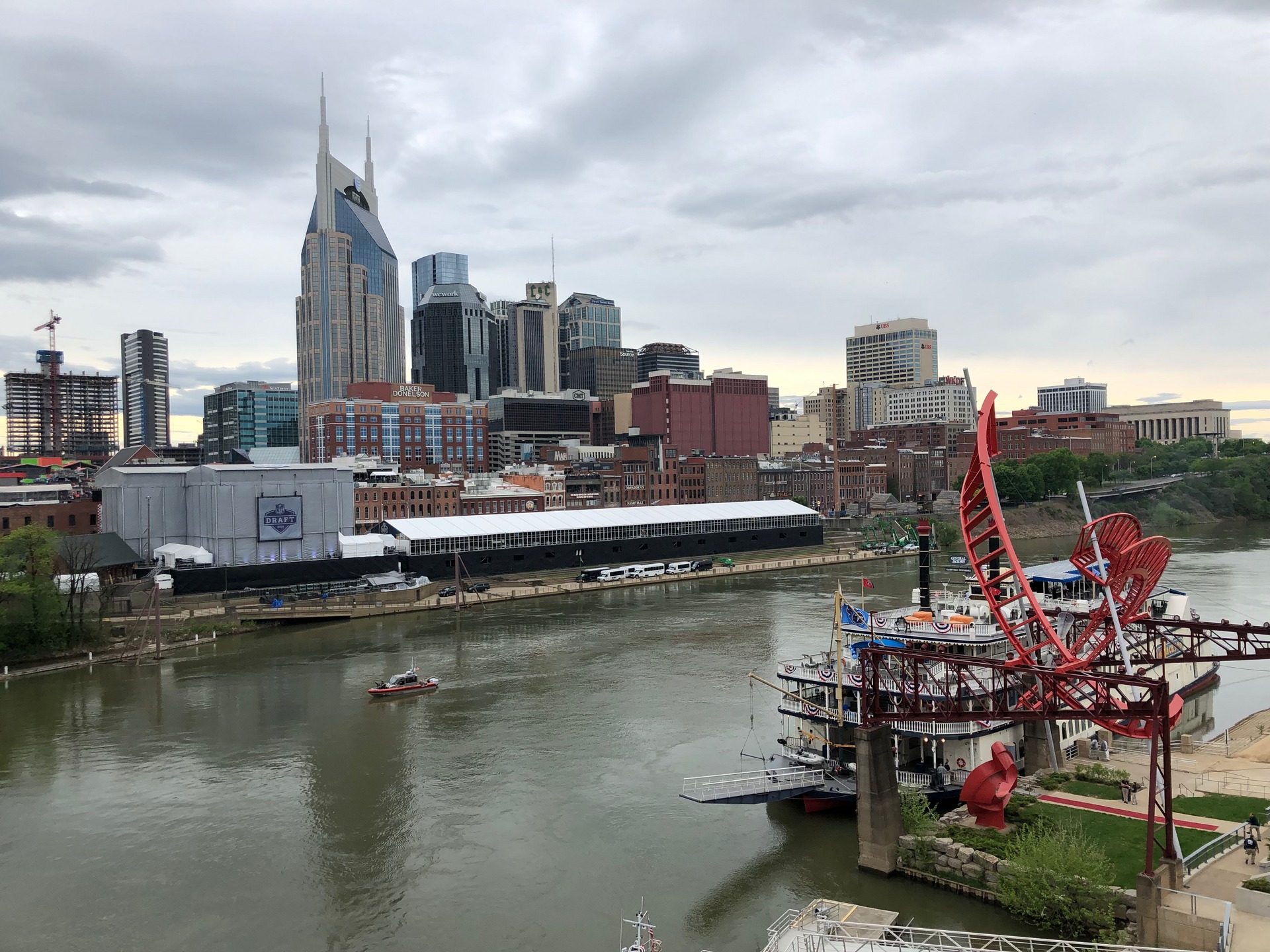
A decision trip should compare the region and the ownership
I organize the visit around a few realistic corridors. The client should experience the work route, local roads, topography, errands, housing age, and maintenance differences. We use representative homes to learn, not only to chase the newest listing.
If the client is considering rural property for the first time, the tour should include well, septic, internet, driveway, road, mowing, and service-distance conversations. If the client wants an urban transition, we test the exact walkability, parking, noise, and redevelopment around the property.
Remote tours show context, not just rooms. I include the approach, street, neighboring properties, slope, exterior condition, drainage clues, mechanical systems, utilities, and concerns that need professional review. The out-of-state buying guide explains the full process.
The referring relationship remains part of the transaction
I do not compete with the San Diego agent for the California business or blur the roles. California sale questions return to the source-market professionals. Tennessee property and transaction questions remain with the Tennessee team and appropriate local specialists.
I confirm contact, report meaningful activity and changes, and provide milestones through offer, inspection, financing, appraisal when applicable, title, and closing. My guide to referral communication explains the normal rhythm.
Budget for the first Tennessee year, not only the closing
A San Diego buyer may gain square footage or land while encountering a different set of early expenses. The first-year plan should include insurance, utility deposits, HVAC service, landscaping equipment or service, pest control, gutter or drainage work, tree care, and immediate repairs identified during inspection. A newer home can reduce some system risk, but it may add window treatments, fencing, appliances, association fees, or improvements to a newly established yard.
I also ask buyers to consider seasonal use. A covered patio may be more valuable than an uncovered space during summer heat or rain. A steep or heavily wooded lot may look private while adding drainage, leaf, or tree work. A pool can be enjoyable, but its equipment, safety, season, and maintenance should be evaluated for Tennessee rather than carried over from a Southern California routine.
This budget does not need to predict every dollar. It gives the client a place to record quotes, insurance information, inspection priorities, and items that can wait. The result is a purchase decision based on the first year of ownership, not just the amount required to get the keys.
The same worksheet helps compare two houses with different strengths. A closer home with a smaller yard may preserve time and reduce service costs. A farther home with privacy may justify those tradeoffs when the outdoor space has a clear purpose. The numbers support the client’s priorities instead of making the choice for them.
Common San Diego-to-Nashville mistakes
- Choosing a home for size before understanding the drive and maintenance.
- Underestimating humidity, heavy rain, storms, drainage, and HVAC demand.
- Treating acreage or a large yard as free value.
- Assuming lower purchase price guarantees lower total monthly ownership cost.
- Waiting too long to test insurance and property systems.
- Compressing two transactions and a cross-country move without a fallback.
- Allowing the referring agent to lose visibility after the introduction.
Frequently asked questions
When should I refer a San Diego client?
Once the move is credible enough for planning. An early call can narrow the region and reveal property questions before the client travels.
Can you help a client who wants land for the first time?
Yes. We translate the intended use into due diligence for access, utilities, septic, survey, restrictions, internet, slope, and maintenance.
Will you compare new construction with resale?
Yes. We compare location, incentives, systems, future phases, association rules, lot, condition, and full ownership cost.
Can the client buy without visiting?
Yes, when the client understands the limits of video and uses inspections, documents, insurance, title, financing, and specialized verification appropriately.
How do you coordinate with the California sale?
The San Diego agent manages that transaction. I shape the Tennessee search and offer plan around its confirmed timeline and proceeds requirements.
What if the client is not sure which Tennessee city fits?
That is normal. We begin with work, budget, home type, maintenance, airport needs, and ordinary weekly routes.
About Harley Pope
Harley Pope is a lifelong Middle Tennessee local and Realtor with Pope Real Estate Group at The Baker Brokerage. He helps relocating clients and referring Realtors compare Nashville, Williamson County, Maury County, Dickson County, and surrounding areas through practical location planning, candid property guidance, and communication that protects the original relationship.
San Diego Realtor: start the Nashville referral
To discuss a client moving from San Diego to Nashville or Middle Tennessee, contact Harley and Victoria Pope. Include the current housing type, Tennessee work destination, expected timing, sale dependency, travel frequency, and main property goals. I will confirm the handoff and outline the next local step.